


Share the article
Having traveled extensively in the former Soviet world myself, I have said that here countless times Eastern Europe is the most underestimated region in the worldand I stand by it.
The hearty, unapologetically meaty cuisine that would send the average vegan Valley girl into a tailspin, the crowd-free cities that aren’t yet on the feed of your typical Instagram travel influencer, and even the friendliness of the locals: Slavs may have a reputation for stoicism, but once the ice thaws and you’re two or three rakijas in, you guys are basically best friends for life.
Some clichés are true, but let’s be honest: some travel blogs have gone out of their way lately to portray the entire region as some kind of unspoiled fairyland that barely exists in reality.
There are hints of you typical storybook European life here for sure, but for the most part you’d better get used to the endless rows of uninspiringly gray, communist apartment blocks, and in Russia-friendly places, the occasional Lenin statue.
To keep it clear and simple, Eastern Europe is not France, so if you don’t know where to go or how to manage your expectations, you could end up getting the next flight earlier than planned.
From someone who has tried countless different versions of goulash and pelmeni in a dozen different countries, here are five lesser-known destinations in the east Actually worth the detour:
Karlovy Vary, Czech Republic
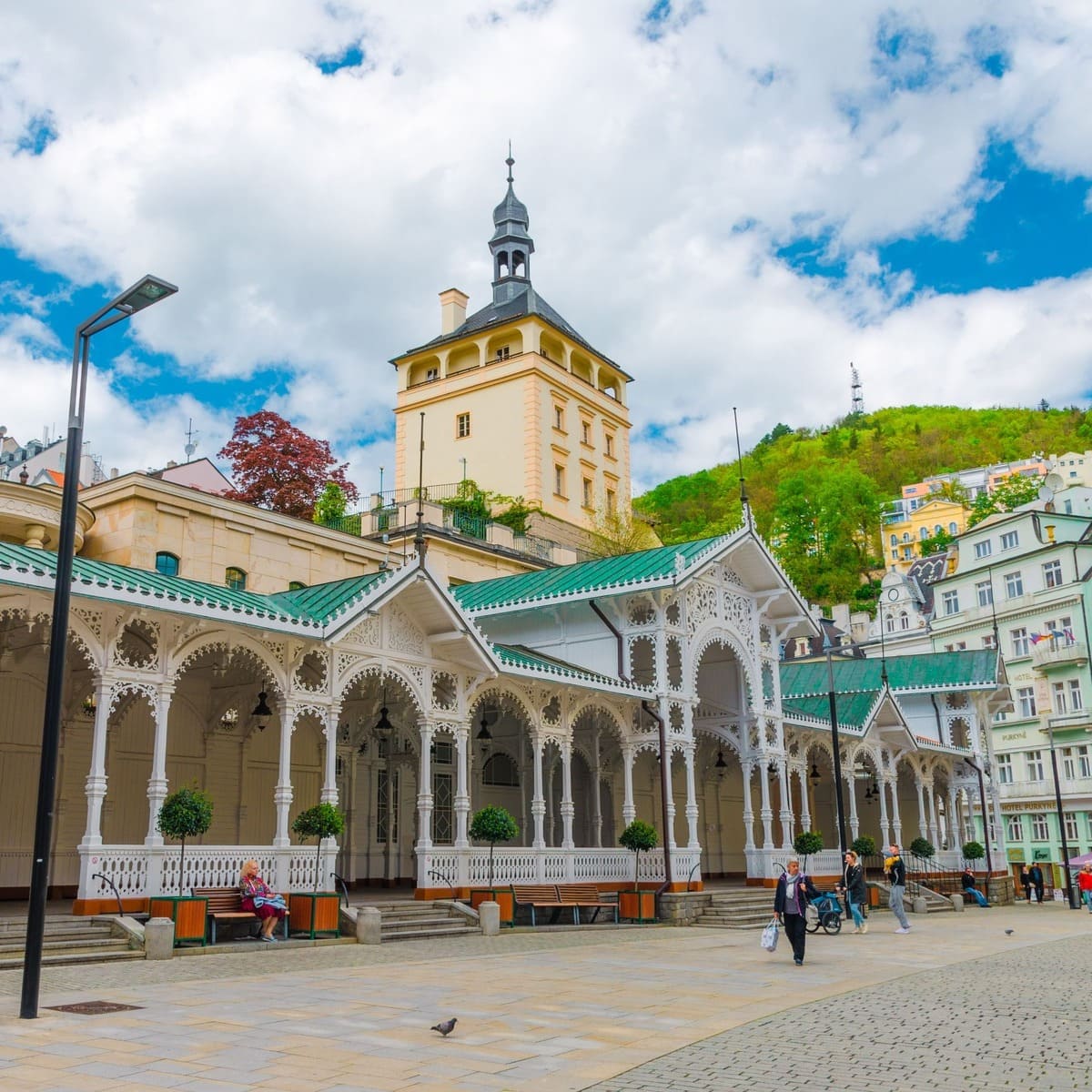
Having been pretty much everywhere in Europe at this point, I’m rarely mesmerized by the average cobblestone town with a hilltop castle, but boy, was I impressed when the train finally reached Karlovy Vary from Prague:
Also known as Carlsbad, this is a renowned spa in the west of the Czech Republic, only Czechs seem to be familiar with it. Even better: none of the usual Chinese hustle and bustle, and elevated capital prices that don’t necessarily reflect the true cost of living in the country.
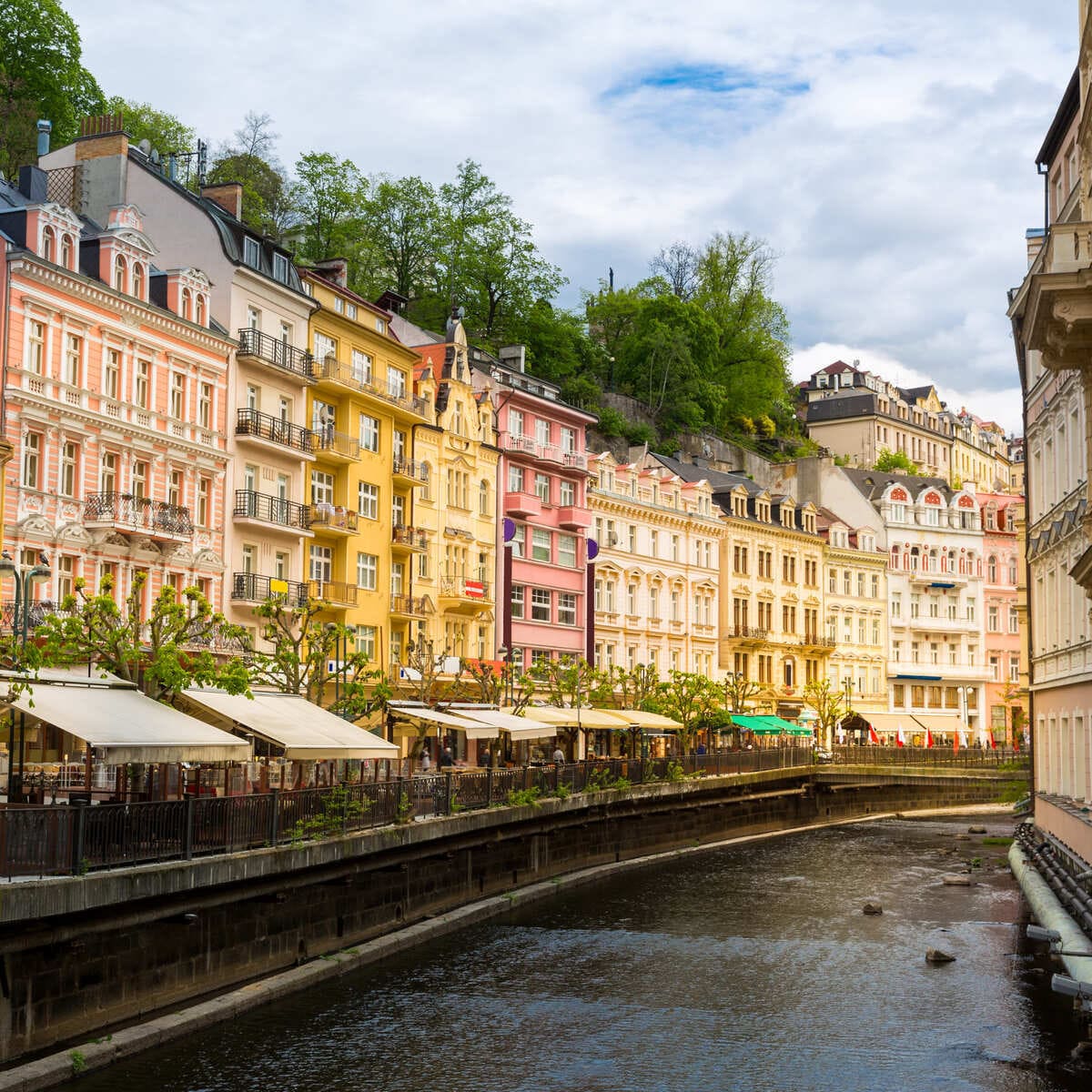
The most striking feature here are the ornate buildings, available in every pastel color you can name, and complete with decorative cornices, delicately carved pilasters and romantic window frames. You know, 19th century city building at its best.
What Real however, it was breathtaking Riverfront colonnades that are a UNESCO World Heritage Site and associated natural resources. There are more than 80 water sources in the city, and in some spas, such as Alžbětiny Lázně, temperatures can reach as high as 28°C.
Perfect for a spring bath.
Needless to say, Karlovy Vary is one noticeably different experience than Prague. None of the busy routes and endless tours: your usual day here consists of visiting various milk bars, idly admiring the impressive facades and visiting a thermal bath in the afternoon for some of that long-awaited relaxation.
Plovdiv, Bulgaria


Before we go any further, I have to tell you that Eastern Europe is not for us everyone. Yes, it can be dirt cheap, and it has arguably become a lot safer to travel in than most Western European countries, but you better know exactly where you’re putting your feet.
Bulgaria is one of those love-it-or-hate-it destinations that there’s hardly any unanimity about, even within our own Travel Off Path crew (sorry, Sam).
My colleague may not have been particularly enamored with Sofia’s graying apartment blocks and Roman ruins in need of maintenance, and to be honest, the Bulgarian capital can be a bit of a hot mess. If you’re looking for the scenic, idyllic side of Eastern Europe, go straight to Plovdiv instead:


It is a smaller city with a relatively rich history, but also has a picture-perfect Old Town, with many cobbled streets to explore and traditional Bulgarian houses, which usually have a prominent upper floor with a covered balcony, and are painted in light pastel shades.
That, plus the abundance of local eateries tarator soup and Bulgarian Moussaka for under $10 should be enough to appease both the culture vulture and foodie living inside you, but wait until you see Plovdiv’s magnum opus:
Located on one of the city’s seven hills, the Roman theater from the 2nd century is one of Bulgaria’s best-preserved historical monuments: built of marble, and with an orchestra and stage set still standing, it feels like its own time capsule.
Budva, Montenegro


The Balkan mania is not over yet. If you love the sun and good beach time, and exploring Roman ruins doesn’t really get your heart pumping, then there’s always laid-back Budva in the tiny coastal state of Montenegro to save your spring.
It sits on a jagged peninsula, with Venetian-built walls licked by a turquoise Adriatic Sea, and Romanesque belfries rising above a maze of tiled stone houses. how we imagine Dubrovnik in Croatia for Game of Thrones ruined it for everyone else.
Major attractions include the Citadel, the city’s main fortress old Church of St. John, originally built in the 7th century, and for beach lovers you will want to visit the beaches of Mogren and Slovenska.


Both are pebble beaches along the crystal clear waters of the Adriatic Sea, and because Budva is located in a sheltered bay, the The seas rarely become rough or cooled by cold currents. It’s simply one of the best places in Montenegro for swimming and sunbathing if you ask me.
Plus it’s half the crowds you’d get in a now spoiled Kotor.
By the way, if you’re looking for the best pasta in town, visit the Trattoria Basilica, just a few steps from St. Ivan’s Church. You know, the prominent bell tower that you can’t miss wherever you go in the medieval maze? That one.
Take a seat at one of the street-side tables overlooking the pedestrian street, order a glass of local Montenegrin wine and enjoy your €15 seafood linguini slowly. This is how you know that you have reached a pinnacle in your life.
Bardejov, Slovakia
Look, I haven’t been particularly kind to Bratislava, the capital of Slovakia, although I have my reasons for that.
Being a 45-minute train ride away, it’s simply too close to Imperial Vienna to leave a truly lasting impression. It’s hardly a place you’d want to linger for more than a few hours, especially after seeing the main sights, and overall it’s too small a city to revisit.
That doesn’t mean you should give Slovakia a chance country a miss, especially if it lays claim to what might be the typical European medieval town:
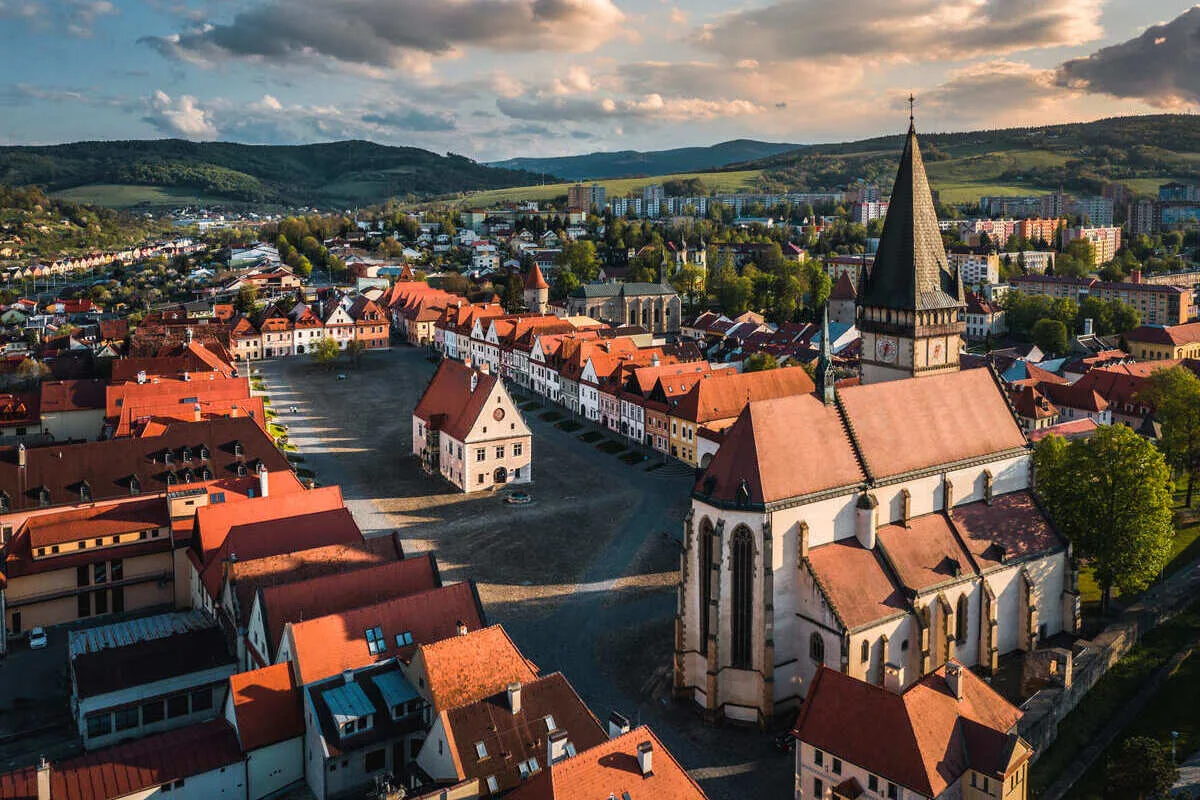
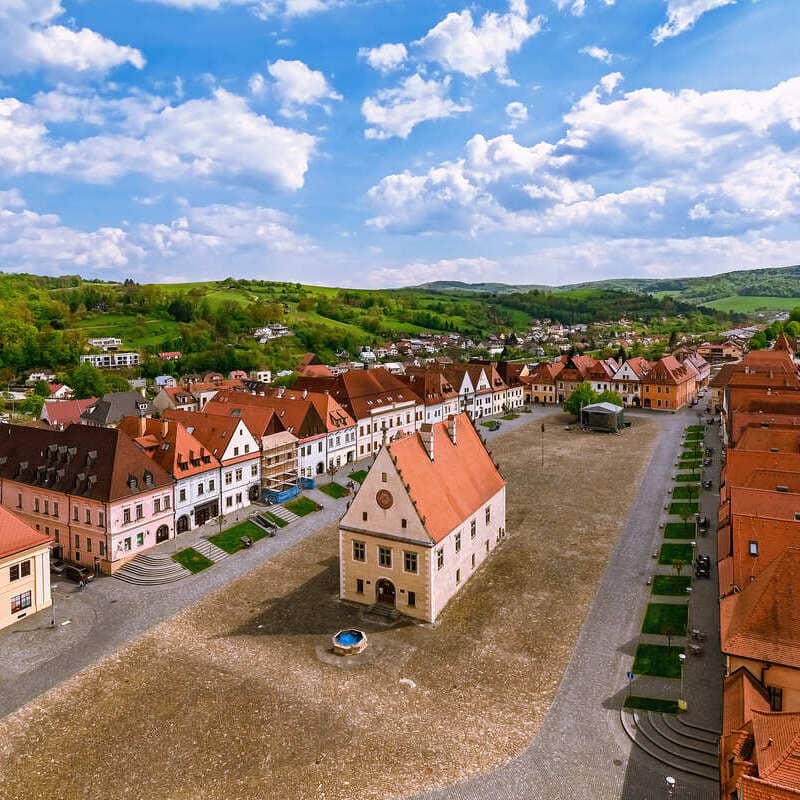
Nestled in the green hills of northeastern Slovakia, Bardejov is a UNESCO World Heritage gem, with a permanent population of around 32,000, very limited tourism and the kind of fairytale historic center that would make Walt Disney himself drop his sketchbook.
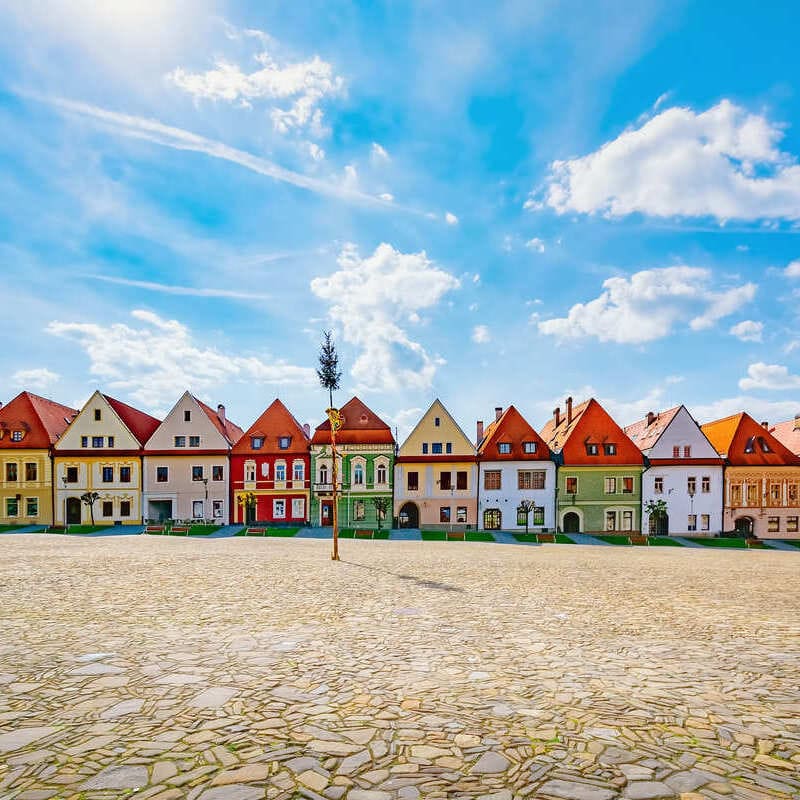
I mean, just look at this beautiful old town square: with a lonely, gothic character Radnica (City Hall), right in the middle of a rectangular square with cobblestones, surrounded by the cutest, colorful civilian housesit is storybook through and through.
The Basilica of St. Giles dates from the 14th century and is located on the north side of the square. The intricate frescoes and solemn interior are definitely worth a look.
On the edge of the old town you can explore old medieval gates, towers and bastions that have been preserved into modern times, and when you fancy Slavic food, the kind that is served in large portions and won’t hurt your wallet, Restauracia Dolina is the place to go.

Subscribe to our latest posts
Enter your email address to subscribe to the latest Travel Off Path breaking travel news, delivered straight to your inbox.


