

Share the article
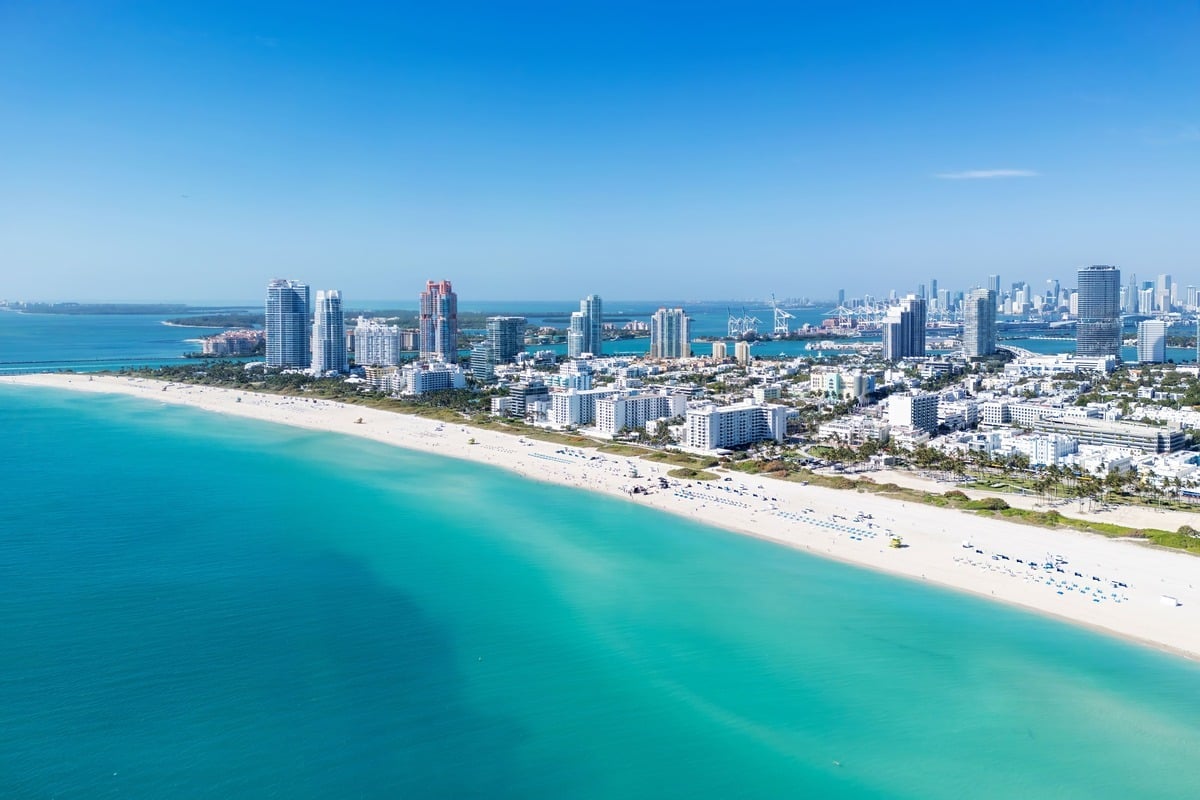
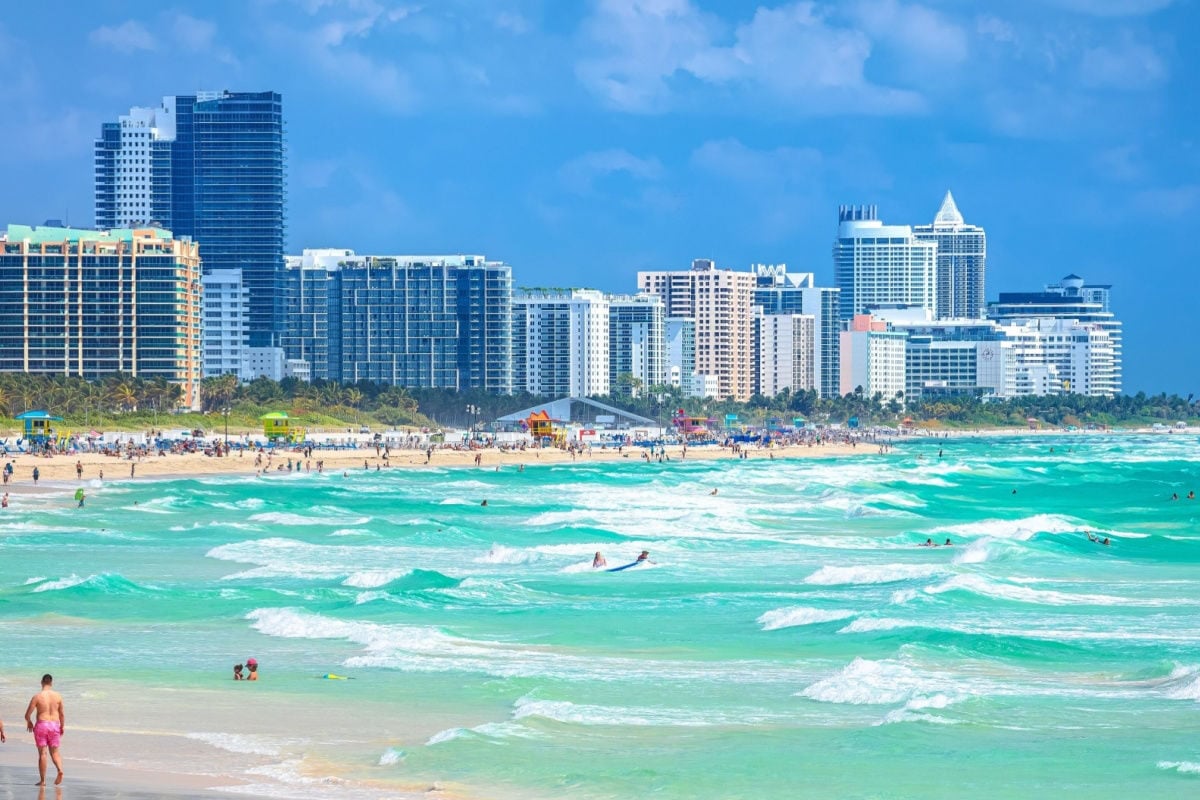
A world-class beach destination and the closest cultural crossroads between the US and Latin America, Miami doesn’t just overachieve breaking a tourism recordS.
Last year Greater Miami and Miami Beach received more than 28.3 million visitorsAnd with visitor spending and economic impact of $32.2 billion, the highest figures since records began, it’s safe to say the Florida hub has never been more in demand than it is today.
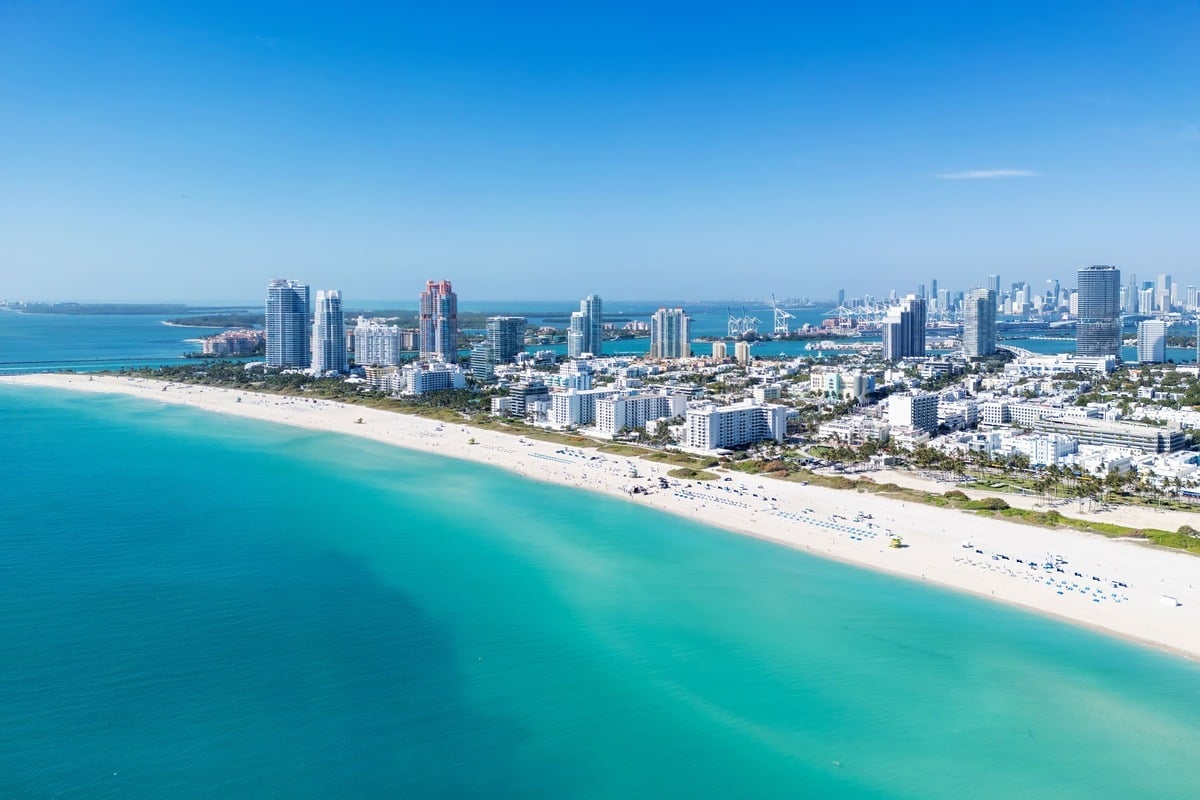
With that one figures is expected to increase further in 2026, we are not just looking at a boom, but a full takeover.
The question is… why has this tried-and-tested sun-and-sand destination, which has been drawing crowds for decades, suddenly surged even further in popularity?
We don’t have one, but 5 reasons why:
The land of eternal summer
For starters, Miami doesn’t experience seasonal fluctuations like most of the US: you probably know that the climate is warmer all year round, and the fact that the temperature rarely drops below 64.4°Feven in winter, makes it an excellent destination for sun worshipers.
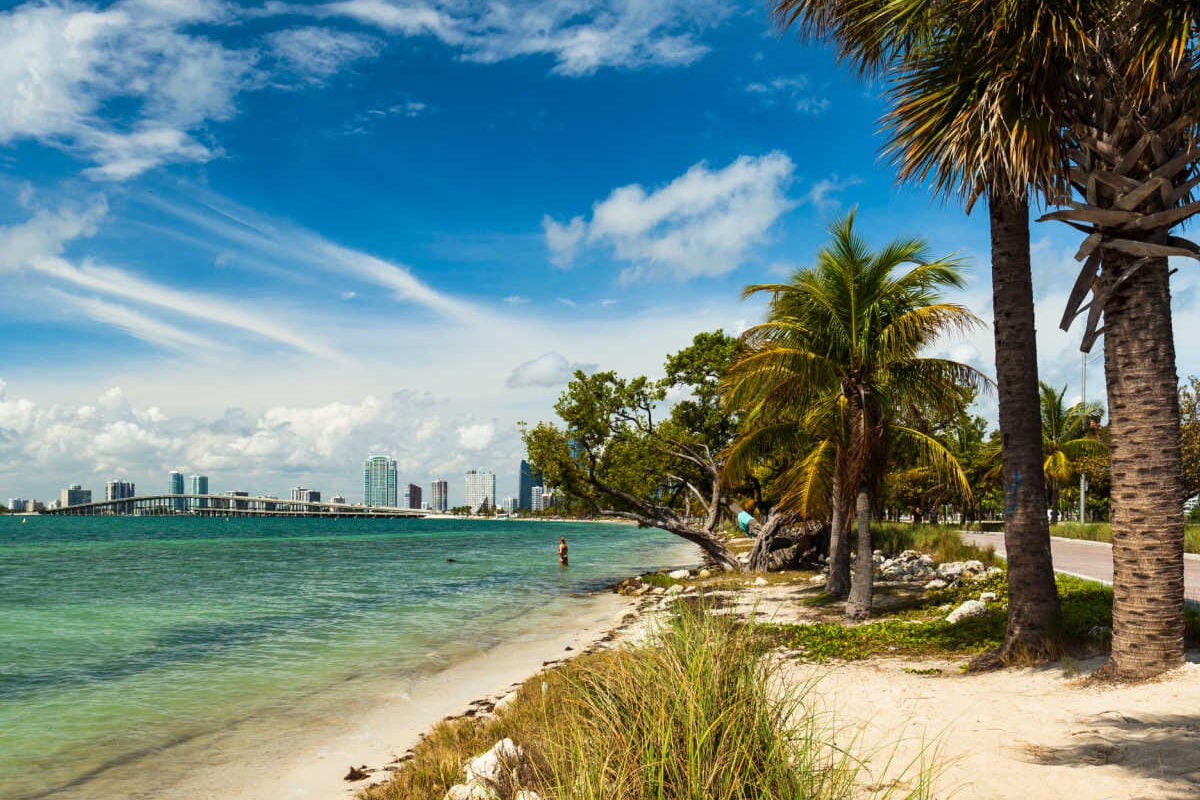
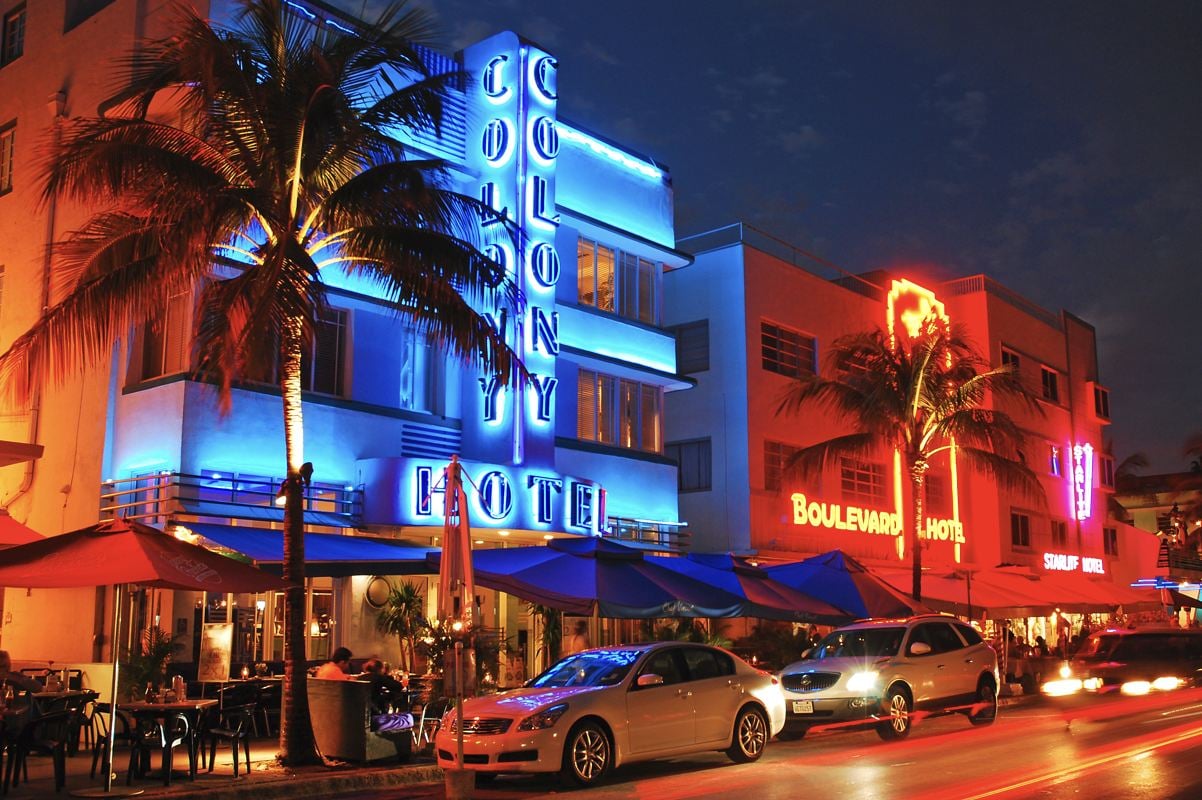
Miami’s hotels, restaurants and attractions generally generate almost non-stop business, with tourists flocking to white-sand Miami Beach and bar-lined Ocean Drive no matter the time of year.
Granted, the city still has busy and quiet periods, but tourism is much more evenly distributed than in places that depend on one high season. No matter when you go to Miami, you are guaranteed warm weather and… full-fledged Miami experience:
There is no ‘seasonal’ closure of dance clubs and beach bars, and resorts remain operational 24 hours a day.
You might not want to be there during hurricane season or mid-August when the humidity makes you feel like you’re melting, but in short, Miami is a reliable destination all year round.
Latin culture without taking out the passport
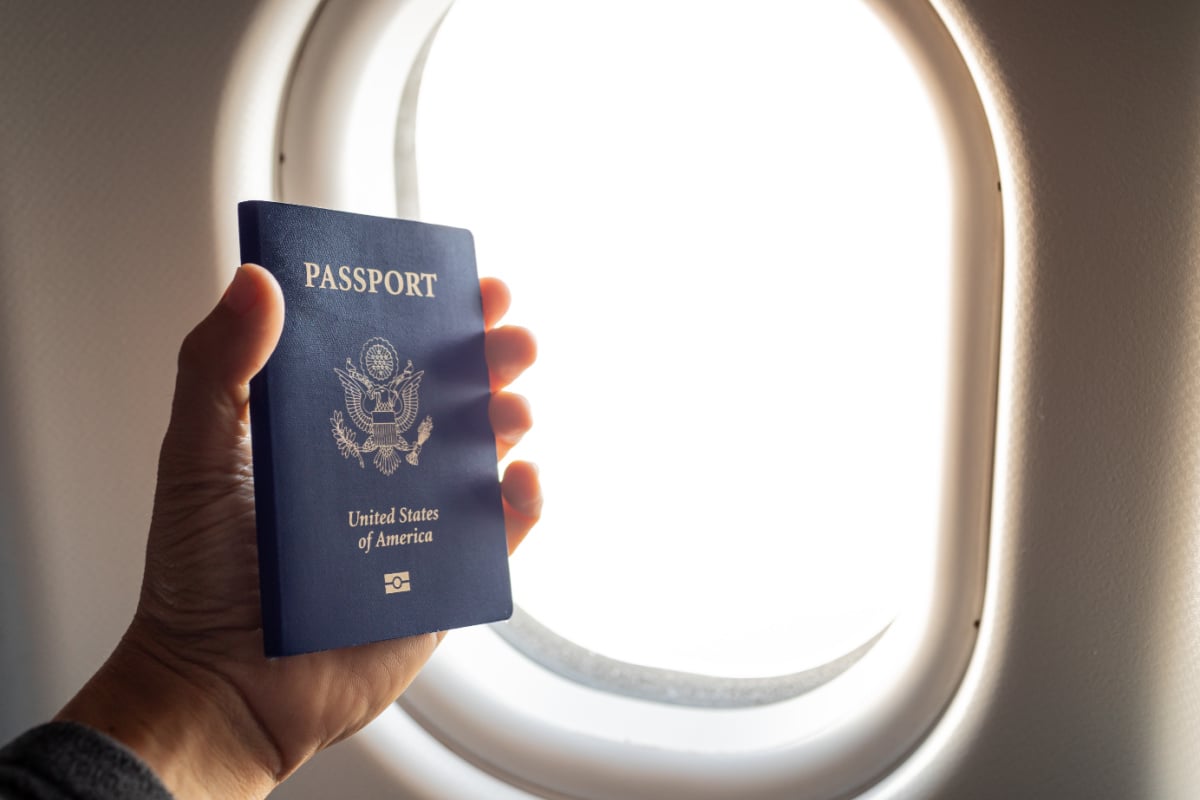
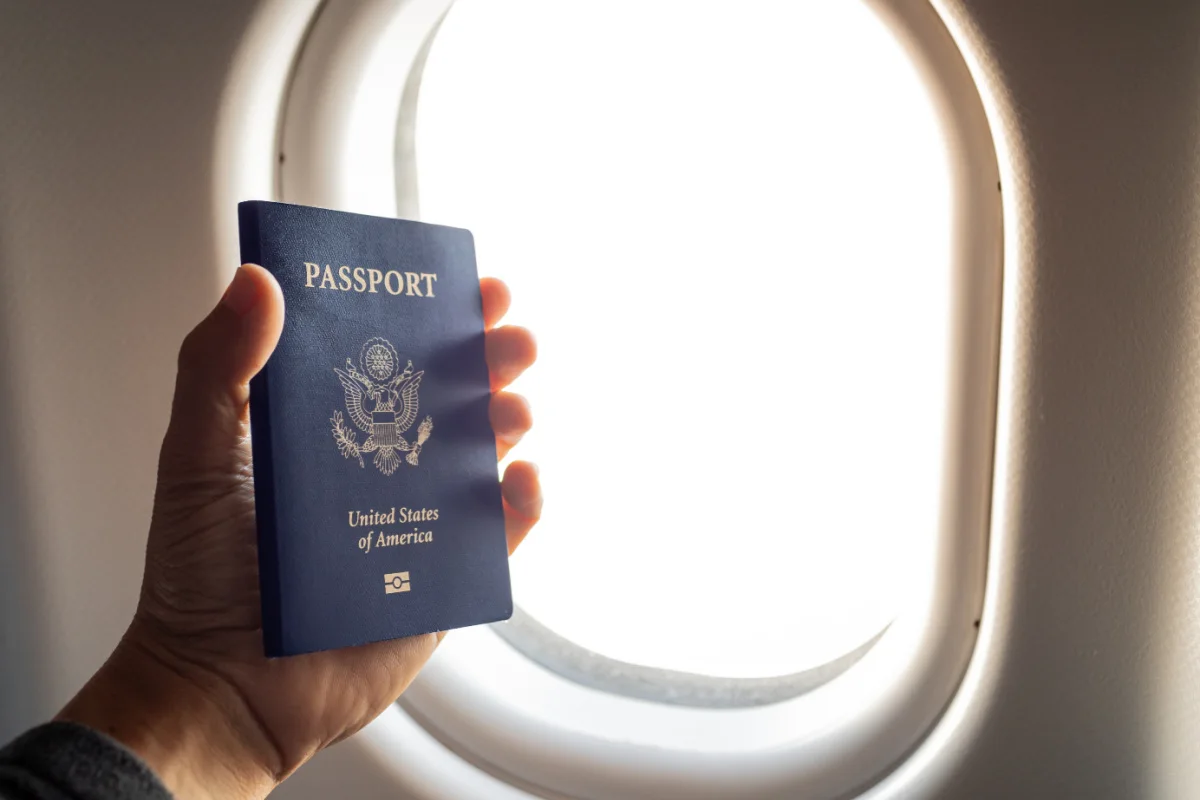
Miami is also the closest the US gets to experiencing Latin American culture without having to dust off your passport. Oh, and without flying all the way to Puerto Rico, of course.
If you’d like to practice your half-remembered Spanish from 8th grade, you can speak only Spanish for entire days. Latin music is not a niche scene limited to a few bars; it is the prevailing soundtrack, and food feels authentic because it is prepared by people from the countries themselves.
In other words, no shortcuts, no cuts, no right sauce. Some even say Cuban food is better in Little Havana than in Havana itselfbecause…ahem…the Cubans who live there actually have access to necessary ingredients that they wouldn’t be able to obtain at home.
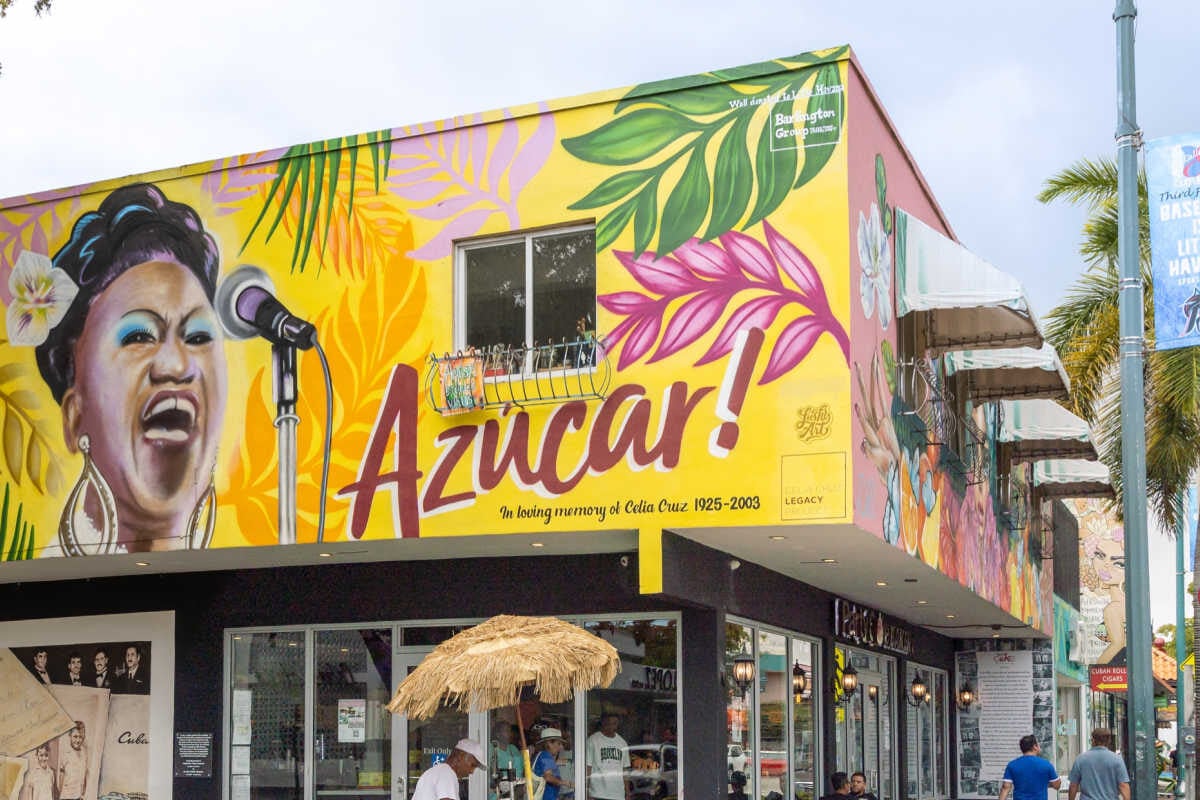
Of course, social norms, family dynamics, and business relationships often feel more Latin American than quintessentially American, giving Miami a much more immersive feel.
However, if you’re craving that amazing Cuban sandwich that’s so stuffed it can barely fit in your mouth, skip the overtoured Versailles and head instead to Sanguich de Miami, right on Calle Ocho. Cheaper, less touristy, frequented by the locals themselves, and arguably much tastier.
Miami is relatively safe for tourism
Miami may have a huge cultural overlap with the lower half of the hemisphere, but in terms of safety levels, it is much safer than major cities in Latin American countries that experience high violent crime rates, such as Rio or Medellín.
For typical tourist transit areas like Brickell, Coral Gables, Coconut Grove or many parts of Miami Beach, the biggest daily concerns tend to be reckless driving, nightlife incidents and… hmm, the occasional ICE raid?
Of course, as a US citizen or someone legally present in America, you don’t have to worry about anything.
The tourist side of Miami is pretty chill, but that doesn’t mean the whole city is completely risk-free. Car break-ins and thefts still affect the less affluent suburbs, with occasional incidents occurring in central areas, as in any major city.
As long as you use the “big city” consciousness, everything will be fine.
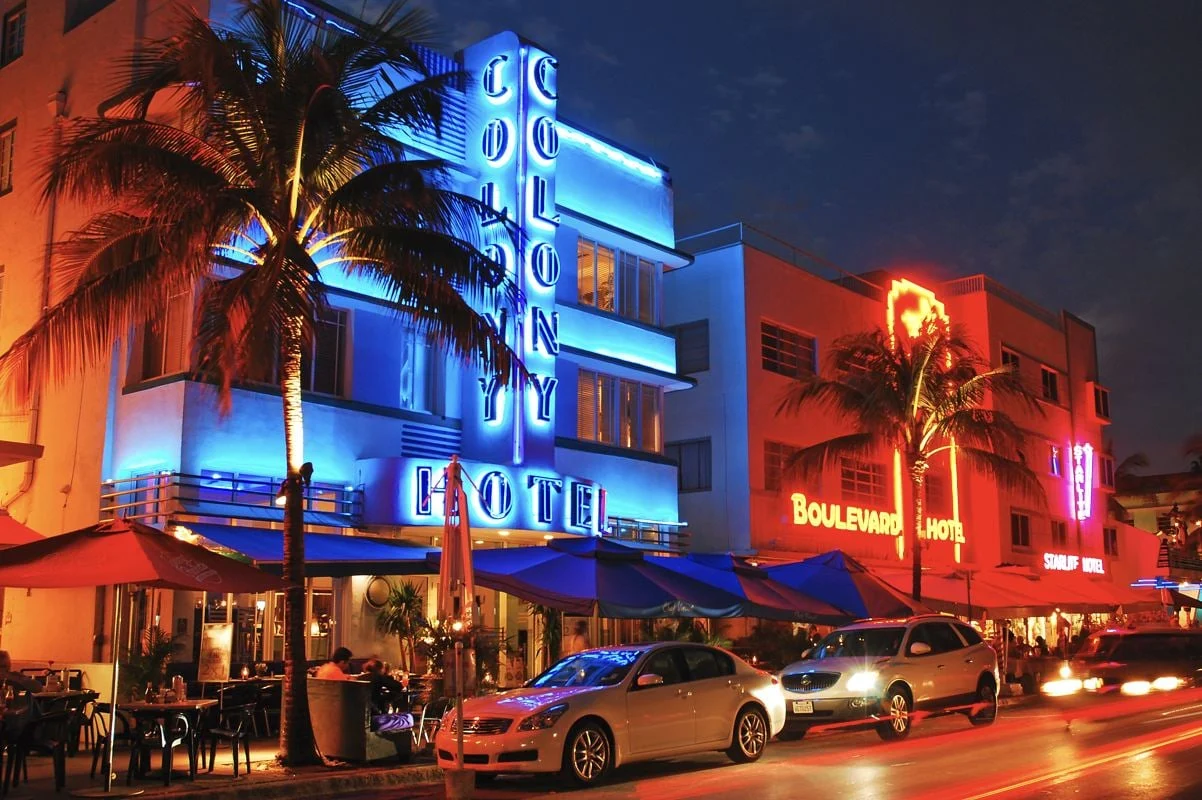
Despite the LatAm agreements, Miami is generally not a place where people worry about kidnappings, armed robbery or organized crime that affects ordinary residents in their daily lives. If we’re being honest, the cost of a Miami vacation is the troubling part.
Currently, Miami scores a pretty decent 63 out of 100 on the Travel Safety Index, meaning safety parameters in the city have been ‘increased’:
No international travel headaches
Last but not least, Miami is a domestic destination, and while it’s not exactly the cheapest option, it is is as smooth as they come.
As long as you can provide a REAL ID or something similar, as an American you don’t need a passport to get there, nor do you have to deal with the whole ordeal of planning an international trip, especially now that the global travel landscape is changing dramatically.
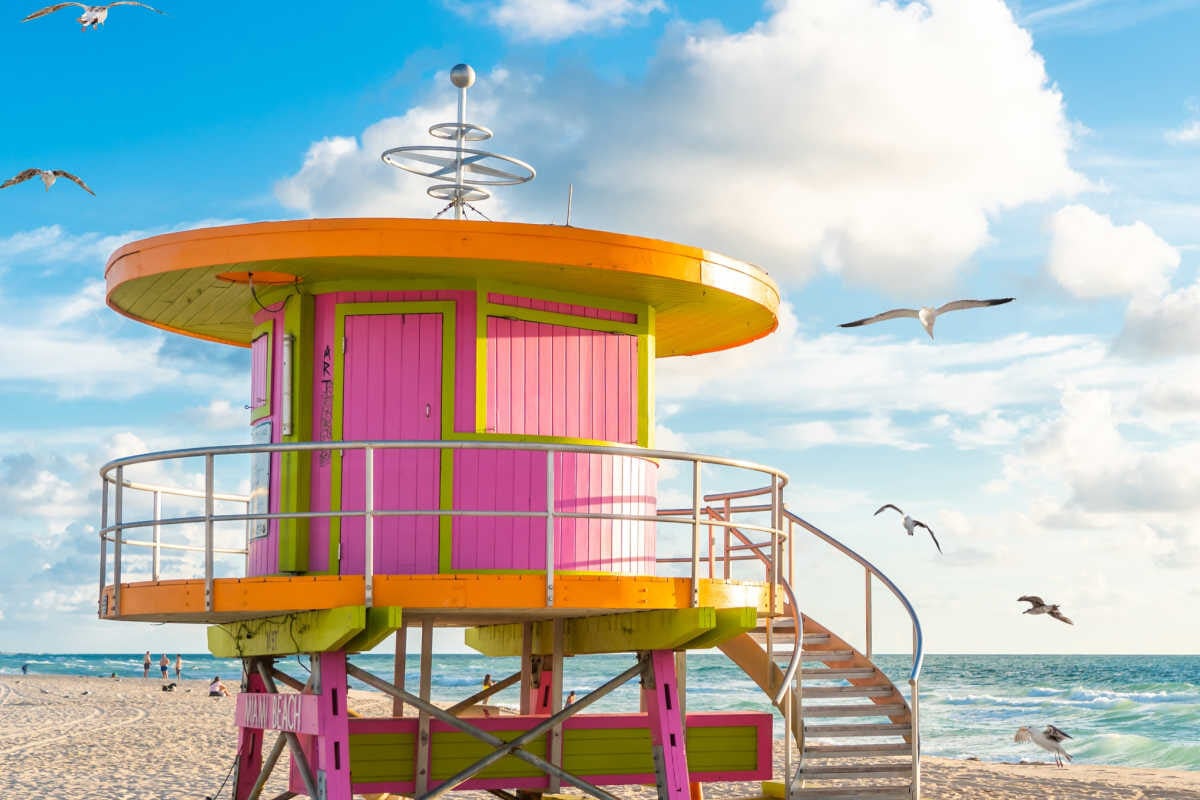
For the worse.
Before flying internationally, make sure you check the latest travel regulations for your destination via the Entry Requirement Checker.
Now that several countries are cracking down on American tourists and the global power of the navy blue passport is plummeting, Why bother at all about summers in Europe?with their pending mandatory travel permits and fingerprinting rules, when you could just head south to sun-drenched Florida instead?
Mexico is still an option, I think, but sometimes for you too not you want to deal with the whole hassle of carefully planning a trip south, even if it’s an all-inclusive, because this or that could go wrong and you need to be prepared ‘just in case’.
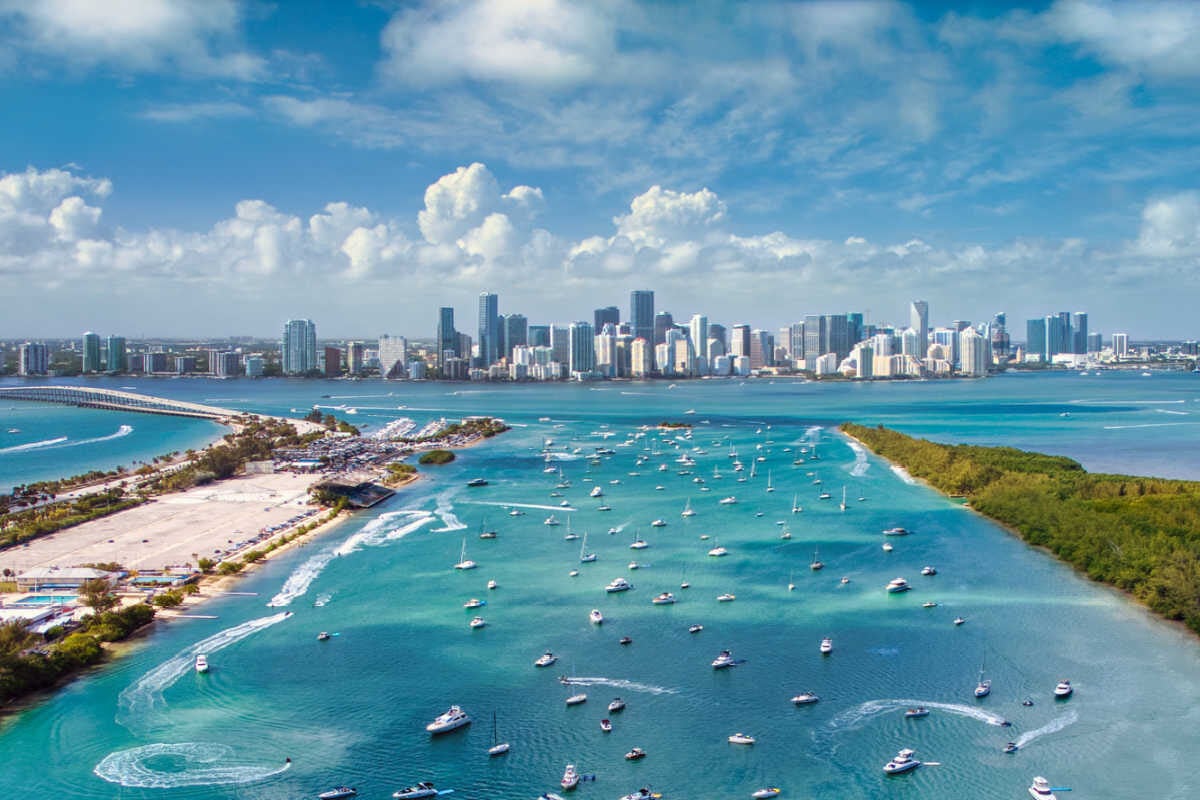
Miami is not a foreign country, and as difficult as it is to have a meaningful conversation in English with your Uber driver, it is firmly rooted in the US of A.
It just feels more familiar; it has all our favorite greasy, comforting American dishes, the most amazing Cuban canteens in the world, and the beaches are breathtaking.
Honestly, in an age where international travel seems to be getting more complicated by the day, it’s not hard to see why millions of Americans choose Miami instead.


