

Share the article
When we think about international travel, our brains often play tricks on us. We suffer from what risk analysts call “perception lag.” We anchor our ideas about a country to old movies, decades-old news cycles, or generational traumas, and we assume that those places are still active war zones or ganglands.
Honestly, the global security map has completely turned around in the past decade. Some of the most infamous countries of the 1990s and 2000s implemented large-scale, radical security overhauls.
If you look at the actual data from the US Department of State for 2026, the five countries on this list are not only safe; in many cases, their violent crime rates are mathematically lower than what you’ll find in major American or Western European cities.
Here are 5 incredible destinations that have completely left their dark histories behind them, but haven’t yet been completely overrun by mainstream tourists.
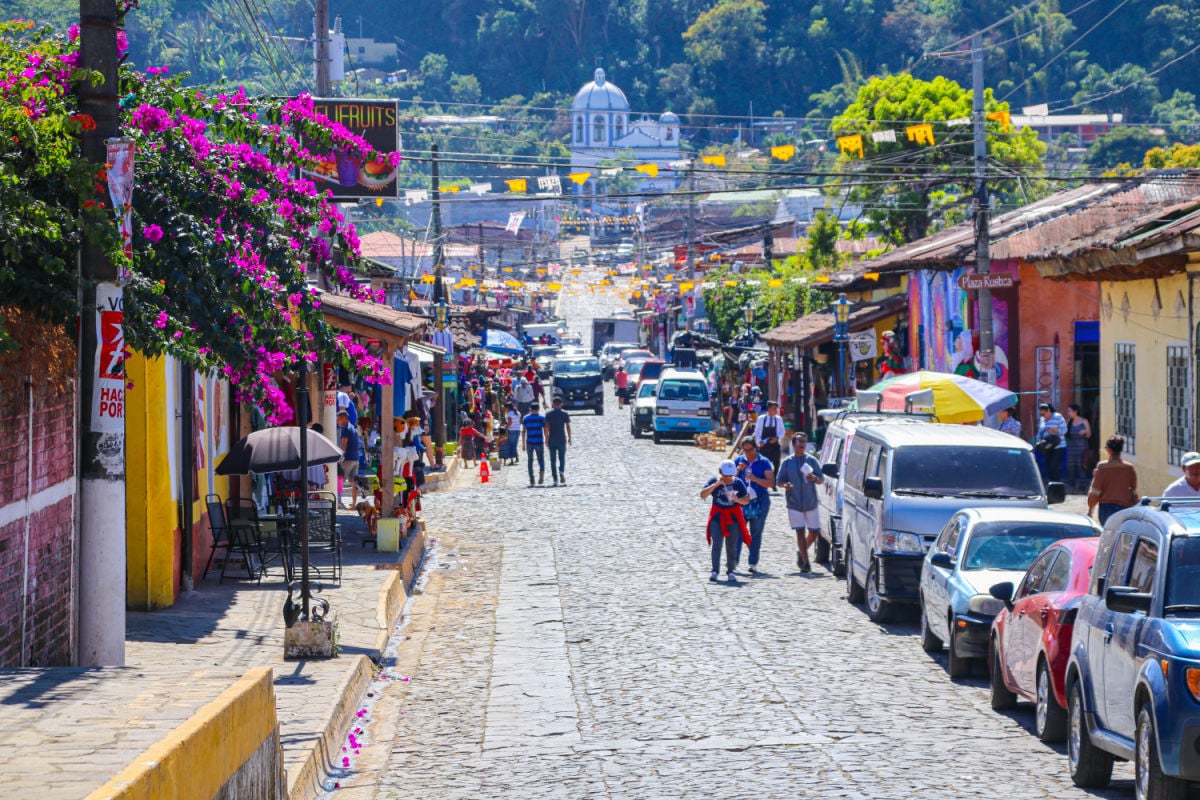
1. El Salvador
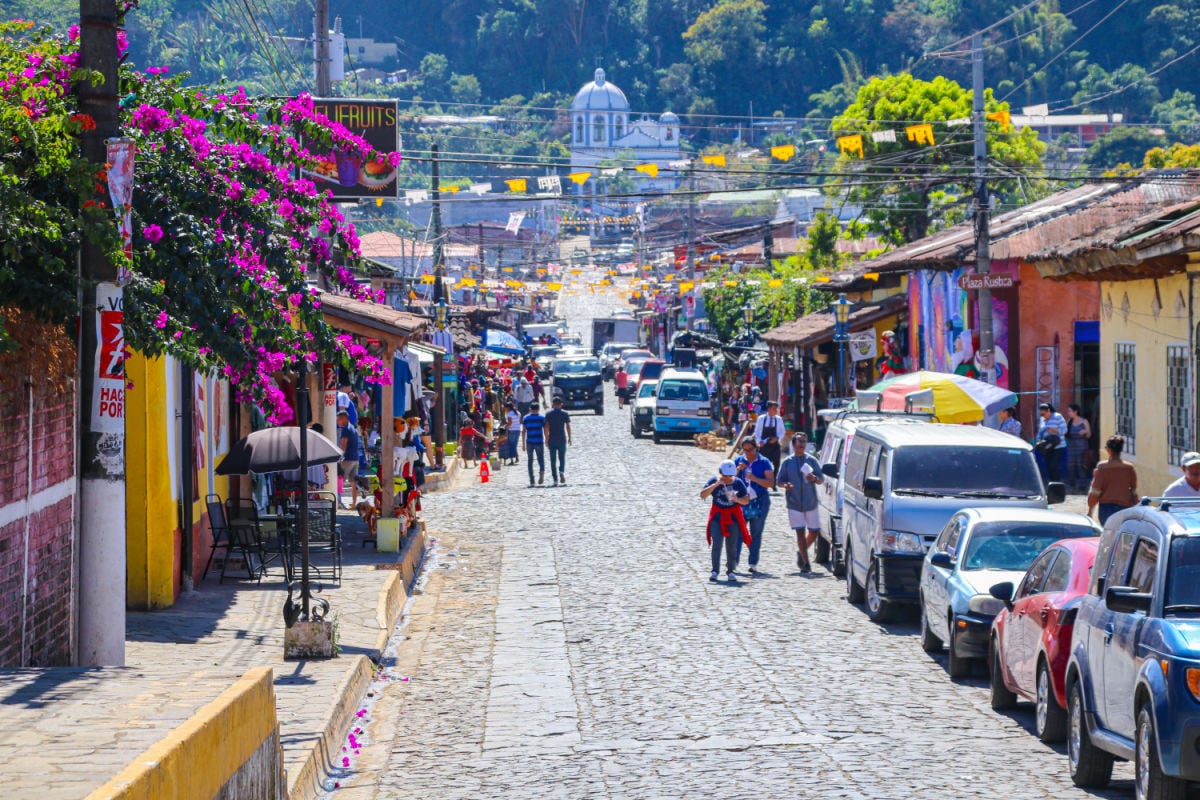
The Latin American Turnaround
If you grew up in the 90s or 2000s, El Salvador was synonymous with the murder capital of the world. But between 2019 and 2026, the country made the most dramatic security turnaround in modern history.
President Nayib Bukele introduced a controversial ‘state of exception’, imprisoning more than 100,000 gang members. The result? The number of murders fell by 98%. The US State Department now considers El Salvador one Level 1: Practice normal precautions– giving it exactly the same safety rating as Switzerland and Japan, and our own safety index based on traveler votes giving it a strong 89/100!
When I first visited it was still in transition, but all the locals I spoke to emphasized how much safer daily life was, and tourists started coming in droves. And for good reason: it is beautiful! I highly recommend visiting Mizata, the coast there is beautiful and there is even a Treehouse Resort with fantastic views of the ocean and cliffs nearby.
The atmosphere: The government has turned the entire national identity towards ‘Surf City’. The Pacific coast is booming with digital nomads, luxury surf camps and a seamless US dollar and Bitcoin economy.
The strategy: The tourist police (POLITUR) patrol heavily in safe zones such as El Tunco and El Zonte. Your biggest concern here isn’t crime; it makes sure you cover up any tattoos that could be mistaken for gang symbols to avoid hassles at military checkpoints.
2. Vietnam
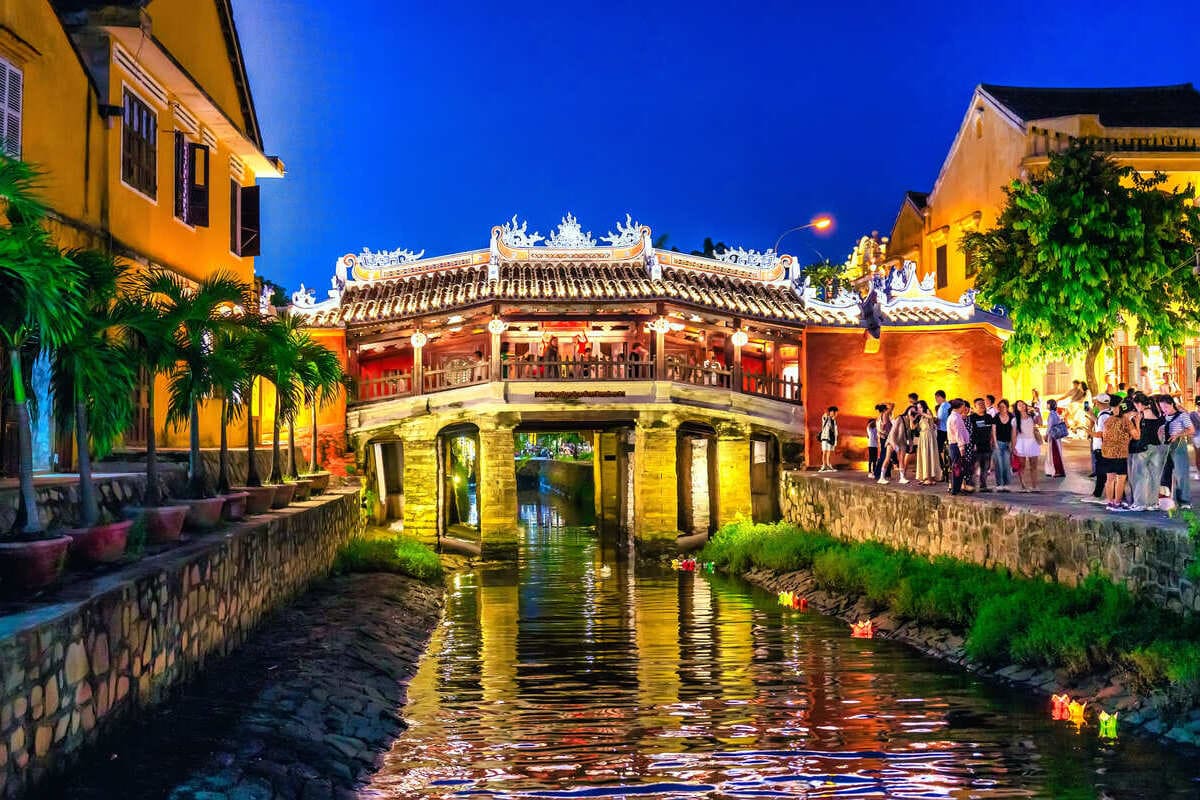
The Southeast Asian powerhouse
For older generations of Americans, the word “Vietnam” is a time capsule of the jungle warfare and ideological hostility of the 1970s. The cinematic memory of the Vietnam War makes many Americans think they will be confronted with anti-American sentiments.
The reality on the ground is exactly the opposite. Vietnam has enjoyed uninterrupted internal peace for decades. It’s one Level 1 safe destination. The population is incredibly young, deeply integrated into the global digital economy, and very welcoming to American capital and culture.
Our own safety index ranks it at 85/100. Been recently? Vote below!
The atmosphere: Vietnam has completely shattered its tourism records, attracting over 21 million visitors in 2025. It is an energetic, culinary paradise where violent crimes against foreigners are statistically microscopic.
The strategy: The country recently expanded its e-visa program to allow for 90-day stays with multiple entries. Go to Hanoi or Ho Chi Minh City. Your only real physical threat is figuring out how to successfully cross the street among the chaotic, massive swarms of motorcycles.
3. Rwanda
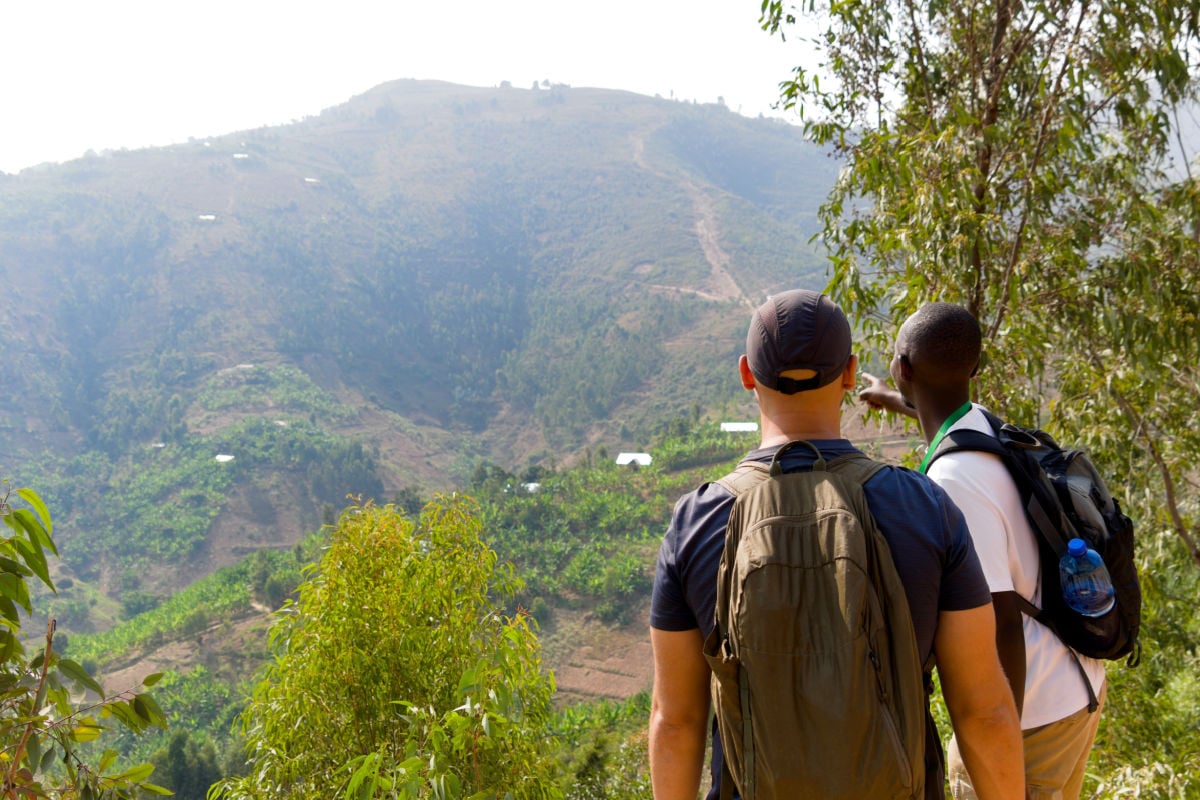
The ‘Singapore of Africa’
When Americans hear “Rwanda,” they immediately think of 1994 and the horrific genocide. Tragically, keeping the country frozen that year ignores the fact that modern Rwanda is empirically one of the safest and cleanest countries on the entire African continent.
The capital, Kigali, is spotless and operates with a level of strict, centralized order that has it constantly compared to Singapore. The US State Department is holding it up Level 2but read the small print: caution is required only due to the unstable border it shares with the Democratic Republic of Congo. The interior of Rwanda is carefully secured.
The atmosphere: Rwanda does not want cheap mass tourism. They have developed a highly lucrative, luxury ecotourism model with conservation at its core.
The strategy: You come here for one main reason: to walk with endangered mountain gorillas in Volcanoes National Park. It is a highly regulated, exclusive and extremely safe bucket list experience.
4. Georgia

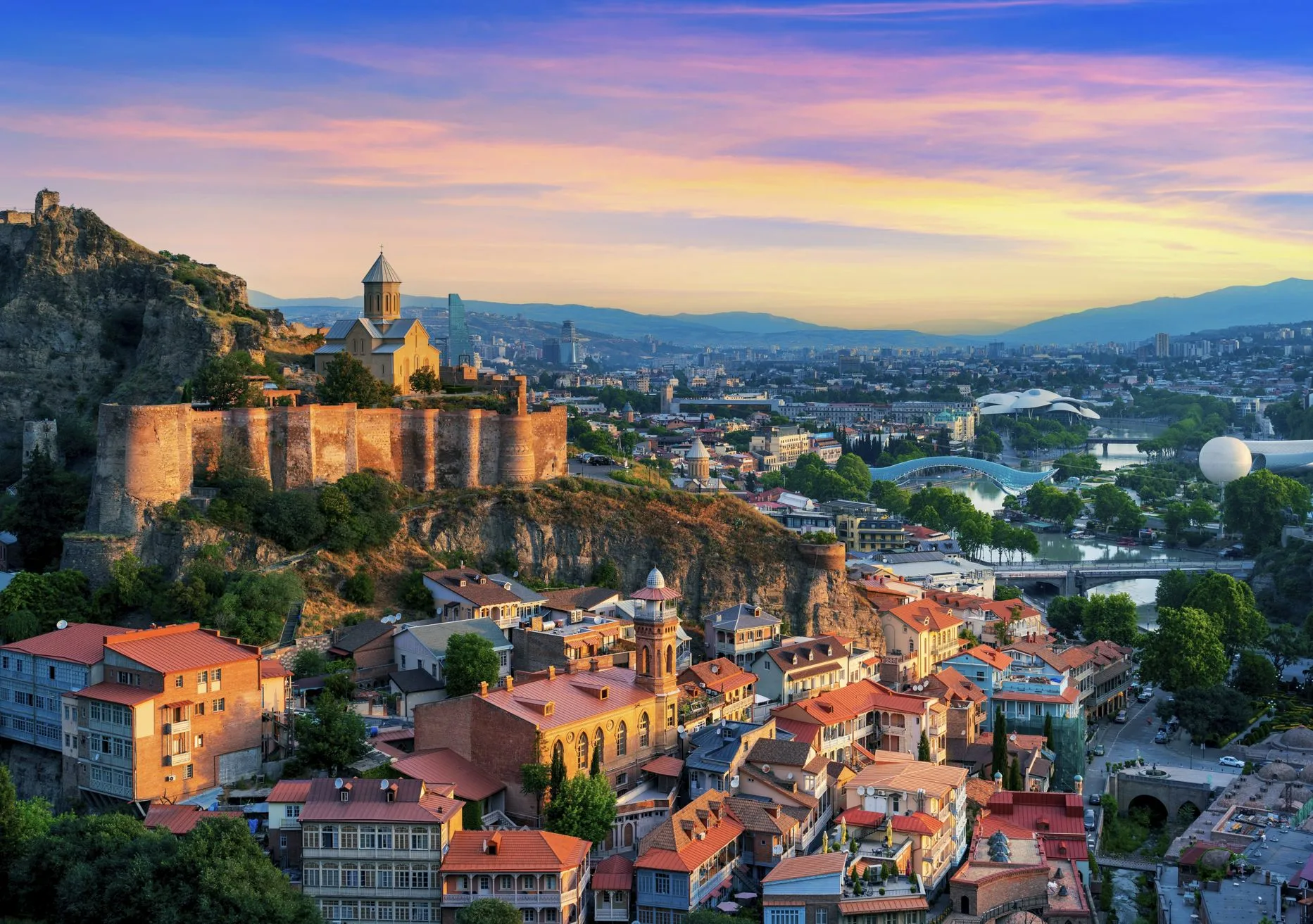
The gem of the Caucasus
Located at the crossroads of Eastern Europe and Western Asia, Georgia carries the stigma of a turbulent post-Soviet collapse and a brief 2008 war with Russia.
But in 2003, the Georgian government did something radical: it fired the entire, deeply corrupt traffic police overnight and rebuilt a Western-style law enforcement agency. Today, Georgia routinely ranks among the top 20 safest countries in the world. It’s one Level 1 destination (just stay away from the Russian-occupied breakaway territories of Abkhazia and South Ossetia).
The atmosphere: Georgians culturally regard guests as ‘gifts from God’, and the hospitality is famously intense. Even if local political protests take place in the capital Tbilisi, they are strictly domestic and do not pose any threat to tourists.
The strategy: Drink the wine (they claim to have invented viticulture), hike the spectacular Caucasus Mountains and enjoy world-class European safety at a fraction of the cost.
5. Aruba
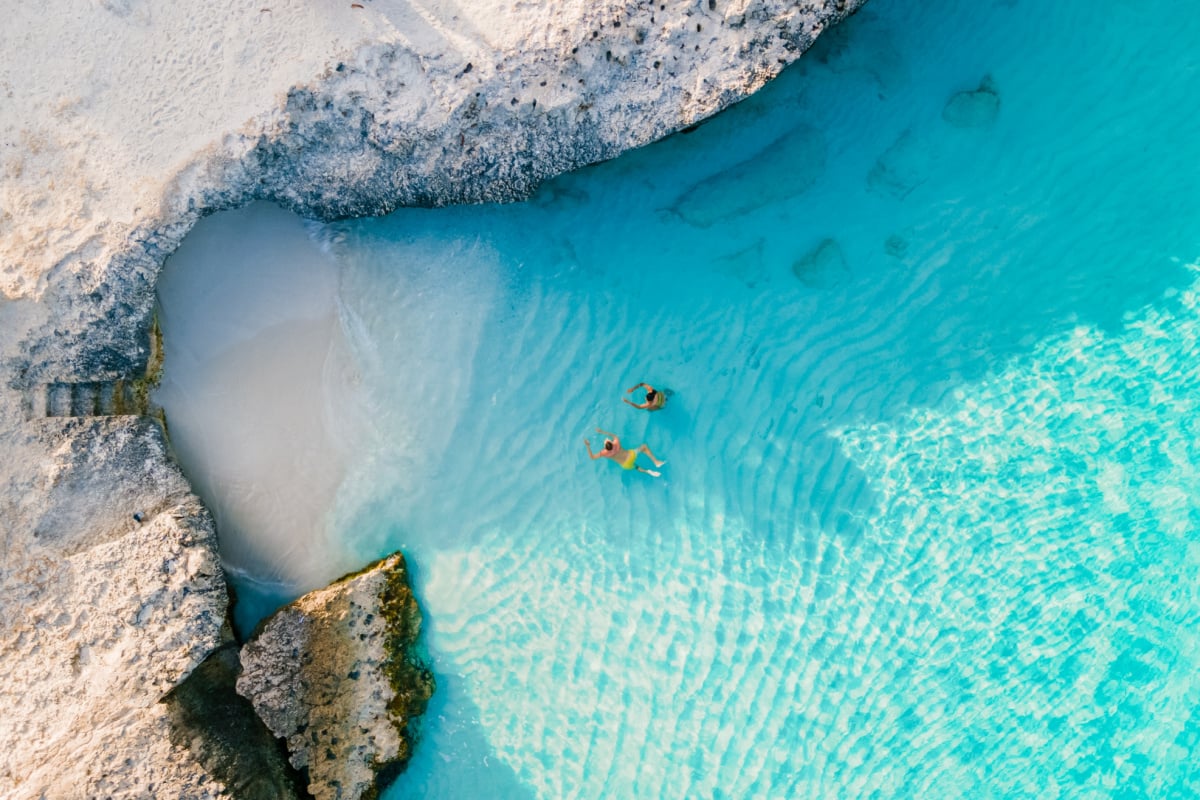
The Dutch Fort
Whenever I introduce Aruba to travelers, I almost inevitably hear someone bring up a highly publicized 2005 kidnapping case. It was a truly terrible, heartbreaking tragedy, and I can completely empathize with why that particular event has been seared into American memory.
However, anchoring the safety profile of an entire island to a single isolated incident from twenty years ago paints a wildly inaccurate picture of its current destiny. The empirical reality is that Aruba is literally one of the safest Caribbean islands you can visit in 2026.
I’ve been there several times and every time I visit, I feel completely comfortable walking around alone around 2am. It really is ‘One Happy Island’ and you will feel like you can completely relax here.
The atmosphere: Aruba operates under a strict Dutch legal framework with a highly professional police force and zero tolerance for systemic crime. The U.S. Department of State consistently considers it one Level 1 destination. It feels incredibly organized, and because it’s completely outside the hurricane belt, it’s also meteorologically safe.
The strategy: You don’t have to stay cooped up in an all-inclusive resort here. Rent a car, navigate the European-style roundabouts and drive yourself to the rugged north coast or to Eagle Beach. Your biggest risk is forgetting to reapply sunscreen (trust me).
Take this quiz now to find out which outing suits your travel style perfectly!


