


Share the article
We all know the ‘Gringo Trail’. You land in Lima, go to Cusco, take the selfie at Machu Picchu, fly to Rio for a caipirinha and maybe go to the Iguazu Falls.
That route is a classic for good reason, and absolutely worth it. But if we are honest? It can be busy. You share those moments with thousands of other people and a lot of selfie sticks.
The real South Americathe one that actually changes you, is found in the more difficult to reach places. It screens out the regular tourists and leaves the good stuff to the rest of us.
Here are 5 South American destinations that are totally worth the logistical headache.

1. The Chachapoyas Region (Peru)
The “Anti-Machu Picchu”
Everyone heads south to Cusco. The smart move is to head north.
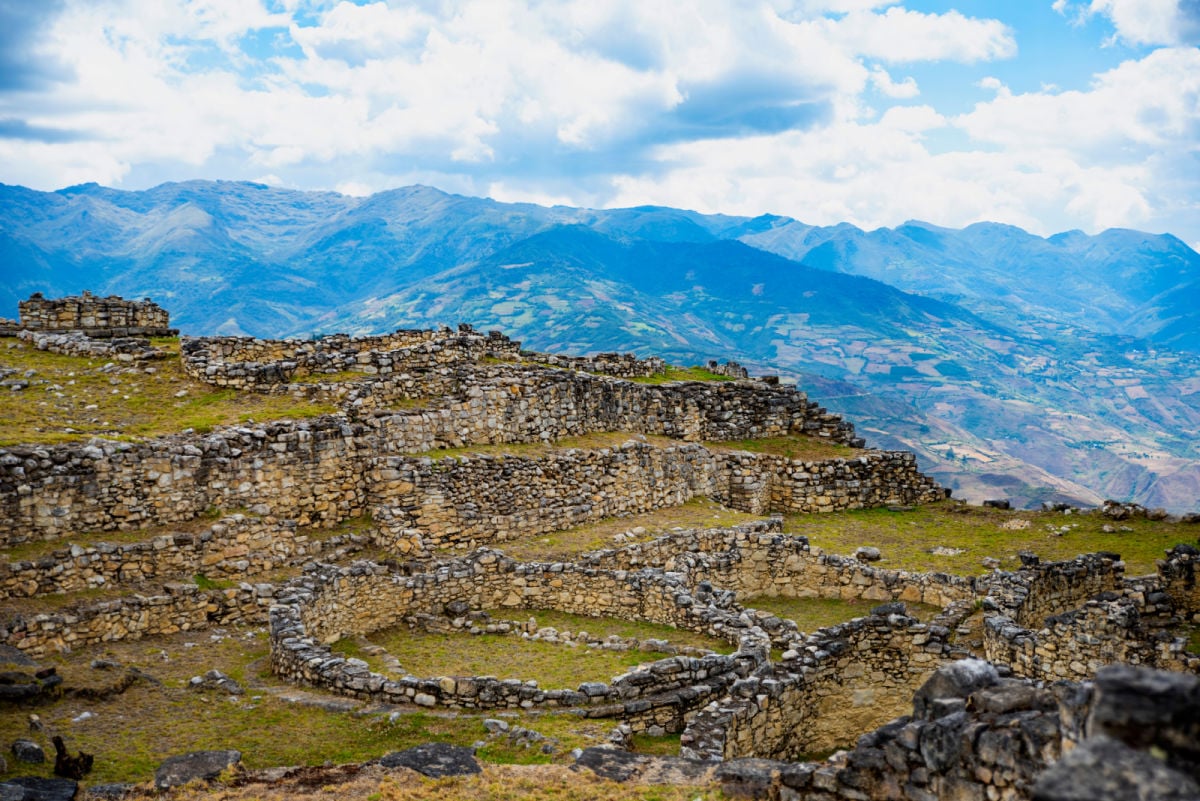
The Amazonas region is home to the ‘Cloud Warriors’. While the Incas were building in the valleys, these guys were building huge forts on top of mountains in the high jungle. It feels like Indiana Jones before the theme park ride was built.
The trap: Getting ‘Machu Picchu fatigue’. You spend thousands of dollars to visit the Inca citadel, only to be herded through a one-way circuit with guards blowing whistles if you stop for too long.
The reality: Kuelap. It is older than Machu Picchu, higher than Machu Picchu and contains more stones than the Great Pyramid of Giza. And it is often shrouded in mist and empty.
The strategy:
- The cable car hack: It used to be a tough ride to reach Kuélap. Now there is a modern cable car. Take it. It turns a 90 minute nightmare into a 20 minute flight over the valley.
- The waterfall walk: You have to walk there Gocta Waterfalls. It is one of the highest in the world (771 meters). The view is great, but the feeling of the spray after a humid 6 km trek through the jungle is the real reward.
- The mummies: Visit the Leymebamba Museum. It houses more than 200 mummies rescued from looters. Seeing their preserved facial expressions is terrifying and something you won’t see in the South.
2. Lençóis Maranhenses (Brazil)
The water desert
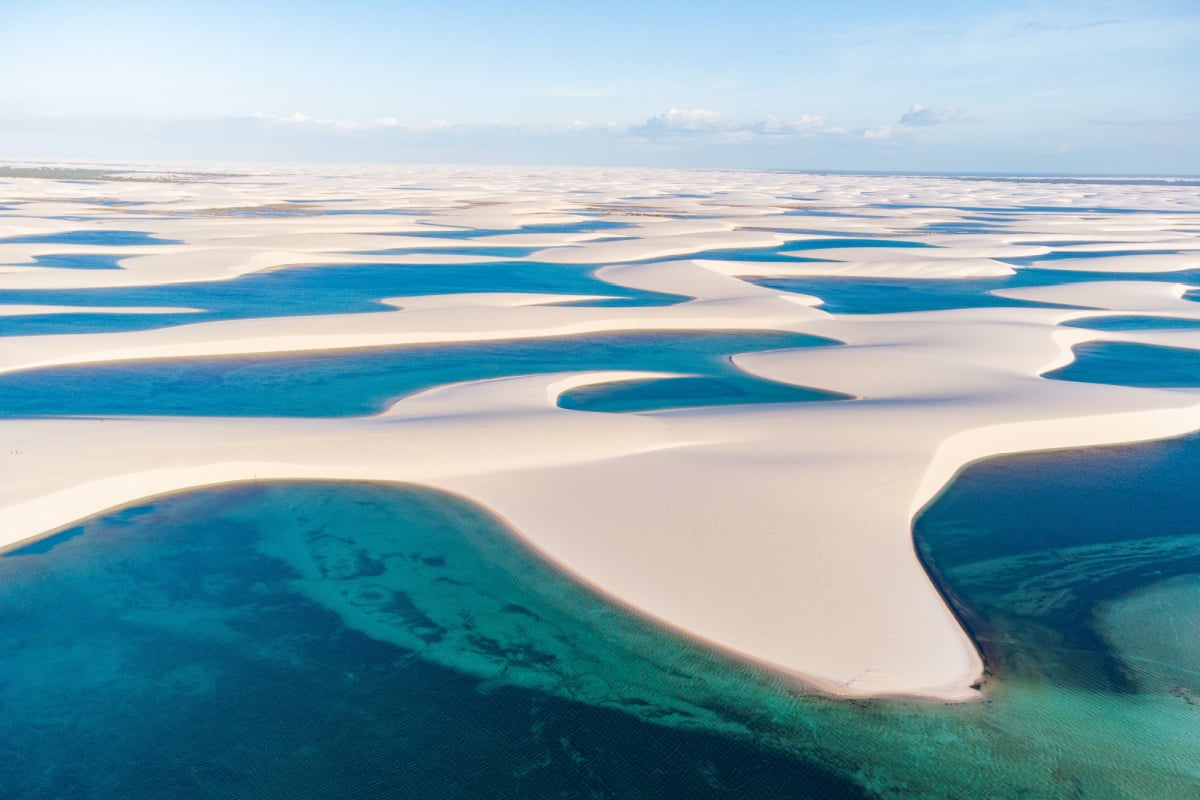
This place breaks your brain. It looks like CGI.
Imagine the Sahara Desert, but dump thousands of crystal clear freshwater lagoons between the dunes. It is a geological anomaly that should not exist. You roll down a hot sand dune and splash in cool, fresh water. It’s pure joy.
The trap: Seasonality. This is not an all year round destination. The lagoons are formed by rain. If you go in October the water is gone and you just flew into the middle of nowhere to see a pile of sand.
The reality: You have to hit the window: June to August.
The strategy:
- Skipping Barreirinhas: Most tourists stay in the main hub, Barreirinhas. Don’t. It is commercial and far from the best dunes.
- Go to Santo Amaro: This is an insider movement. It used to be impossible to get there, but a new bridge has opened it up. It is closer to the park, the lagoons are larger and you can practically walk from the city into the dunes.
- The sunset ritual: You’re not just watching the sunset; you see how the light changes the color of the water from blue to turquoise to black. It is the best photo opportunity in Brazil.
3. Barichara (Colombia)
The architecture of silence
If you’ve been to Colombia, you probably went to Salento for the coffee and wax palms. Salento is beautiful, but it has become a backpacker theme park.
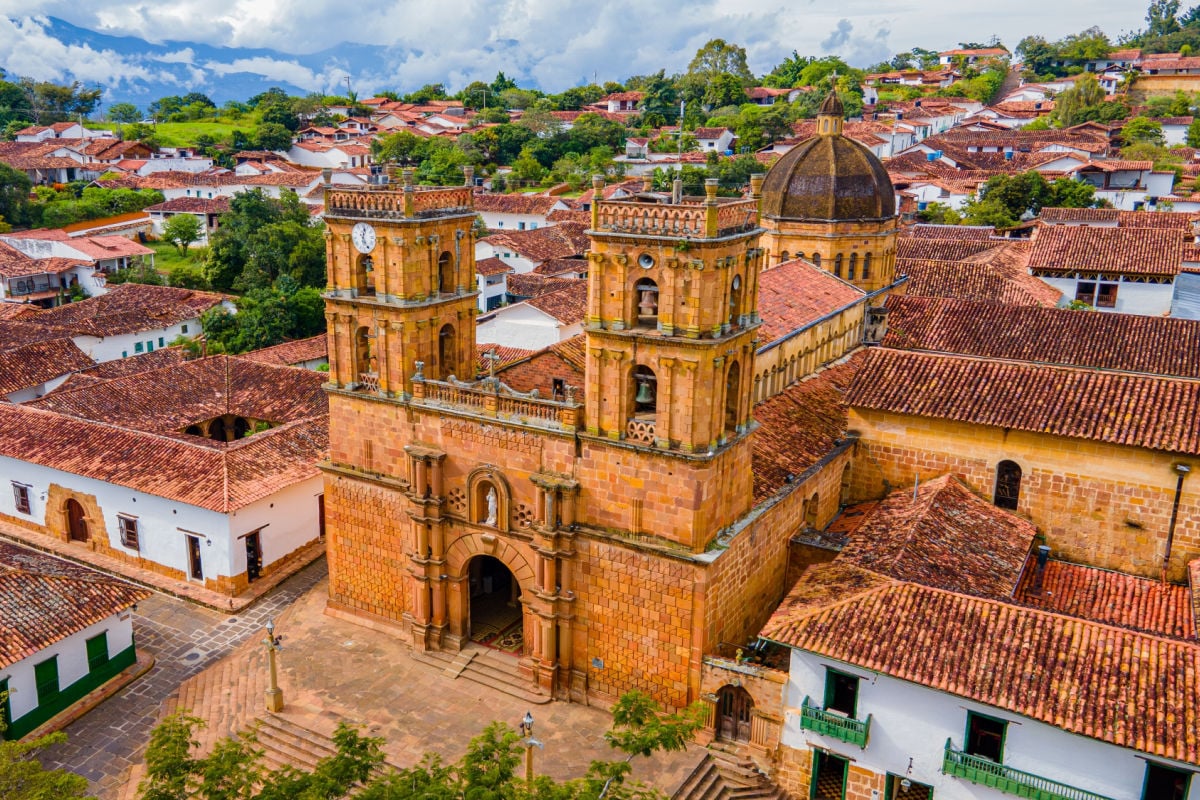
Barichara is the antidote. Located on the edge of a gorge in Santander, it is built entirely of local yellow stone. It is monochromatic, silent and stunningly preserved.
The trap: Thinking you need ‘activities’ to have a good trip. Barichara has no nightlife. There’s no adrenaline in it.
The reality: It is not without reason that it is the “most beautiful city in Colombia”. The activity is the silence.
The strategy:
- The real Camino: Wake up at 7am to beat the heat and do the hike Camino Real. It is a pre-Columbian stone path that runs downhill to the small village Guan.
- The reward: When you arrive in Guane (which is even sleepier than Barichara), find the kiosk in the main square and order a Sabajon. It is a goat’s milk liqueur. It sounds strange, but after a four-mile walk it tastes like victory.
- Logistics: Don’t fly to Bogota. Fly to Bucaramanga and take the transfer through the gorge. It filters out 90% of tourists.
4. The Marble Caves (Chile)
The Glacier Cathedral
Patagonia is known for its mountains (Torres del Paine), but the Carretera Austral (Route 7) is known for the road trip itself.
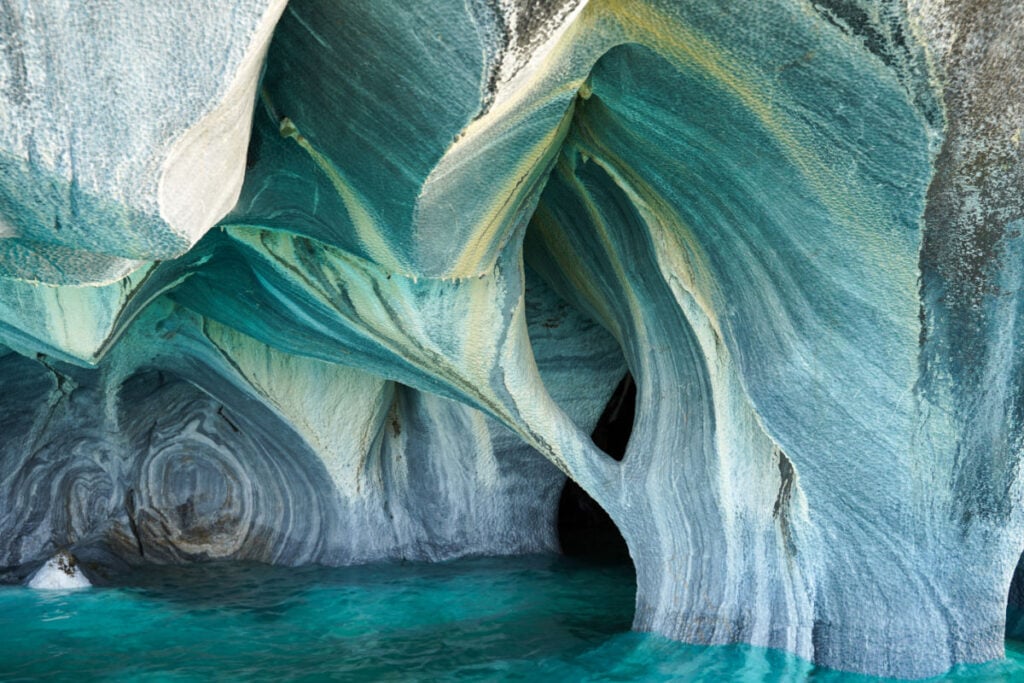
Deep in Aysén, on the turquoise waters of General Carrera Lake, lie the Marble Caves. Wind and water have eroded the stone over 6,000 years into swirling blue-and-white cathedrals.
The trap: With the big boat. Most tourists board a motorized panga from Puerto Río Tranquilo. The engine makes a lot of noise, the boat is full and you cannot get deep into the caves.
The reality: You have to touch the walls to understand them.
The strategy:
- Kayaking only: Book a kayak tour. This allows you to paddle silently into the ‘Chapel’ formations. The water is so clear it is disorienting.
- The wind window: You have to go early –7:00 AM to 9:00 AM. Patagonian winds are legendary. By midday it becomes more choppy and the magic is lost. If you’re not a morning person, become one.
5. Esteros del Iberá (Argentina)
The “Pantanal” of Argentina
When people want wildlife, they go to the Amazon (where the animals are hidden in trees) or the Pantanal in Brazil.
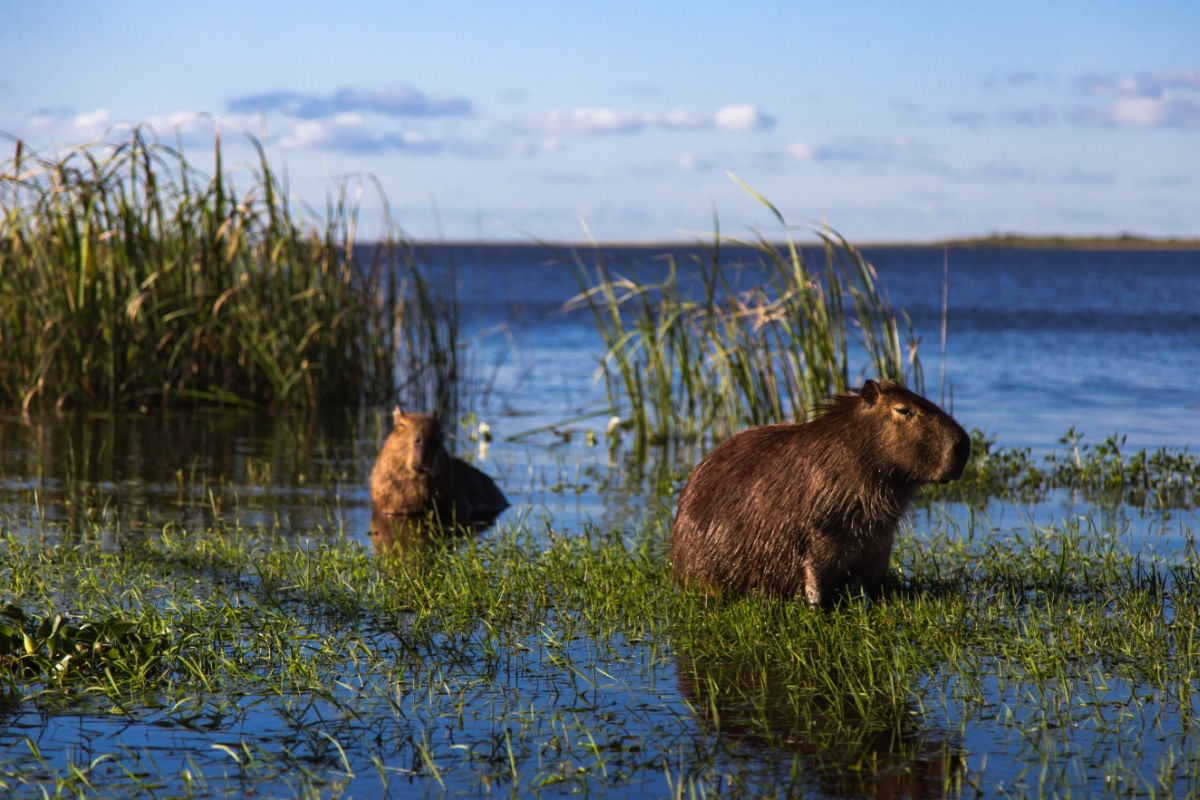
But Iberá is the secret weapon. It is the second largest wetland in South America and is currently undergoing one of the largest rewilding projects in the world. They bring back jaguars, giant anteaters and red-and-green macaws.
The trap: Going to Peninsula Valdés hoping to see whales and seeing nothing. Wildlife is unpredictable.
The reality: Iberá is consistent. You shall see Capybaras (Carpinchos). Thousands of them. They form the welcoming committee.
The strategy:
- The Night Safari: This is non-negotiable. The wetlands change completely at night. You go on a boat and when the guide shines a light, you see hundreds of red eyes looking back at you. They are the caimans (Yacare).
- Stay local: Stay in an eco-lodge Colonia Carlos Pellegrini. The guides are often former hunters and now conservationists. Their stories about the transformation of the land are as interesting as the animals.
So which one is perfect for you? This quiz will tell you

Subscribe to our latest posts
Enter your email address to subscribe to the latest Travel Off Path breaking travel news, delivered straight to your inbox.


