

Share the article
There’s a huge misconception in the travel world that finding an ‘unspoiled’ island means going completely off the grid, renting a jeep and doing everything all by yourself. The truth is that access to the most pristine, fiercely protected corners of the world often requires the exact opposite.
If you want to trade in the 5,000-passenger cruise ships and manufactured beach clubs for raw, unadulterated nature, you usually can’t just get started. Reaching these incredibly fragile ecosystems often means handing over the reins to specialist local suppliers, booking intimate guided eco-tours, taking a short commute or obtaining permits for areas that are highly protected.
It’s not about completely avoiding other people; it will pass trading the industrial-scale tourism machine for highly curated, authentic adventures.
If you’re willing to bypass the mega-resorts and embrace a little logistical friction, there are still a handful of islands that have fully protected their wild souls.
Here are 5 incredibly underrated island destinations that you need to experience at least once.
1. Isla Espiritu Santo (Mexico)

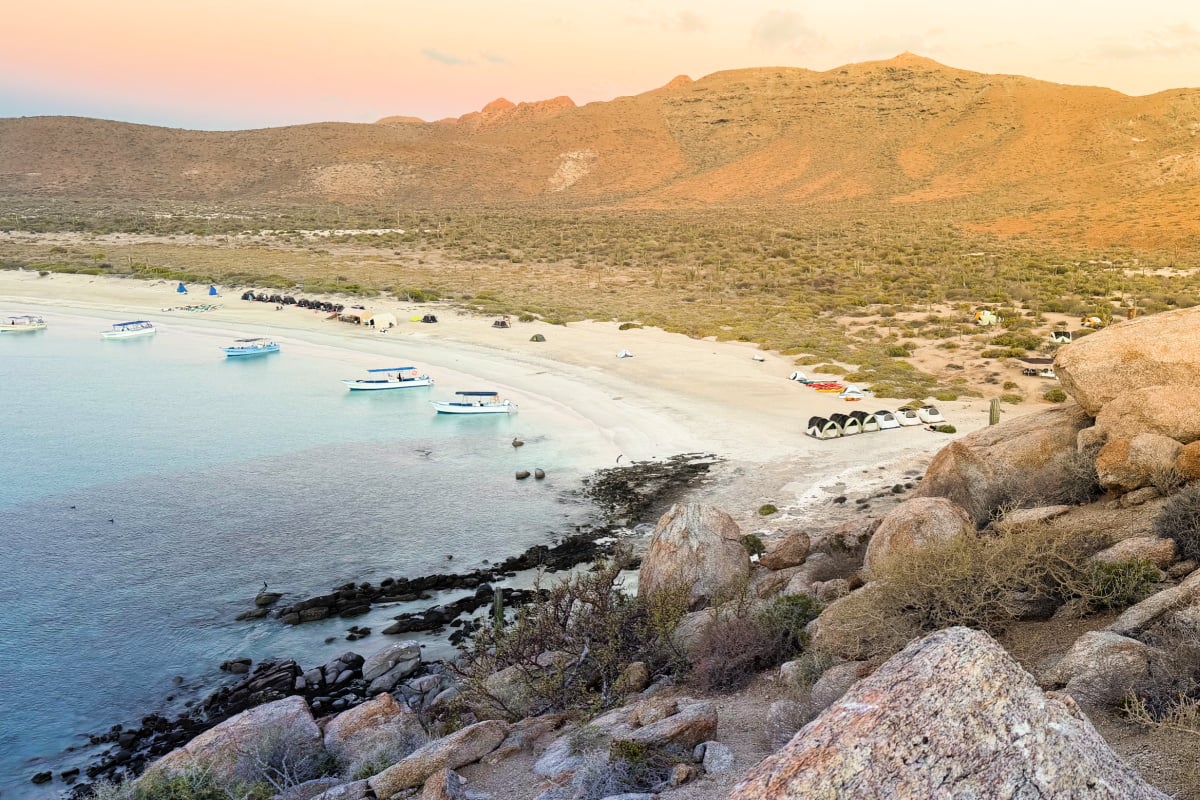
In March, I took a trip to the Baja Peninsula that completely rewired my brain about what an island escape should actually look like. Just a short boat ride off the coast of La Paz in the Sea of Cortez lies Isla Espiritu Santo, a beautiful, uninhabited UNESCO World Heritage Site that feels like you’ve stepped onto another planet.
- The atmosphere: There are zero hotels here. Because the island is a fiercely protected biosphere, you literally can’t just show up; the only way to set foot on the island is as part of an authorized tour group or by having your own boat and obtaining the appropriate permits. But this is no busy booze cruise. I spent a few nights glamping in a tent right on the beach with a small, guided eco-outfitter, falling asleep to the sound of the ocean and waking up to completely empty, white sand.
- The ground experience: The nature here is incredible. I spent half my time with my camera taped to my face taking pictures of wild sea lions playing in the water, blue-footed boobies and fish during our snorkeling adventure. After a long day in the sun, our guides prepared incredible, rustic Mexican meals right on the beach – and thankfully they left out the bizarre seafood textures like octopus that I normally avoid.
- The logistics: You fly to La Paz (or Los Cabos and drive up) and hire a local tour operator to take you over by boat. You can book a quick day trip, but joining a multi-night glamping expedition is definitely the best way to do it. We went along Todos Santos Eco Adventuresand the experience was wonderful.
2. Dominica
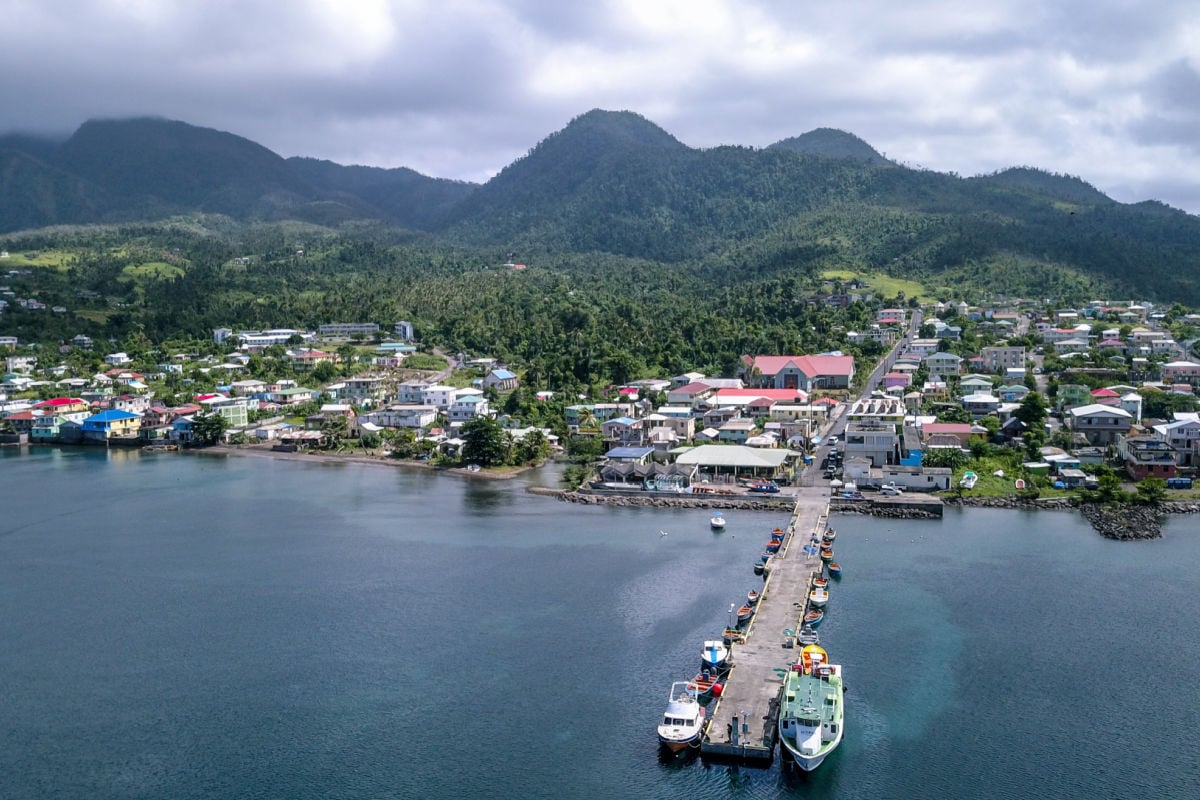
Dominica, not to be confused with the Dominican Republic, is affectionately known as ‘The Nature Island’. While its Caribbean neighbors mined their landscapes to build sprawling all-inclusive resorts, Dominica stubbornly protected its dense, mountainous jungles.
- The atmosphere: This is not a destination for people who want to lie on a well-groomed white sand beach all day. This is an island built for hardcore adventurers. It is rugged, wild and incredibly green.
- The ground experience: You can spend your days hiking parts of the enormous Waitukubuli National Trail, swimming through deep, narrow river gorges like the Titou Gorge, or taking the brutal, rewarding trek to Boiling Lake, the second largest volcanically heated lake in the world.
- The logistics: The lack of direct, mass international flights has always been Dominica’s best defense against mass tourism. You usually have to take a quick hopper flight from Puerto Rico, Barbados or Antigua to reach it, which filters out the casual crowds perfectly.
3. Salt Cay (Turks and Caicos Islands)

When most travelers think of Turks and Caicos, they imagine the busy, highly commercialized resort strips of Providenciales. But if you take a small domestic flight to Salt Cay, you’ll find an island practically frozen in time.
- The atmosphere: The island is only about 4.2 square kilometers in size and has a permanent population of about 100 people. There are no paved roads, virtually no cars, and wild donkeys roam freely through the ruins of historic 19th-century salt flats.
- The ground experience: You get around on a golf cart or a bicycle, and the pace of life is incredibly slow. But the real magic happens underwater. Between January and April, Salt Cay becomes one of the absolute best places in the world for whale watching. The huge humpback whales migrate directly past the island via the Columbus Passage, and you can even book small boat trips to snorkel safely with them in the water.
- The logistics: You’ll fly into the main hub of Providenciales (PLS), then take a fast, scenic 30-minute hopper flight with InterCaribbean Airways straight to the small airstrip on Salt Cay.
4. South Andros (Bahamas)

The archipelago of the Bahamas is enormous, yet almost everyone crams onto Nassau or Paradise Island. Andros is actually the largest island in the entire country, but it remains the least developed and the most intensely isolated.
- The atmosphere: South Andros is an absolute paradise with pristine pine forests, vast mangroves and total silence. It’s the kind of place where you can walk for miles on the beach without seeing a single footprint that isn’t yours.
- The ground experience: It is recognized worldwide as the ‘Bonefishing Capital of the World’. Even if you’re not a fisherman, the sheer scale of the tidal flats is breathtaking. The island is also known for its inland and oceanic ‘blue holes’: huge, deep underwater cave systems that look like dark blue cavities in the shallow turquoise water. It’s a bucket list destination for serious divers and freedivers.
- The logistics: You can take a quick flight from Nassau directly to Congo Town Airport (TZN) on South Andros. The lodges here are small, intimate and deeply focused on ecotourism.
5. St. Eustatius (Statia)
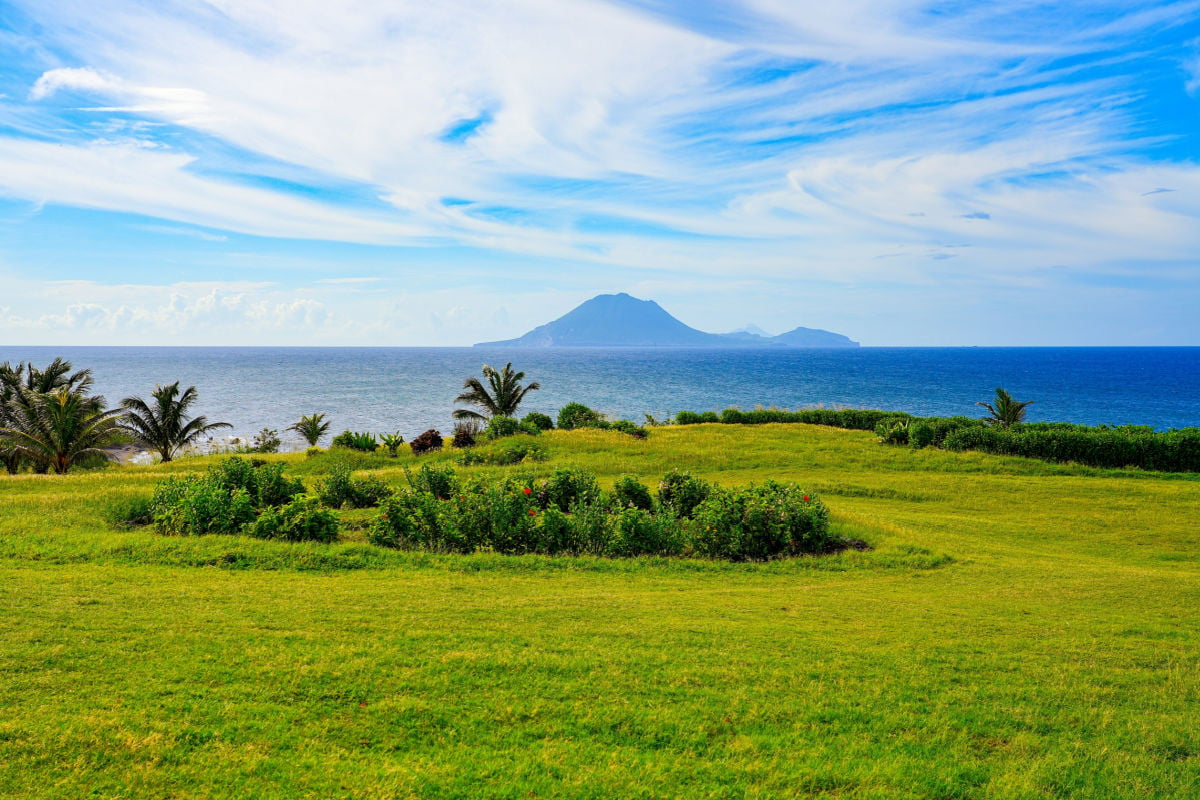
This small Dutch municipality, hidden in the northern Leeward Islands, has only about 3,400 inhabitants. Known for its super short runway and absolutely no mega cruise terminals, it has completely avoided the huge crowds that flock to neighboring islands like St. Maarten.
- The atmosphere: It’s dripping with crazy history. In the 18th century, this place was known as the ‘Golden Rock’ and was one of the richest and most chaotic trading centers in the world. It is also known for the ‘First Salute’ in 1776, when it became the very first foreign power to formally recognize the newly independent United States.
- The ground experience: Half of the 18th-century colonial city literally fell into the ocean centuries ago. Today it functions as a submerged archaeological park where divers can swim through the ruins of old warehouses and hunt for legendary 17th-century blue glass trading beads. On land, you can spend your afternoon hiking in the crater of a 600-meter-high dormant stratovolcano called The Quill.
- The logistics: You can take a quick 20-minute commute from St. Maarten, or take an 85-minute crossing on the local Makana Ferry.
Take this quiz now to find out which one is your perfect match!


