

Share the article
For too long, “seaside vacation” has been code for “numb by the pool.” For whatever reason, we tend to think of the ocean as a backdrop for a $20 cocktail, assuming the idea is to just lie horizontally until the sunburn sets in.
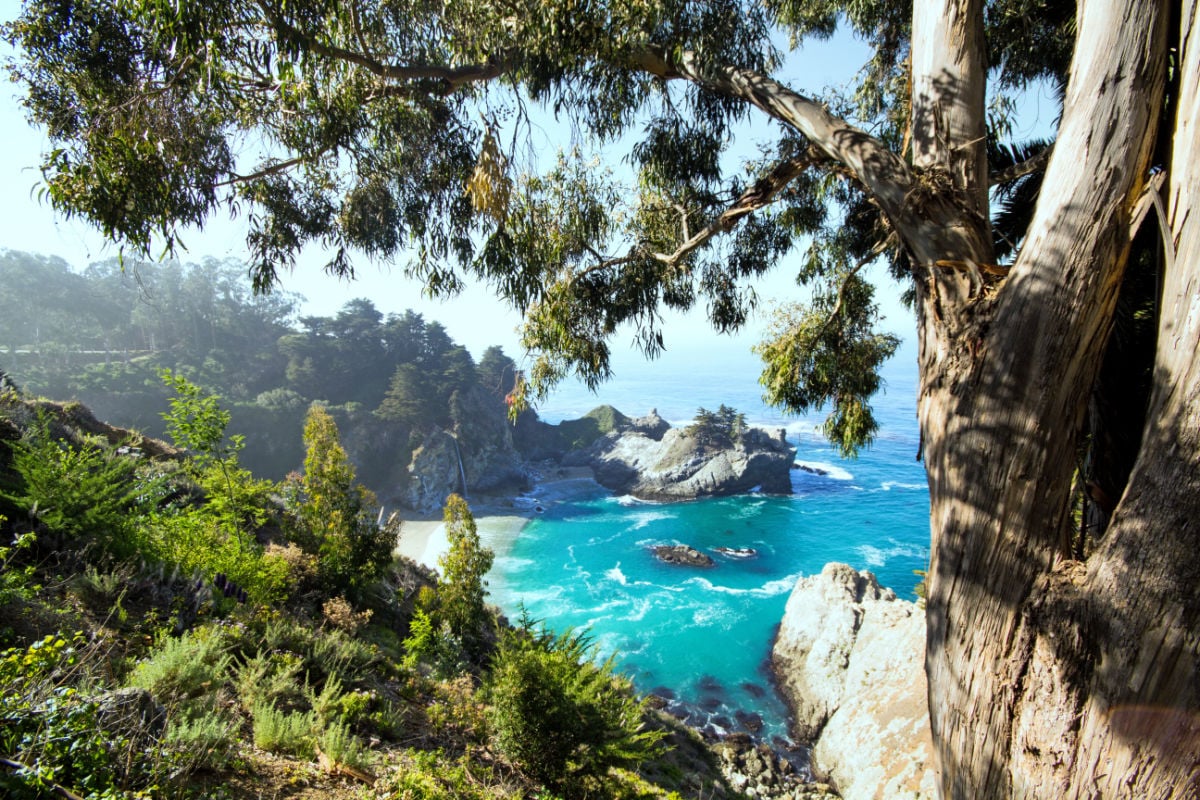
But if you really want the ocean to impress you with its size, its power and its ability to make you feel very small, you need to know the best coastlines are not the ones with the cabanas. They are the ones with the cliffs, the fog and the silence.
The destinations that really stick with you are not the ones that pamper you; they are the ones who are in awe of you. We’re talking about places where the sand is black, the horses are feral and the landscape is so rugged that it demands your attention.
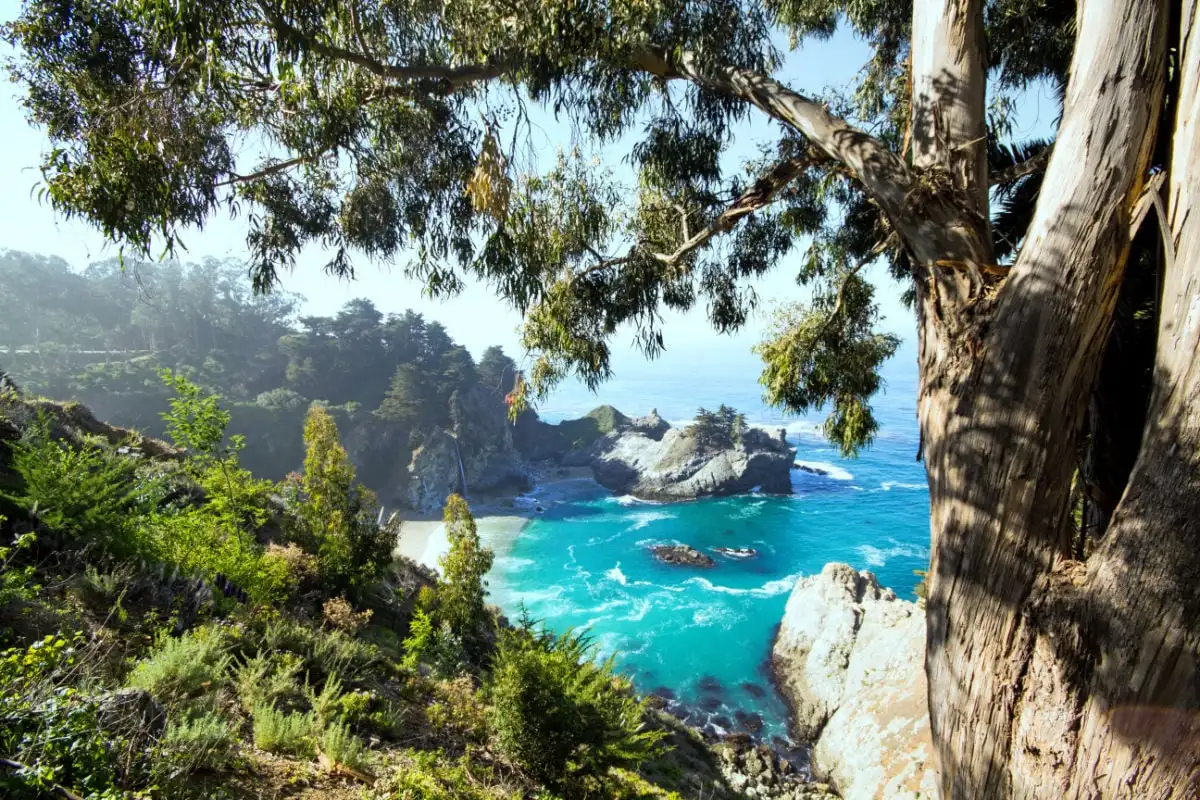
If you’re looking for a trip that feels less like a nap and more like an expedition, here it is 5 coastal excursions that will change the way you see the edge of the map.
1. Cumberland Island, Georgia
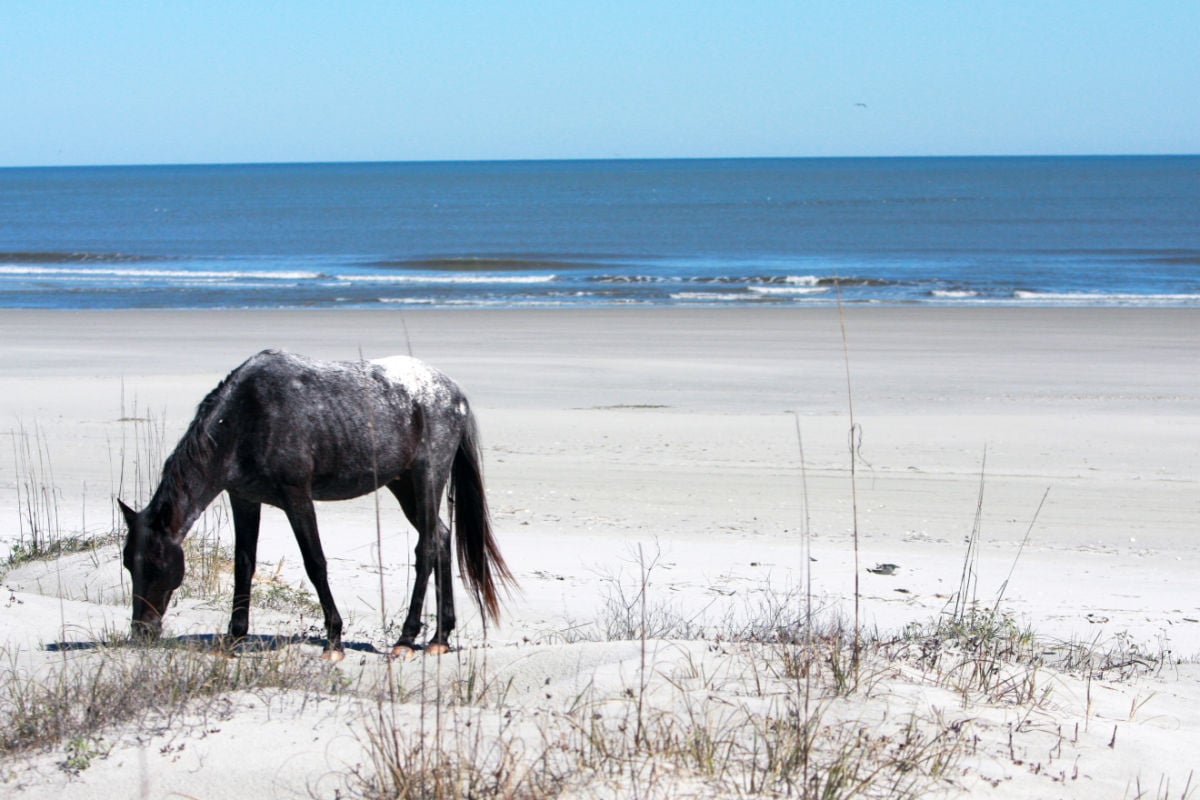
This is not your standard beach trip. There is no bridge to Cumberland Island.
You arrive by ferry and once you get there the timeline breaks. It is a bizarre mix of the Gilded Age and raw, untamed nature.
There are the skeletal ruins of the Carnegie family Dungeness country house rising from the undergrowth and roaming the grounds are wild horses that look as if they have strayed from a movie set.
Critical Logistics: The Bug Window
Don’t be fooled by the photos: timing is everything here. If you visit between May and September, the heat is brutal, but the insects (mosquitoes and gnats) are biblical. They will eat you alive. Go between October and March. The insects are sleeping, the air is clear and you practically have the island to yourself.
🚲
The insider movement
Don’t get stuck walking 17 miles.
👆 Tap to reveal
Ferry bookings are open for 6 months. Grab a bicycle lock immediately. Since the ferry is for passengers only, this is the any way to see the whole island.
2. Molokai, Hawaii
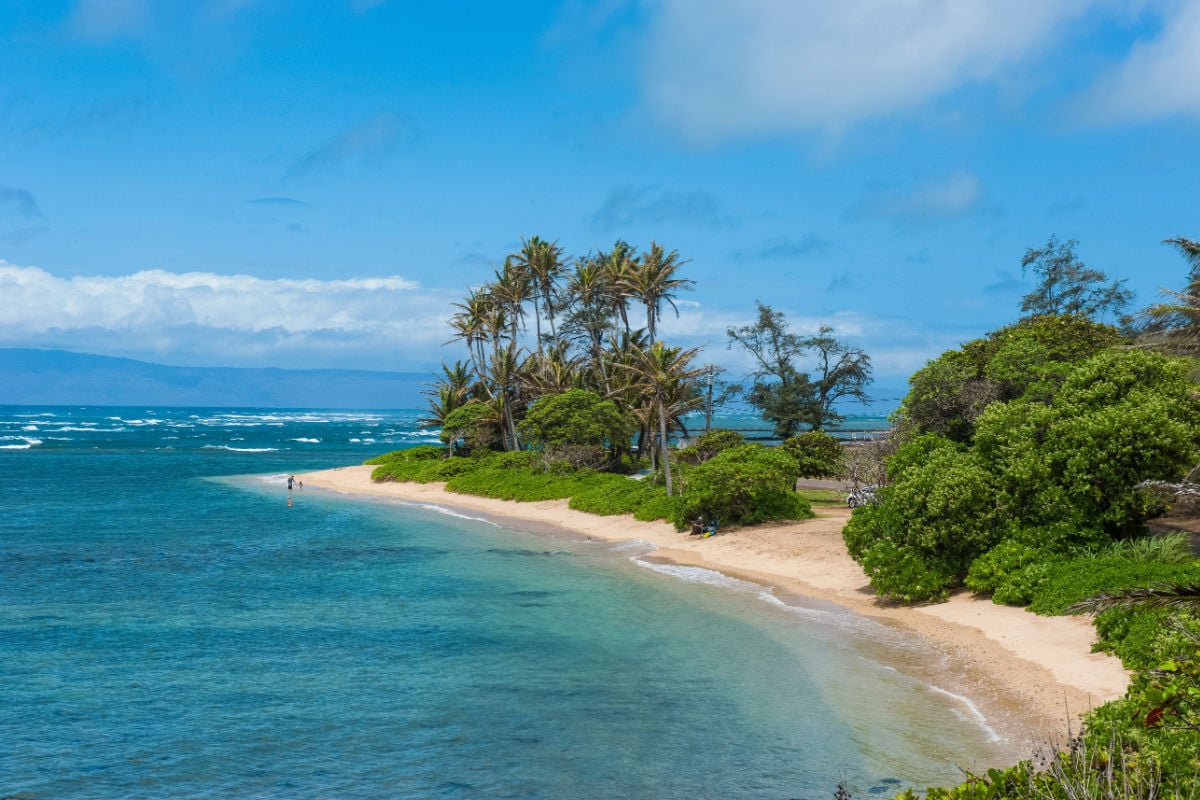
If you’re tired of the crowds in Waikiki or Maui, Molokai is the antidote. There are no traffic lights here. No buildings taller than a coconut tree. They have successfully blocked cruise ships and mega-resorts to preserve a lifestyle deeply ingrained in them aloha ‘āina (love for the country). It is not a place for “vacation”; it is a place to slow down and listen.
The 2026 update: access to Kalaupapa
In the past you could ride a mule over the enormous sea cliffs to the Kalaupapa National Historical Park (the former isolation colony). This operation will be largely suspended in 2026. To see this sacred site, you now need to book a specialized fly-in tour directly to the peninsula’s small airport. It’s more expensive, but it’s the only way to show your respect.
🍞
The midnight ritual
Why go through a dark alley at 10pm?
👆 Tap to reveal
Go to the alley behind it Kanemitsu Bakery. They sell ‘Hot Bread’ (huge loaves of bread filled with cream cheese and jelly) straight from the back window.
3. Orca Island, Washington
Located in the Salish Sea, Orcas is the “Pearl of the San Juans.” In 2026 it will be the best place to escape the heat (“Coolcationing”). The water is cold, but in the summer months the bays are filled with luminous plankton. When you kayak at night, each paddle stroke glows neon blue like a lightsaber.
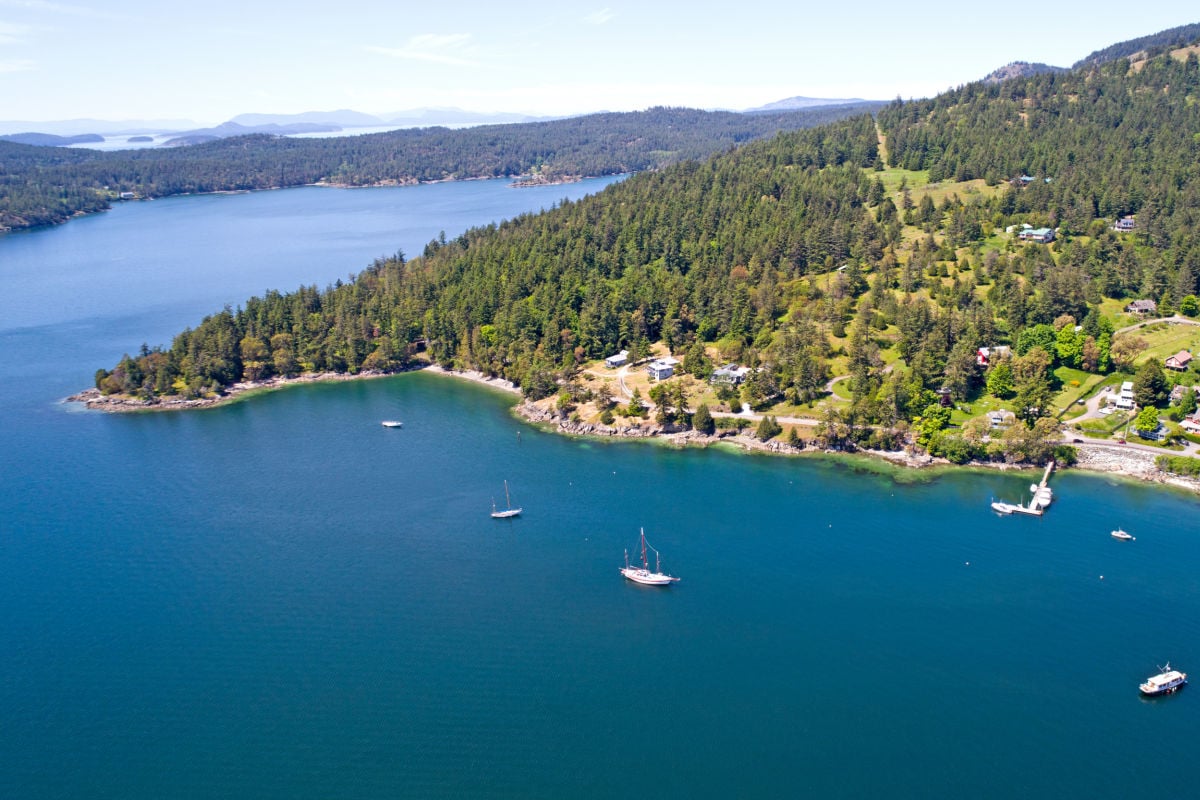
The logistical hurdle: the ferry levels
To get here, you have to beat the Washington State Ferry reservation system, which feels like The Hunger Games. They release spots in tiers: 2 months out, 2 weeks out and 2 days out. You must be logged in promptly at 7:00 AM to secure a vehicle spot, otherwise you will be stuck on the mainland.
🌑
The moon rule
Do not book a tour without checking this.
👆 Tap to reveal
You need one New moon for night kayaking. When the moon is full, the bioluminescence washes away, and you’ll just be paddling in the dark.
4. Shelter Cove, California
Highway 1 is known for running along the coast, but 200 miles north of San Francisco it turns abruptly inland. That gap is the Lost Coastand Shelter Cove is the only way in. Why is it ‘lost’? Because the terrain was too rugged for engineers to build a road through it.
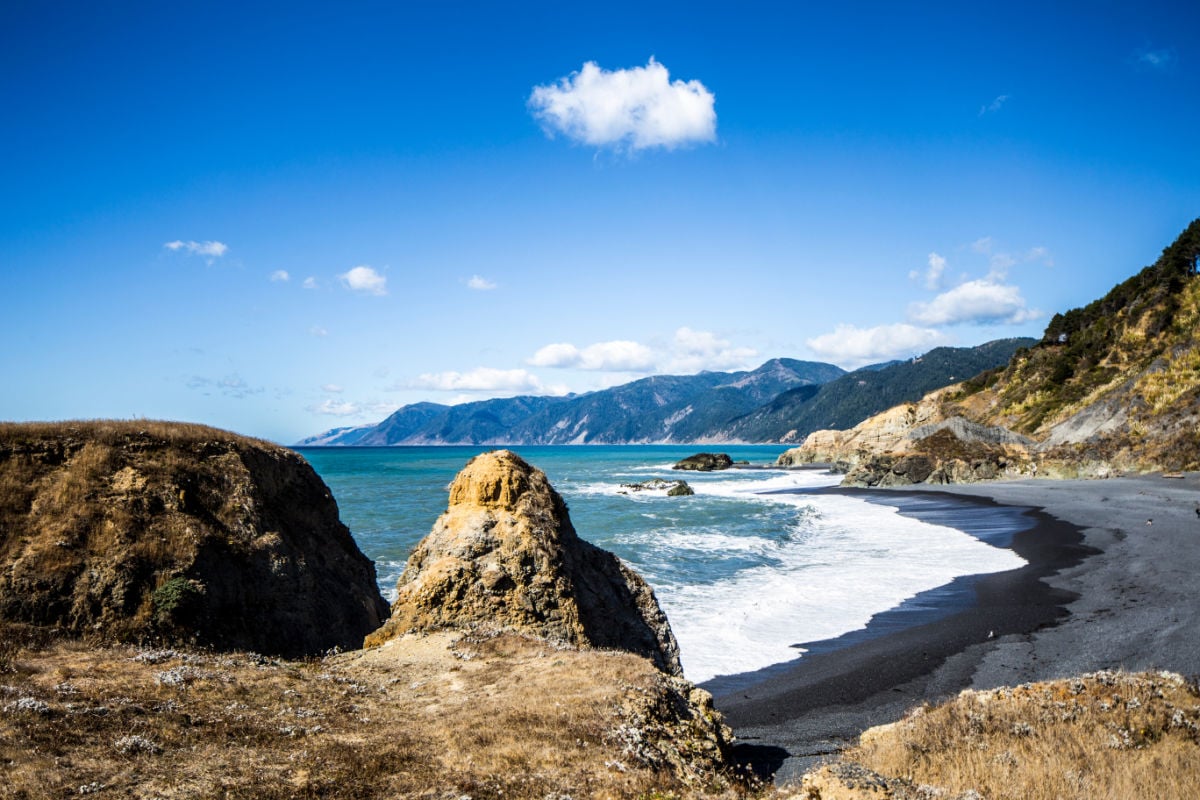
The entrance fee:
To get here you have to drive Shelter Cove Road. It’s steep, winding and notorious for destroying brake pads on the descent. But when you arrive, you are on the edge of the world.
🍺
The remote reward
Beer and black sand at the edge of the world.
👆 Tap to reveal
Visit Black Sand Beach (don’t swim, the current is deadly) and then strike Gyppo Ale Millthe ‘most remote brewery in California’, for a pint as the mist rolls in.
5. Lubec, Maine
Located at the bitter end of America’s east coast, Lubec is connected by bridge to FDR’s summer home in Canada. This is the Bold coast: huge cliffs, crashing waves and a landscape that looks more like Ireland than New England.
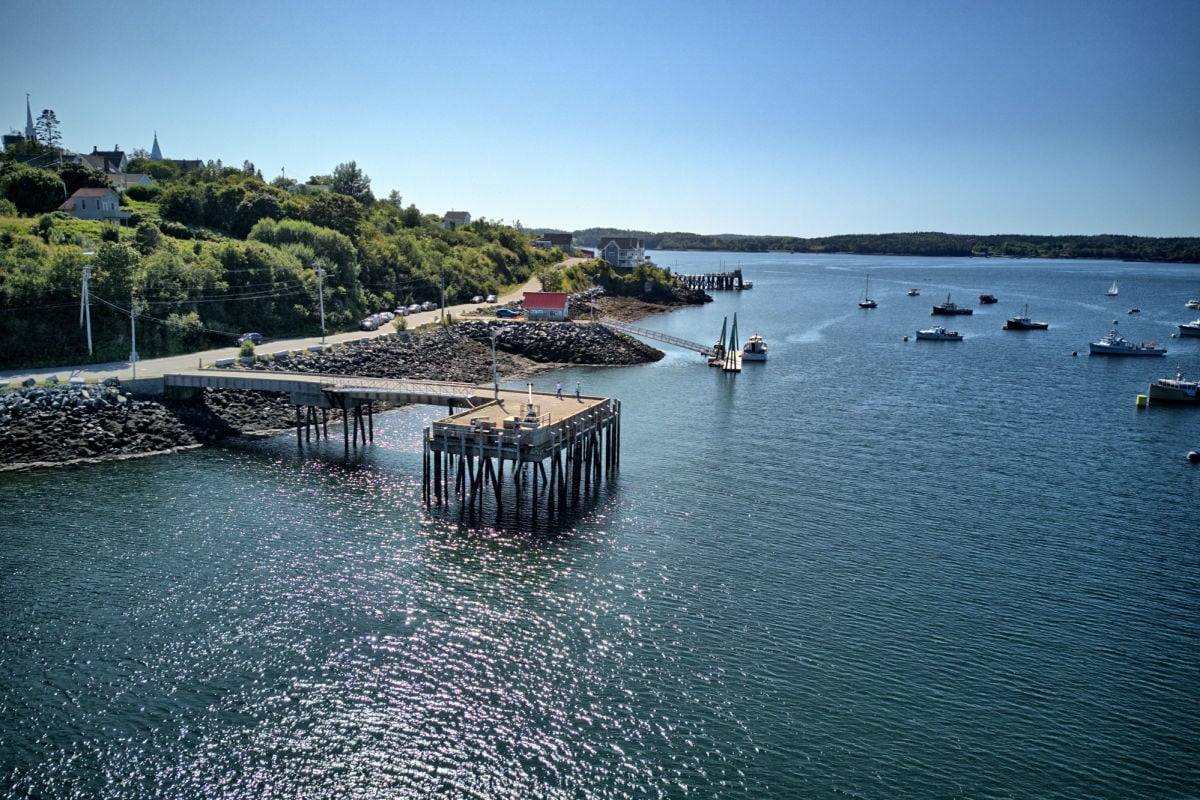
The most difficult ticket in Maine:
The real draw here isn’t just the lighthouse; it’s the puffins. Machias Seal Island is one of the few places where you can land and view them from the blind. Guided tours with Bold Coast Charter Company are strictly limited and sold out in January or February for the summer season. You should plan this trip in the middle of winter.
The morning ritual:
Get up early and drive there West Quoddy Head Lighthouse. It has the classic red and white candy stripes, but more importantly, it sees the absolute first sunrise in the United States. Bragging rights included.
So which one is perfect for you? This quiz will tell you

Subscribe to our latest posts
Enter your email address to subscribe to the latest Travel Off Path breaking travel news, delivered straight to your inbox.


