

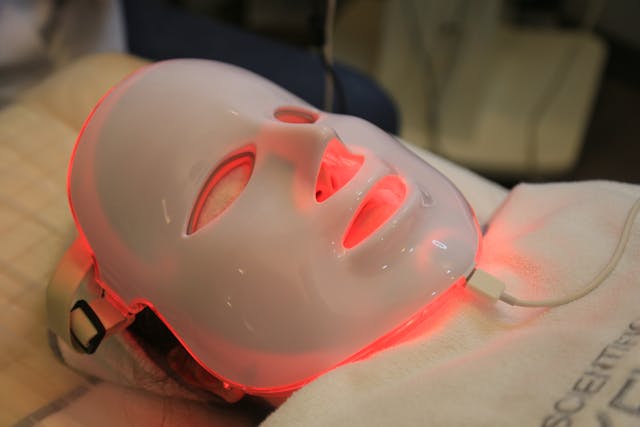
Light is important for everyday life and affects health and well-being in various ways. One color in particular, red, offers distinctive benefits that have given rise to a revolutionary therapeutic technique known as red light therapy.
Backed by a solid body of scientific research, this practice is transforming the way people approach health and wellness, providing a range of health benefits in a non-invasive way. Discover the many benefits of red light therapy in this guide.
1. Improves physical performance and recovery
Red light therapy is gaining recognition in the sports and fitness world for its impact on physical performance and recovery. This non-invasive therapy works at the cellular level and optimizes the function of the mitochondria. By increasing production of adenosine triphosphate (ATP), red light provides the cells with more energy, which promotes faster recovery.
Additionally, it stimulates increased circulation and collagen production, which aids in tissue repair and muscle recovery. This process facilitates faster healing after exercise, reduces exercise-induced muscle fatigue and consequently improves physical performance. This makes red light therapy an integral part of athletes’ training regimens.
2. Skin health and anti-aging
When it comes to dermatology and skin health, red light therapy has shown promising results with its anti-aging properties. It works by improving the production of collagen and elastin – two crucial proteins that maintain skin elasticity and a youthful appearance.
The therapy also stimulates cellular repair processes, reducing sun damage and other environmental effects on the skin. Additionally, it helps reduce inflammation and improve circulation, promoting overall skin health. Clinical studies have shown a significant reduction in signs of aging, including wrinkles and fine lines.
3. Improving mood and sleep
Red light therapy has gained significant traction in managing mood disorders and improving sleep quality. It works by affecting the secretion of melatonin, a hormone that regulates sleep. Nighttime exposure to red light helps maintain your circadian rhythm, unlike exposure to blue light, which disrupts it.
Additionally, red light therapy has been associated with the reduction of associated symptoms seasonal affective disorder (SAD) and other mood disorders. Researchers attribute this to the therapy’s ability to stimulate the production of serotonin, often called the “happiness hormone.” Red light therapy therefore serves as a natural method to improve mood and sleep patterns.
4. Promotes hair growth
Red light therapy has shown significant potential in combating hair loss and promoting hair growth. It works by using light energy to stimulate the hair follicles, which activates the growth phase of the hair, also called the anagen phase.
The mechanism involves increased blood flow to the scalp, ensuring that the hair follicles receive sufficient nutrients, leading to improved hair growth and thickness. Clinical studies have shown the effectiveness of this therapy in treating androgenetic alopecia, a common form of hair loss.
5. Potential pain reduction
Red light therapy has made significant progress in pain management and offers a promising alternative with minimal side effects. Its mechanism of action lies in its ability to stimulate cellular repair processes, reduce inflammation and improve blood circulation, all of which play a crucial role in pain reduction.
When the red light penetrates the skin, it stimulates the production of ATP (adenosine triphosphate), the energy currency of cells. This energy boost facilitates the healing of damaged tissues, reducing pain associated with various conditions.
By improving circulation, it also ensures that oxygen and nutrients needed for healing reach inflamed or injured tissues. Additionally, reducing inflammation is essential for managing chronic pain conditions. Studies have reported significant pain reduction in patients suffering from osteoarthritis, neuropathy and back pain after red light therapy.
In addition, red light therapy promotes the production of endorphins, your body’s natural analgesic substances, which contributes to the pain-relieving effect. As a result, red light therapy is gaining recognition in the clinical world as a potential tool for managing various pain conditions.
The power and potential of red light therapy
Red light therapy – a simple, non-invasive tool you can use at home – brings the healing power of sunlight into your life. Backed by substantial scientific research and with numerous health benefits, it’s certainly not just another wellness buzzword. It is a scientifically proven solution, designed for well-being.
Incorporating red light therapy into routine healthcare practices offers a non-invasive route to improved well-being. As research in this area continues, the potential applications and benefits of red light therapy are expected to further increase, strengthening its role in promoting optimal health.