


Share the article
Summer travel is supposed to be the ultimate reset. But if you don’t pay attention to the hard data, your dream vacation can quickly turn into an expensive logistical nightmare.
At Travel Off Path, our team of editors and writers are constantly monitoring the gap between the heavily edited Instagram dream and the sizzling, busy summer reality. Right now, several major global destinations are collapsing under the weight of their own popularity. We see historic water emergencies in 2026, aggressive new restrictions on tourists, and massive short-term rental bans designed specifically to keep you away.
We hate big crowds as much as you do. We just want a fun, stress-free vacation where we don’t have to fight for a restaurant reservation or worry about our accommodation being canceled at the last minute.
The goal for 2026 is simple: travel smarter, not harder. Based on live data on the ground, here are the seven destinations you should avoid this summer, and exactly where you should go instead. Stay tuned for a quiz at the end to match you with the perfect alternative destination.
1. Bar Harbor, Maine, USA
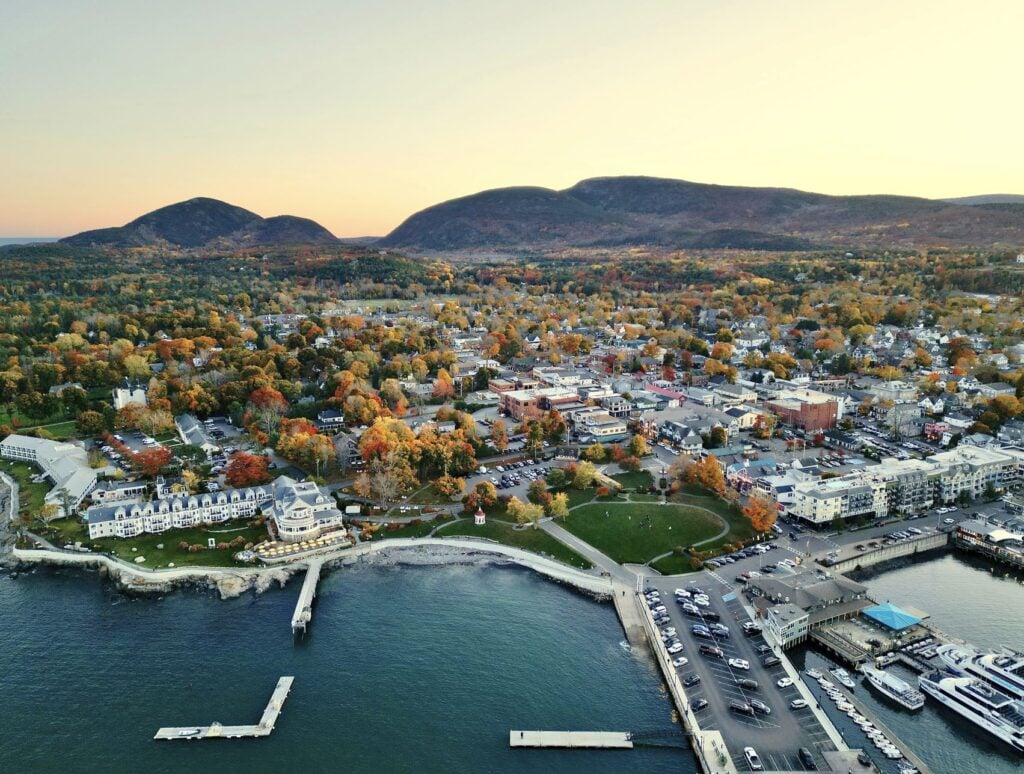
The reality of 2026: The battle for Bar Harbor has finally reached its boiling point. After intense hearings in federal court in early 2026, the coastal Maine town is now strictly enforcing a daily limit of just 1,000 cruise ship passengers. To put that into perspective, a single modern megaship can accommodate over 4,000 people. This severe restriction means major cruise lines will be forced to drastically change their summer itineraries in New England. If you’re booked on a large ship that will visit Bar Harbor this summer, expect serious logistical issues, last-minute port cancellations, or heavy restrictions on who can actually disembark.
The smart alternative: Camden, Maine. Located just a few hours along the rugged coastline, Camden offers the exact same quintessential New England charm, incredible sailing culture, and fantastic lobster shacks without the bitter legal battles and crippling cruise ship traffic.
2. Juneau, Alaska, USA
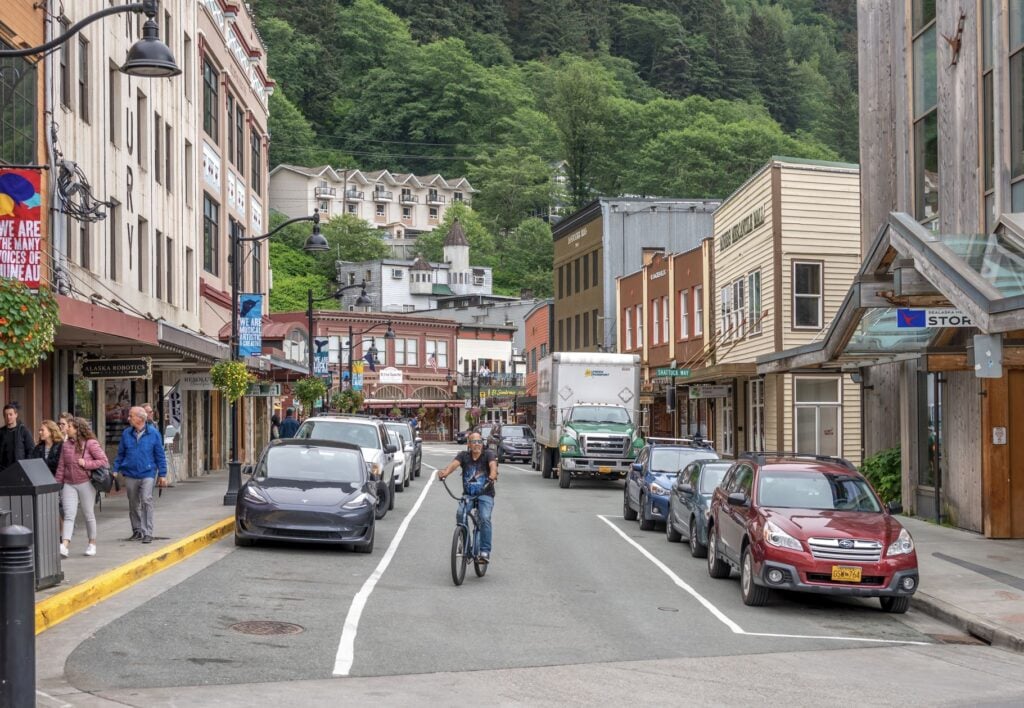
The reality of 2026: Alaska is a bucket list summer vacation for millions of Americans, but the state’s capital has officially drawn a line in the sand. Starting this year, Juneau will have a strict daily limit of 16,000 cruise visitors (dropping to 12,000 on Saturdays). With more than 1.6 million passengers expected to sail to Alaska this season, these new daily limits are creating a huge bottleneck. Ships will be forced to reroute, and the days when ships are allowed to dock will be marked by a highly concentrated, stressful flow of tourists trying to plan local excursions before the daily timer runs out.
The smart alternative: Ketchikan, Alaska. Thanks to the Juneau limits, Ketchikan is absorbing the diverted traffic, but the newer, dispersed port facilities in Ward Cove can handle the volume much better. You still get Alaska’s dramatic wilderness, incredible native history, and phenomenal wildlife observations with much less local traffic congestion.
3. Monterey County, California, USA
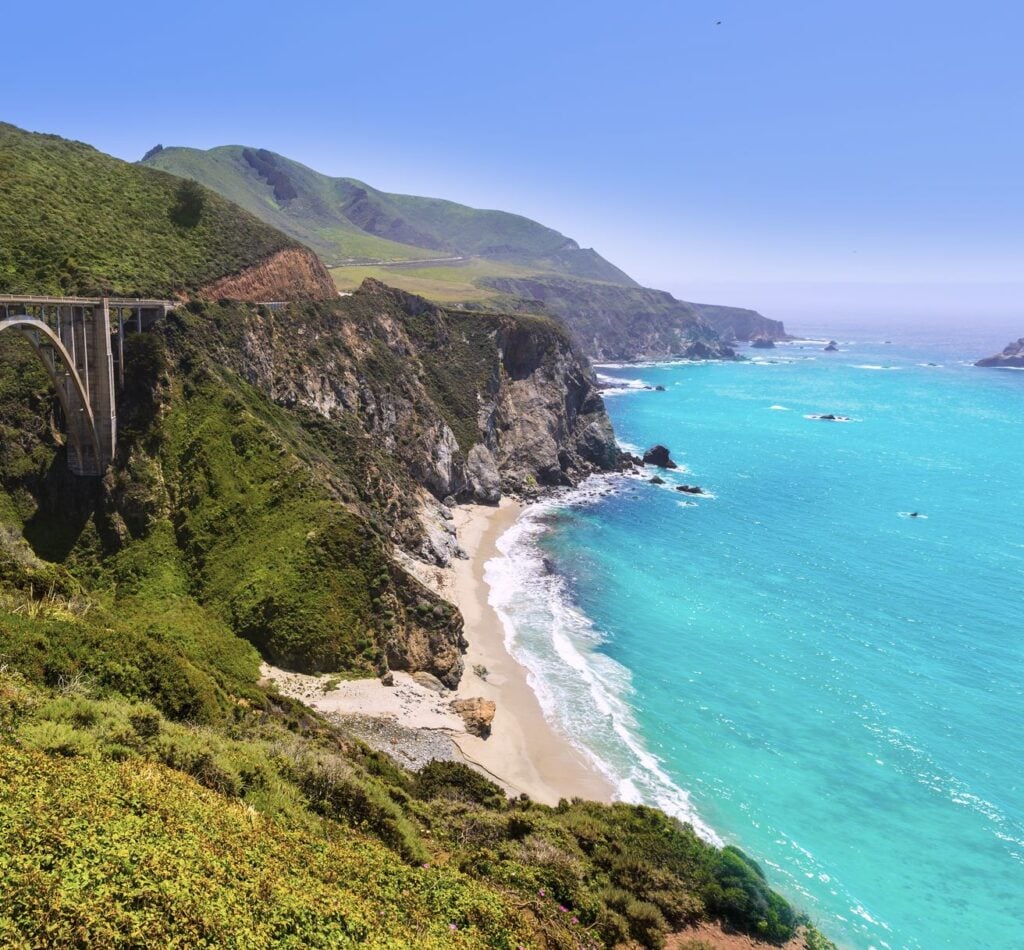
The reality of 2026: A classic California Highway 1 road trip is a summer must, but finding a place to sleep just became incredibly difficult. In January 2026, Monterey County supervisors voted to enact a strict ordinance banning short-term rentals in unincorporated residential areas. If you were planning on booking a quiet, coastal Airbnb near Big Sur or Carmel Valley this summer, your options are simply gone. The remaining legal hotels in the commercial zones are operating at absolute maximum capacity, with prices skyrocketing due to the sudden lack of inventory.
The smart alternative: San Luis Obispo (SLO) County, California. Just down the coast, SLO offers a very welcoming, relaxed atmosphere on the Central Coast. It features incredible wine country, beautiful beaches like Morro Bay, and a stable, easily accessible lodging market.
4. Maui, Hawaii, USA
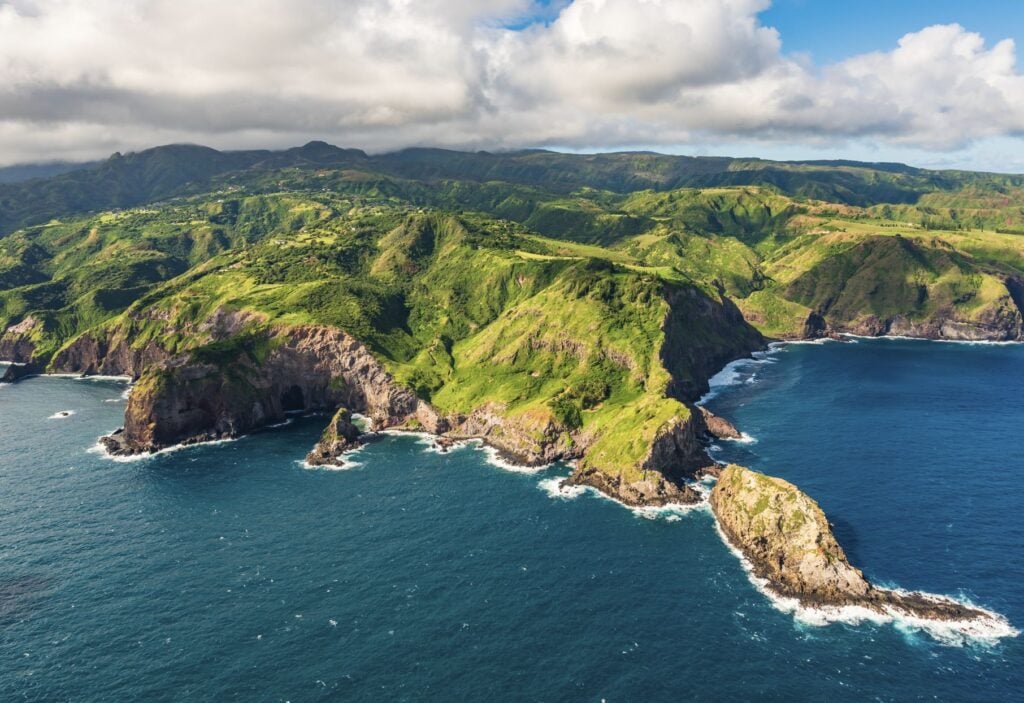
The reality of 2026: The Hawaiian lodging market is in absolute turmoil this year. Aggressive enforcement of Maui’s highly controversial Bill 9 will officially phase out thousands of short-term rentals in apartment zones, with major license expirations now in early 2026. Large numbers of Airbnbs and VRBOs that American tourists have historically relied on are closing or embroiled in intense legal disputes. Booking an independent rental home on Maui this summer is a huge gamble, and you don’t want to find out that your reservation has been canceled a week before your flight.
The smart alternative: The Big Island, Hawaii. It offers much more space, incredible volcanic national parks, black sand beaches and a much more stable short-term rental market for your summer vacation.
5. Mount Fuji, Japan
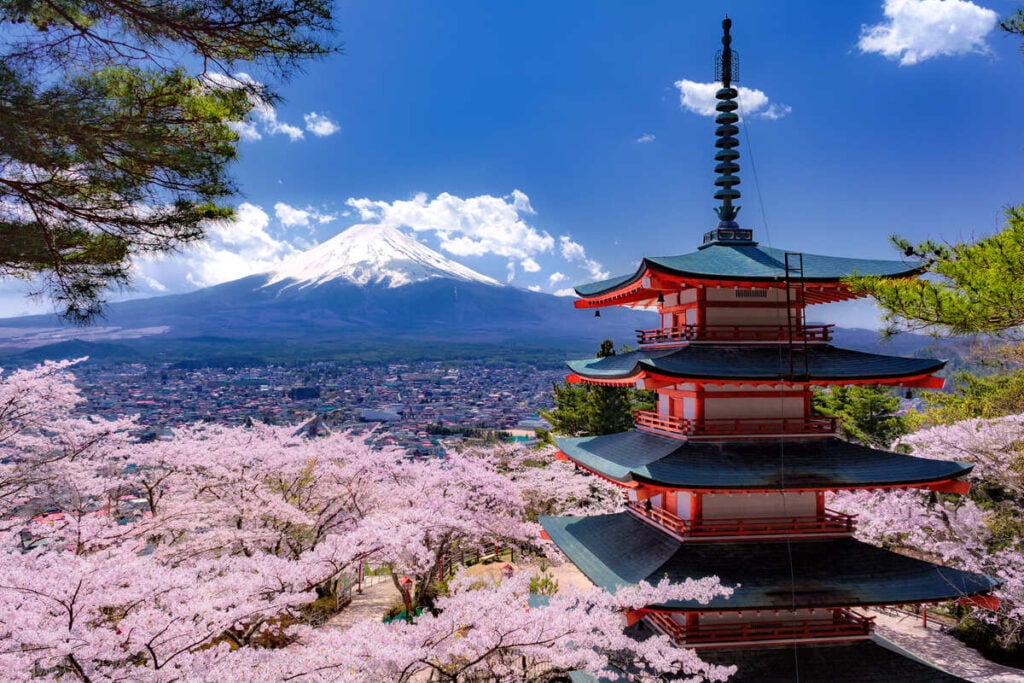
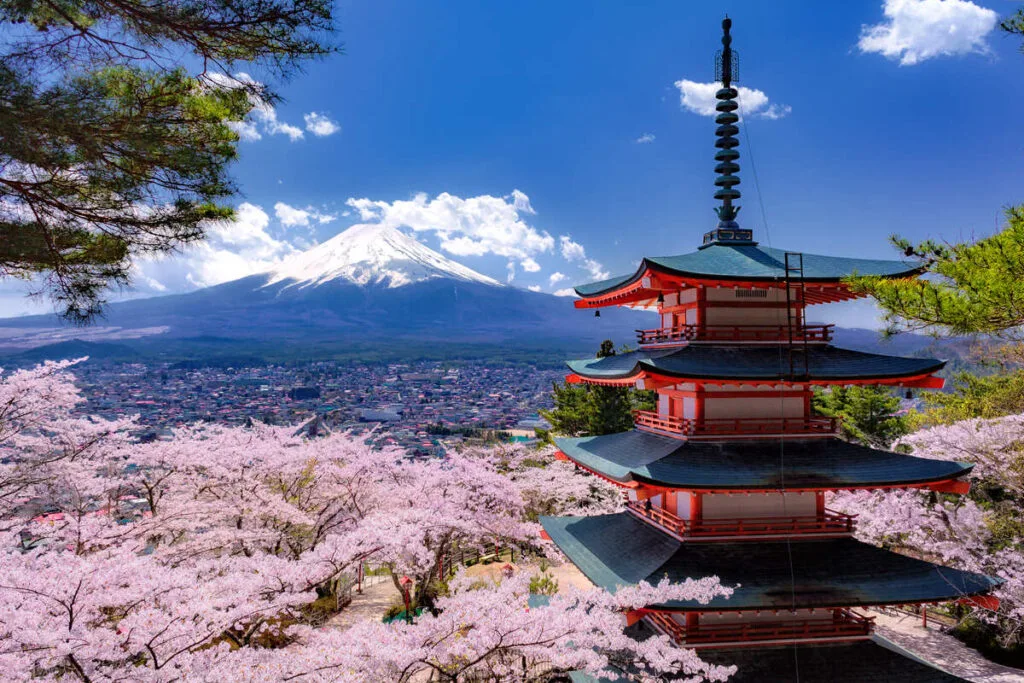
The reality of 2026: Scaling Japan’s most famous peak has always been a bucket list item, but 2026 is the year authorities will finally lock the gates. Starting this summer, the hyper-popular Yoshida Trail will be strictly limited to just 2,000 climbers per day. In addition, climbers now have to pay a mandatory fee of ¥4,000 and book a non-refundable, name-based QR permit months in advance. To stop “ball climbing” at night, trailheads are completely closed between 2:00 PM and 3:00 AM. If you don’t have a pre-booked permit, your mountain dreams are over.
The smart alternative: The Japanese Alps (Kamikochi). This beautiful mountain valley offers world-class hiking, pristine rivers and dramatic mountain peaks. It delivers the serene Japanese wilderness experience without the extreme ticket stress and enormous crowds of Fuji.
6. Reggio Calabria, Italy
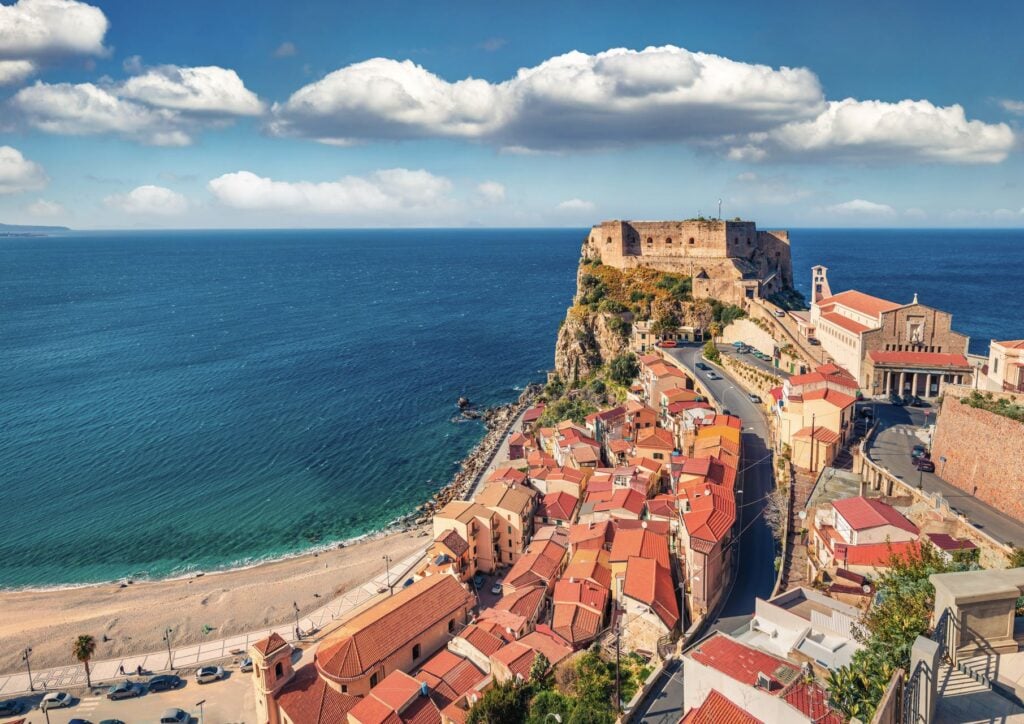
The reality of 2026: Southern Italy is facing an existential environmental crisis. In early 2026, the Italian government had to fast-track €5 million in emergency funds to the Reggio Calabria metropolitan area just to alleviate the disastrous, ongoing water shortage. After a major emergency, aging, leaky infrastructure fails, necessitating widespread water rationing. During your Italian summer vacation, you don’t want to worry about whether your hotel has running water for a shower after a long day in the Mediterranean heat.
The smart alternative: Piran, Slovenia. Located right on the Adriatic Sea, Piran offers the same stunning Venetian architecture, incredible seafood and crystal clear bathing waters as the Italian coast, but with a very stable infrastructure and a fraction of the tourists.
7. Athens, Greece
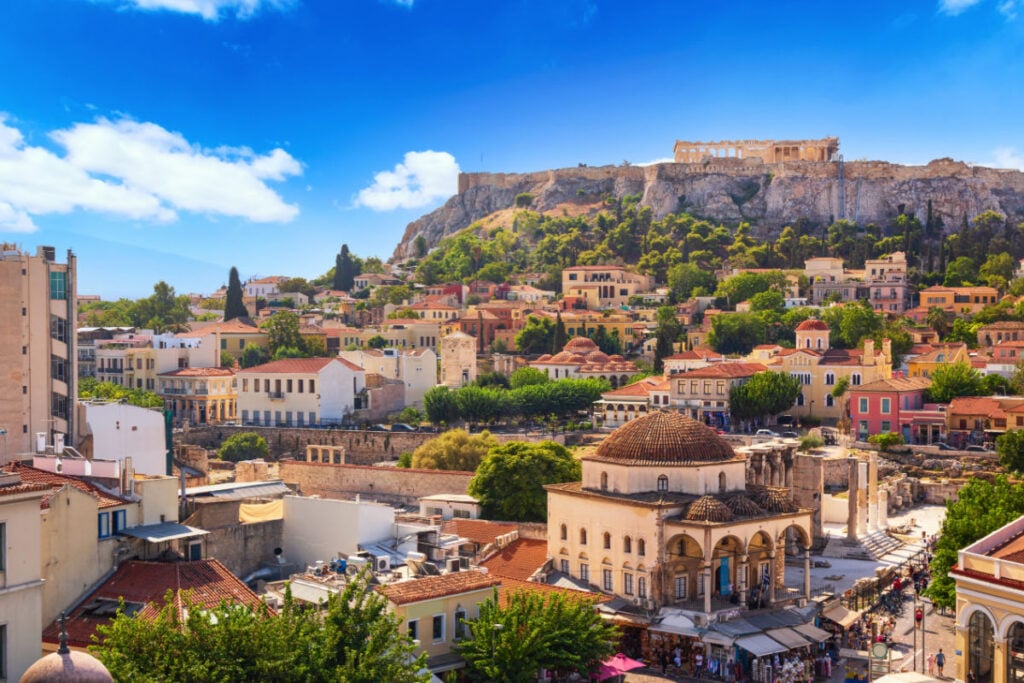
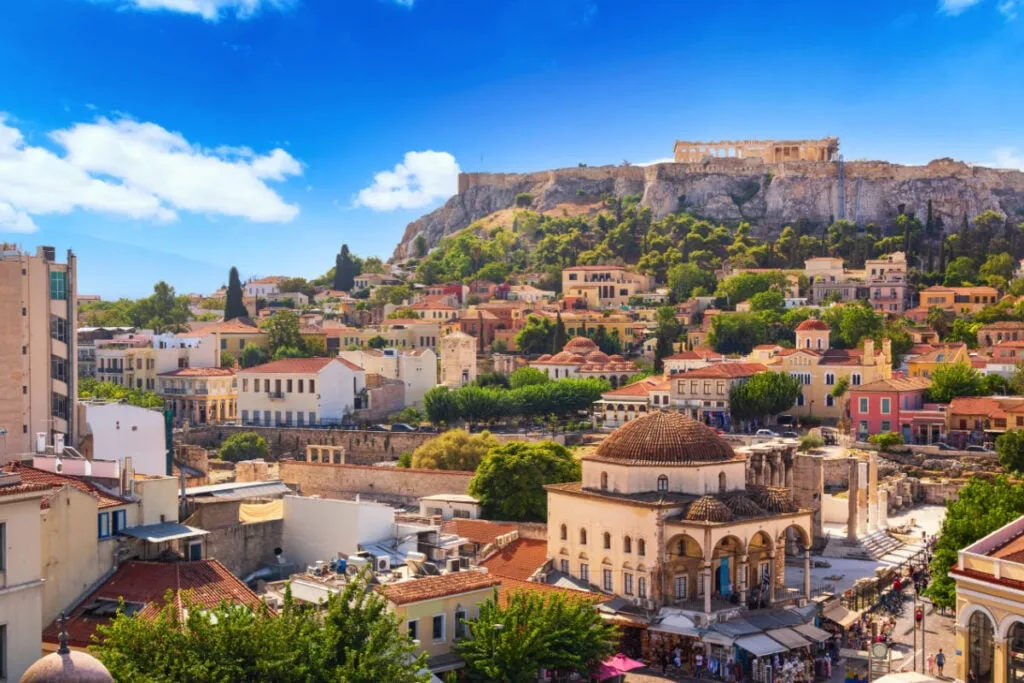
The reality of 2026: The Greek capital is a historical wonder, but a visit this summer will empty your wallet faster than ever. Greece recently introduced a new “Climate Resilience” levy on all hotels and short-term rentals to counter the environmental impact of mass tourism. In addition, there is now a brand new Sustainable Tourism Fee of up to €20 per person for cruise passengers in major ports. Combine these new taxes for 2026 with severe heat waves and falling water levels at nearby Lake Marathon, and Athens is an exhausting choice for the summer.
The smart alternative: The Albanian Riviera. Just on the Ionian coast, towns like Ksamil and Saranda offer the same ancient ruins, incredible Mediterranean food and beautiful turquoise beaches at a fraction of the price, without the new Greek resilience taxes.
Be sure to check the latest travel advice and entry requirements for your destination for the summer of 2026.
We know skipping the big names feels counterintuitive, but ignoring the realities of local crises, new taxes and heavy caps is the fastest way to ruin your trip. Stick to the alternatives, keep your money in your pocket and actually enjoy the relaxing summer you deserve.


