

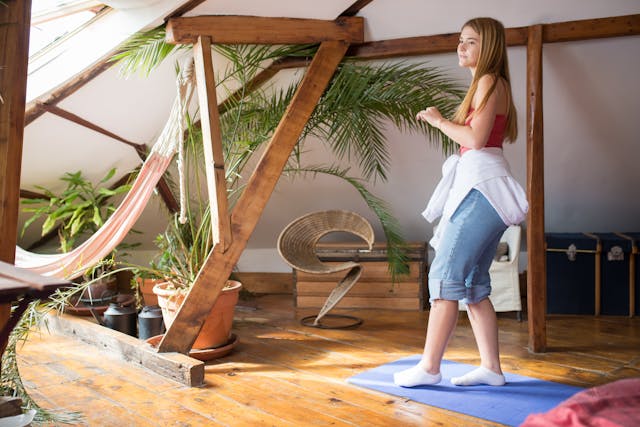
Wellness has become an important focus in our living and working spaces. Architectural firms are taking up the challenge by combining beauty, functionality and health-conscious design. Their work now goes beyond aesthetics to include features that promote health and wellness and reduce allergens. By integrating elements such as natural light, non-toxic materials, efficient ventilation and greenery, they create environments that improve quality of life and support healthier living.
This change shows how architectural firms prioritize well-being through the use of natural light, non-toxic materials and improved ventilation. These designs reflect an understanding of how the environment influences physical and mental health, creating spaces where people can thrive. As buildings increasingly focus on well-being, the link between architecture and health is becoming increasingly stronger.
Integrate natural light
Natural light takes interior design to the next level. Large windows and skylights invite sunlight and transform spaces into vibrant, uplifting environments. More than just improving appearance, daylight promotes a sense of openness and connection to the outdoors. Exposure to sunlight can improve mood, increase productivity and create a welcoming atmosphere. Architects now consider these features essential for healthier living spaces.
Embracing natural light also reduces the need for artificial lighting, reducing costs and benefiting the environment. Relying on sunlight during the day reduces energy consumption. Thoughtfully placed windows and skylights maximize natural light, reduce glare and improve comfort.
Select non-toxic materials
Choosing materials has a significant impact on indoor air quality. Architectural firms are now prioritizing non-toxic, low-VOC (volatile organic compound) options for paints, flooring and furniture. These choices help improve air quality by reducing the use of chemical-rich products. Many traditional materials release VOCs, which can cause irritation and long-term health problems. By choosing safer alternatives, architects create healthier, more comfortable spaces.
The shift to non-toxic materials goes beyond reducing risks; it shows a strong focus on the well-being of the residents. Using natural elements such as recycled wood or low VOC paint connects spaces to nature and sustainability while helping to promote health. Features such as organic textiles and eco-friendly finishes also promote a healthier living environment.
Creating efficient ventilation systems
Good ventilation is essential for maintaining healthy indoor air. Architectural firms are now incorporating advanced ventilation systems into their designs to improve air quality. These systems filter out dust, pollen and allergens and allow fresh air to circulate, making spaces more comfortable. Strategically placed vents help optimize airflow and balance the indoor and outdoor environments.
Effective ventilation goes beyond comfort: it supports health. Arm air quality can cause breathing problems and fatigue, reducing productivity. By prioritizing air filtration and circulation, architectural firms can address these issues early. Modern systems automatically adapt to indoor conditions, keeping air quality at an ideal level. This approach helps create healthier, more energetic spaces for everyone.
Using plants for indoor air quality
Adding houseplants is an easy way to improve air quality and make spaces more inviting. Plants naturally filter the air, absorbing carbon dioxide and releasing oxygen, creating a cleaner and more vibrant atmosphere. Many architects now consider greenery as an important feature and integrate it into their designs to create a sense of tranquility and a closer connection to nature.
Biophilic design emphasizes the bond between humans and nature and provides mental and physical health benefits. Architects carefully integrate plants into room layouts to improve both air quality and ambiance. A wide variety of plants can suit different design styles while addressing air issues. This approach blurs the boundaries between indoor and outdoor spaces, which directly promotes well-being.
Flexible space planning
Flexible space design changes the way spaces are used, making them more comfortable and functional. Architects focus on layouts that adapt to different activities and meet individual needs. Open floor plans, movable walls and multi-functional furniture provide versatility and support both teamwork and personal time. These designs move away from rigid arrangements and create spaces that reduce stress, stimulate creativity and encourage interaction.
By emphasizing flexibility, architects meet the changing demands of modern life. Spaces for work, relaxation and socializing flow smoothly into each other, making it easier for people to manage their tasks. Providing personal space within shared spaces promotes connection and helps individuals thrive.
Architectural firms are reshaping design by focusing on well-being and functionality in living and working spaces. By integrating natural light, non-toxic materials, efficient ventilation and greenery, they create environments that promote health in both a physical and mental sense. Flexible layouts adapt to modern needs, increasing comfort and reducing stress. This approach goes beyond aesthetics and focuses on the essential link between environment and well-being. As these designs gain traction, they set a standard for healthier, more balanced spaces where people can live, work and thrive in harmony with their environment. This shift reflects a growing understanding of how thoughtful architecture promotes overall quality of life.