

Aging entails inevitable changes. Pension ends in the workplace routines. Losing a husband leaves an empty space in daily life. Adult children move, work relationships fade and once-lasting social networks shrink in silence.
For older adults, these changes create more than emotional challenges – they are serious health risks. Research links social isolation to higher percentages of cognitive decline, chronic illness, depression and earlier mortality. Nevertheless, the insulation remains adaptable and addressable with the right attention.
Common Insulation -Triggers
Social insulation usually gradually builds up through a combination of life changes. Retirement removes the daily structure and interaction, while the loss of a spouse or friend eliminates important emotional and social support. Mobility problems and lack of transport restrictions of the involvement of the community. Hearing loss and chronic health problems make communication and participation more difficult. As family members leave, informal contact drops. These challenges often reinforce each other, which leads to increased withdrawal and difficulties in socializing socially.
The health benefits of connection
Regular social interaction supports cognitive and physical health. Conversations stimulate brain activity, which helps memory and language skills. Research shows that social engagement activates cognitive areas, building up resistance to decline.
Physically and socially connected people typically lower blood pressure, reduced stress hormones, stronger immune function and better sleep patterns. Simply belonging to a social network stimulates healthier habits and emotional resilience. Health organizations now rank social isolation in addition to smoking and obesity as a considerable health risk.
Begin to connect again
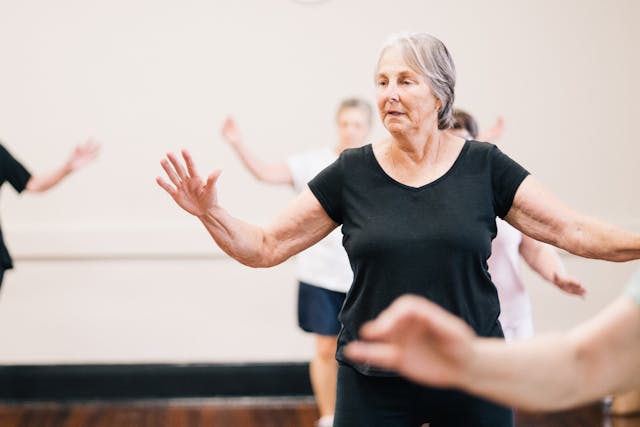
Re -building social connections requires effort, but starts with manageable actions. Weekly coffee with a neighbor or planned telephone conversations for families offer the required structure. Regular community lessons or group meetings gradually restore comfort with social interaction.
The pursuit of shared interests offers natural connection options. Community centers often organize discussions, workshops and classes that are designed for older adults and offer structured environments where the conversation develops naturally.
Intergenerational programs connect seniors with younger members of the community through mentoring, story or cooperation activities. These relationships offer energy when creating meaningful cross-generational connections.
Overcome emotional barriers
Sadness and great changes of life often create invisible walls around older adults. After losing someone who is close by or leaves well -known places, reaching for new connections becomes more difficult than it should be. Fear of crawling indoors – rejection, becoming someone else’s problem or just feel out of place in new environments.
These feelings deserve recognition. Small steps work better than large gestures. Uncertainty belongs in this process. Continuing did not know meaningful relationships from the past, it previously creates room for both memories and new bindings to exist together. Talking with others in similar situations through support groups or professional counselors builds up the emotional power that is necessary to cross these barriers and rediscover social confidence.
Deliberately use digital tools
Although personal interaction remains ideal, technology offers valuable supplements. Video calls make face-to-face communication possible with distant families. Online groups and virtual classes allow involvement from home. Many community centers offer technology training that is specially designed for older adults, making these tools more accessible.
Volunteer
Contributing to the needs of the community creates both meaning and social connections. Volunteer positions (reading to children, assisting with community organizations or sharing knowledge with cultural institutions) create relationships through shared goal. The combination of meaningful contribution and social interaction is particularly useful.
Support for family and carers
Those who support older adults can significantly facilitate the re -connection. Staying regular contact, offering transport to events and helping to navigate technology all crucial roles play. Families can also be proactive in looking at signs of insulation, such as increased withdrawal or reduced self -care.
Sometimes modest help removes major obstacles for social participation. Simply offering a ride or helping with an online registration can open doors for valuable connections.
Considerations of memory care
For people with cognitive changes, social needs remain equally important, but require a well -considered adjustment. Memory care facilities Structure environments specifically to support a continuous connection despite cognitive challenges. These specialized communities design programming that retains social involvement, regardless of memory status.
Quality Memory Care facilities include social connection in daily routines through activities of small group activities that are tailored to skills, carefully designed common areas and trained personnel who use communication methods that have been adapted to cognitive changes. Involvement of the family also remains the key. Visits aimed at shared activities, music and photos can help keep meaningful relationships.
Build a sustainable social routine
After restarting social interaction, sustainability becomes the most important challenge. Regular, planned social engagement works better than random, incidental encounters. Set up weekly lessons or monthly meals to create predictable connection points. These regular contact points prevent insulation gaps and weave social contact in everyday routines.
Practical tools such as digital agendas and shared planning apps help to maintain these obligations. Lock contacts can support this process via regular check-ins and shared activities. The rhythm of consistent social engagement gradually strengthens social trust and ensures that interactions feel more comfortable over time.
Ahead
Re -building social connections after important life transitions such as retirement keeps the mind sharp, emotions balanced and bodies healthy. The process costs patience, but even small steps provide meaningful benefits. Social connection remains fundamentally during life. Nobody functions best in itself, regardless of age or circumstances.
Providing, whether it is about personal entrepreneurship or supporting someone else’s efforts, creates paths back to the connection that people naturally need. The journey back to the connection can start with something as simple as a telephone conversation, a class registration or a neighborhood walk. These small steps often lead to significant improvements in well -being and the quality of life.