

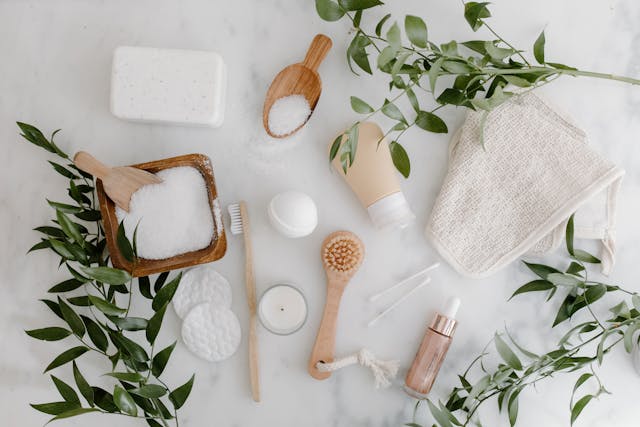
Industries that produce skin moisturizers have a wide range of natural ingredients that they can incorporate into their formulations. Among them, two of the most popular choices are coconut butter and shea butter. Although both ingredients look the same, they have several differences that make them different in composition. To start, coconut butter is made by grinding the dried flesh of coconuts into a smooth, creamy paste, retaining the natural oils and nutrients.. Shea butter, on the other hand, is extracted from the nuts of the shea tree and is often richer in stearic acid, which gives it a denser, firmer consistency..
Aside from the way they are extracted and processed, their moisturizing properties also vary. Knowing these differences may help you choose the right moisturizer for your skin type. Here we take a closer look at the unique properties and benefits of coconut butter and shea butter, and how they can nourish and protect your skin:
Coconut Butter: Its Benefits and Skin Effects
Coconut butter is rich in medium-chain fatty acids, especially lauric acid, a nutrient known for its antimicrobial and moisturizing properties. It’s also packed with antioxidants and vitamins E and K, which work together to nourish and protect the skin. These components help retain moisture, support the skin’s natural barrier and reduce dryness, leaving the skin feeling soft and supple. Additionally, it has soothing properties that can help soothe irritated or sensitive skin, making it ideal for those with sensitive or easily irritated skin.
Texture-wise, coconut butter is creamier than shea butter. This smooth consistency not only allows this ingredient to be easily applied over the skin, but also ensures quick absorption. Additionally, the natural antioxidants help protect skin from oxidative stress caused by everyday environmental factors, such as pollution and free radicals, supporting healthier, more resilient skin over time.
With its combination of deep hydration, fast absorption and protective nutrients, coconut butter has become a favorite alternative to shea butter for those looking for a natural, lightweight moisturizer suitable for daily use.
Shea Butter: its benefits and skin effects
Shea butter is known for its deeply nourishing and protective properties. The natural wealth of stearic and oleic acid, together with vitamins A and E, helps strengthen the skin barrier while providing moisture that penetrates deep into the skin. This leaves the skin feeling soft, smooth and resilient, giving it a noticeably healthier texture.
In terms of texture, shea butter is thicker compared to coconut butter. While this density makes the skin absorb more slowly, the hydration and barrier-supporting benefits of this ingredient can last longer. This makes it especially useful for very dry or rough areas, as the concentrated nutrients can gradually restore skin elasticity over time.
In addition to hydration, shea butter forms a soft protective layer on the skin, preventing moisture loss and protecting sensitive areas such as elbows, knees and hands. It also soothes irritation and promotes overall skin comfort, making it a more reliable option for targeted care.
Usage tips and applications
Both coconut butter and shea butter offer versatility in skin care, but knowing exactly how to use them can help you maximize their benefits. Correct application ensures that the skin absorbs the nutrients effectively and that the hydration and protective effects are optimized.
Between the two, coconut butter is ideal for daily use on larger areas of the body. The lightweight texture spreads easily and is quickly absorbed, making it suitable for frequent use. For best results, apply to slightly damp skin. This improves hydration because the butter helps retain existing moisture. You can also use it on sensitive areas, such as the face and lips. Due to its fast-absorbing nature, coconut butter is a convenient option for an all-over moisturizer.
However, it is generally believed that shea butter is better for very dry areas. The dense, rich consistency provides intense, long-lasting hydration and helps support skin elasticity. In addition, the protective layer helps retain moisture for longer, making it especially useful for treatment at night or during colder months when the skin is more prone to dehydration. To apply effectively, warm a small amount between fingers before use. This softens the texture, allowing smoother distribution on dry areas, elbows, knees or cuticles.
So, which one is better?
When choosing between coconut butter and shea butter, the choice largely depends on your skin type and personal preferences. If you have normal, combination, or sensitive skin, coconut butter may be the better option. The lightweight and creamy texture is quickly absorbed and provides hydration without leaving a heavy or greasy feeling. Additionally, the antioxidants and medium chain fatty acids help nourish and protect the skin, making it ideal for daily use.
On the other hand, if your skin tends to be very dry, rough or irritated, shea butter is probably the more suitable choice. The rich, dense texture and resulting protective barrier retain moisture for longer, while the concentrated nutrients support elasticity and gradually restore softness to targeted areas.
Ultimately, both coconut butter and shea butter provide valuable moisturizing benefits, but their differences make them suitable for different skin care needs. Their unique properties influence how they feel and perform, providing different sensations and benefits when applied. Discover their properties and experiment with how they fit into your routine to discover which butter suits your skin best, and adjust your skincare habits accordingly for optimal comfort and nourishment.