

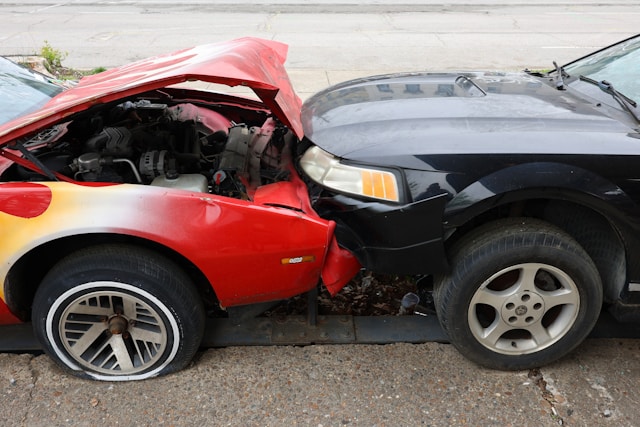
A serious one car accident can change your world in an instant. As you go about your day, you are confronted with a wave of uncertainty about damage, damage to the vehicle and what moves with it. Whether you work with shock, adrenaline or confusion, figuring out how to respond to the important moments after the accident can make a significant difference in the extraction of both physical and financial.
In this guide, we’ll discuss the steps you should take after a serious accident in Oregon, from ensuring immediate safety to understanding your legal rights, especially for impaired drivers.
Get to immediate safety and call for help
The first priority after any accident is safety. If you can move, check yourself and others involved. Then follow these steps:
- Go to a safe location. If your vehicle poses a hazard and it is safe to do so, park on the side of the road.
- Call 911 immediately. Report the accident to the emergency services, even if you think it is minor. If anyone is injured, please tell the dispatcher.
- Follow the instructions. Stay calm and wait for first responders to arrive. Avoid leaving the scene unless your safety is at risk.
Collect important information on site
After you have arranged all the security and assistance along the way, you collect more and more information. This will help with both your insurance needs and any future legal action.
Here is a list of information you can collect:
- Driver and vehicle information
- Full name and contact details
- Driver’s license number
- License plate number
- Insurance information
- To give evidence
- Names and telephone numbers of anyone who saw the accident
- Photos and video
- Damage to all vehicles
- Traffic conditions, skid marks, street signs
- Weather and lighting conditions
- Details of police report
- Officer’s name and badge number
- Case or report number (ask later how to obtain a copy)
Seek medical attention even if you feel well
It is not unusual to feel “fine” in the later moments of the accident, but with many injuries (such as concussion, whiplash, or internal trauma), symptoms may not appear immediately.
- Get examined by a medical professional. This will create a record of your condition, which is critical to any claim.
- Follow up if necessary. If new symptoms appear days later, don’t ignore them.
Prompt medical treatment helps protect both your health and your rights.
Notify your insurance company immediately
Oregon is an at-fault state, meaning the driver responsible for the accident and their insurer are generally liable for damages. However, your own insurance company must still be notified.
When you contact your insurer:
- Be factual and not speculative. Share what happened, but don’t guess or admit mistakes.
- Provide documentation. Photos, witness statements and the police report all help.
This early step can prevent delays in processing your claim and help cover immediate costs.
When the other driver had a disability
If you suspect the other driver was under the influence of drugs or alcohol, it is important to report it to the officer who responded. They will conduct a restraint test and include the findings in the report, which can significantly impact the legal consequences of the cases.
Injuries caused by impaired drivers often involve more complex legal ideas. For example, you may be entitled to punitive damages that go beyond the specific compensation. To better understand your rights in this situation, it is worth reading the guidelines on what to do if you have been hit by a drunk driver.
Consider legal guidance early
The Oregon Act allows accident victims to pursue compensation for medical bills, lost wages, pain and other injuries. But the legal process can be tricky, especially if the other driver was negligent or overcharged.
A personal injury lawyer can help you:
- Review the facts of your case
- Communicate with insurers on your behalf
- Advise on the full extent of damages you may be owed
- Represent yourself in court if necessary
It is wise to consult an attorney as early as possible to avoid common mistakes that could weaken your case.
Conclusion
The moments after a serious car accident are overwhelming, but taking the right steps can protect your health, finances, and your legal rights. From requiring medical treatment to gathering documents and talking to professionals, every action helps find a path to improvement.
If an impaired driver is involved in the accident, even more care is needed to ensure justice. No one expects you to find yourself in this situation, but you don’t have to navigate it alone. With the right support, it is possible to move forward with confidence and clarity.