


The gaming world has a new benchmark, and it’s called the Nintendo Switch 2. In just four months since its launch in June 2025, Nintendo’s latest console has stormed into homes worldwide, selling 10.36 million units. That record-breaking number officially makes it the fastest-selling Nintendo console ever, a milestone that feels even more impressive compared to the original Switch’s slower start.
The excitement surrounding the Nintendo Switch 2 has been nothing short of electric. From sold-out stores during launch week to online forums buzzing with first impressions, the hype is real, sustainable and global. But this isn’t just about selling hardware. It’s about gamers joining a revitalized Nintendo ecosystem that combines nostalgia, innovation and design evolution into a single, seamless experience.
Nintendo Switch 2: A launch that exceeded all expectations
Nintendo’s rollout strategy for the Switch 2 was nothing short of masterful. With 10.36 million units sold at the end of September, the console surpassed its predecessor by a wide margin: the original Switch took almost nine months to reach the same milestone.
Analysts attribute this momentum to a perfectly timed release, strategic marketing, and a diverse game lineup that appeals to both classic Nintendo fans and new players. The company also managed to maintain early hype through smart bundle offers, excellent early reviews, and tight integration between software and hardware. In short, Nintendo didn’t just launch a console. It started a movement.
Revised forecasts reflect unwavering confidence

Riding the wave of its blockbuster launch, Nintendo has increased its predictions across the board. The company now expects to sell 19 million units of the Switch 2 by the end of its fiscal year in March 2026 – up from its original forecast of 15 million. Software forecasts have also increased, from 45 million to 48 million games sold.
Financially, the impact is just as striking. Between April and September, Nintendo’s revenues rose 110% year-on-year, underscoring not only the success of the Switch 2 but also the strength of Nintendo’s broader ecosystem. Investors have taken notice, and the company’s rapid forecast revisions reflect growing confidence in its long-term trajectory. This isn’t just a short-term sales spike. It is a strategic turning point that redefines Nintendo’s position in the global gaming market.
What is causing the Switch 2 phenomenon

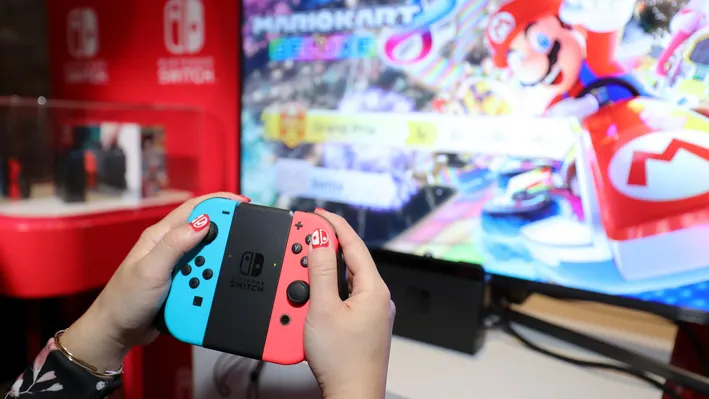
Several key factors explain the console’s meteoric rise. First, blockbuster tie-in titles like Mario Kart World And Donkey Kong Bananza have driven demand, especially through attractive bundle deals that make every purchase feel like a complete investment in entertainment.
Equally important, Nintendo avoided the supply chain pitfalls that plagued previous console launches. By anticipating demand and optimizing logistics, the company ensured consistent availability, fueling excitement rather than frustration.
Timing also played a crucial role. After years of speculation about a next-generation Switch, Nintendo delivered an upgrade that felt substantial. Gamers who skipped the original Switch finally had a reason to dive in, while old fans were drawn back by improved performance, a refined design, and a revamped game library.
The result? A product that is somewhere between nostalgia and next-generation innovation: a combination that few brands can achieve.
What it means for the gaming industry
The success of the Switch 2 marks more than a commercial victory: it signals a shift in the way console launches are defined. In today’s gaming landscape, hardware specifications alone no longer guarantee success. What is equally important is the integration of ecosystems, community energy and cultural resonance.
Nintendo has proven that a console launch can transcend transactions. It could also become a global cultural moment. Competitors are likely taking notes, as the Switch 2 shows how aligning product, software, and fan enthusiasm can accelerate adoption in ways the industry hasn’t seen before.
Looking ahead: The future of play

The early success of the Nintendo Switch 2 represents a masterclass in timing, storytelling and strategy. With more than 10 million units already in stock, higher sales forecasts and a robust pipeline of new games, Nintendo is poised for one of its strongest fiscal years yet. More importantly, the Switch 2 doesn’t just reshape Nintendo’s trajectory. It redefines what console success looks like in a new era of gaming.
For players, it’s a reminder that momentum, design, and ecosystem synergy are just as important as performance specs. It is a challenge for the sector to think bigger. The Switch 2 isn’t just a console; it’s a cultural statement and a blueprint for the future of interactive entertainment.
Featured image: Nintendo
Nintendo Direct September 2025 Recap: Legacy, Surprises, and What’s Next