

Share the article
If Mariah Carey being on repeat in every store and on the vast city squares wasn’t enough, the holidays have already started in Europe and the entire continent is gearing up for the happiest time of the year.
However, before you continue, book your tickets to London or Paris againand get thousands of euros back for a winter escapade while you’re at it, hear us out:
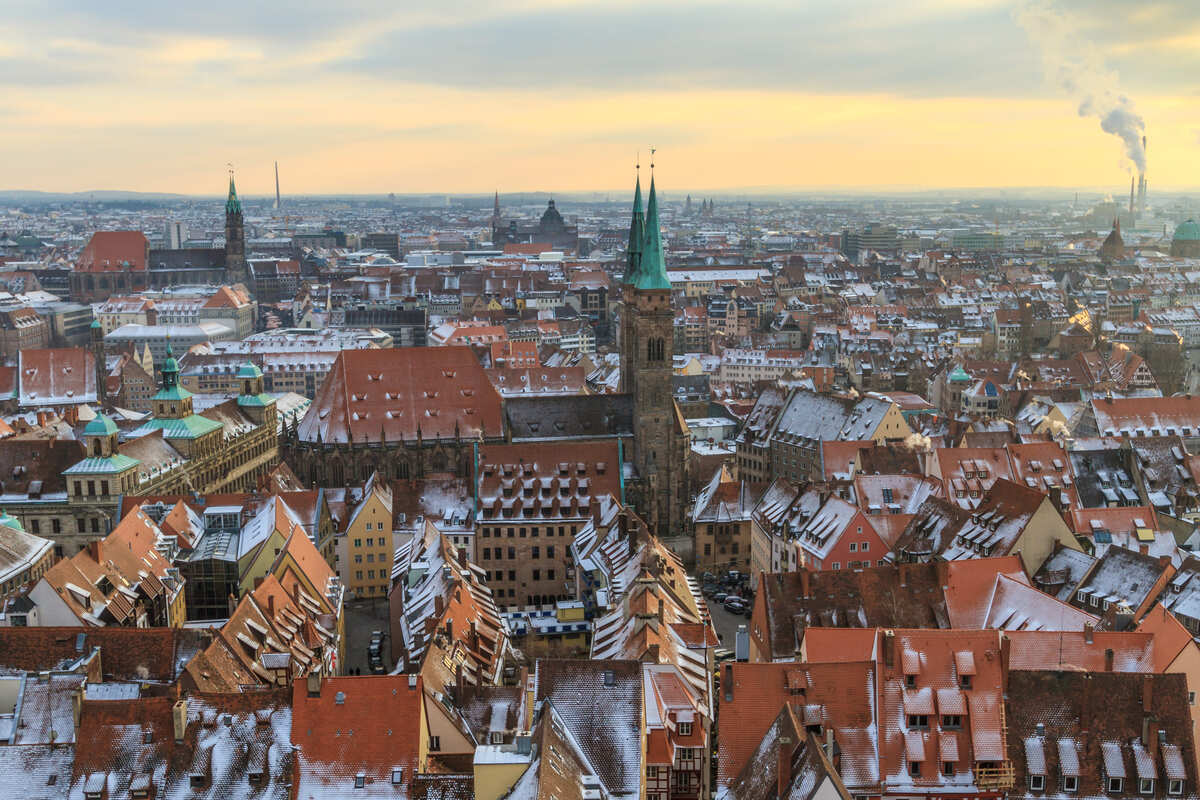
As wonderful as they may be, you won’t find Europe’s most traditional Christmas market in Hyde Park’s crowded Winter the Wonderland, nor the best value for money in an overpriced room overlooking the busy streets of Montmartre, in the north of Paris.
But this medieval city in southern Germany has all the holiday magic you could wish for, and the best part? It’s shockingly affordable by European standards.
One of the most beautiful medieval towns in Germany
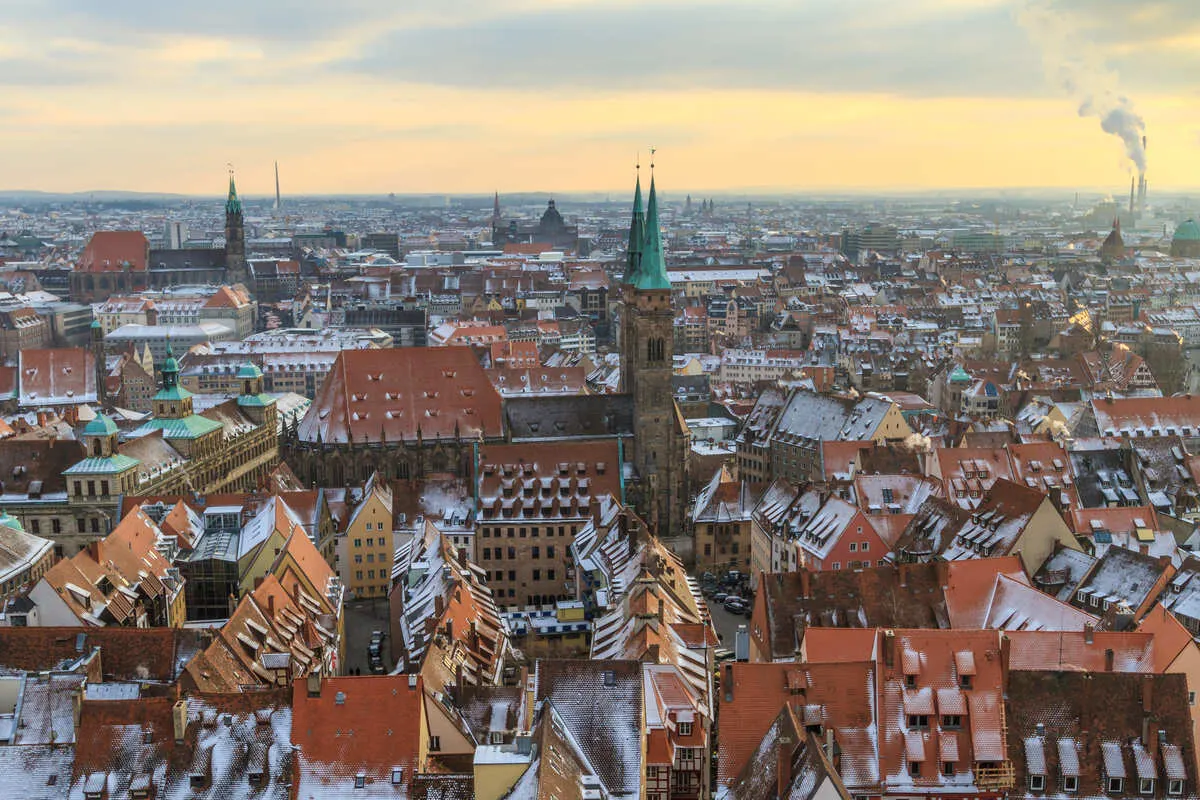
With approximately 544,000 inhabitants, Nuremberg is the largest urban area in the German state of Bavaria after Munich. As vast as the urban center may be, it is surprisingly picturesque for a city of this size:
In fact, Nuremberg is all about one beautiful Old Town with a small town atmosphere.
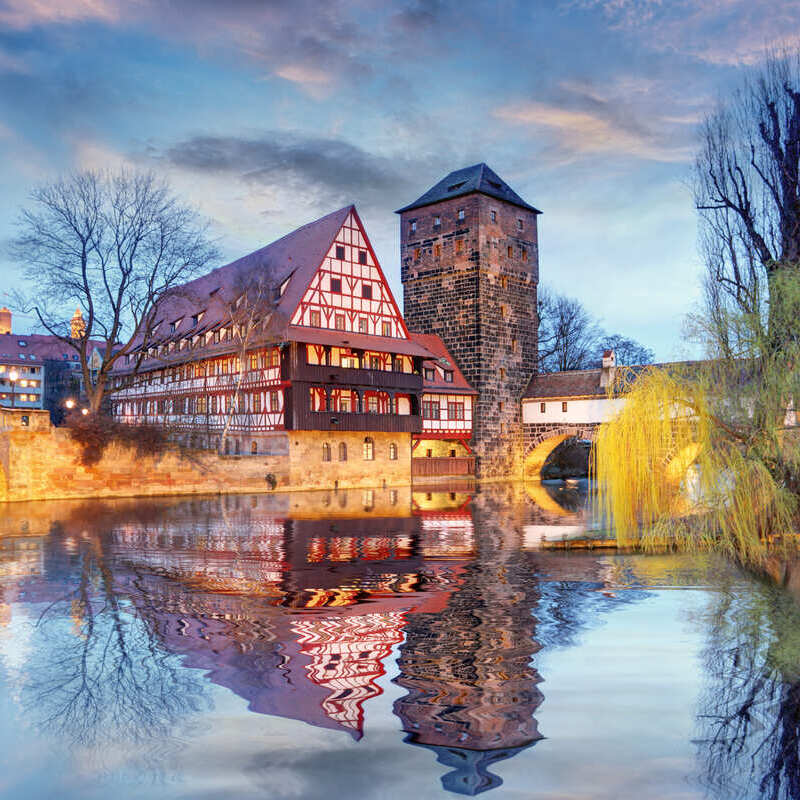
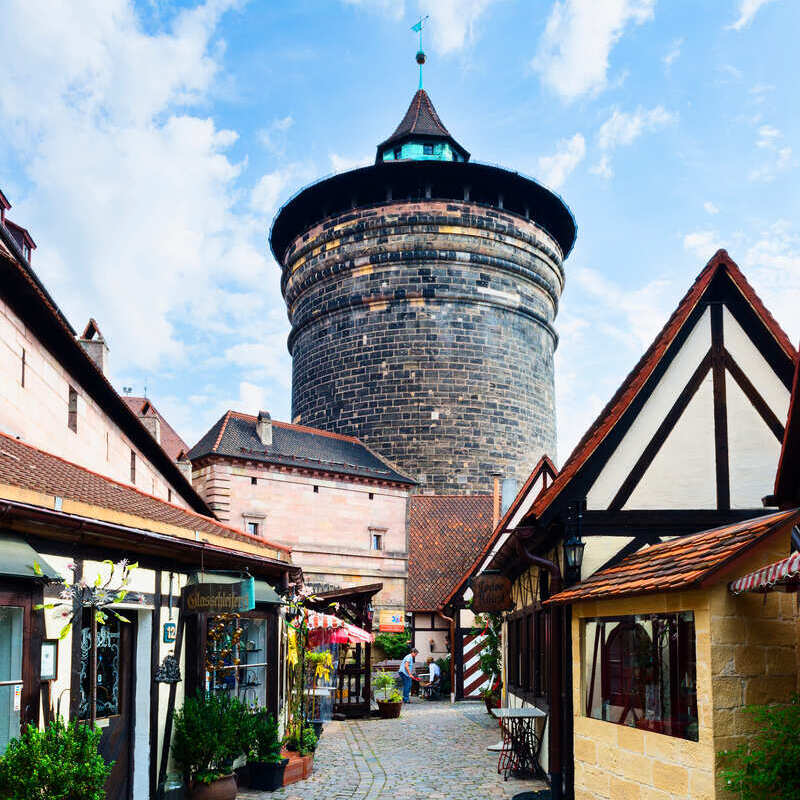
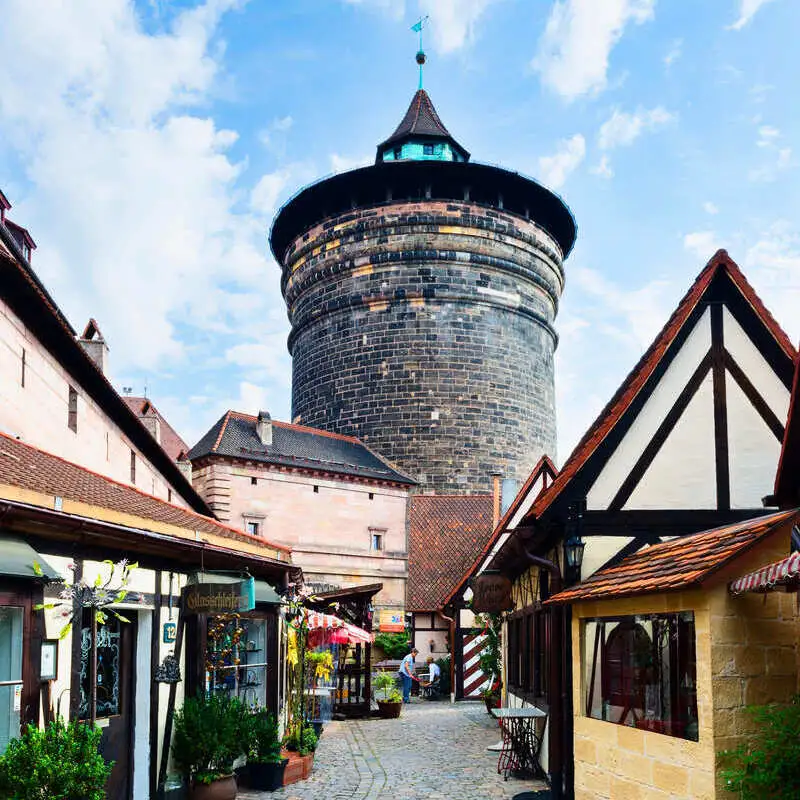
A medieval center still surrounded by imposing ramparts that guard the entrance to the old town. It is a maze of cobbled streets with the usual ornate European buildings.
The most important monument in Nuremberg sits on a prominent hill overlooking the gable roofs and church towers: it is the Kaiserburg, or Imperial Palace, with its distinctive Sinwell Tower, deep well and medieval weapons collection.
This castle was built in stages from the 11th to the 15th century and is considered a castle one of the most impressive in Europeprecisely because of its importance as a former residence for emperors of the Holy Roman Empire, and its complexity: think of multiple gatehouses, drawbridges, watchtowers and trap zones.
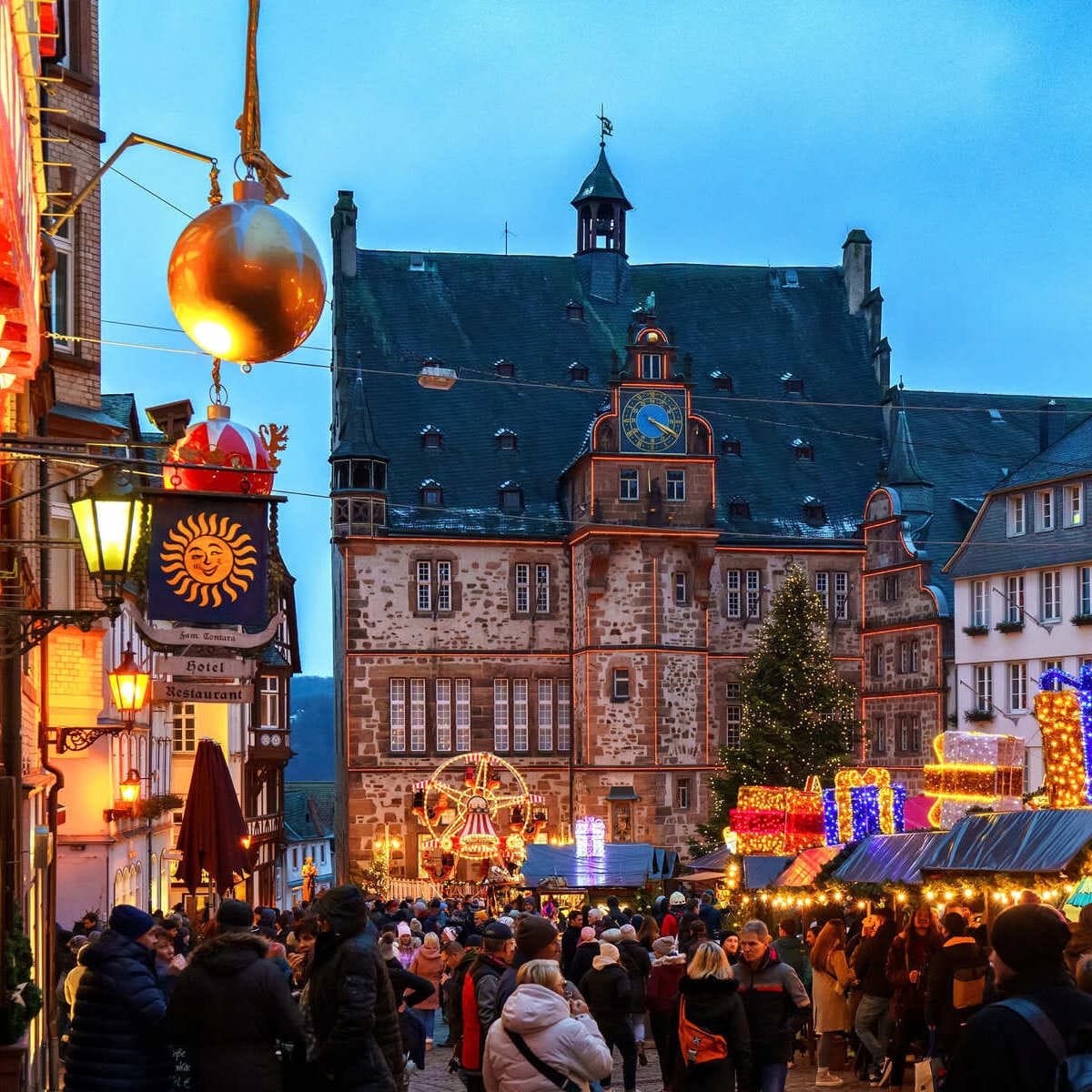
Like stepping into a scene from a storybook
At the foot of the Kaiserburg you’ll find a postcard-ready historic center that emerged from the widespread destruction of the Second World War and is even more vibrant than before, with several squares, narrow passageways and quirky craft shops to explore.
Backed by the walls of the Kaiserburg, Tiergärtnertorplatz is one of Germany’s most beautiful public squares, paved with cobblestones and surrounded by half-timbered mansionsincluding the Albrecht Dürer House, where the famous German artist lived.
It even houses a postcard-ready coffee shop, the much-photographed Café Wanderer, built into the castle’s fortifications. In winter, locals gather on the patio, under the decorated tree out front, to watch and drink as passersby mulled wine (the local mulled wine).
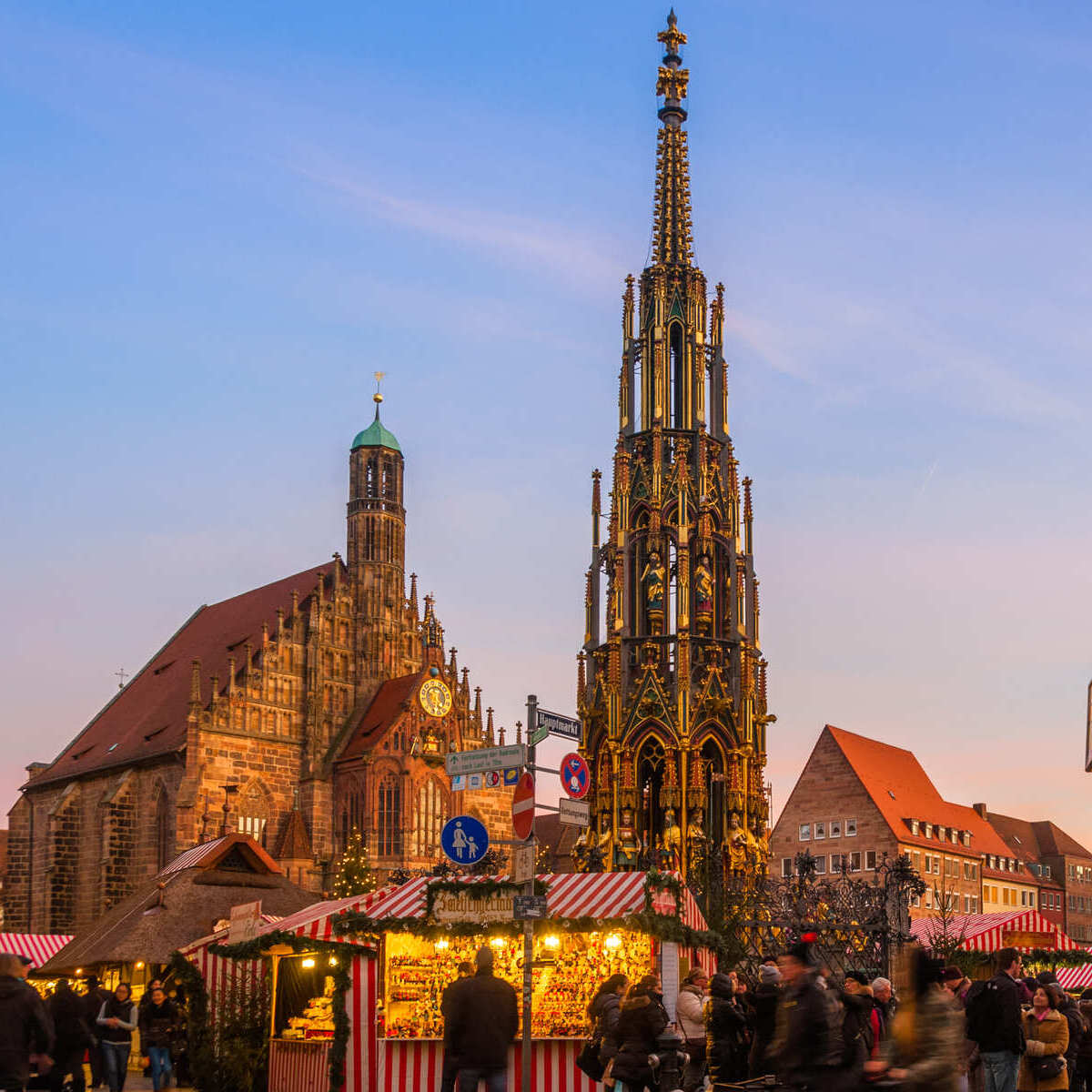
Another beautiful medieval square, the Hauptmarkt, is flanked by more relaxed cafesthe gilded, column-like Schöner Brunnen Fountain and the steep, reddish-brown sandstone Frauenkirche, one of the city’s most visually striking Gothic monuments.
If you like medieval churches, don’t miss the equally impressive St. Lorenz, known for its vaulted ceiling and enormous hall, and St. Sebaldus, smaller in size but just as beautiful in our book, with a solemn interior drawn from Romanesque and Gothic influences.
Speaking of the Hauptmarkt, this is where you will find Nuremberg’s largest and largest market most traditional Christmas market takes place.
Running from late November to December 24, it involves the installation of several rows of wooden stalls directly between the fountain and the Frauenkirche, and is where locals sample winter treats (sausage and gingerbread lovers, this is the place for you) and browse crafts.
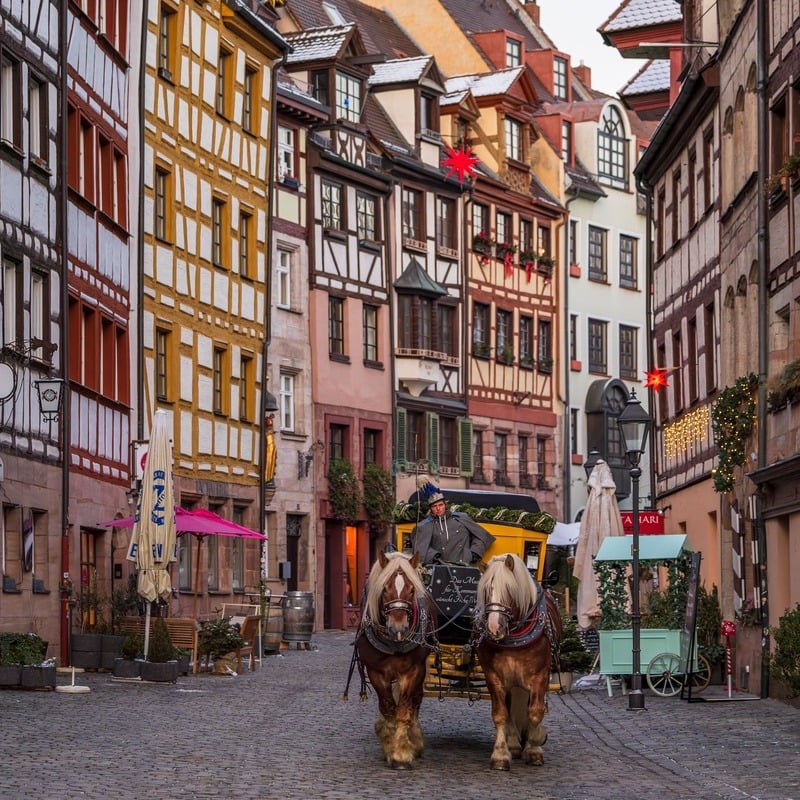
You will also find small-scale facilities on the long car-free avenue that leads to St. Sebaldus Christmas market that tends to attract local producers: farmers from wider Bavaria come here to sell their honey, candles, wool and other products homemade jam.
For those traveling with children and looking for a family-friendly environment, Kinderweihnacht (Children’s Market) offers a beautiful carousel, a Ferris wheel and even a steam train ride – and for the adults in the room, don’t worry, there’s plenty of mulled wine and beer available.
All in all, Nuremberg looks absolutely magical in winter.
Not only are there Christmas markets galore, the entire Pegnitz River Promenade that runs through the heart of the medieval core is dressed to the nines in festive lights and buzzing with holiday spirit.
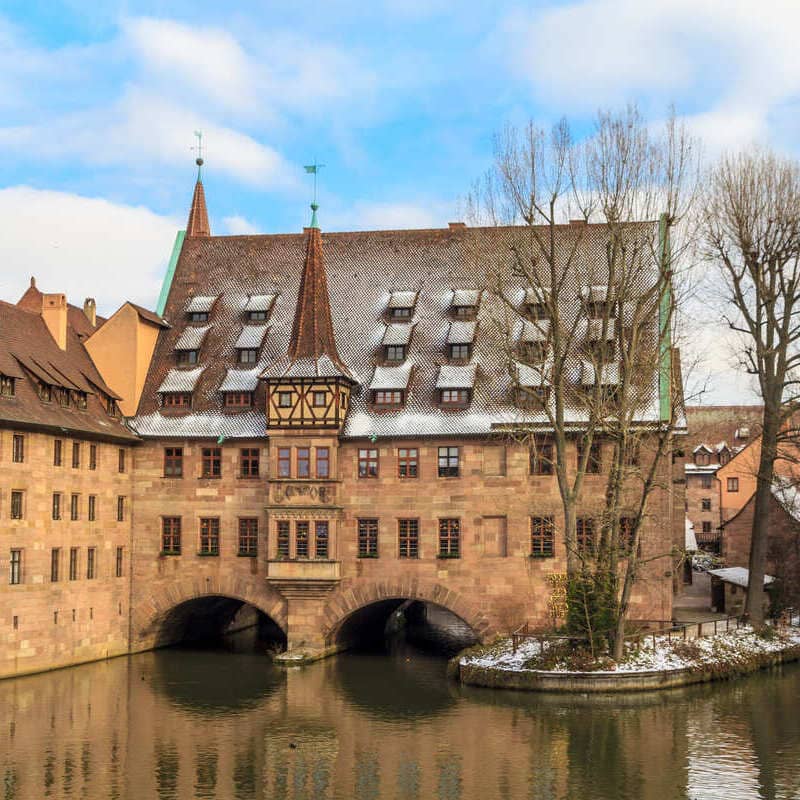
From Trödelmarkt, a river island with traditional Bavarian eateries, small shops and a quaint atmosphere, to Hangman’s Bridge, a medieval crossing that spans the fast-flowing water, it looks extra special when covered in snow.
An affordable city trip
What’s most surprising is how affordable Nuremberg is as a destination, especially considering this is Germany we’re talking about:
Unlike Munich, where hotels average $207 per night (according to Budget your trip), Nuremberg costs about $ 141. This season the cheapest hotel with the best reviews on Booking.com is Hotel Erlenstegen:
A double room yes price only $87and because it’s only a 27-minute metro ride to the city center, it’s the perfect budget-friendly base for budget travelers to explore Nuremberg.
When it comes to food, meals at local beer halls and taverns cost an average of €15 ($17), or as cheap as €3.50 ($4) at takeaways, such as bratwurst stands and bakeries in the Old Town.
For culture vultures, museums are just as cheap to visit: for example, entrance fees to the Nuremberg Trials Museum are just €7.50 (about $8.60).
Generally speaking, travelers on a budget will spend $65 per day in Nuremberg, making it an affordable winter getaway: great value for money.

Subscribe to our latest posts
Enter your email address to subscribe to the latest Travel Off Path breaking travel news, delivered straight to your inbox.


