

Pediatric counseling provides children with a space to share their feelings, support their emotional needs, and develop coping skills. But what are these sessions, what do children benefit from them, and what do parents and guardians want to know? In this article, we explain what to expect during child counseling so that families can start the session feeling confident and prepared.
Initial assessment and get comfortable
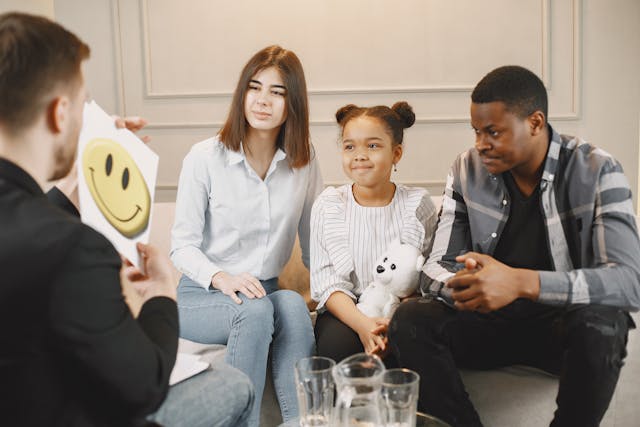
Usually the first session is of children’s advice in Machesney Park is all about building rapport. The supervisor greets the child warmly and introduces the room, so that the child feels safe and welcome. During the first meeting, the child may be asked a few questions and asked to participate in conversations or activities such as drawing, so that they feel relaxed and open. Parents can share their concerns and the child’s history, which gives the therapist a better idea of the child’s needs.
Understanding the child’s needs
After the introduction has taken place, the caregivers take the time to observe and listen to the child’s thoughts and feelings. Depending on the child and age, sessions may include talk, play, or art activities. These activities help children with emotional and experiential communication that they cannot prepare for or express. Counselors observe behavior, complete communication patterns, and examine family dynamics. This gives them an idea of the direction of future counseling sessions.
Set goals together
After the counselor identifies the child’s unique needs, they work with families to set achievable goals. For example, they may want to work on communication skills, managing anxiety, or coping strategies to deal with home or school-related problems. The supervisor explains the process step by step, so that both children and parents understand what to expect. They work closely with parents to identify challenges and set realistic goals.
Therapeutic techniques and activities
The techniques used for each session can vary depending on the child’s age and what they enjoy. For younger children, play therapy can be used, including toys, games or art to express emotions. In cases involving trauma and PTSDolder children can discuss their experiences and practice problem-solving and relaxation techniques. Counselors use positive reinforcement and creative methods to promote desired behavior. All activities are tailored to each child so that their interests and strengths are encouraged, allowing for confidence and self-expression.
Involving families in the process
Families often form a large part of child care. Counselors can occasionally bring parents or caregivers to sessions as needed and discuss progress and strategies they can use at home. Parents receive recommendations on how to respond to their child’s needs, promote communication, and support the use of new skills. This joint effort gives children a sense of support, both in therapy and at home. It’s important to keep everyone on the same page, so therapists give families regular updates to ensure they are aware of their child’s progress.
Monitoring progress and implementing adjustments
Counselors regularly assess how the child is progressing toward stated goals. They notice changes in mood, behavior and relationships during and between sessions, as reported by parents. Sometimes the child’s growth requires a change in goals or strategies. These updates ensure sessions are streamlined and relevant. This collaboration also facilitates open communication between the counselor and the family.
Supporting transitions and endings
Ultimately, most children achieve the goals of counseling and are ready to move on to ending the sessions. Counselors help families prepare for this transition by celebrating successes and helping them create a plan to continue the positive momentum. Children, parents and caregivers discuss how to meet the next challenge and how to continue using effective strategies. Some families return occasionally for follow-ups as needed. Yet the emphasis is on developing resilience and self-confidence.
Conclusion
During pediatric counseling sessions, children are offered therapy that can help them with their emotional development. These sessions often include activities and discussions about the child’s feelings and needs. Understanding what to expect during these sessions will help parents feel prepared and confident. With confidence, clear goals and teamwork, children can expect to cope more effectively with life’s challenges and become more resilient.