


The beauty world has always moved in measured cycles. Every now and then, however, a shift comes along with enough momentum to completely reset the conversation. The PDRN in the skincare trend is one of those moments that are quietly redefining how we think about skin repair, regeneration and long-lasting glow. From Korean dermatology clinics to at-home sheet masks on bathroom shelves, PDRN has evolved from insider terminology to a key ingredient. Gradually it has carried a convincing promise: skin that looks stronger, calmer and visibly renewed.
Its emergence also feels like a good time. As consumers become more educated and selective, skin care has shifted from aggressive correction to recovery. In that context, PDRN did not emerge as a flashy breakthrough. Instead, it confidently emerged as a science-backed solution rooted in healing. That silent authority is exactly what has made it possible to gain control over both professional treatments and daily routines.
What is PDRN in skin care?
PDRN stands for Polydeoxyribonucleotide, a compound derived from salmon DNA that has been widely used in regenerative medicine for years. Within skin care, it functions as a cellular repair agent, supporting tissue renewal and improving overall skin health.
Importantly, the PDRN in the skincare trend values the ingredient less for its immediate surface results and more for the way it encourages the skin to repair itself over time. This regenerative focus explains why PDRN is so closely linked to Korean beauty innovation. Long before it became mainstream worldwide, PDRN’s Korean skincare products were already positioning the ingredient as a solution for compromised, stressed or aging skin.
What does PDRN do for the skin?
At its core, PDRN supports repair. More specifically, it helps improve elasticity, strengthen the skin barrierand promotes faster recovery from inflammation or environmental damage. Over time, many users report calmer skin, smoother texture and improved hydration.
Because PDRN works at the cellular level, results are built up gradually. Instead of causing dramatic changes overnight, it promotes healthier, more resilient skin that retains moisture more effectively. The trend therefore appeals to people who are looking for long-term skin quality instead of quick solutions.
Does PDRN skin care work?
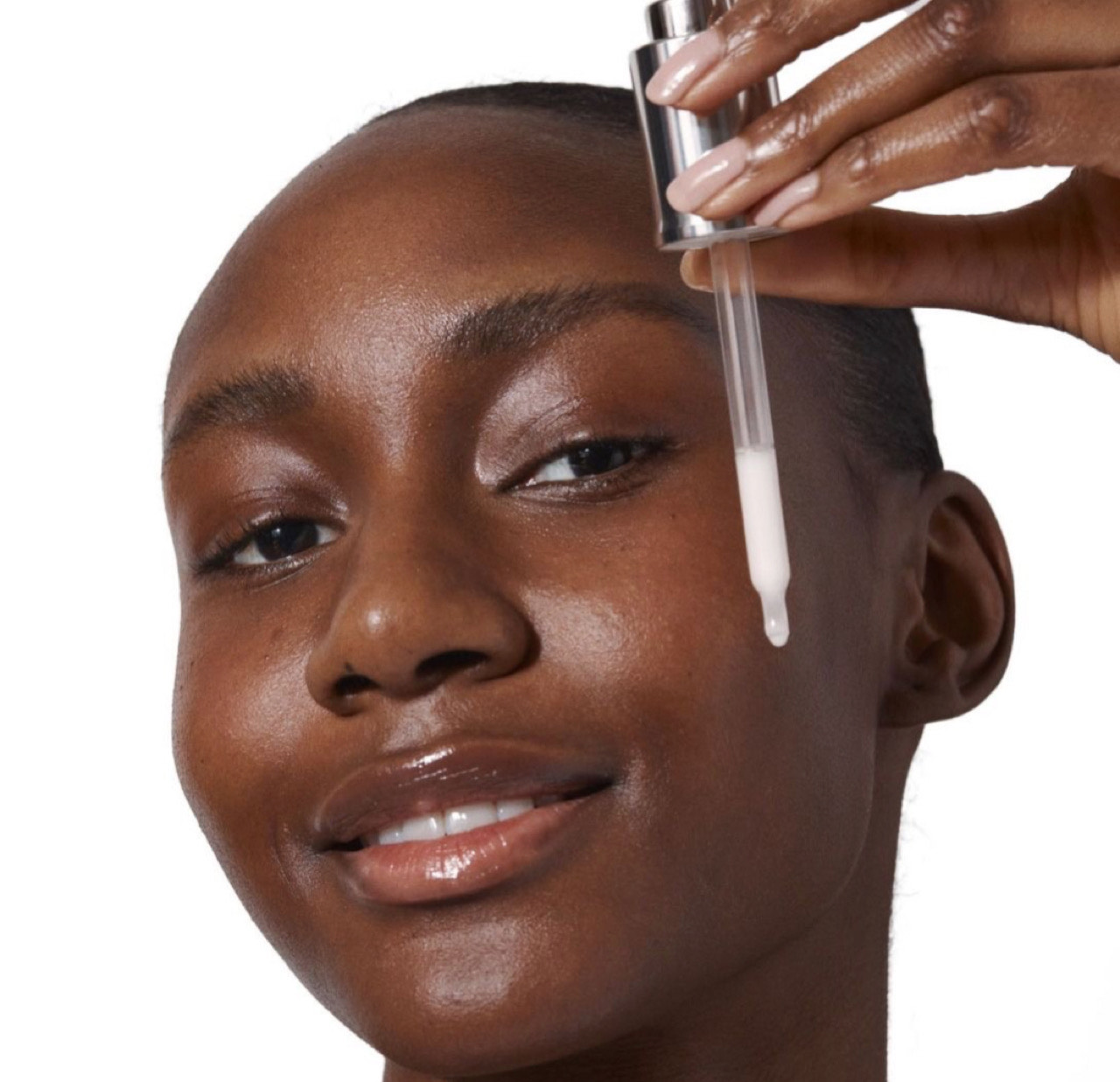
Effectiveness ultimately depends on formulation and delivery. Topical products, such as serums, ampoules and masks, mainly support the recovery and hydration of the surface. Clinical treatments, including injections and skin boosters, on the other hand, work deeper into the skin to accelerate regeneration.
In particular, scientific studies and years of medical application support the role of PDRN in tissue repair. That clinical foundation lends credibility to the expansion of skin care. Although results vary by individual, consistent use often leads to visible improvements in tone, texture and overall skin comfort.
PDRN masks and home care
For many consumers, the PDRN mask is the easiest entry point into the trend. These sheet masks are designed to soothe irritation, replenish moisture and support recovery after aesthetic treatments or environmental stress.
As a result, PDRN masks often become a must during periods of sensitivity, travel fatigue, or seasonal drought. Meanwhile, in the daily routine, PDRN serums and ampoules are typically layered with soothing ingredients such as centella asiatica or ceramides. This combination strengthens the skin barrier and enables PDRN to perform its restorative function, which fits seamlessly with the broader resilience-oriented movement in skin care.
Rejuran treatments and professional PDRN care
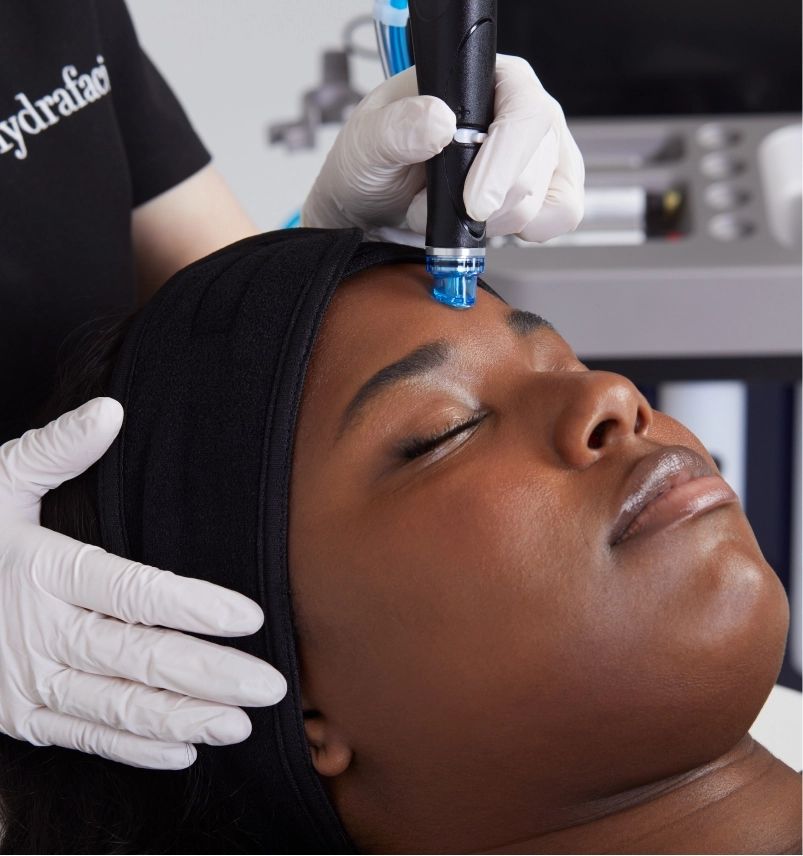
On the clinical side, Rejuran treatments have become almost synonymous with PDRN skin therapy. Often referred to as a skin booster, Rejuran involves microinjections of PDRN to stimulate regeneration from within.
The treatment is especially sought after for improving texture, fine lines and overall skin density. Although it involves some recovery time and a gradual healing phase, the results can last for several months. This longevity explains why Rejuran remains a cornerstone of professional PDRN care, especially for those seeking noticeable refinement without reliance on volumizing fillers.
PDRN vs. retinol and hyaluronic acid
As regenerative skin care gains more and more attention, PDRN is often mentioned alongside retinol and hyaluronic acid. On the surface, they have similarities: smoother texture, improved hydration and healthier-looking skin. Yet their mechanisms differ considerably.
Retinol accelerates cell renewal. While this can fade discoloration and refine texture, it often stresses the skin barrier, leading to dryness or sensitivity during adjustment periods. Hyaluronic acid, on the other hand, focuses on hydration. It draws moisture into the skin, temporarily plumping fine lines and improving surface comfort. However, its effects depend on continued application and do not actively repair the skin at the cellular level.
PDRN takes a clearly regenerative approach. Rather than forcing renewal or simply providing hydration, it supports the skin’s intrinsic repair processes. This distinction is central to the PDRN in the skin care trend, especially for those recovering from treatments, managing sensitivity, or looking for gradual improvement without irritation.
Rather than replacing retinol or hyaluronic acid, PDRN often supplements them. Routines increasingly include hyaluronic acid for hydration, retinol for targeted correction and PDRN to support recovery and resilience. This layered strategy reflects a broader shift in skincare philosophy that prioritizes balance and long-term health over aggressive transformation.
How Long Do PDRN Results Take?
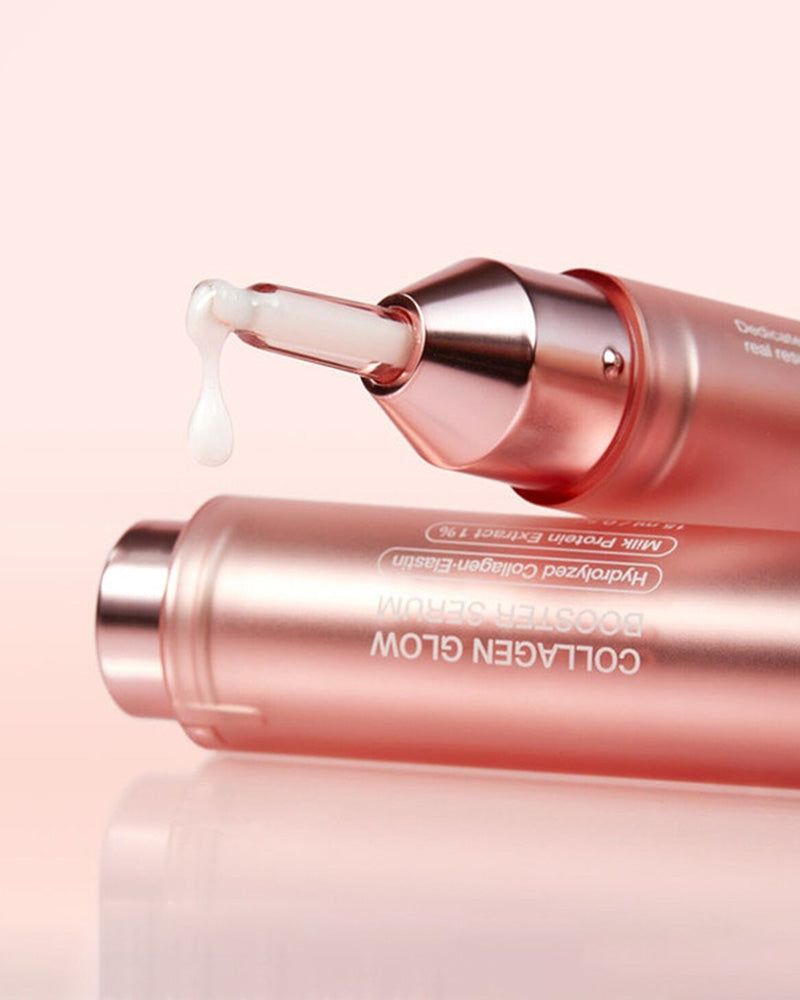
With topical products, results depend on consistent use, as with any active ingredient. Clinical treatments like Rejuran typically produce results that last three to six months, depending on individual skin condition and lifestyle factors. Maintenance sessions can help prolong improvements and maintain skin health.
How much does PDRN cost?
The price varies considerably. PDRN masks and serums for home use span mid to premium categories, making the ingredient accessible to a wide audience. In contrast, clinical PDRN treatments are significantly more expensive, reflecting the expertise and regenerative depth involved.
This layered accessibility has played a crucial role in the trend’s expansion, allowing consumers to engage at a level that fits both their budget and their goals.
Shop editor edit
Why PDRN feels like the future of skin care
Ultimately, PDRN’s appeal lies in its alignment with modern skincare values. It prioritizes recovery over aggression, long-term resilience over short-term results, and scientific credibility over hype.
From soothing sheet masks to advanced Rejuran treatments, its versatility has found a place in both daily routines and professional dermatology. As conversations about skin health become more nuanced, the PDRN in the skincare trend feels less like a fleeting phase and more like a fundamental shift. After all, the most transformative changes often take place beneath the surface, quietly building the skin from within.
Featured image: The Honest Company
—Read also
Rejuran injection: why this skin-healing treatment is now widely available