

The adrenaline rush of motorsport can be exciting and create bonding moments for many parents and children who share this interest. However, when introducing your children to this exciting world, promoting safety should be your priority. You should focus on providing the right equipment, child-friendly equipment and education on safe driving habits.
With the right precautions and guidance, motorsports can be a fantastic source of entertainment, while also teaching children valuable lessons. Consider the following insights to provide yours with a solid, safety-first motorsport foundation.
1. Create a mentality that puts safety first
Safety should always be the cornerstone of any motorsport introduction as these activities inherently carry risks. It is critical to cultivate a safety mindset from the start, and this starts with adhering to the rules and regulations that promote safe driving or driving. Providing the correct safety equipment (helmets, gloves and suitable protective clothing) is essential to minimize risks.
However, safety goes beyond just the right gear. To ensure that your children receive proper guidance, responsible adult supervision is necessary. Additionally, teaching in the right environment, such as designated circuits or safe, controlled settings, further reinforces the importance of motorsport safety. Prioritizing these aspects lays the foundation for a safe, enjoyable and safe introduction.
2. Choose motor sports that suit your child’s age and maturity
Not all motor sports are suitable for every age group, so it is essential to choose activities that suit your child’s age and maturity. Getting started with the right motorsports can develop your children’s skills while promoting excitement and safety.
Karting
Karting is a solid starting point for young racing enthusiasts, with kids kart and putt-putt levels encouraging children from 3 years old or 4 to participate. The arrive-and-drive options allow you to experience the thrill of the race without the obligation to own a kart. These controlled track environments provide a safe space where children can learn the basics of driving and racing in a playful way.
Off-road driving
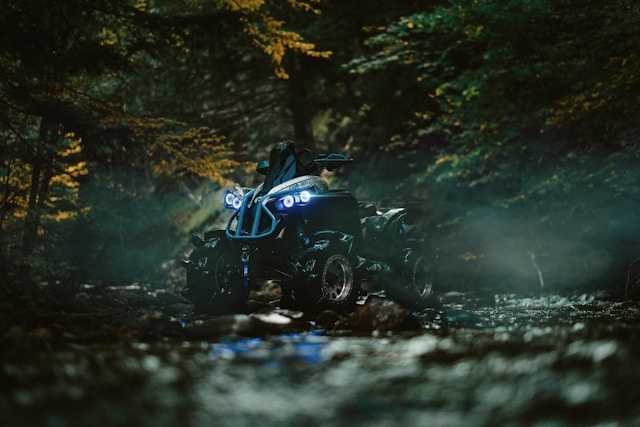
Off-roading ATVs and UTVs is a recreational, family-oriented alternative to competitive racing for kids and their parents. An ATV is a single-seater vehicle, with child versions with engines under 70cc and speeds from 10 to 20 mph, complete with controls such as speed limiters and remote shut-offs for parents.
You can also opt for UTV options with bucket passenger seats for your children under 6 years old. These types of motorsport vehicles allow children to experience the outdoors while learning safe, responsible vehicle handling.
3. Invest in certified safety equipment
When introducing your children to life behind the wheel or wheel, having adequate safety equipment is a non-negotiable. Equipping young riders with the proper protective equipment will ensure their safety while learning increases their self-confidence on the court or track.
A legal helmet is a must
A DOT certified helmet is required for every rider in the United States, but illegal, unsafe “novelty” replicas are still making the rounds. Make sure you get your young motorsports student a full-face helmet that meets DOT safety standards. It should fit snugly around the head without being too tight, provide maximum protection against impacts and ensure comfort during rides. A well-fitting helmet reduces the risk of serious head injury.
Essential riding gear
In addition to a DOT-compliant helmet, you should provide your young rider with over-the-ankle boots, gloves and goggles to protect their vision and limbs. Wearing long-sleeved shirts and durable pants or a special riding suit is also crucial to protect you from abrasions and the elements.
4. Establish responsible habits early
Establishing responsible habits early on is crucial for young motorsport enthusiasts. Even if your children will stay away from public roads for years to come, learning the established rules will benefit them on the track or trail. Emphasize the importance of situational awareness – be aware of their surroundings, including other riders, drivers and changing terrain or track conditions.
Encourage your children to check and recheck blind spots and pay attention to nearby pedestrians. Understanding and following these principles will increase their safety and encourage a culture of respect and responsibility among all riders.
5. Find a safe and legal place to learn
When introducing your children to motorsports, avoid riding in potentially unsafe locations, such as public roads or unsupervised areas. Instead, look for designated off-highway parking lots, private race tracks or local clubs that offer a beginner-friendly environment.
These locations often have taken safety measures that create controlled spaces where your children can develop their skills while enjoying the excitement that comes with it. Choosing safe locations ensures a positive and safe driving experience for your young enthusiasts.
Introduce motorsports as an example
Parents are the ultimate role models for young riders. Introducing your children to motorsports while consistently wearing safety equipment and respecting the rules demonstrates the importance of safety and responsibility in the best possible way. You’ll reinforce each valuable lesson by doing this during your shared experiences.
Author biography
Oscar Collins is editor-in-chief of Modded, where he writes about health and fitness. Follow him on Twitter @TModded for regular updates on his work, and subscribe to Modded Minute for more!