


Losing daily necessities isn’t dramatic until it is. A lost laptop can crash for an entire working day. A missing suitcase can derail a vacation before it even starts. In an era characterized by frequent travel and increasingly valuable technology, tracking devices have evolved from novelty gadgets to everyday necessities. That’s exactly where the Apple AirTag 2 comes into the conversation.
Apple’s second-generation tracker isn’t reinventing the category. Instead, it refines it, and in meaningful ways. With greater Precision Finding range, smarter travel-friendly features and strengthened privacy protections, AirTag 2 focuses on improvements that directly impact real-world use. Instead of offering cosmetic updates, Apple prioritized upgrades that make recovering lost items faster, easier, and significantly less stressful.
Precision research that changes the experience
Shop here
The most consequential upgrade in AirTag 2 is the expanded Precision Finding range. Apple’s Find My app lets users track nearby tagged items using directional arrows, real-time distance updates and haptic feedback, which is already one of the most intuitive systems available. Now AirTag 2 extends that experience even further. Thanks to improved Ultra Wideband capabilities, Precision Finding operates at almost double the range in open settings compared to the previous generation. Even in busy environments full of walls, electronics and signal interference, the improvement is palpable.
Importantly, this is not a technical improvement that lives on paper. It changes real world scenarios. Detecting a lost bag from across an airport terminal, rather than anxiously walking along the baggage claim, saves both time and frustration. Placing a backpack across a large office without tracking every step will regain momentum in your day. When considering whether AirTag 2 is worth the upgrade, this extensive range alone makes a compelling argument. Search less. More security. More peace of mind.
Smarter travel integration
Air travel remains one of the most common pain points for lost belongings. Traditionally, tracking delayed baggage involves vague updates and long wait times. AirTag 2 changes that dynamic. Temporary location sharing capabilities designed for airline workflows allow authorized personnel to more accurately locate missing baggage. This makes the device more than a passive tracker. It is evolving into an active recovery tool embedded in the travel ecosystem.
For frequent flyers, this improvement is significant. It introduces a sense of control in situations where customers typically feel powerless. Instead of hoping for updates, users can provide actionable location data.
Subtle audio improvements that matter

Shop here
In addition to range and travel integration, Apple has also refined the AirTag 2’s speaker system. The new bell plays at a slightly higher frequency, making it easier to distinguish it from ambient noise. While not necessarily louder, the new tone cuts through busy environments more effectively.
It’s a subtle adjustment, but subtle refinements often define everyday technology. When searching between the couch cushions or under a car seat, clearer audio cues shorten the hunt. Incremental upgrades like these strengthen the product’s reliability without changing the familiar design.
Familiar design, flawless compatibility
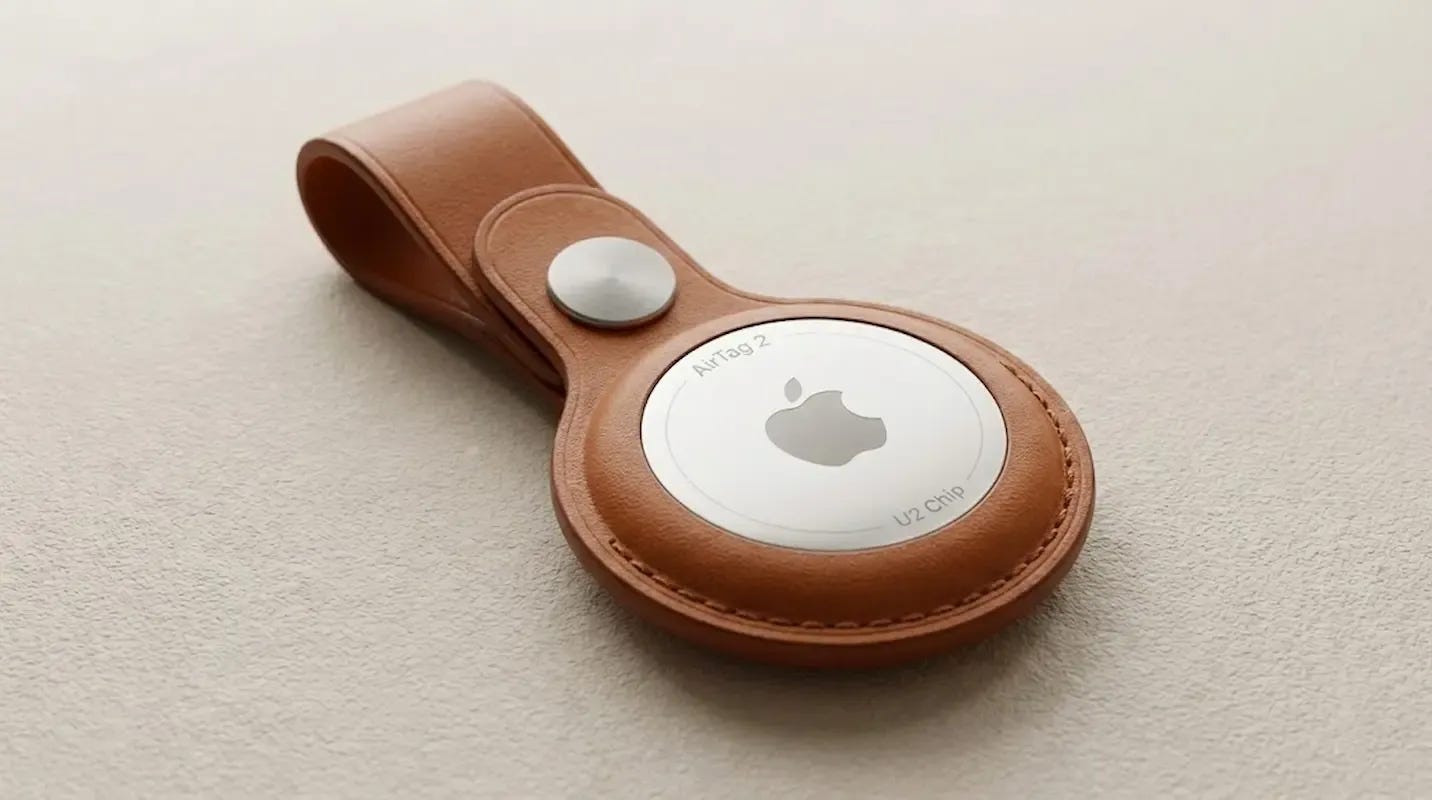
Visually, AirTag 2 remains virtually identical to its predecessor. That consistency is intentional. The compact form factor remains the same, ensuring all existing AirTag accessories remain compatible. There is no need to replace key rings, holders or brackets. The user-replaceable battery also remains, providing about a year of use before a simple replacement is needed. Instead of redesigning what already worked, Apple opted to improve performance while maintaining familiarity. For consumers, that decision reduces friction. Upgrading feels seamless, not disruptive.
Enhanced privacy protection

Any conversation about tracking devices should be about privacy. Apple continues to invest in anti-stalking alerts and unwanted tracking alerts, strengthening user protection with Apple’s AirTag 2. The improvements demonstrate the maturity of the category. As tracking technology improves, responsible implementation becomes more important. AirTag 2 combines functionality with privacy protection to strengthen credibility.
In the broader technological field, that balance is essential. The improvements to the AirTag 2 naturally raise the question: who will benefit most from this update?
Who should upgrade?
Not every device update guarantees an immediate replacement. But AirTag 2 delivers measurable improvements in its core function: locating lost items quickly and efficiently. For those who travel frequently, carry valuables, or rely on accurate tracking, AirTag 2’s longer range and improved features make a strong case for upgrading, making better performance worth the investment.
For casual users, the upgrade may not feel urgent. Still, the added travel integration, better audio, and stronger privacy all contribute to a noticeably better tracking experience.
A practical, meaningful upgrade
Shop here
AirTag 2 is a practical upgrade because it noticeably improves accuracy, integrates with travel routines, improves audio cues, and makes privacy more robust, with each feature clearly warranting an upgrade for many. That combination makes the AirTag 2 more than a typical update. It is a thoughtful evolution of a product that many people already rely on every day.
Ultimately, it’s about reducing stress and regaining control. In a world where the loss of essentials can quickly lead to disruption, AirTag 2 offers something simple yet powerful: reassurance.
Featured image: Analytics Insights
—Read also