


For decades, the tie was fashion’s most predictable accessory. It followed clear rules: centered under the collar, neatly knotted and hanging just long enough to brush the belt. Most men learned the same knots early in life: the reliable four-in-hand or, for the more ambitious dresser, the half-Windsor. For generations, that formula hardly changed. Today, however, the fashion landscape looks very different. In an age where experimentation determines relevance, the tie is undergoing a surprising reinvention.
What we’re seeing now is a creative reinterpretation of what badgers can be. Designers, celebrities and stylists are breaking the long-standing conventions that once defined the band. From unconventional buttons to dramatically changed silhouettes, the accessory has gone far beyond boardroom formality. Instead, it has become a canvas for personal style and a symbol of fashion’s ongoing dialogue between tradition and reinvention.
From basic business product to fashion playground
For much of the late twentieth and early twenty-first centuries, the tie was inextricably linked to corporate culture. It showed professionalism, discipline and adherence to a dress code. But as workplaces gradually adopted more relaxed dress standards, ties quietly disappeared from the everyday wardrobe. Open collars, knitwear and hoodies replaced what was once a mandatory accessory.
Yet fashion rarely abandons an item for good. Because style operates in cycles, tailoring’s recent return to runway and street style has naturally brought the tie back into the conversation. This time, however, it won’t return in the conservative form most people remember. Instead, the modern comeback views the tie less as a rigid uniform piece and more as a tool for expression.
Runway designers are the driving force behind this shift. Instead of simply adding the tie as a finishing touch, they are rethinking its placement, shape and role within an outfit. As a result, the tie enters a new phase, one in which it participates in style experimentation rather than reinforcing strict formality.
Shop editor’s picks
Designers rewrite the rules
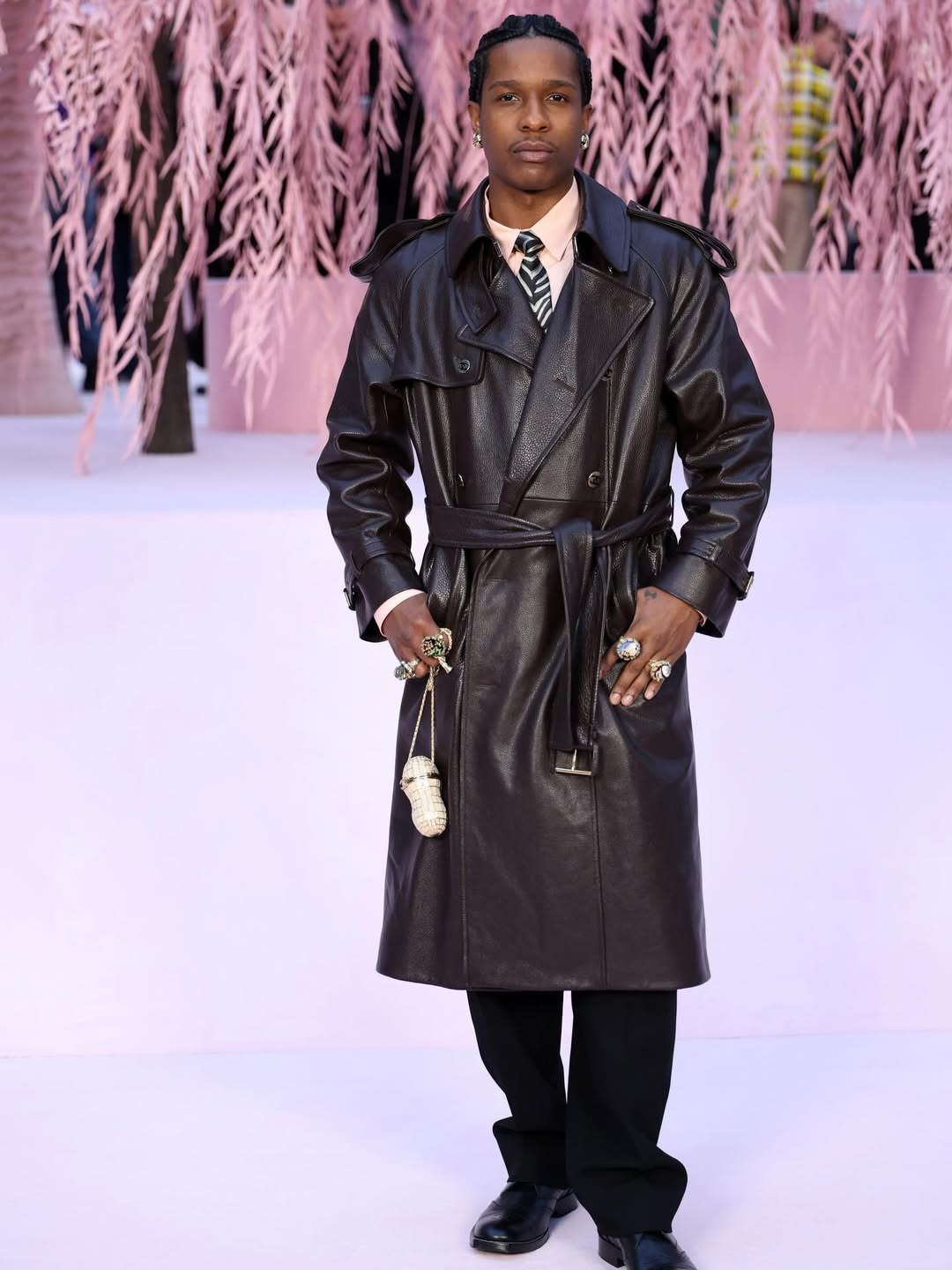
Recent catwalk collections show how far designers are willing to push the boundaries of classic menswear. Creative reinterpretations of the tie have appeared at several influential fashion houses, each offering a unique perspective on how the accessory could evolve.
Some designers are experimenting with the interaction between the tie and the shirt itself. For example, in certain looks, the tie loop sits outside the collar and not underneath, creating a subtle rebellious effect. Others focus on knotting techniques and introduce intricate styles that transform the tie into a sculptural centerpiece.
Meanwhile, some interpretations are much more radical. In a few collections, designers have tucked the blade of the tie between the buttons of shirts. In other cases, the length of the tie is dramatically extended, sometimes almost to the knees. There are even examples of ties being worn inside out, exposing labels and inner linings and disrupting the polished aesthetic that people deliberately expect.
Taken together, these approaches indicate something bigger than a seasonal trend. They suggest that the tie is evolving into a flexible accessory that can reflect individual identity.
Street style embraces the tie again
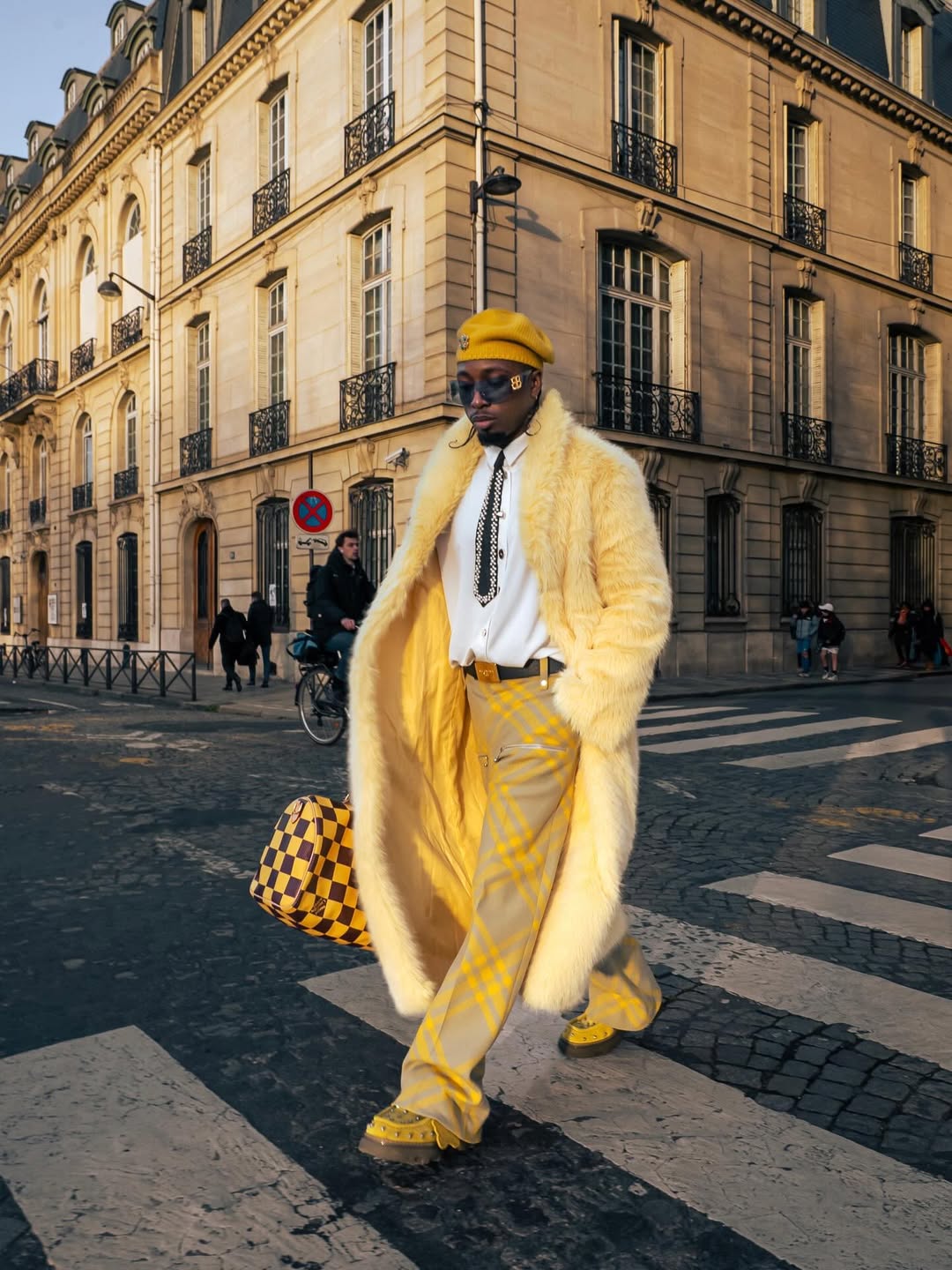
Although experiments on the catwalk can get the conversation started, street style ultimately determines whether a trend will catch on. In this case, the streets are embracing the tie revival with surprising enthusiasm.
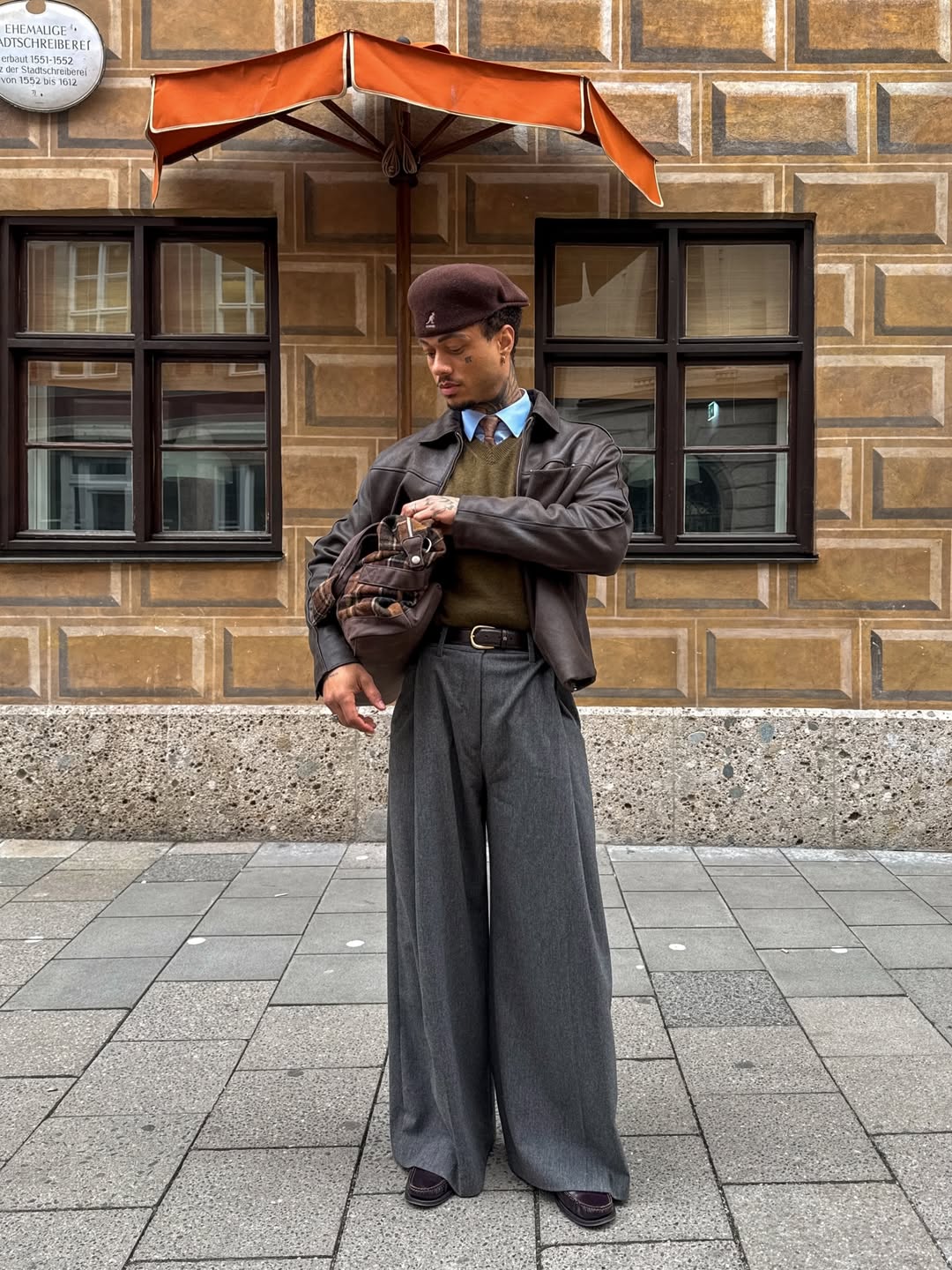
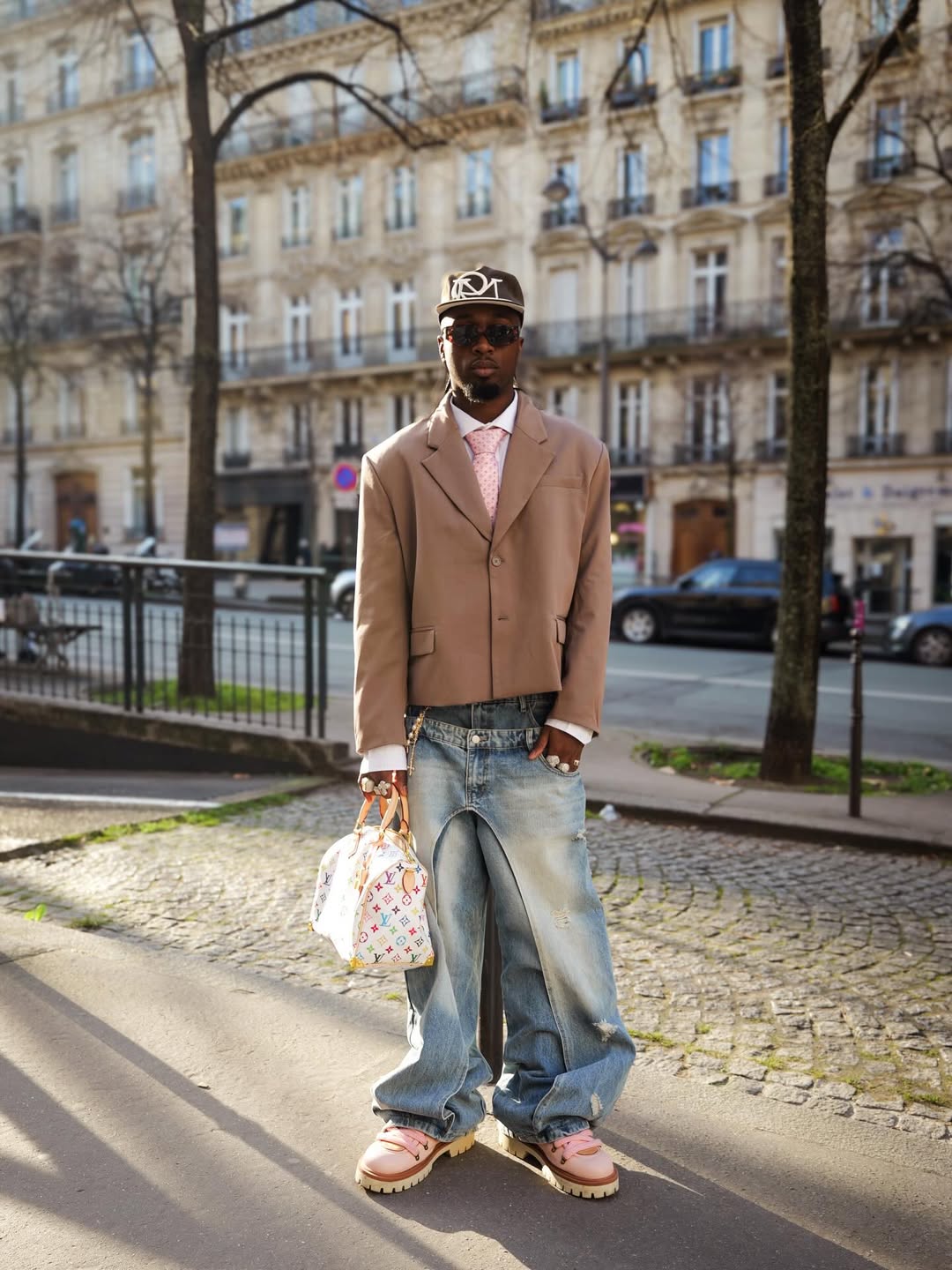
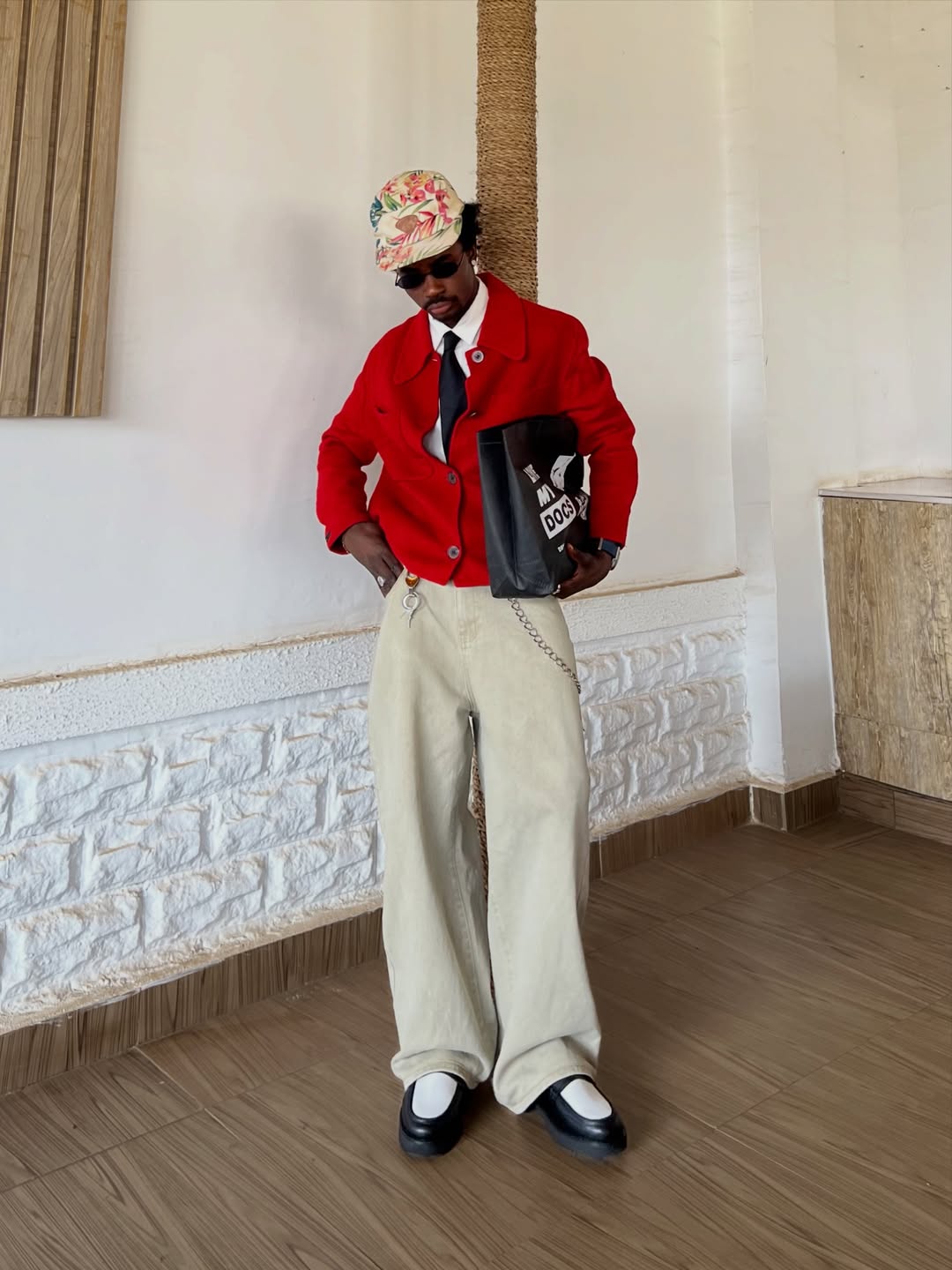
Younger clothing makers in particular are combining ties with oversized shirts, relaxed tailoring and even casual garments such as denim jackets or knitted sweaters. Instead of being a sign of formality, the tie now adds contrast to otherwise relaxed outfits. Depending on how it’s designed, it can feel ironic, playful, or deliberately subversive.
Celebrities have also accelerated this shift. Musicians and actors often wear loosely knotted, openly draped, or deliberately extended ties beyond traditional proportions. These style choices challenge the age-old rule that a tie should end right at the waist. Today, that directive feels more like a suggestion than an obligation.
In this new context, the tie is less about etiquette and much more about attitude.
Shop Editor’s Picks
The cultural significance behind the comeback
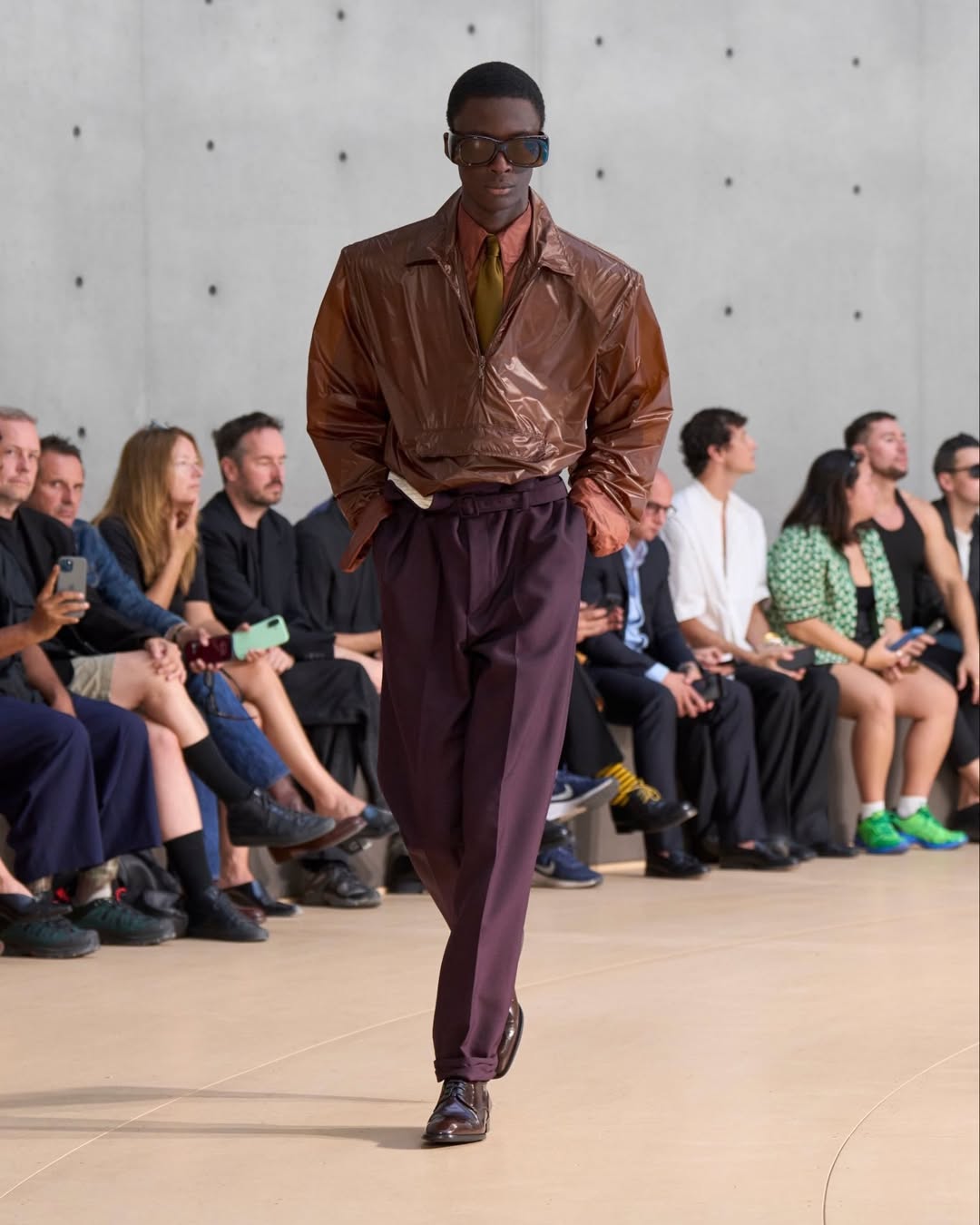
Fashion rarely revives a garment without a broader cultural meaning. The return of the tie coincides with a moment when menswear is rediscovering structure and elegance after years of being dominated by ultra-casual clothing.
Yet this revival is not purely nostalgic. Instead of returning to strict dress codes, designers and stylists are using classic garments as tools to reinvent them. In this sense, the tie symbolizes a balance between heritage and experiment.
There is also a generational dimension to the trend. Younger consumers approach traditional garments with curiosity rather than commitment. Instead of following established rules, they question them and thereby transform well-known pieces into something new.
Tradition still has its place

Despite all the experimentation, the classic tie hasn’t disappeared – and it probably never will. Formal occasions still rely on the traditional version: neatly knotted, centered under the collar and correctly proportioned. Job interviews, weddings and ceremonial events continue to call for the timeless elegance of a well-worn tie.
What has changed, however, is the context around it. Modern fashion culture offers space for both tradition and rebellion. You can still wear a tie the way it was taught decades ago, but you can also reinterpret it in a way that feels personal.
That flexibility is exactly what keeps the tie relevant. It carries with it decades of sartorial history and still offers endless possibilities for reinvention.
Shop Editor’s Choice
A small accessory that starts a big conversation
The renewed interest in the tie reflects a broader shift in the way fashion approaches classic menswear. Instead of abandoning tradition, designers are giving it a new form.
The revival of the tie shows that even the most well-known pieces can evolve when creativity comes into play. More importantly, it encourages a new mentality towards clothing, one that favors experimentation over rigid rules.
A tie can still exude sophistication. But it can also express personality, humor and artistic intent. And that is perhaps the most interesting transformation of all. What was once the most predictable accessory in a man’s wardrobe has suddenly become one of the most dynamic.
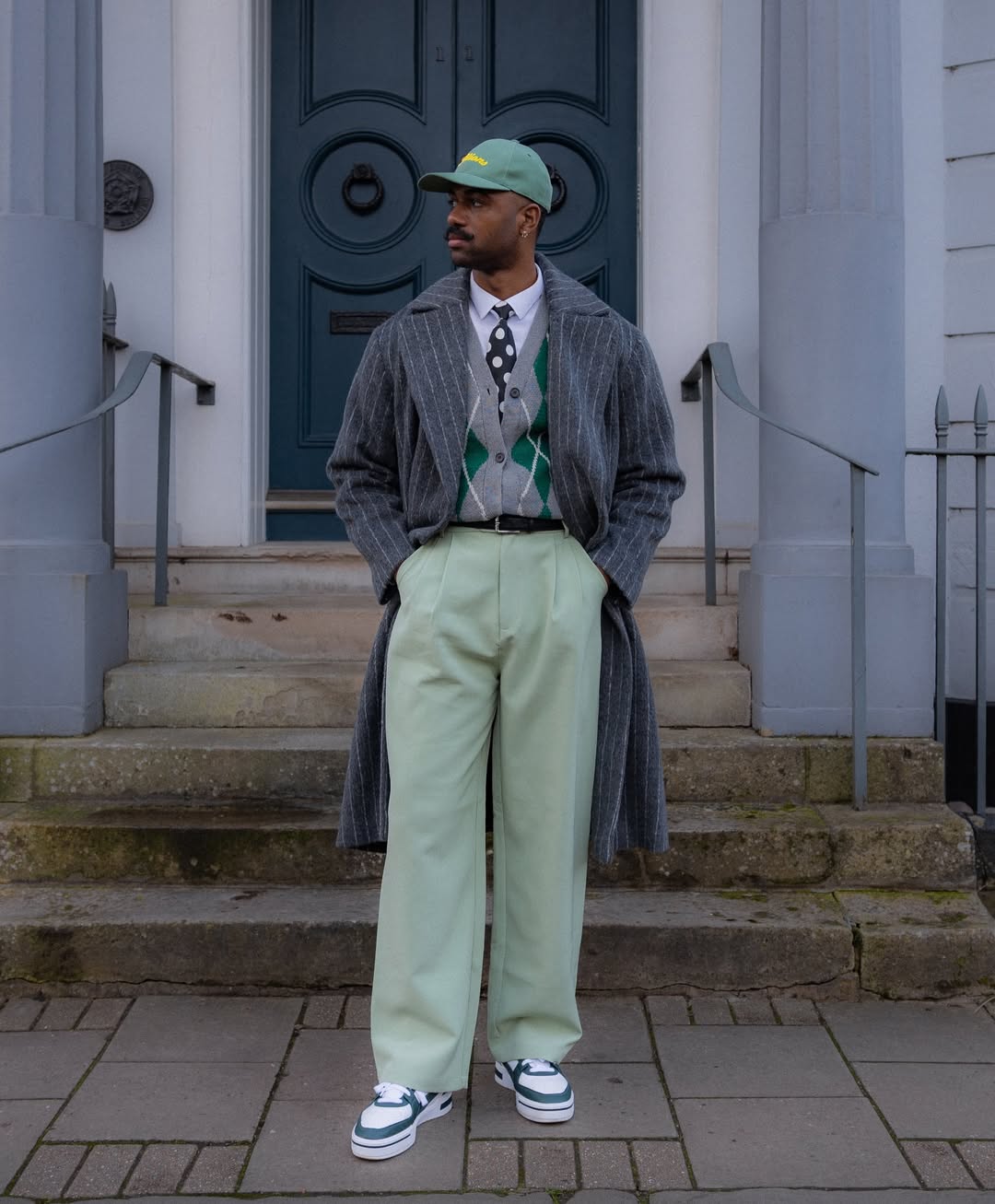
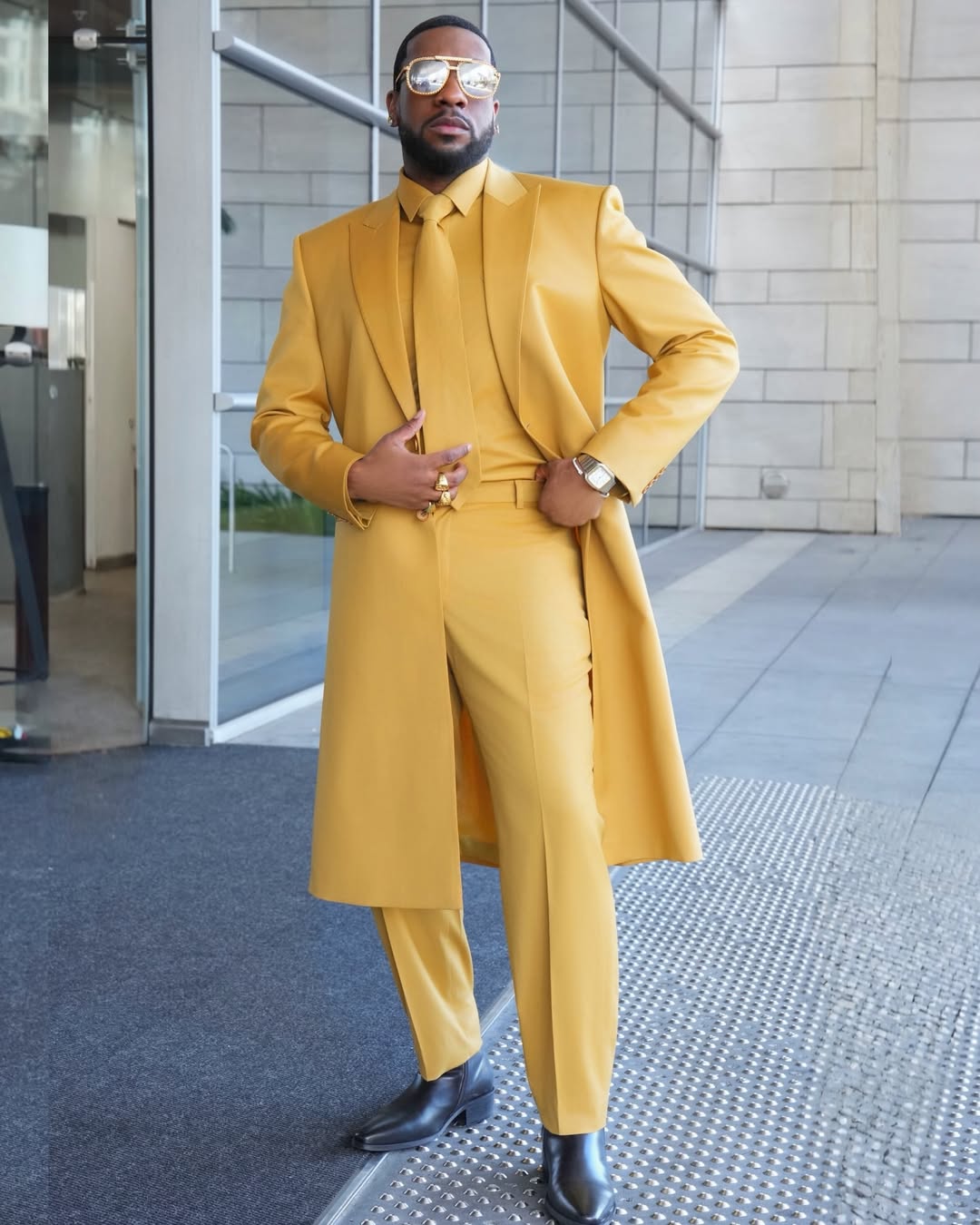
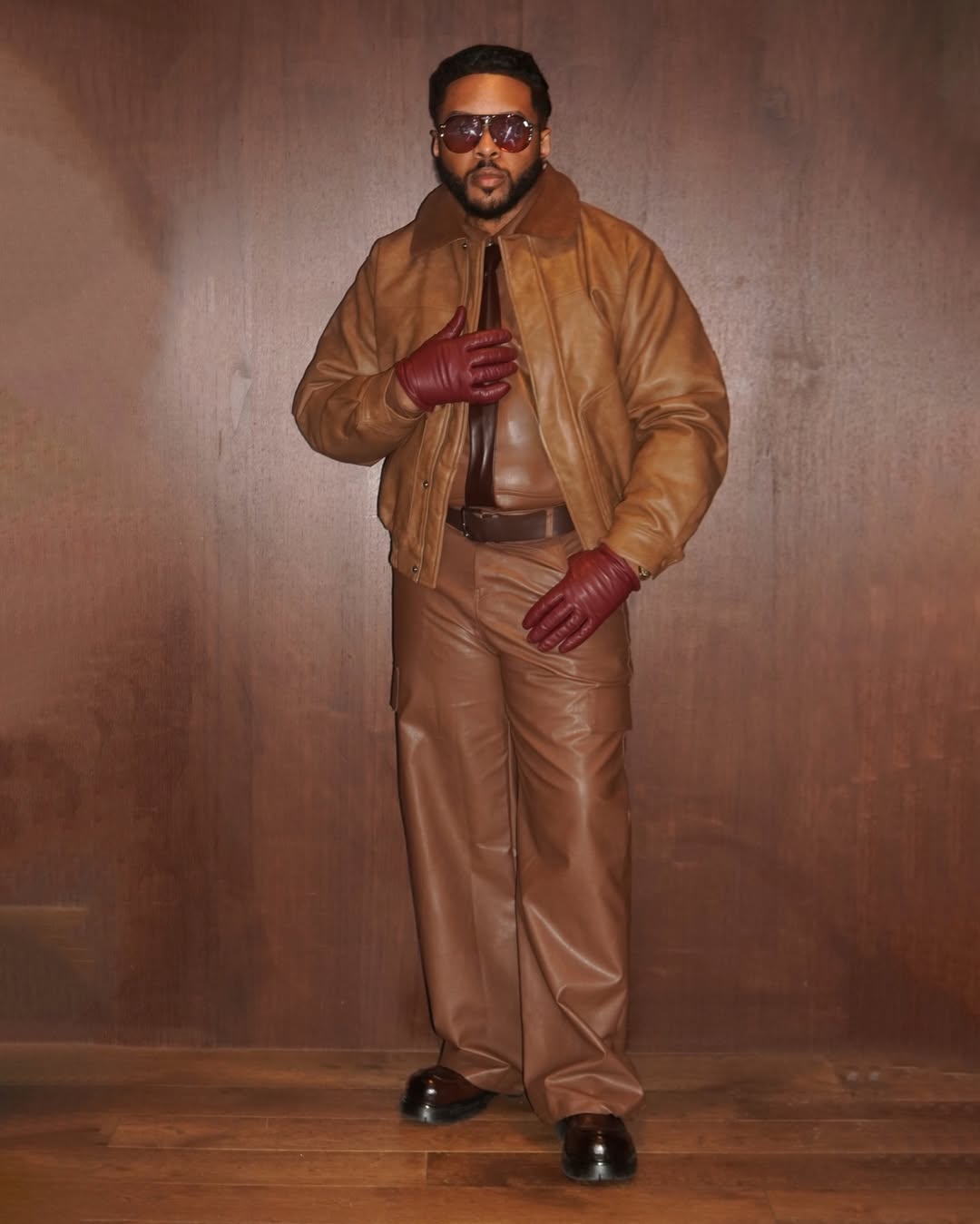
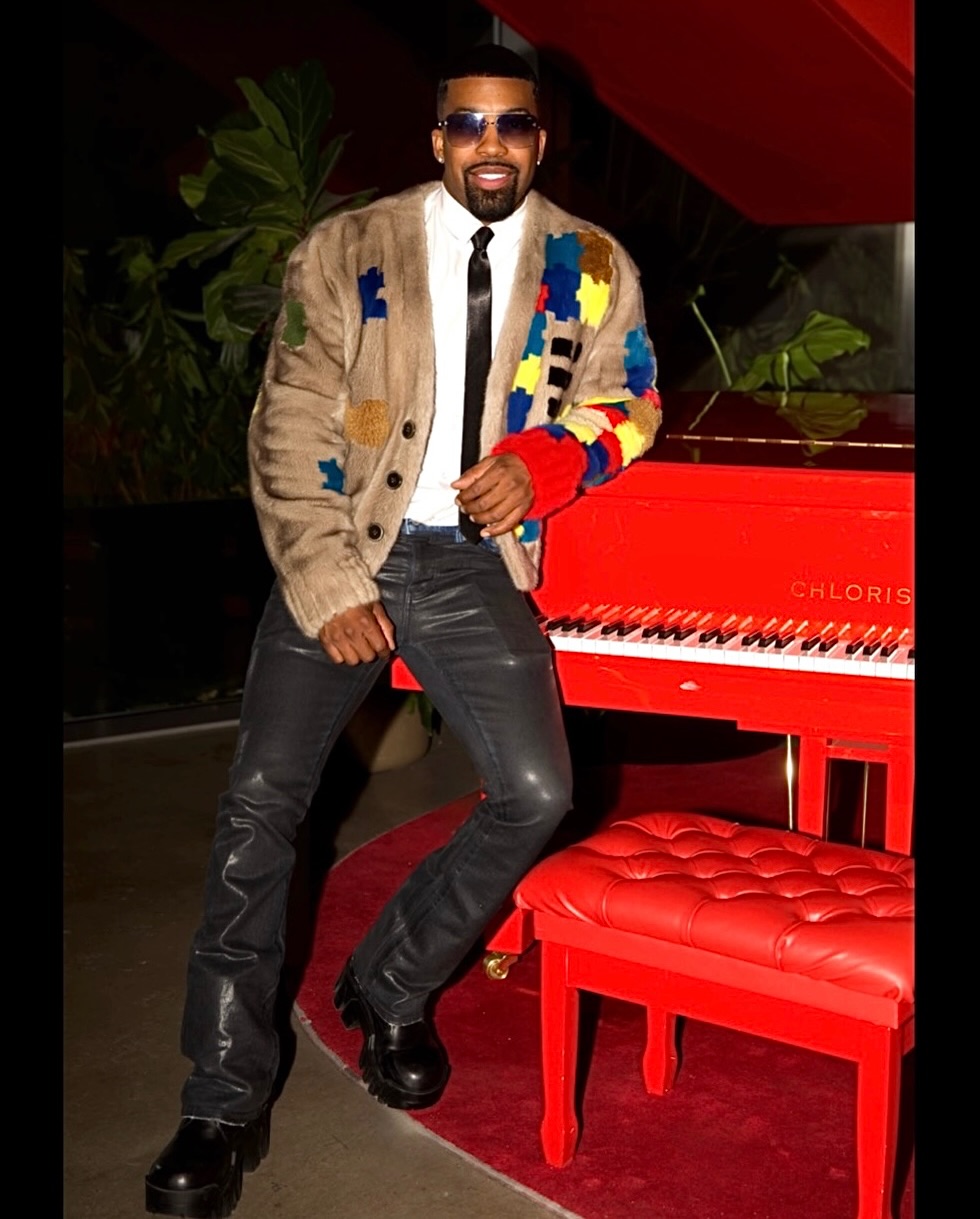
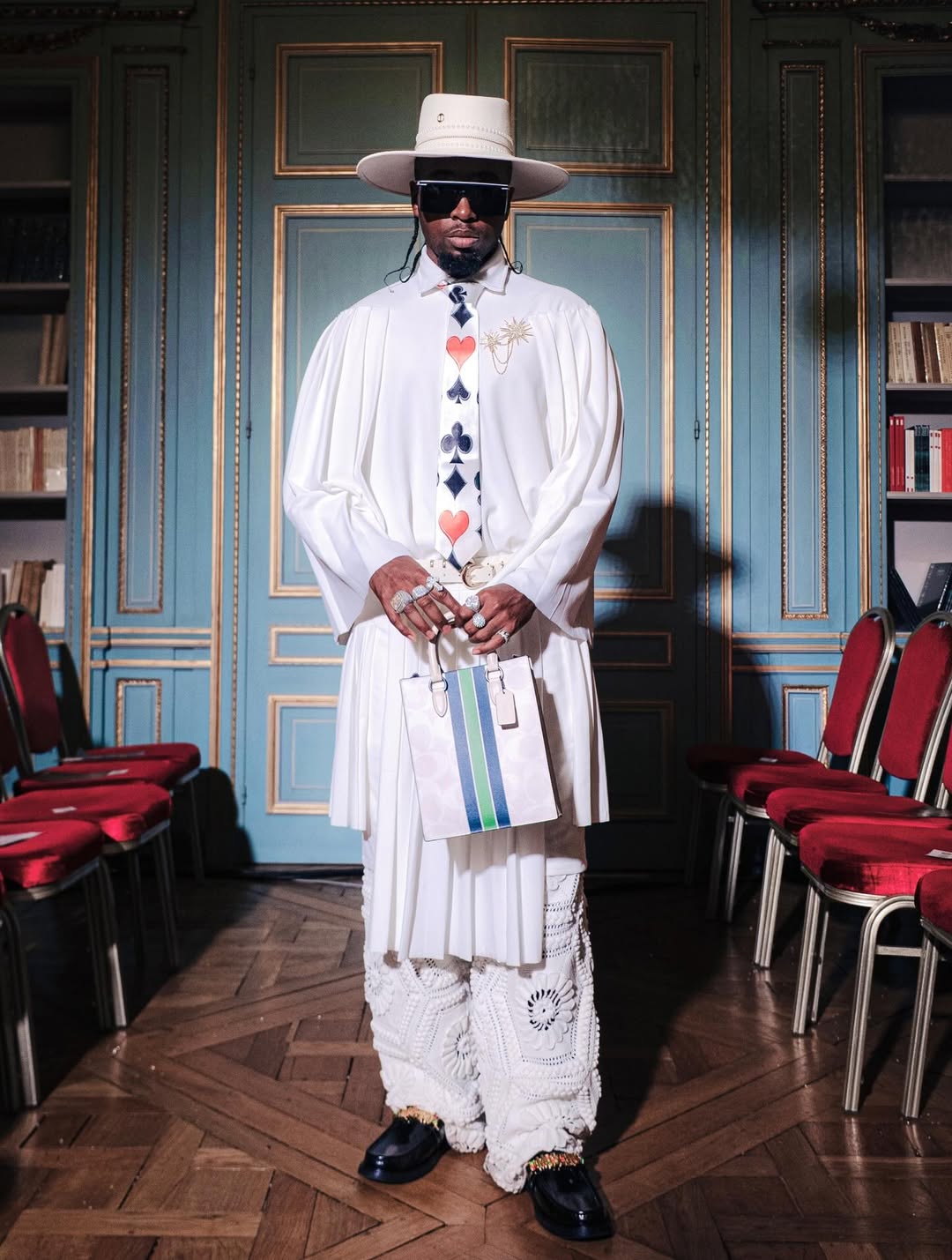
Check out the modern ways men wear ties today…
—Read also