


For years, hair care has focused almost entirely on what’s visible: the shine, the length, the styling, the finish. But the real story starts much earlier: on the scalp, where hair is formed, nourished and maintained. Consistent scalp care is not about complexity. It’s about rhythm. When the scalp is regularly cleansed, balanced and nourished, it begins to function more stably. The result is less build-up, a better moisture balance and a healthier growing environment.
Over time, that consistency is reflected in the hair itself. Strands feel stronger. Fracture is less common. The texture starts to look supported instead of stressed. It is not an overnight transformation. It’s a silent shift that happens through repetition, not intensity. And that’s where modern scalp care starts to feel less like a trend and more like essential maintenance.
Your scalp is skin and is waiting for attention
It sounds obvious, but it changes everything: the scalp is skin. It reacts, builds up, becomes irritated, becomes dry, produces oil and needs balance – just like the face. Yet for years it was considered an afterthought. We layered heavy products, ignored flakes, over or under washed, and expected results from conditioners alone.
Ultimately, a neglected scalp reacts. Sometimes, like slow growth. Sometimes as breakage, itching, sensitivity or excess oil. Sometimes when hair simply doesn’t want to grow, no matter how expensive the products become. Hair health is often judged by the ends, while the real problem starts at the root.
Why scalp health directly impacts hair growth
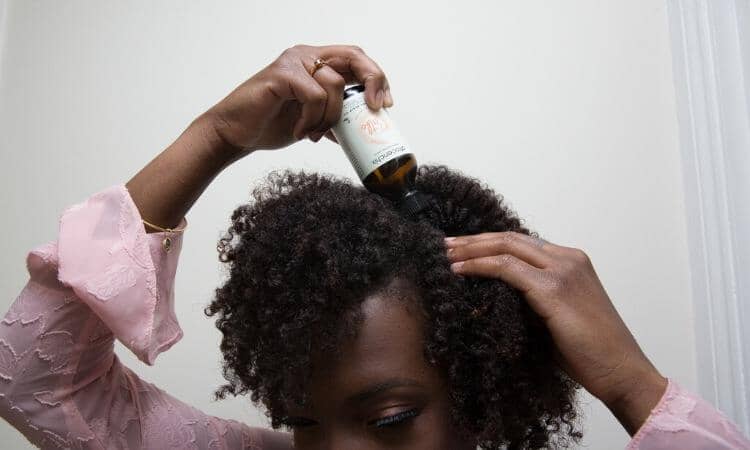
Hair does not grow from the strands; it grows from the follicle under the scalp. That’s why scalp health plays a direct role in how hair behaves over time. When the scalp is clogged due to build-up, dryness or excess sebum, the follicle environment becomes less efficient. Growth may appear slower, weaker or inconsistent – not because the hair itself is damaged, but because the base is out of balance.
A clean, well-nourished scalp, on the other hand, ensures that the follicles can function under better conditions. This is where ingredients such as peptides, botanical extracts and conditioning actives come into play. They are not designed to ‘force’ growth, but to support the scalp’s natural cycle.
This shift explains why scalp serums have become central to modern routines. Formulations containing complexes such as Capixyl® and Redensyl®, in addition to moisturizing agents such as panthenol and glycerin, are designed to create an environment that supports healthier-looking growth over time. Scalp health does not guarantee length, but it does have a strong influence on the conditions in which hair grows.
Check out proven ways to care for your scalp for healthier hair…
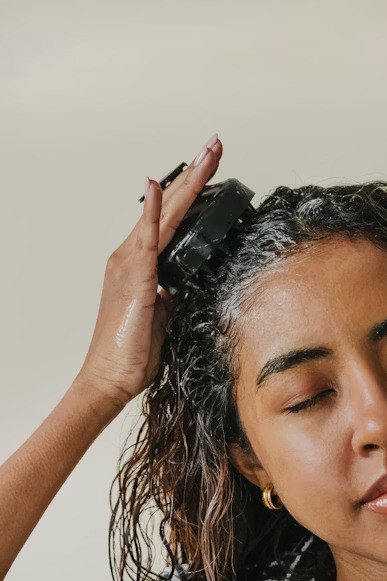
Healthy hair starts with consistent, intentional scalp care. While products can help, the real difference comes from habits that support balance over time. These are the practices proven to improve scalp health and in turn support stronger, more resilient hair.
#1. Clean regularly, but not aggressively
A balanced scalp starts with good cleansing. Buildup of products, excess oil and residue from the environment can clog the follicles and disrupt growth. Use a gentle, sulfate-free shampoo that will remove the deposits without stripping the natural oils. The goal is a clean scalp that still feels comfortable, not tight or dry.
#2. Scrub occasionally to remove buildup
Just like facial skin, the scalp benefits from occasional exfoliation. Chemical exfoliants (such as salicylic acid) or mild physical scrubs help remove dead skin cells and product residue. This keeps the follicles clear and allows treatments to penetrate more effectively. Once a week (or even less, depending on your scalp) is sufficient.
#3. Keep the scalp hydrated
Dryness often leads to irritation, flaking and breakage over time. Lightweight scalp serums or hydrating tonics with ingredients such as aloe vera, glycerin or hyaluronic acid help maintain moisture balance without weighing the hair down.
#4. Massage to stimulate circulation
Scalp massage is one of the simplest and most effective habits. Using your fingertips or a soft scalp brush for a few minutes daily will stimulate blood flow to the follicles, supporting healthier growing conditions over time. Consistency is more important than pressure.
#5. Take tension from styling into account
Tight hairstyles, especially braids, ponytails or extensions, can strain the scalp and lead to thinning around the hairline. Giving your scalp regular breaks and opting for looser hairstyles when possible can help reduce long-term damage.
#6. Use targeted treatments when necessary
If you are dealing with specific problems such as hair loss, dandruff or irritation, introduce targeted treatments. Ingredients such as niacinamide (for balance), tea tree oil (for soothing) or peptide complexes (for strengthening) can help address problems at the root level.
#7. Stay consistent with your routine
The most important factor is consistency. Scalp care is not about quick fixes, but about building a routine that supports long-term health. Simple habits that you perform regularly will always perform better than complex routines that you do occasionally.
Here are scalp serums that redefine care from the root…
Scalp care has evolved into something more targeted and deliberate, with serums taking the lead towards a root-focused treatment. Here are our editors’ favorites worth trying:
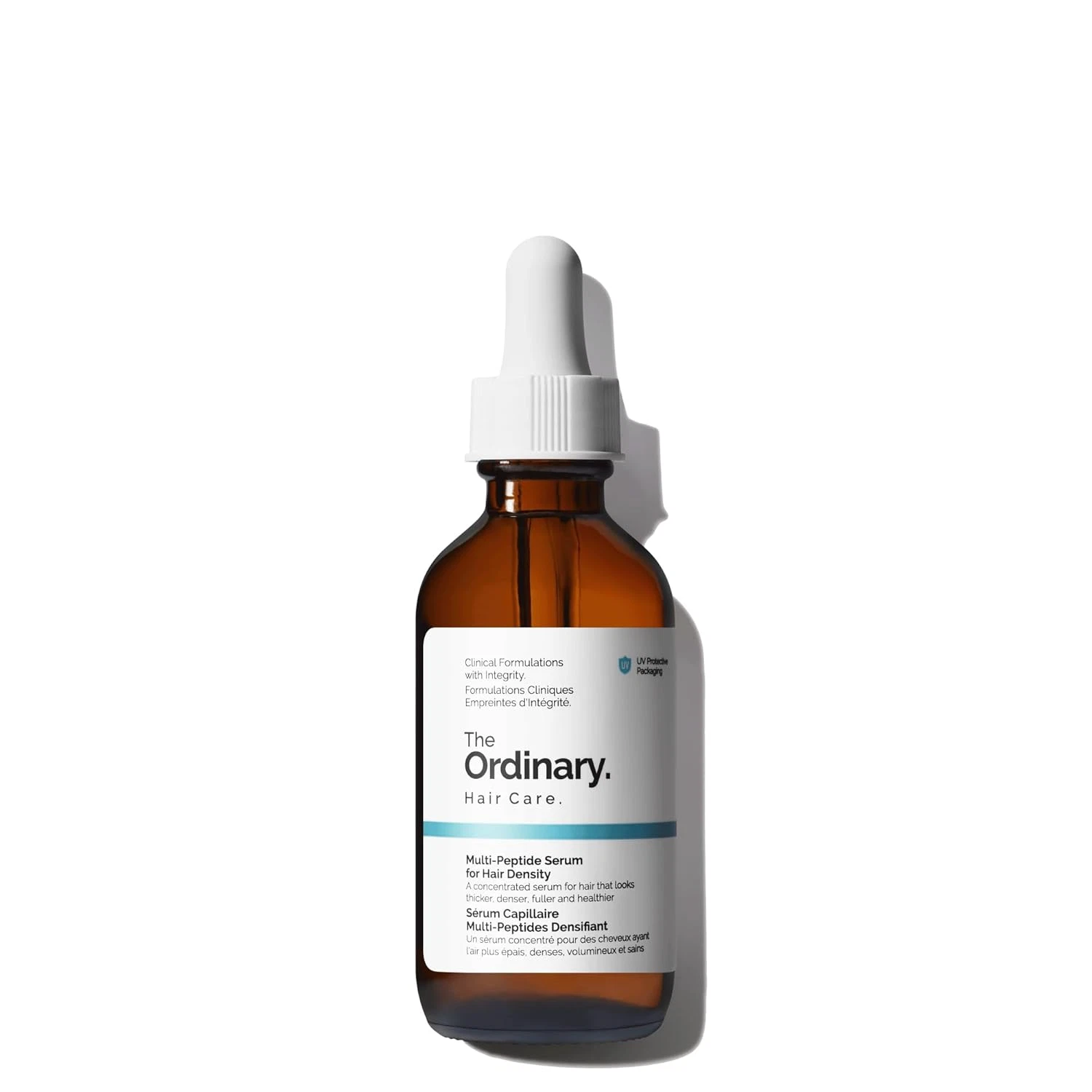
#1. The regular multi-peptide serum for hair density
Shop here
Helps improve the appearance of fuller, denser hair by supporting scalp health and strengthening the follicle environment over time.
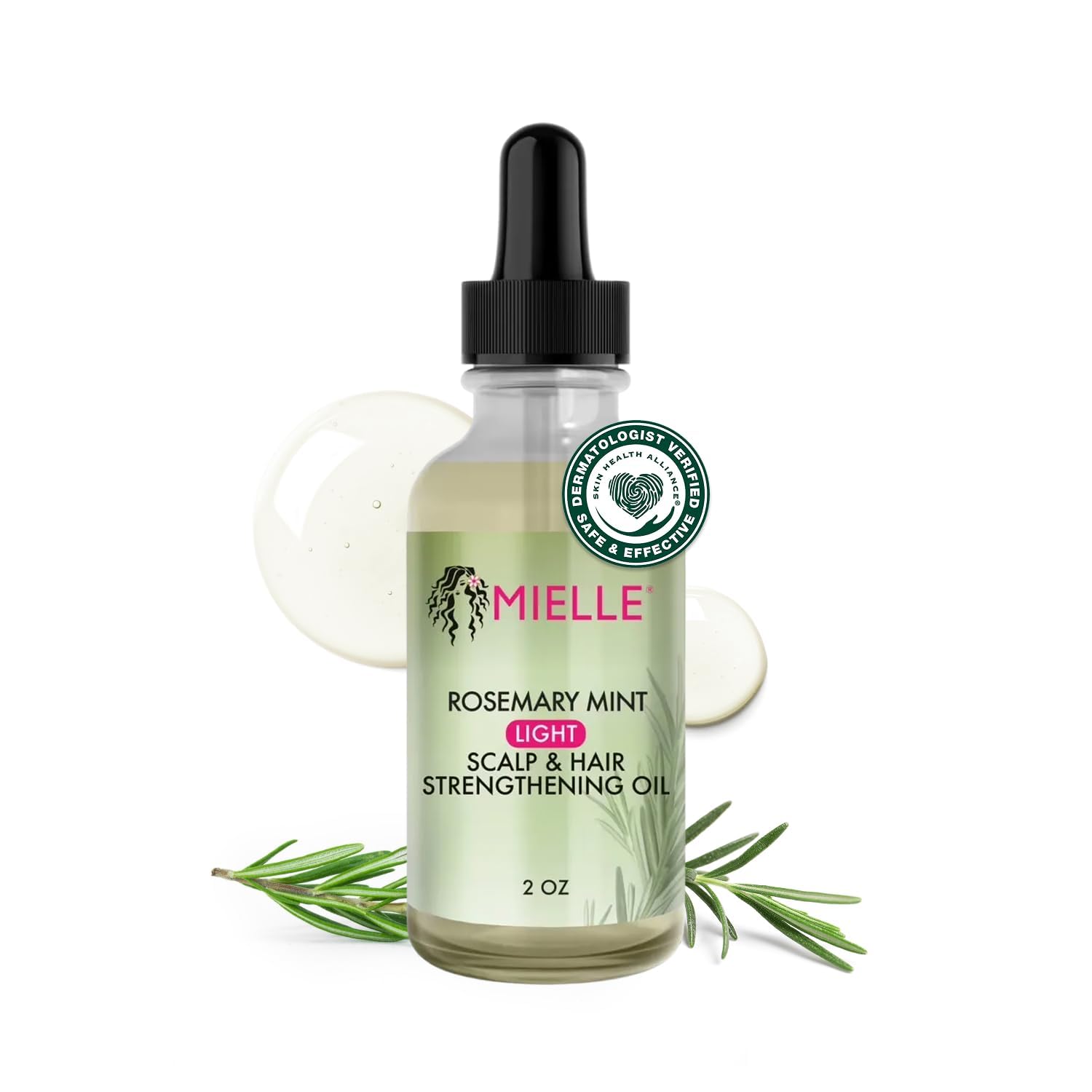
#2. Mielle Rosemary Mint scalp and hair strengthening oil
Shop here
Nourishes the scalp, reduces dryness and supports stronger feeling hair, while the rosemary and mint have a cooling effect that helps stimulate circulation.
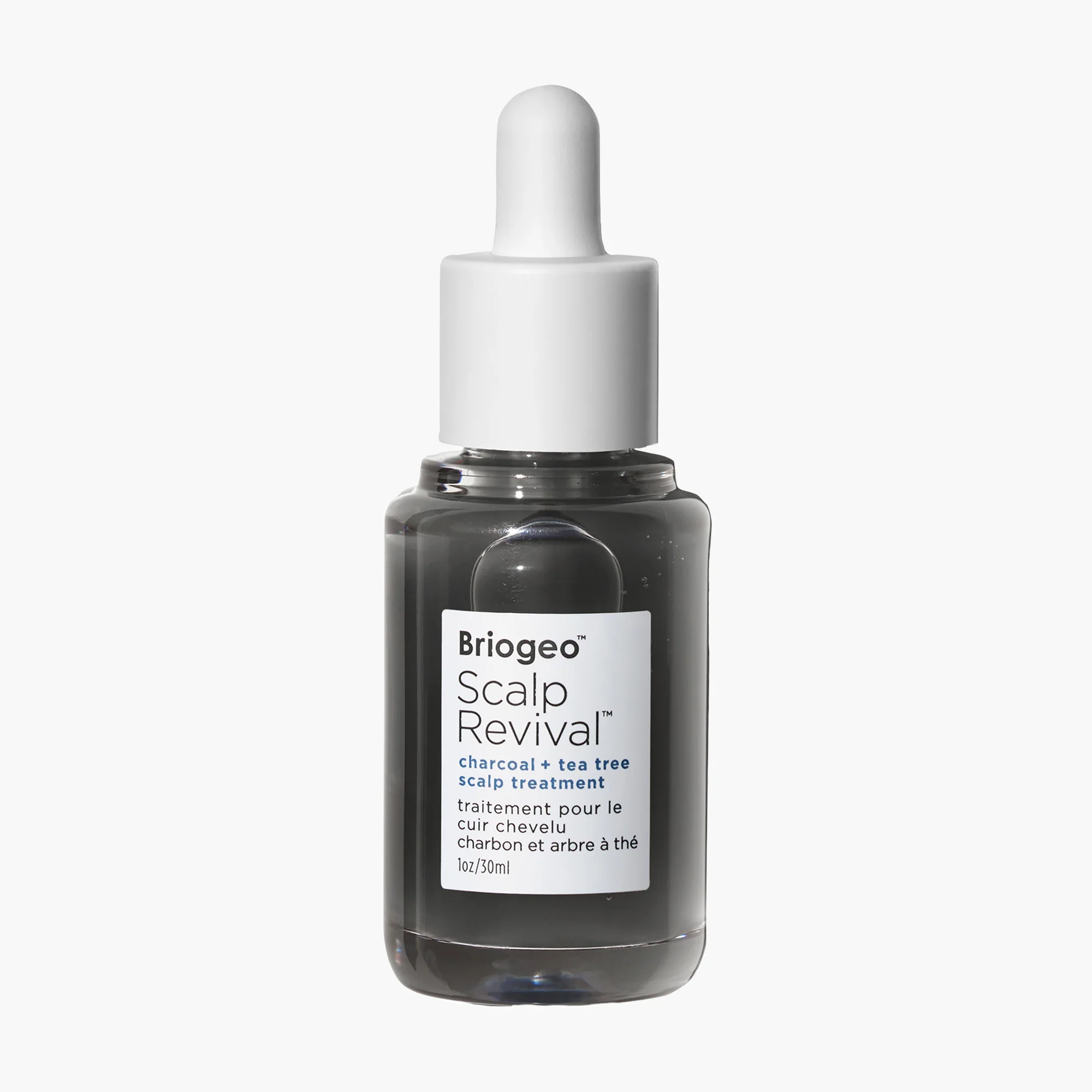
#3. Briogeo Scalp Revival Charcoal + Tea Tree Treatment
Shop here
Detoxifies the scalp by removing build-up and impurities, while tea tree oil helps soothe irritation and restore balance to the scalp environment.
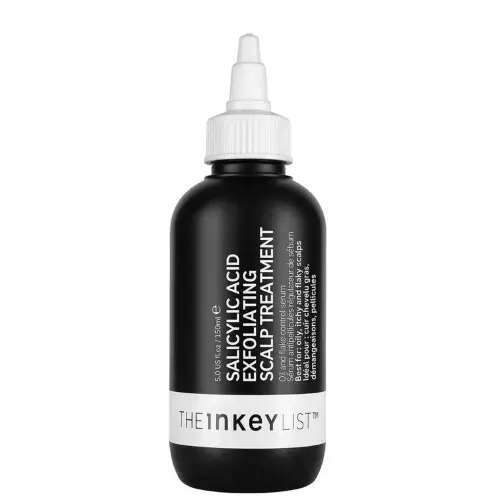
#4. The Inkey List Caffeine Scalp Treatment
Shop here
Energizes the scalp with caffeine to stimulate follicles and support healthier-looking growth with consistent use.
Together, these products reflect a broader movement: treating the scalp like skin – something that requires consistency, balance and care rather than occasional intervention. They do not replace routine care; they reinforce it.
Why this conversation is important for black hair care
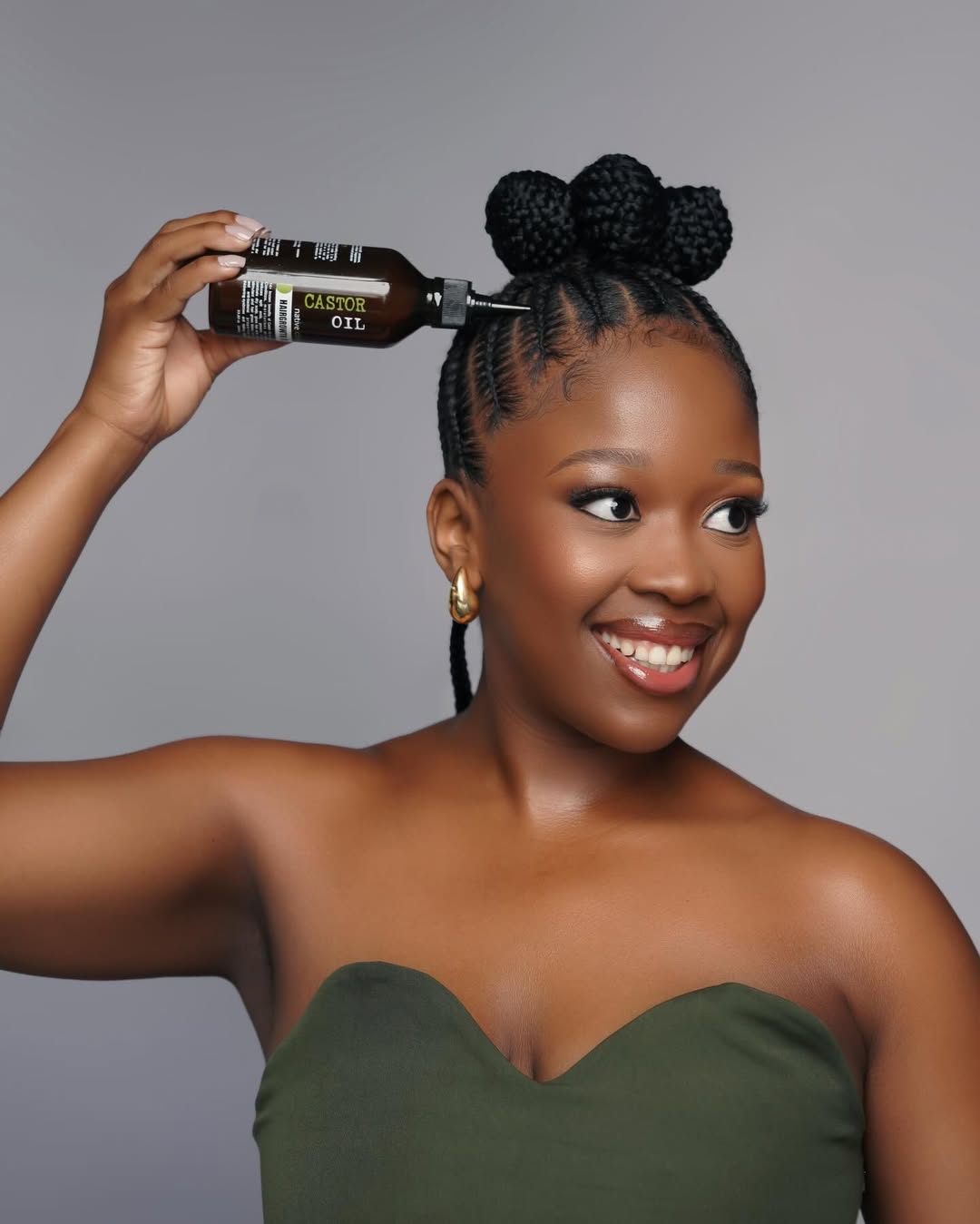
Few beauty conversations feel as overdue as this one. When caring for black hair, scalp health has always been important, even before the industry learned how to market it. Protective styles, oils, wash day rituals, braiding routines and growing traditions have long recognized the importance of the scalp.
Modern scalp care simply gives language and visibility to what many already understood. Tension from tight hairstyles, dehydration from harsh products, build-up from heavy oils, irritation from braids or wigs: these are no small concerns. They determine the long-term health of the hair.
Scalp care is not separate from Black hair care. It is central to that. And the shift toward scalp-first routines feels less like a trend and more like a long-awaited recognition.
Clean scalp, better hair days
Not every scalp problem requires ten new products. It is often simpler: good cleaning, less build-up, more consistency, better ingredients and less stress on the roots.
The healthiest routines are rarely the loudest. They tend to be the most consistent. A clean scalp. Gentle care. Moisture where it matters. Attention where it was once ignored. It sounds simple, because it often is.
Beauty comes closer to the root

There is something quietly refreshing about this shift. It moves beauty away from performance and back to care. Less obsession with perfection, more attention to foundation and shiny hair can be styled. Long hair can be purchased. But really healthy hair needs to grow.
And growth requires patience. Scalp care reminds us that beauty often begins in places people can’t immediately see. It asks us to take care of what sustains us, before focusing on what is noticed. That feels bigger than beauty.
The change in how we think about her
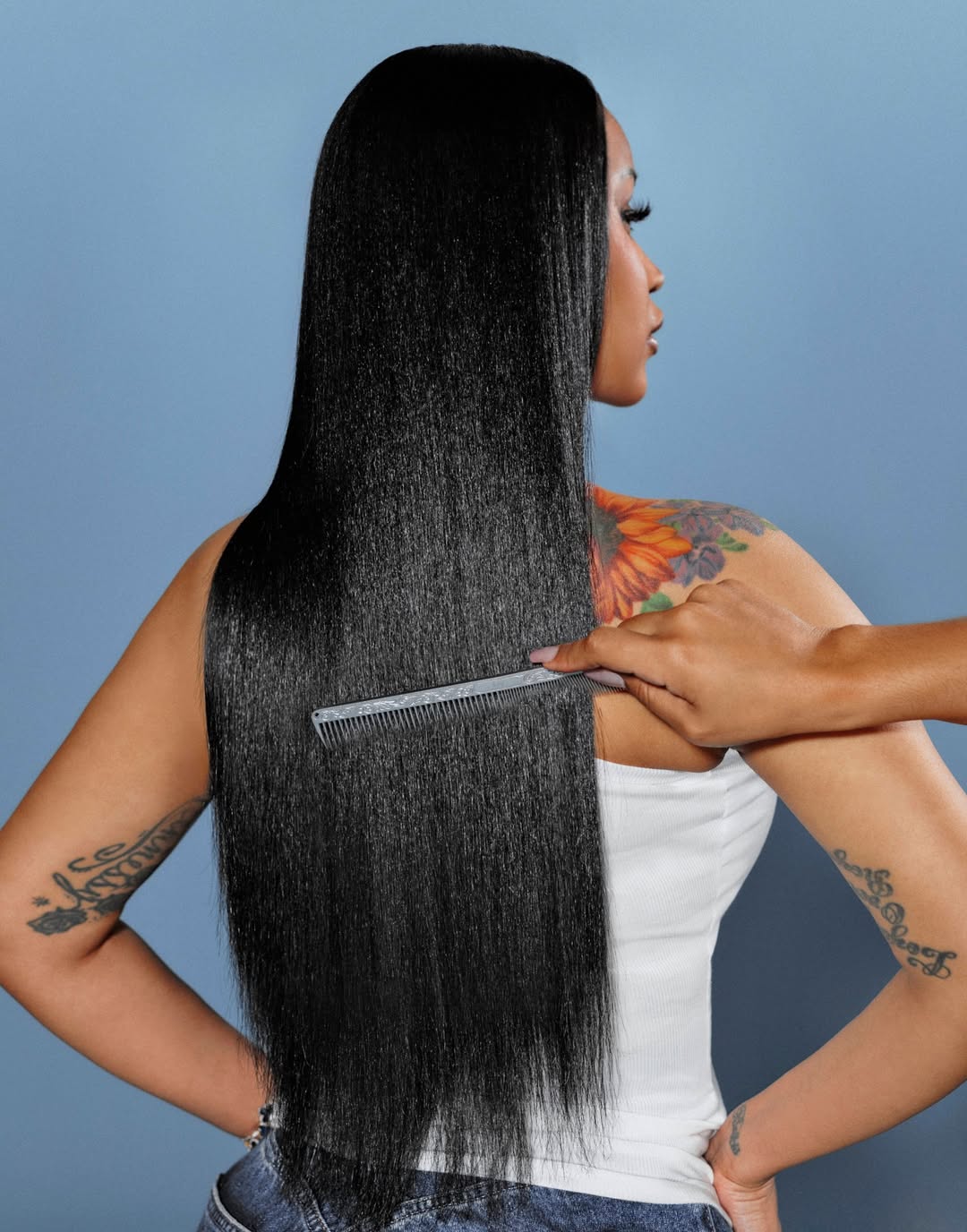
The most significant change in modern hair care isn’t just the products. It’s the perspective. Hair is no longer treated as something stuck to the surface. It is understood as something that is grown, supported and maintained from the bottom up.
Scalp care is central to that shift. And in that shift, beauty is less about correction and more about foundation. Healthy hair is rarely the result of a single product or a single care session. It is the result of consistency at the root level. When the scalp is supported, the hair responds. Not immediately, not dramatically, but steadily.
And that’s the silent truth behind modern hair care: everything starts where you can’t immediately see it.
Featured image: Pattern Beauty