

Share the article
For decades, countries treated tourism like a never-ending cash machine. Governments took travelers for granted, assuming that no amount of taxes, huge border lines or local hostility could stop the flow of money. But the landscape has completely changed and travelers have finally reached a breaking point.
Right now, a wave of popular destinations are actively building walls. Through massive price hikes, invasive data collection and cruel access rules, these governments make it crystal clear: they only want the rich. They are actively trying to price out the everyday middle class traveler in order to create a playground exclusively for the one percent.
But this gatekeeper strategy is already counterproductive. The ninety-nine percent of travelers who make up the middle class are the ones who keep local restaurants open and the economy going during the off-season. By closing the door on them, these countries are causing a huge financial hangover, and we are already seeing their visitor numbers in complete freefall.
Travelers just take their hard-earned dollars to places where they actually feel welcome. If you’re planning a trip this year, here are 8 countries that are making it incredibly clear they don’t want you — and exactly where you should go.
1.Thailand


Thailand has officially decided that it is done with the everyday traveler. On May 19, 2026, the Thai Cabinet aggressively rolled back entry regulations. abolishing the 60-day visa-free stay for 93 countries and forcing most visitors to return to a strict 30-day limit. In addition, the government continues with a mandatory entrance fee of 300 baht just to get off a plane. They are actively tackling loopholes to keep budget travelers out and force a transition to expensive luxury tourism. It’s already counterproductive. Thailand saw foreign arrivals fall by more than 7 percent in early 2026, and the government is bracing for a continued decline.
The alternative: Malaysia. They still offer clean, easy 90-day visa-free entry for most Western passports, and Kuala Lumpur is thriving without any anti-tourism sentiment.
2. Spain


Spain isn’t just raising taxes; they build a huge data collection wall. According to the newly implemented Royal Decree 933/2021, hotels and car rental companies are now legally forced to extract up to 42 highly sensitive pieces of personal data from you – including your credit card details and family relationships – and send it directly to a Ministry of Home Affairs database. Add this extreme invasion of privacy to Barcelona, doubling the nightly tourist tax to 14 euros, amid local protests, and the friction is overwhelming.
The alternative: Montenegro. You get the same stunning Mediterranean coastline and rich history, but without police databases to invade privacy and an economy that truly values your money.
3. Italy


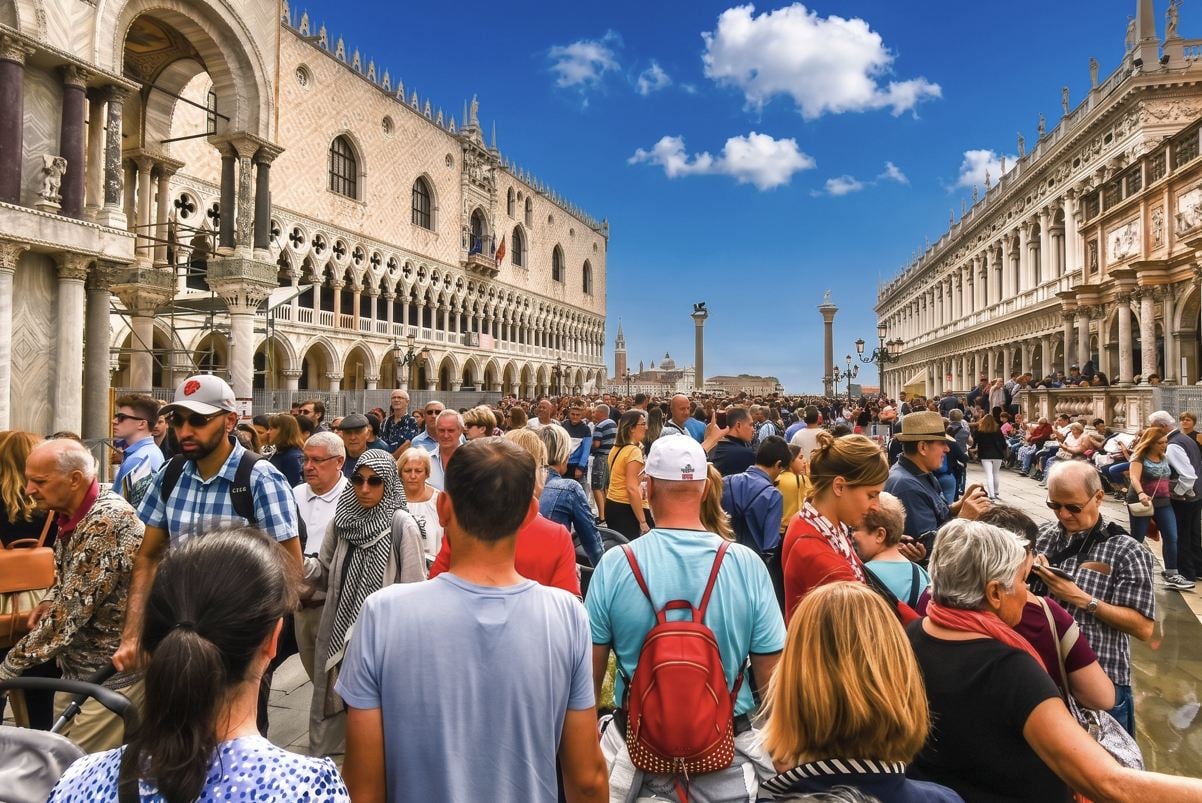
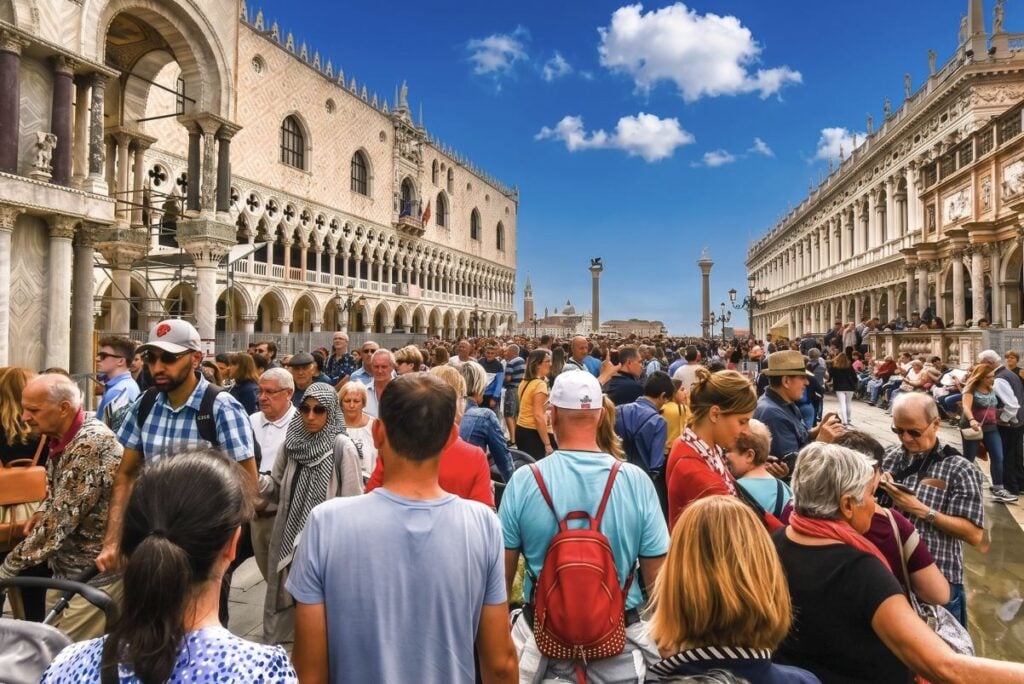
Italy has made money from the simple act of existing in public spaces. Venice has returned its tourist tax, doubling the fine to 10 euros if you do not reserve your visit days in advance. Rome literally charges basin fees just to look at the Trevi Fountain. Mayors across the country have imposed fines for everything from sitting on historic steps to eating a sandwich outside. They’ve turned historic cities into terrifying theme parks where you always feel like you’re one step away from a hefty fine.
The alternative: Croatia. The Adriatic coast offers a deep European historical atmosphere and ancient walled cities without local authorities monitoring your every move.
4. United States


The US has turned its border into a high-stress checkpoint, and the financial bleeding is undeniable. The country now has one huge travel trade deficit of $50 billion because tourists who spend a lot of money take their money elsewhere. The friction is relentless: mandatory pilot programs of $15,000 visa bonds for certain countries, aggressive device searches at customs, and visa interviews with large backlogs. Travelers explicitly cite the intense hostility of US customs as the main reason why they don’t want to go to the country at all.
The alternative: Panama. A huge economic center with first-class infrastructure and English-friendly business environments that make entering the country easy and welcoming.
5. Netherlands
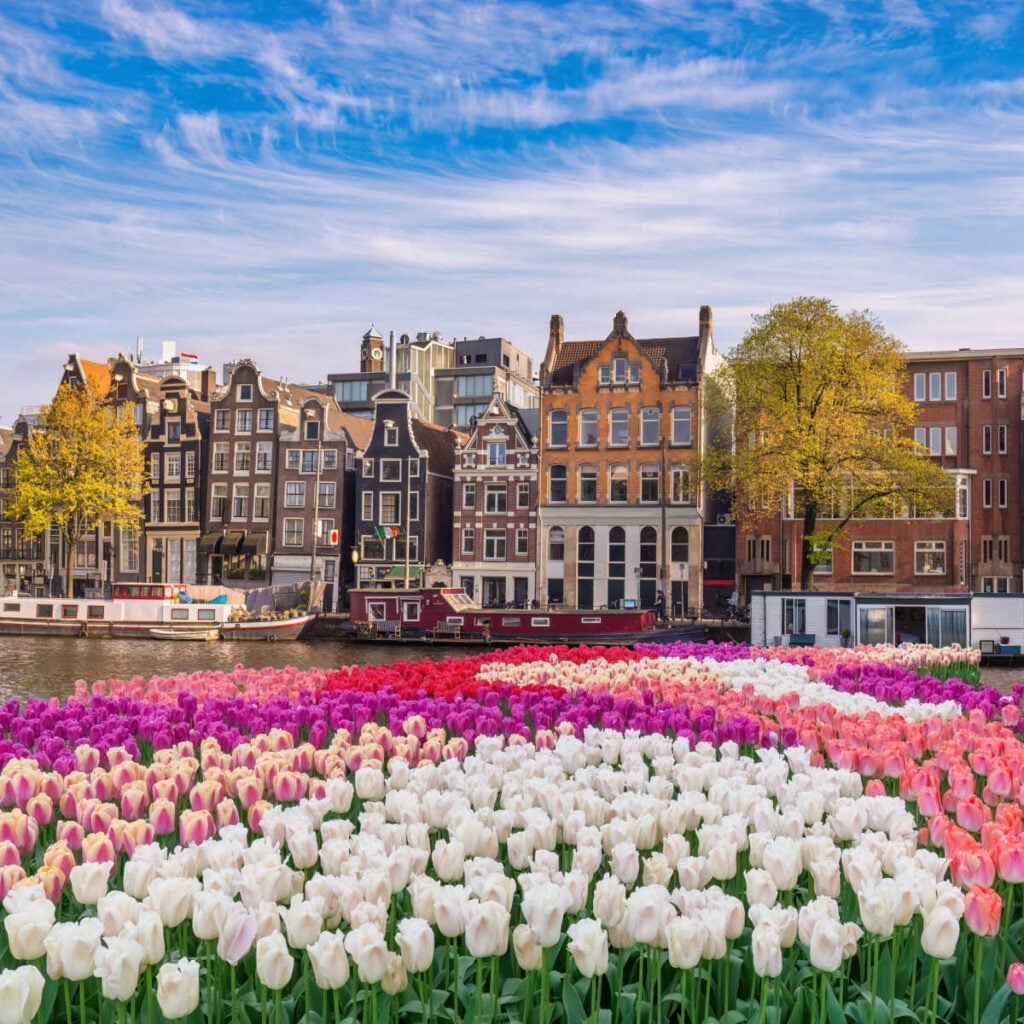
Amsterdam has built a financial wall to keep you out. After running global advertising campaigns literally telling tourists to stay away, the government has weaponized its tax code in 2026, The VAT on hotel rooms for short stays will be increased from 9 percent to no less than 21 percent. This is causing a huge shock to the bills which are explicitly designed to reduce the number of overnight visitors by pricing out the middle class.
The alternative: Denmark. As Amsterdam pushes people away, Copenhagen launched CopenPay, rewarding travelers with free meals and admission to museums for simple good behavior like cycling.
6. Japan


Japan is experiencing severe overtourism and is responding by aggressively targeting luxury portfolios. Kyoto just hit the brakes for passersby increase the luxury hotel tax by 900 percentmeaning you pay huge premiums just for the privilege of sleeping there. They’ve also introduced physical gates and new entrance fees for climbing Mount Fuji, making it perfectly clear that they want fewer bodies and much higher margins.
The alternative: South Korea. It offers an equally fascinating mix of ultra-modern cities and ancient temples without the extreme tourist taxes and closed gates.
7. Iceland
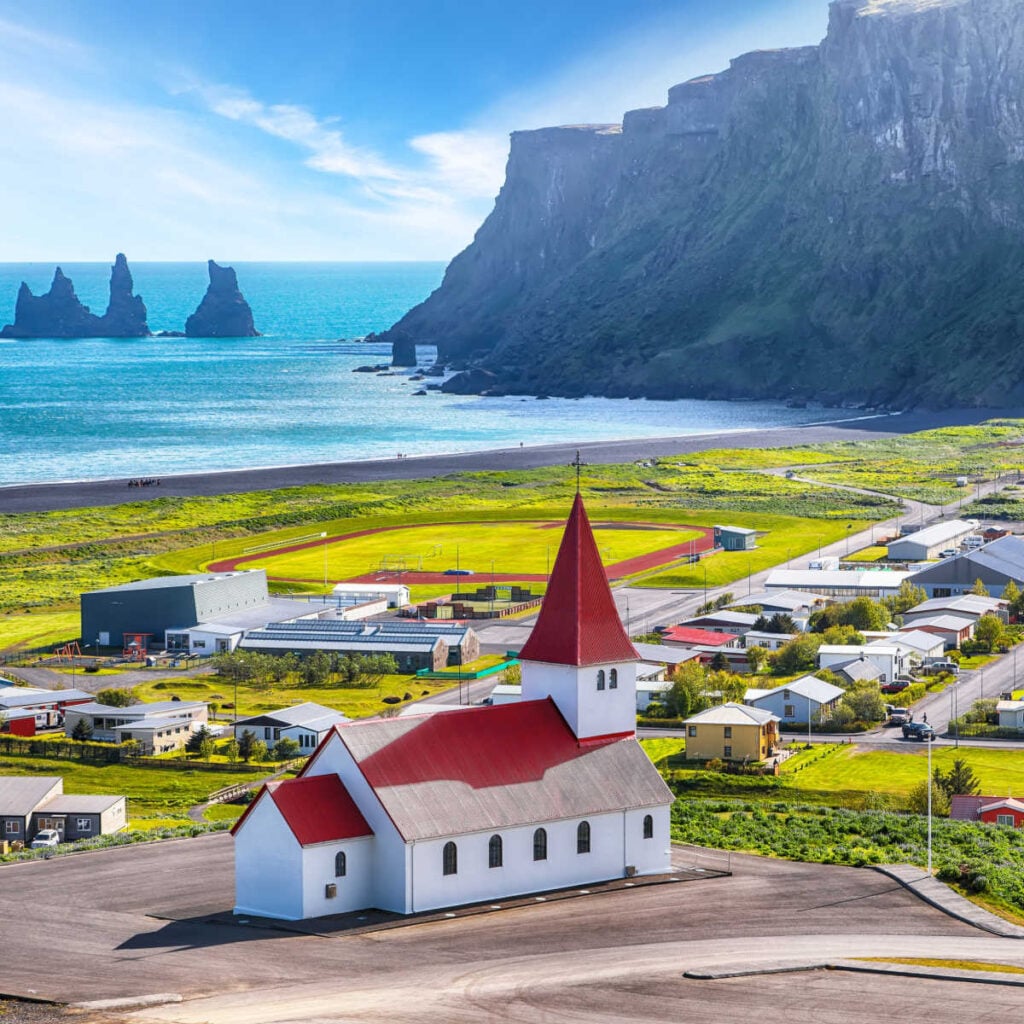
“Iceland severely punishes the classic road trip. To limit the wear and tear of the infrastructure, the government has abolished the old fuel tax and introduced a strict kilometer tax in 2026. Your rental car now tracks every mile you drive, and the government charges you for it. If you attempt to drive the Ring Road, you will be faced with a nasty, unavoidable tax bill at the end of your journey.
The alternative: Norway. It delivers world-class fjords and immense natural beauty with a deep respect for public access to nature, all without having to put a government tracker in your rental car.
8. Canada
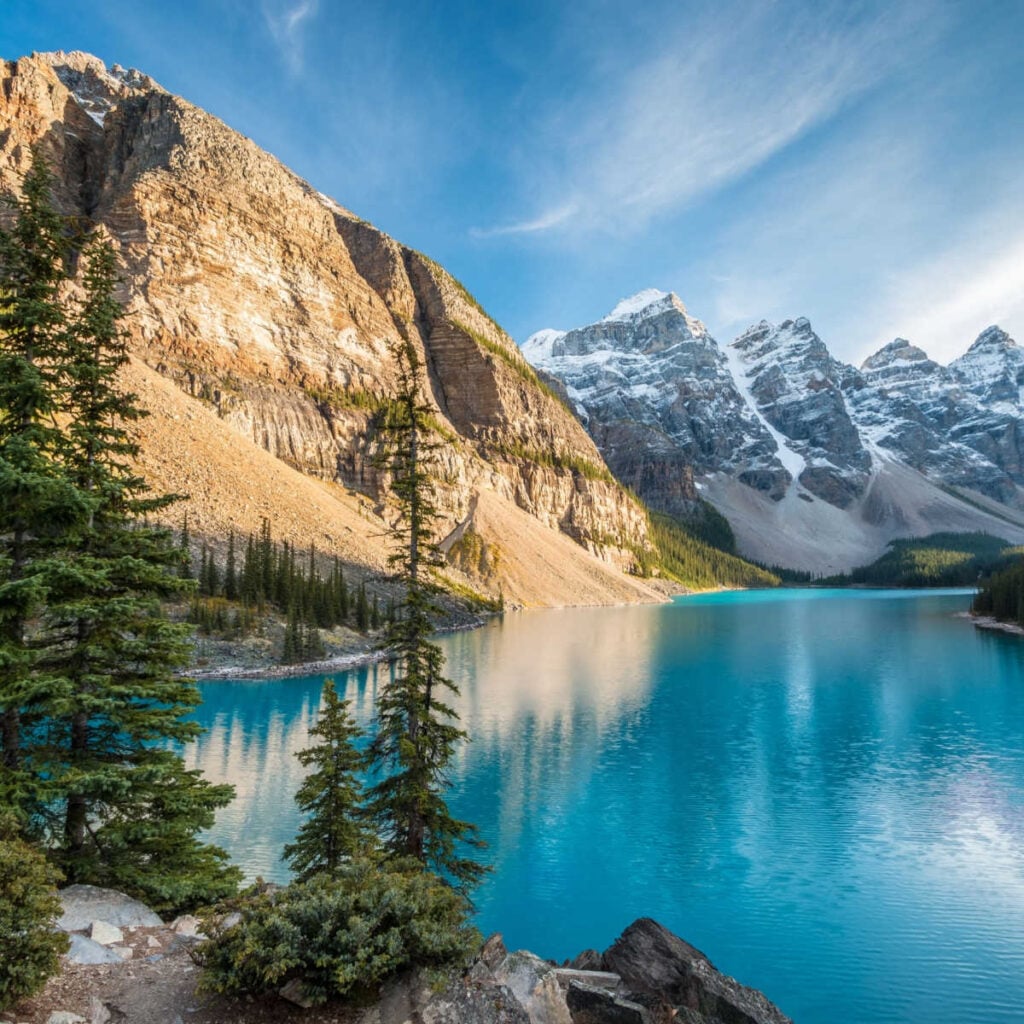
Canada actively guards its border through bureaucratic attrition. While Americans can still travel across the northern border hassle-free and visa-free, the Canadian government has essentially built a huge digital wall for the rest of the world. Instead of rolling out the welcome mat, they recently abruptly reinstated mandatory visitor visas for Mexican citizens, immediately slamming the door on one of their best tourism partners. The overall rejection rate for visitor visas has reached an absurd 54 percent (1.95 million rejections), largely driven by the implementation of Chinook, a bulk processing software tool that flags applications and allows border officials to turn away travelers en masse with a single click. They deny huge amounts of real tourists over minor paperwork technicalities, effectively using software to keep the world out.
The alternative: Argentina. If you want world-class mountains, immense outdoor surfaces and glaciers, Patagonia offers exactly what Canada has to offer, but without the bureaucratic visa friction.
The financial backfire has begun
Travelers react strongly with their wallets. The era of blind loyalty to must-see destinations is officially over. If you treat tourists like a nuisance and a walking cash machine, word will spread quickly and the middle class will simply move to countries that roll out the red carpet. The countries building walls today are causing a huge financial setback. It’s only a matter of time before these governments realize their huge mistake and start begging tourists to come back. Until then, put your money where it is actually wanted.


