
What are hangnail infections and why do they happen?
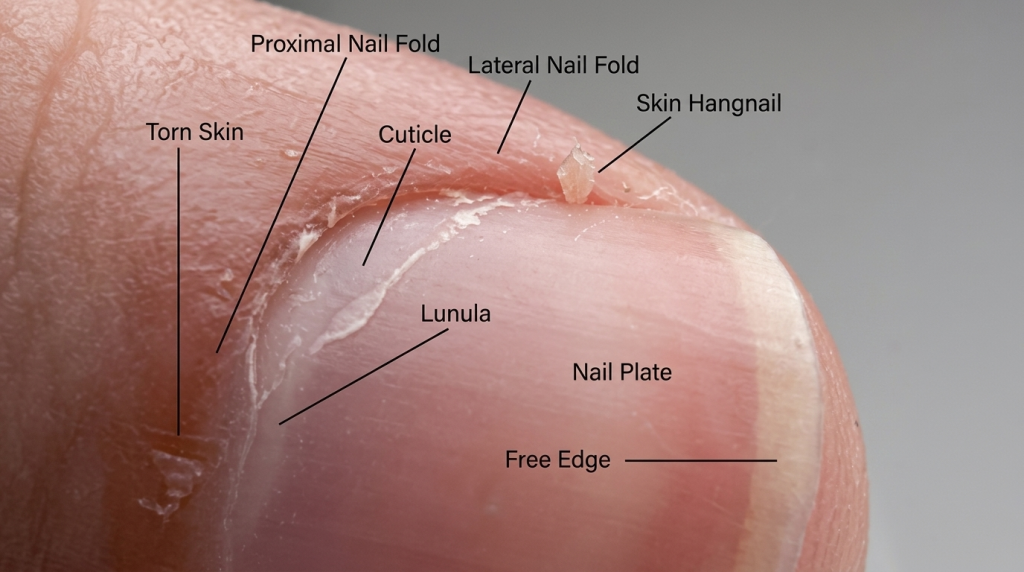
That little piece of skin peeling from the side of your nail may seem harmless, but hangnail infections are more common than most people realize. A hangnail is not actually part of the nail itself. It’s a small patch of torn skin along the nail fold, and once that skin tears, it creates an open entry point for bacteria and, less commonly, fungi or yeast.
So why do hangnails occur in the first place? Dry skin is the biggest culprit. When the skin around your nails loses moisture, it becomes brittle and prone to splitting. Cold weather, frequent hand washing and exposure to harsh cleaning products all strip the skin’s natural oils. Nail biting and picking at the skin around your nails also dramatically increases your risk.
Once a hangnail tears, bacteria such as Staphylococcus aureus can penetrate the skin. This is when a simple annoyance can escalate into a full-blown infection, medically known as paronychia.
Recognizing the symptoms of hangnail infections
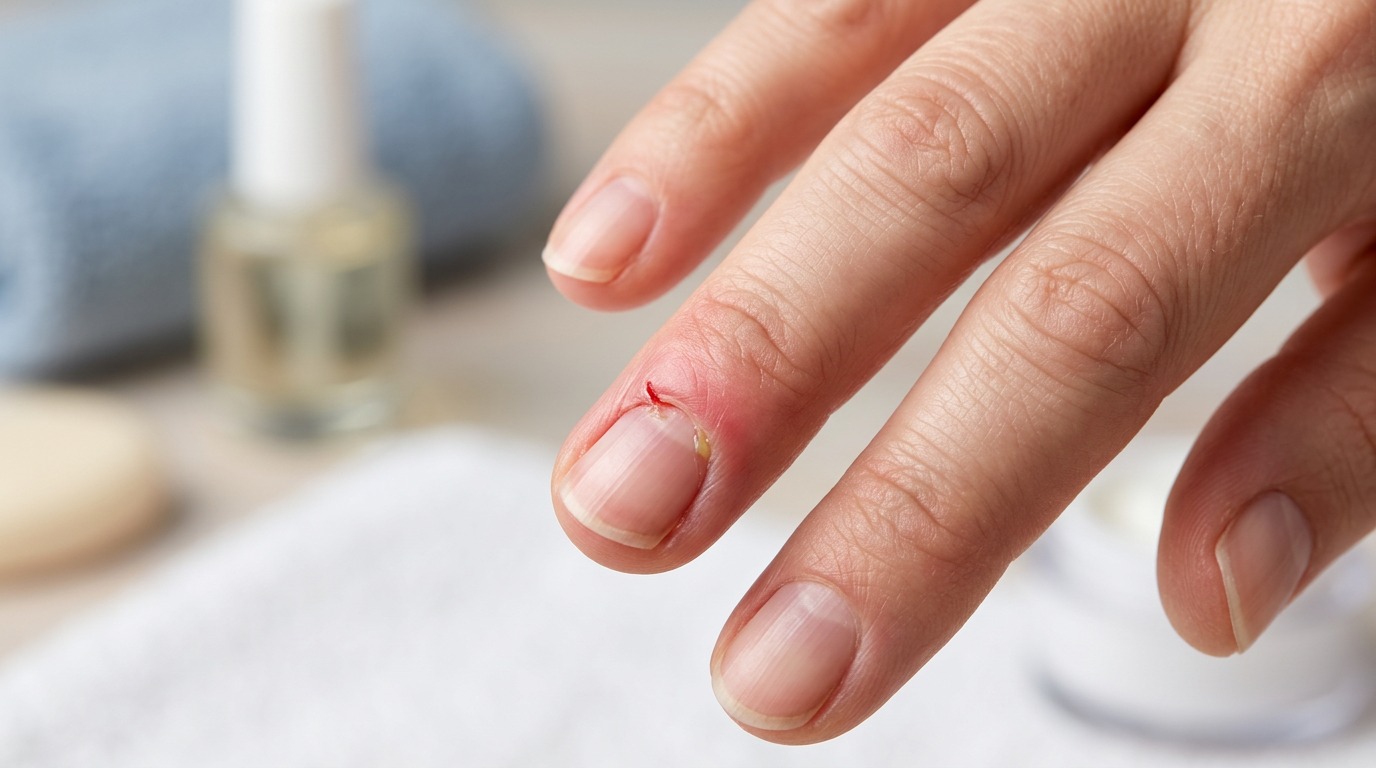
Knowing what to look for makes all the difference. A swollen hangnail is usually the first visible sign that something has gone wrong. The skin around the nail fold becomes red, swollen and warm to the touch. In many cases, the area will feel tender or throbbing, which is the classic painful feeling of a hangnail that is difficult to ignore.
As the infection progresses, a small pocket of pus may form under the skin. This happens when white blood cells collect to fight the infection. You may also notice a yellowish discoloration or visible pus around the nail fold. In some cases, a greenish tinge may develop when certain types of bacteria are involved.
Fungal-related paronychia usually looks slightly different. Instead of a rapid onset of redness and swelling, fungal paronychia develops more slowly. The skin may appear thickened, slightly discolored, and chronically irritated rather than acutely inflamed.
Red streaks spreading from the nail fold are a serious warning sign. This includes significant swelling going up the finger, or fever. Seek immediate medical attention if you notice any of these side effects.
How to treat hangnail infections at home
If caught early, many mild hangnail infections respond well to home care. The goal is to reduce inflammation, keep the area clean, and support your skin’s natural healing process.
Soaking in warm water is one of the most effective first steps. Soaking the affected finger in warm (not hot) water for ten to fifteen minutes several times a day can help identify any local infections and soothe the surrounding skin. Some people add a small amount of salt to the water, although the heat and soaking itself are thought to provide the greatest benefit.
After soaking, gently pat the area dry and keep it clean and protected with a bandage. Keep the area covered with a clean bandage to protect it from further contamination.
Avoid the temptation to squeeze or drain any visible pus yourself. Doing so can allow bacteria to move deeper into the tissue and worsen the situation.
Topical antibiotic creams may be helpful for mild bacterial infections. However, if the infection does not improve within a few days of home care, or if symptoms worsen, a doctor may prescribe an oral antibiotic or, in the case of a fungal infection, an antifungal treatment. Making the correct diagnosis is important because antibiotics will not clear up a fungal infection.
Prevention: Keep hangnail infections away for good
Prevention is really easier than treatment.
The good news is that many hangnail infections can be reduced or prevented with consistent skin care habits. Hydrating is your most powerful tool. When the skin around your nails remains supple and hydrated, it is much less likely to crack and tear. Look for hand creams that contain ingredients such as urea, glycerin or shea butter, as these draw moisture into the skin and form a protective barrier. Apply the cream after every time you wash your hands, and make a habit of massaging the cream into the nail folds and cuticles.
Cuticle oils are worth the investment. Oils such as jojoba, almond and argan oil closely mimic the skin’s natural sebum, meaning they absorb easily and nourish the sensitive skin around the nail fold. The American Academy of Dermatology recommends regularly moisturizing nails and cuticles as an important part of healthy nail care. Massaging a drop of cuticle oil every evening makes a noticeable difference over time.
Wear gloves when washing dishes or using cleaning products. Prolonged contact with water and detergents is one of the fastest ways to break the skin’s natural moisture barrier. This is especially relevant during the colder months, when the skin is already under more stress.
If you have a hangnail, resist the urge to bite or tear it. Instead, use clean, sharp nail scissors or cuticle nippers to cut it as close to the base as possible without pulling. Tearing creates a jagged wound that is much more difficult for the skin to heal.
Also avoid aggressively cutting your cuticles. The cuticle exists to seal the gap between your nail plate and the surrounding skin, and removing it completely leaves that area vulnerable to bacteria. Gently pushing back the cuticles after a warm soak is much safer than cutting them away.
When should you consult a doctor?
Most mild hangnail infections clear up within a week of consistent home care. But some situations really need professional attention.
See a doctor if the swelling or redness extends beyond the nail fold, if you develop a fever, or if the pus is significant and increasing. People with diabetes are at greater risk of complications from even minor skin infections, so early intervention is especially important for them.
A doctor can confirm whether the infection is bacterial or fungal and prescribe the appropriate treatment. Sometimes a small incision is necessary to drain a larger abscess, and that should only be done in a clinical setting.
Never ignore an infection that is getting worse. Taking action early is always the right choice.
Understanding what causes hangnail infections and how to respond to them quickly is empowering. But keeping your nails and the skin around them in their best condition takes more than just responding to problems. It means that you know how a healthy nail structure works and what good nail care looks like from the inside.
If you want to delve deeper into nail health and learn techniques from award-winning nail artists, the MyNailEra app is a great place to start. Era, your personal nail coach, can guide you through the basics of nail care, and the step-by-step tutorials help you build real knowledge at your own pace.