


Luxury fashion no longer looks in one direction and has therefore quietly lost its old compass. For years, influence was carefully channeled through Hollywood glow, European catwalks and the familiar machinery of celebrity endorsement – polished, predictable and tightly controlled. But that hierarchy no longer carries weight in the same way; it begins to fade, bend and break under the pressure of a more connected world.
In 2026, fashion’s dictates will not come from one phase. It’s being shaped in real time through music, digital culture and global fan communities that move faster than any runway calendar. That’s why K-Pop stars, Afrobeats artists and emerging luxury creatives now share the same cultural runway, even if their worlds look very different at first glance. What unites them is not geography but gravity, the kind of cultural pull strong enough to move luxury markets across continents without warning.
Fashion houses do not strive for visibility in one region; they follow living ecosystems of influence, where fandoms, sound and style converge to create something far more powerful than tradition ever allows.
K-Pop changed the scale of celebrity fashion influence
K-Pop, especially BLACKPINK and BTS, have redefined modern celebrity-fashion partnerships. Stars like Lisa, Jenny, Rose, Jisoo, Jung Kook, VAnd Jimin have become major figures in luxury fashion because their fans do more than just admire their outfits. They mimic looks, follow brand partnerships and drive massive online engagement with every appearance.
That changed the luxury fashion strategy worldwide. Brands realized that K-pop’s influence extends far beyond just music. It shapes beauty trends, shopping habits and global visibility through highly connected digital fandoms. Recent appearance of K-pop stars at major events such as the Met Gala 2026further demonstrates how celebrity fashion influence spreads instantly through online culture and fan communities.
Afrobeats brought a different kind of fashion energy
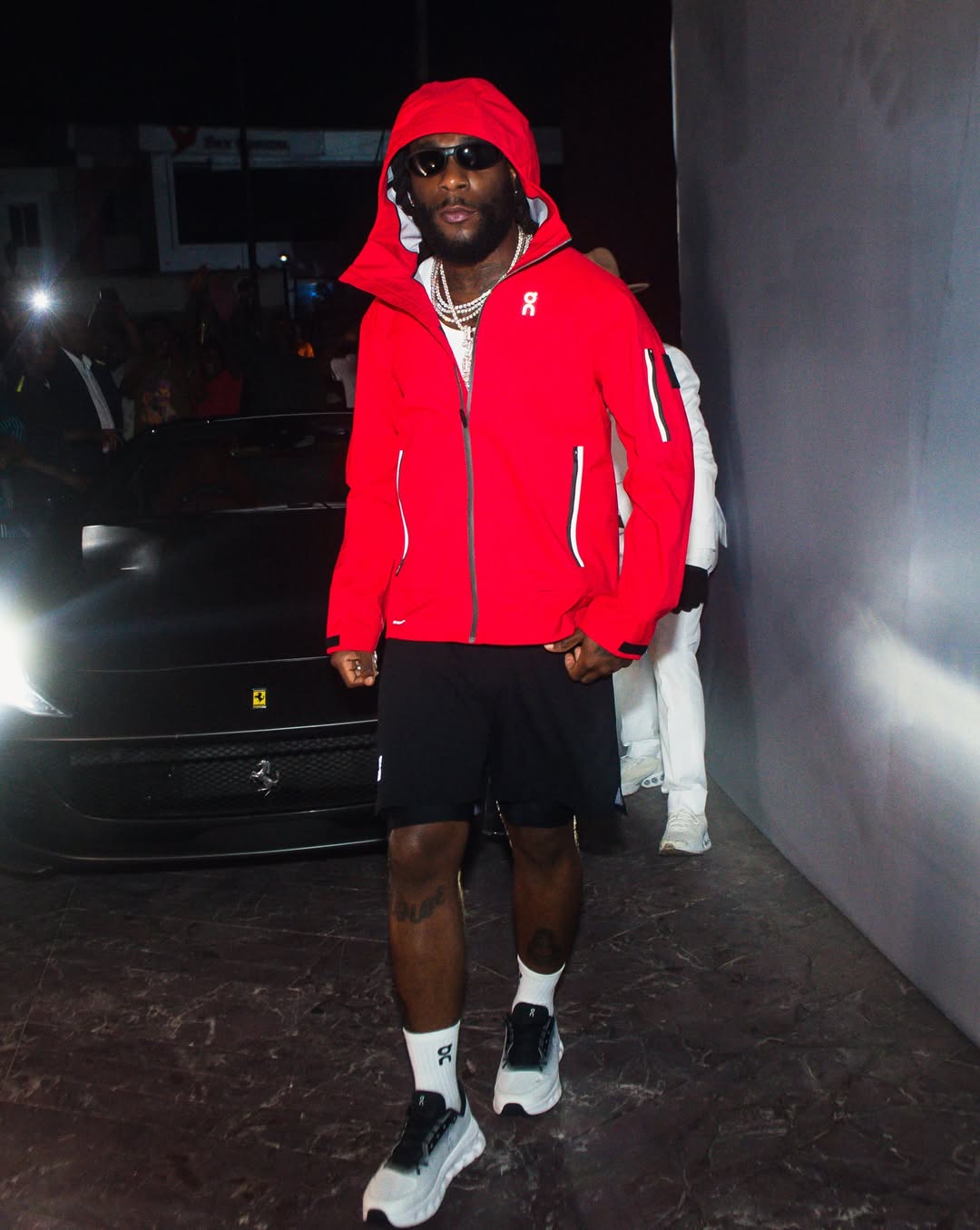
At the same time, Burna boy, Wizkid, Tams, Davido, Ayra StarrAnd Rema propelled Afrobeats to global fashion visibility through music videos, luxury campaigns and distinctive personal style. Their fashion combines streetwear, luxury tailoring, African references, nightlife aesthetics and bold accessories, creating a look that seems rooted in lived culture rather than a purely composite image.
This shift did more than introduce African artists into luxury spaces. It introduced a new visual language. Luxury brands responded quickly because Afrobeats captures something that global fashion is constantly looking for: cultural energy that feels authentic rather than manufactured.
Fashion houses are now building around fandom culture
The connection between K-Pop and Afrobeats becomes clearer when viewed through the lens of fandom. Luxury fashion is no longer completely dependent on magazine covers or runway reviews to build influence. Today, fashion moves through every medium, including fan edits, TikTok trends, concert footage, Instagram reposts, music videos, and even celebrity airport fashion.
The K-pop and Afrobeats audiences are particularly powerful in this environment because they are highly participatory. They don’t passively observe fashion moments; they circulate them. This is why fashion houses are increasingly investing in artists who are connected to strong online communities. Today, visibility is driven less by traditional gatekeepers and more by a highly engaged global audience.
Fashion is becoming more continental
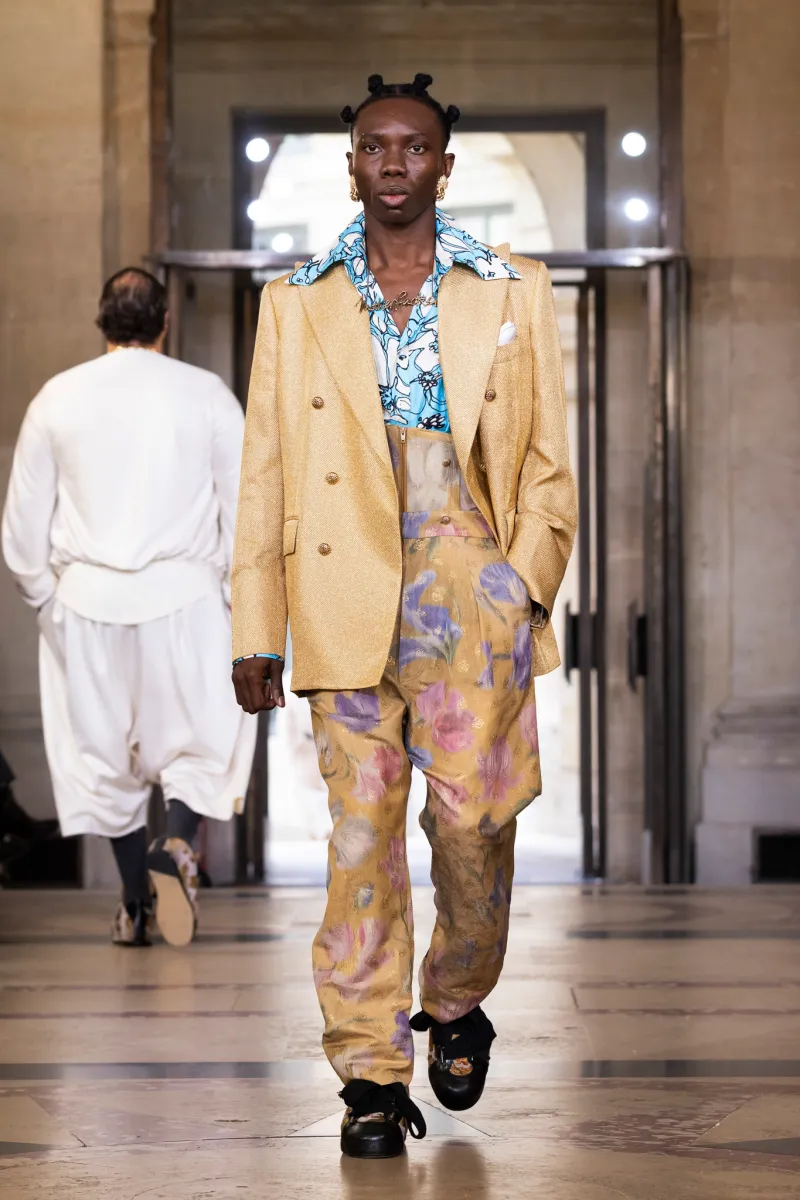
One of the most interesting aspects of this shift is how fashion influence now moves between regions much faster than before, dissolving boundaries that once seemed fixed. Asian pop culture, African music culture, luxury fashion and internet aesthetics increasingly overlap, creating a shared visual language that moves at the speed of the internet. BLACKPINK’s Lisa attending a fashion show in Paris can simultaneously influence beauty trends in Seoul, streetwear styling in London and fashion conversations in Lagos – all captured from a single moment and amplified online.
This intercontinental exchange becomes even more vivid when we look at how Afrobeats continue to enter luxury spaces in unexpected, headline-grabbing ways. A defining moment came when the Nigerian Afrobeats rapper Blaqbonez made his catwalk debut for Vivienne Westwood at Paris Fashion Week Spring/Summer 2026, signaling how music culture is no longer outside of fashion; it runs straight into it. More recently, during Milan Fashion Week Fall/Winter 27, Rema graced the catwalk for the iconic house Diesel, repeating the upward trend of Afrobeats on global fashion.
Furthermore, an Afrobeats artist wearing an African designer at a global event can introduce millions of people to the brand they may never have discovered through traditional fashion systems, giving a single appearance global visibility.
Fashion no longer belongs to one region or one gatekeeper. It belongs to a constantly moving audience, where influence is formed in real time across continents, timelines and digital communities that never sleep.
Why this shift is more important than just fashion
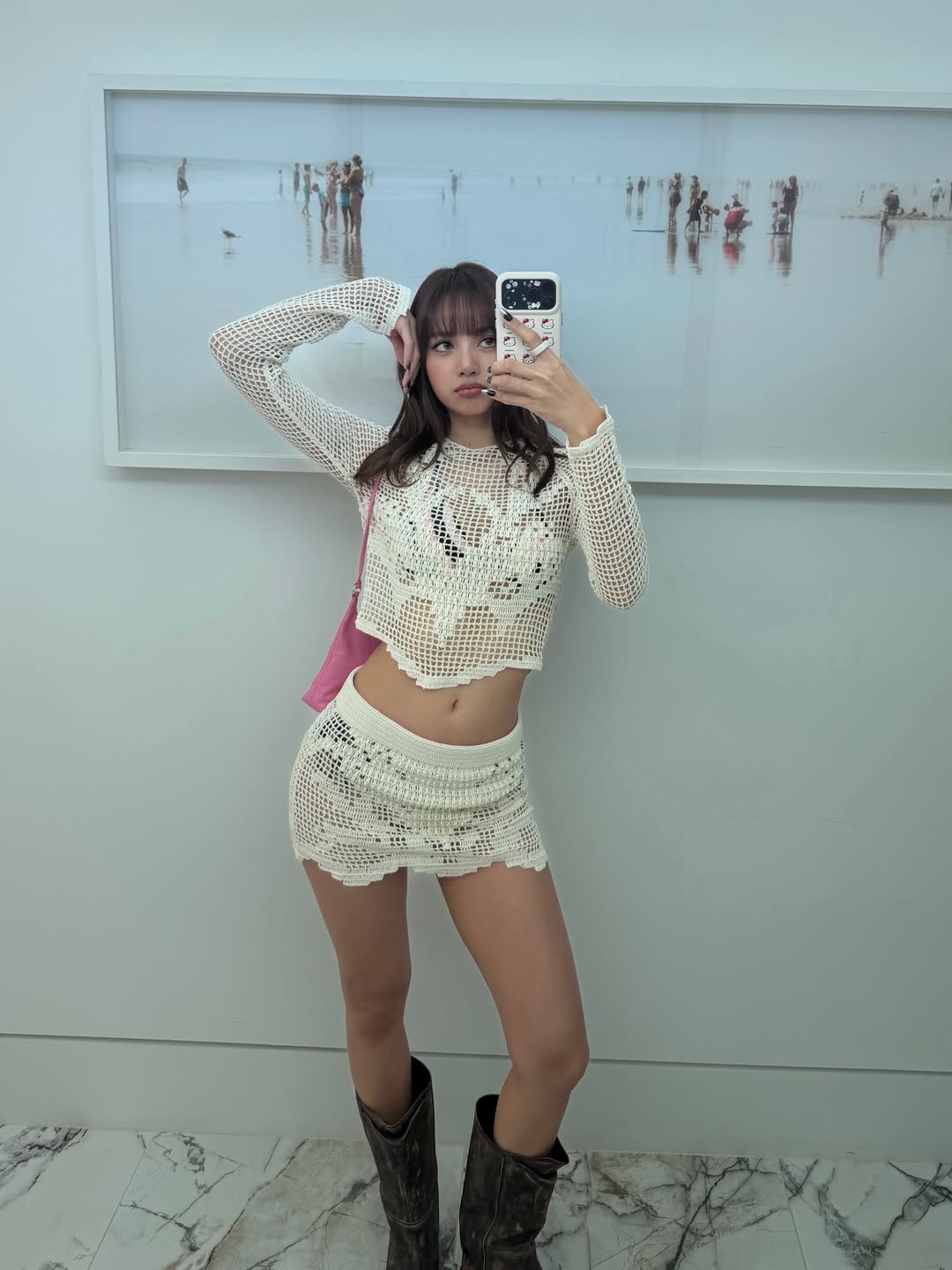
It’s not just about clothes. It reflects a larger redistribution of cultural influence. For decades, global fashion largely treated African and Asian creativity as secondary references. Today, these cultures drive the most commercially important conversations in the industry. K-pop transformed relationships between celebrities and brands. Afrobeats have reshaped the global music aesthetic. Together they have created a new type of global fashion ecosystem around:
- Digital visibility
- Cultural authenticity
- Fandom participation
- Cross-border influence
Global fashion is no longer concentrated in one place
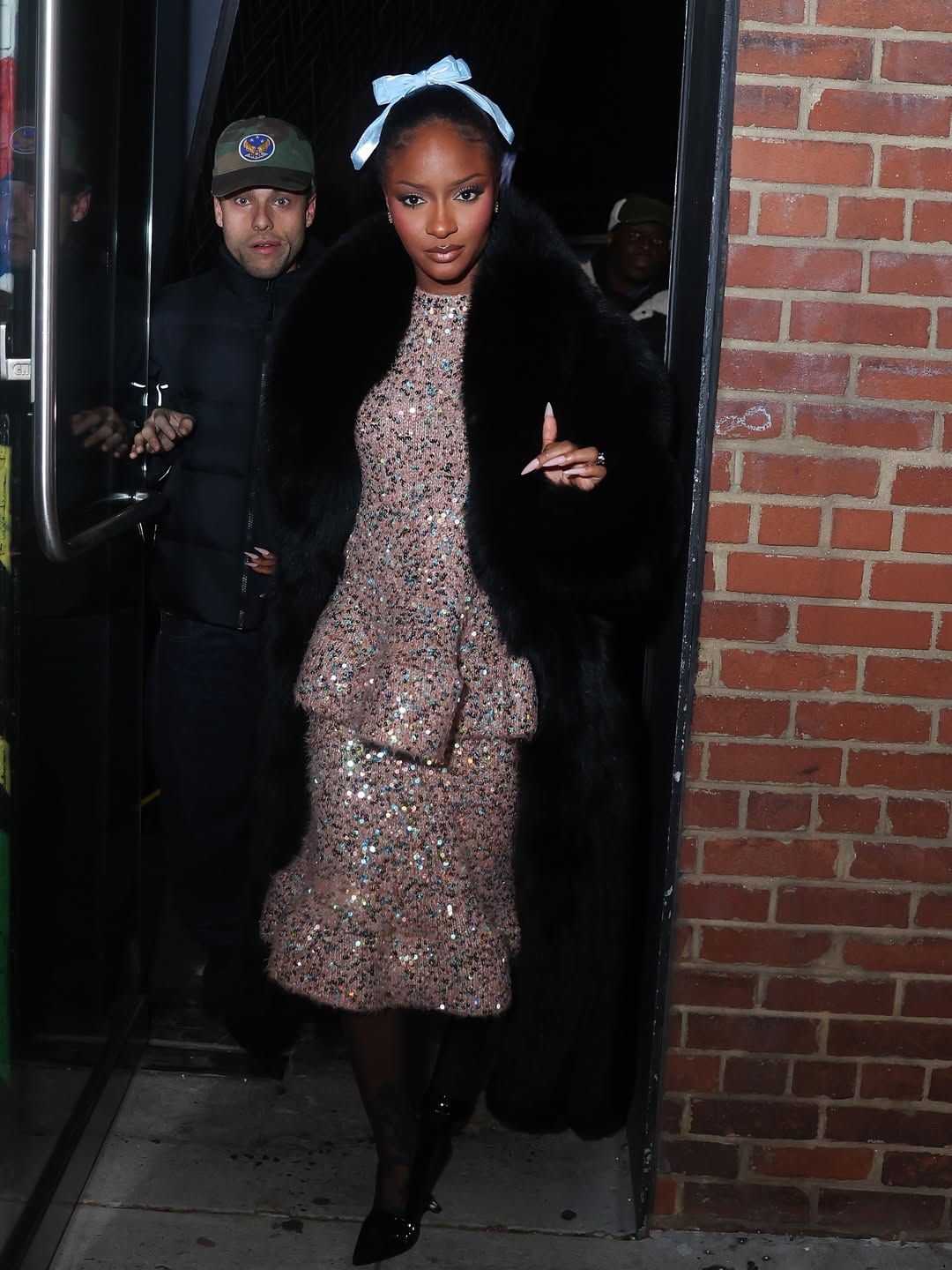
Fashion is entering an era that is more globally connected. The rise of K-Pop and Afrobeats in fashion conversations shows that influence no longer flows through one cultural center. Instead, it travels through music, internet culture, fandoms and visual communities spanning continents. Luxury fashion is adapting accordingly.
What once looked regional now shapes global ambition. The future of fashion is increasingly being written simultaneously in Seoul, Lagos and online.