


Glass skin filters, high-definition beauty videos and ultra-sharp phone cameras have completely transformed modern beauty standards, putting smoother texture, even tone and visibly glowing skin at the center of online beauty culture. This has led to more people becoming interested in professional treatments that deliver noticeable improvements beyond what skin care products alone can sometimes achieve. As a result, laser resurfacing treatments have become popular within modern beauty culture.
These procedures are now among the most sought-after professional options for improving uneven texture, acne scars, sun damage, and overall skin quality over time.
For years, laser procedures sounded intimidating, expensive, or overly dramatic. The older view of resurfacing was often accompanied by severe redness, painful recovery and having to stay indoors for weeks. Modern technology has changed that perception significantly. Nowadays, many treatments are much more customizable, meaning people can target acne scars, fine lines, pigmentation, enlarged pores and uneven texture with varying levels of recovery time depending on intensity.
Yet laser resurfacing treatment remains one of the most misunderstood cosmetic procedures in skin care. Social media clips often compress the process into quick before-and-after transformations with no explanation of recovery timelines, skin prep, maintenance, risks for deeper skin tones, or how dramatically the results depend on the provider performing the procedure. Stronger skin results rarely come from the laser alone. They come from proper aftercare, realistic expectations and choosing the right treatment for your skin problem rather than chasing trends.
What is a laser treatment for skin renewal?
Laser resurfacing treatment uses concentrated light rays to improve the appearance and texture of the skin. The treatment works by removing or stimulating damaged outer layers of skin production of collagen below the surface, depending on the type of laser used.
Some lasers work aggressively at the surface level, while others target deeper layers more gently and with less downtime. This flexibility explains why resurfacing treatments now exist for different lifestyles, skin tones and recovery preferences.
People often use laser procedures to improve the following:
- Acne scars
- Fine lines and wrinkles
- Sun damage
- Hyperpigmentation
- Enlarged pores
- Uneven skin texture
- Dullness
- Surgical scars
- Stretch marks in some cases
The treatment category itself is broad and that is why consultations are so important. One person might need deep resurfacing for acne scars, while another might just want a mild collagen refresh before a big event.
How does laser resurfacing actually work?
Lasers cause controlled damage in the skin to trigger regeneration. That sounds intense at first, but the ‘controlled’ aspect is exactly what makes the procedure effective. As the skin repairs itself after treatment, fresh collagen production increases and damaged cells gradually shed. Over time, skin often looks smoother, brighter, firmer and more refined.
A resurfacing plan that focuses on healthier texture and stronger collagen repair usually relies heavily on choosing the right laser type for your skin problem rather than selecting the strongest option available.
The main types of laser resurfacing treatments
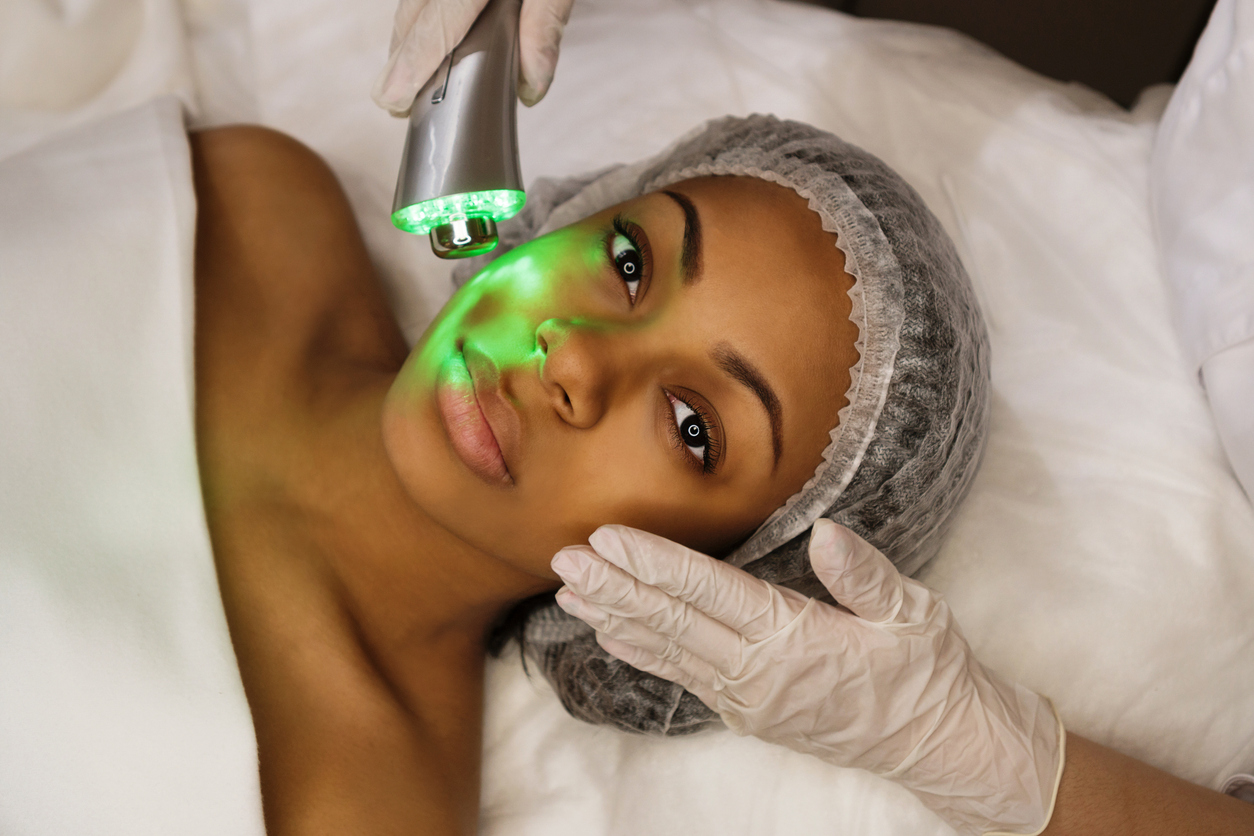
Ablative lasers: Ablative lasers remove the outer layer of skin and typically produce more dramatic results. They are often used for deeper wrinkles, severe sun damage and acne scars. Popular examples are CO2 and erbium lasers. These treatments usually involve longer recovery periods with redness, peeling, swelling and temporary tenderness.
Non-ablative lasers: Non-ablative lasers work below the surface without removing the top layer of skin. They stimulate collagen gradually and usually require less recovery time. These are often chosen for mild pigmentation, early fine lines, subtle texture refinement and preventive anti-aging care. Results appear more gradually, although recovery is usually easier.
Fractional lasers: Fractional technology treats small areas of the skin instead of the entire surface at once. This approach allows for faster healing while still stimulating collagen production. Many dermatologists prefer fractional resurfacing because it balances effectiveness with manageable recovery time for many patients.
What does recovery from laser resurfacing actually look like?
Recovery depends entirely on the laser intensity. Mild treatments may cause redness similar to a mild sunburn for a few days, while deeper surface resurfacing treatments may cause swelling, peeling, scabbing and tenderness lasting several weeks.
A big misconception online is that skin looks perfect immediately after shedding has stopped. In reality, fresh skin continues to heal for weeks or even months afterwards.
People often notice:
- Temporary redness
- Tightness
- Peeling
- Drought
- Sensitivity to sunlight
- Itching during healing
Sun protection becomes extremely important after treatment. Newly repaired skin remains vulnerable to pigmentation problems if it is exposed to excessive UV radiation too early.
Is laser resurfacing painful?
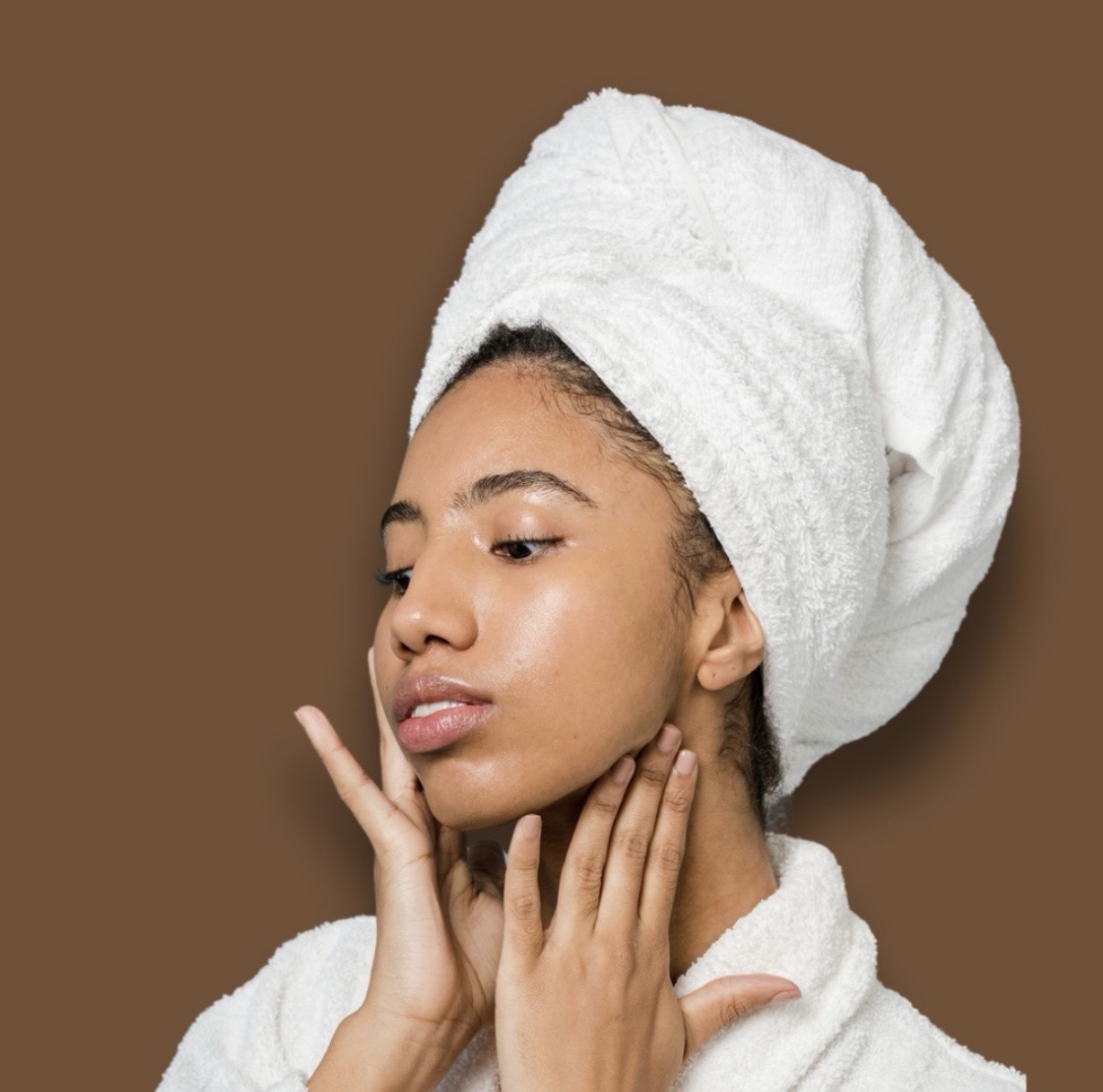
Most people describe the feeling as heat, popping or intense stinging, depending on the laser used. Many clinics apply a numbing cream beforehand, while deeper treatments may involve stronger pain relief methods.
The degree of discomfort varies considerably. Mild resurfacing can feel very manageable, while deeper CO2 treatments are significantly more intense both during and after the procedure. This is partly why many patients now prefer gradual treatments with less recovery time to one aggressive session that requires prolonged recovery.
How long do the results last?
Laser resurfacing does not permanently stop aging, but the results can be long-lasting if paired with good skin care habits.
Factors that affect longevity include:
- Sun exposure
- Smoking
- Skin care routine
- Hydration
- Genetics
- Return of acne
- Collagen loss with age
Some people maintain a smoother texture for years after deeper application, especially when consistent sunscreen use becomes part of their daily routine. Others periodically opt for lighter maintenance sessions instead of one intensive treatment.
Is Laser Resurfacing Treatment Safe for Dark Skin?
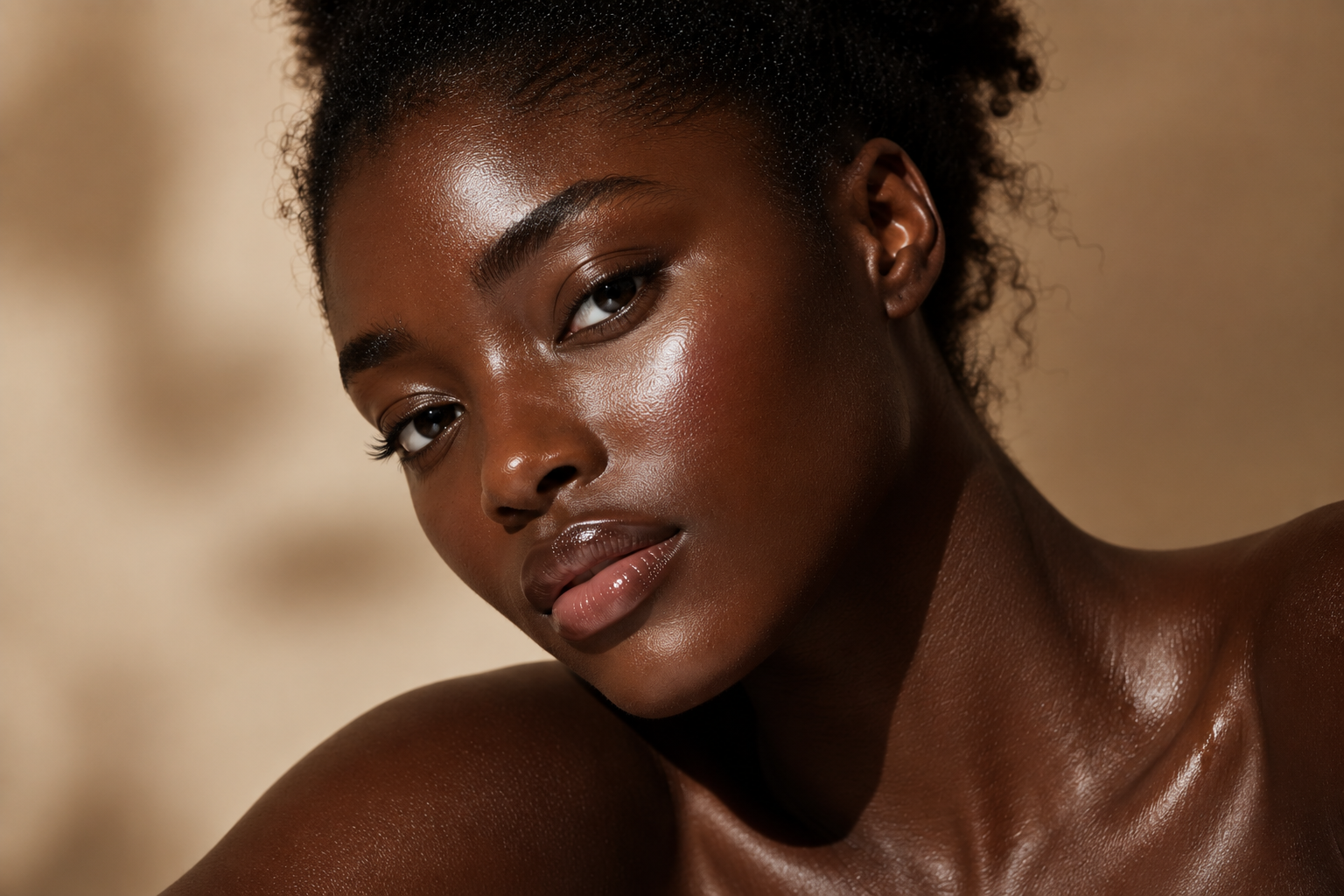
This remains one of the most important topics in cosmetic dermatology. Deeper skin tones carry a greater risk of post-inflammatory hyperpigmentation, burns, or uneven pigment changes when lasers are used incorrectly.
Fortunately, laser technology has improved significantly over time. Many providers now safely treat melanin-rich skin with carefully selected devices and conservative settings. However, expertise is extremely important.
Choosing an experienced provider who is familiar with dark skin tones is non-negotiable. Aggressive treatment settings can cause complications that last much longer than the original skin problem.
Safer treatment plans for a melanin-rich skin tone often involve gentler resurfacing sessions gradually spaced out over time, rather than very aggressive procedures.
How do you know if you are a good candidate?
People with acne scars, visible sun damage, fine lines, uneven texture, or enlarged pores often respond well to resurfacing procedures. However, active acne, certain skin conditions, infections or unrealistic expectations can make the treatment temporarily unsuitable.
Consultations should include skin history, medication review, pigmentation history, previous responses to procedures, and discussion of healing expectations.
A resurfacing routine that supports healthier collagen repair in addition to gradual texture improvement usually works best when approached patiently, rather than aggressively pursuing overnight perfection.
Can laser resurfacing replace good skin care?
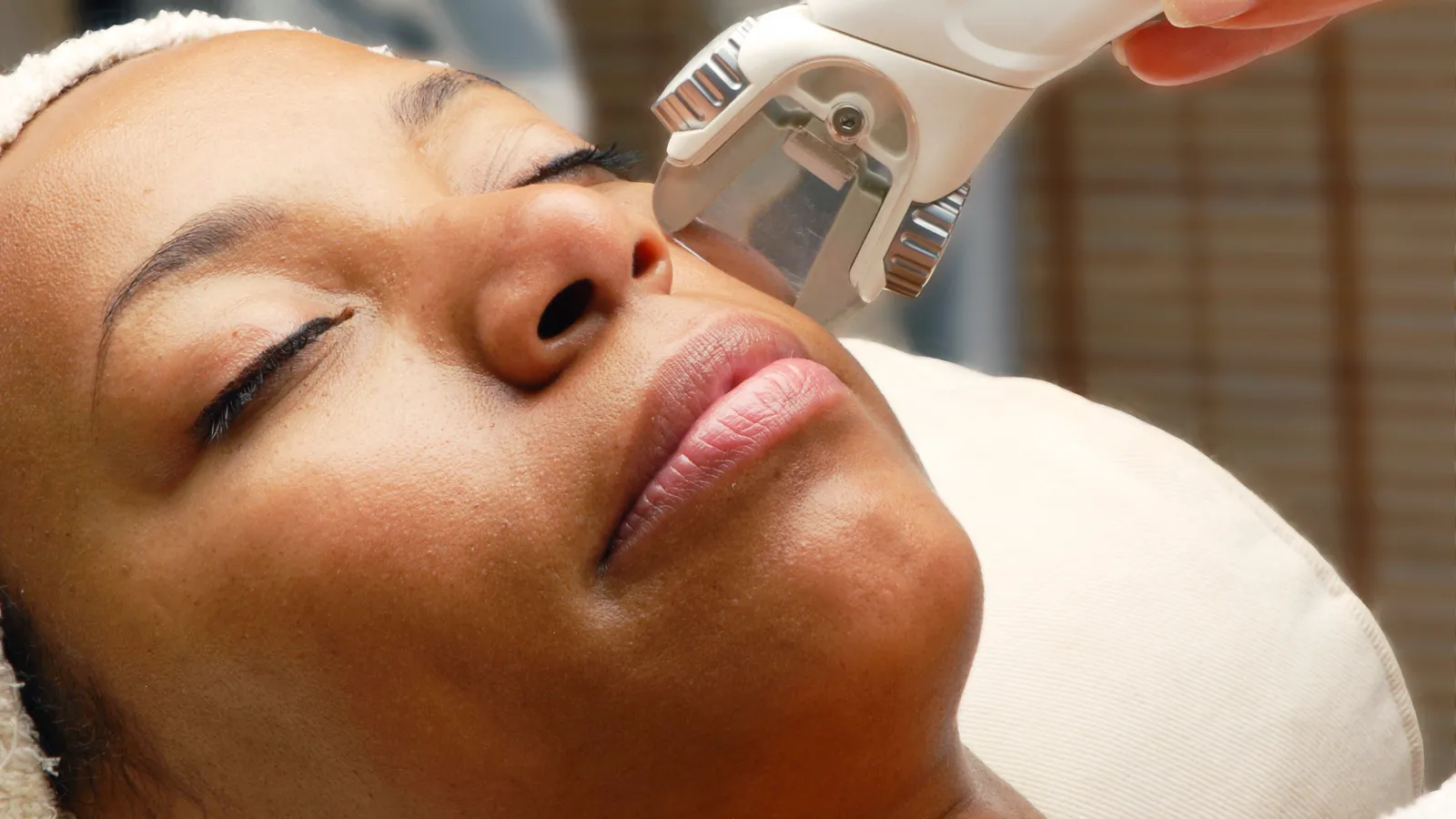
No procedure replaces daily skin care habits. Laser treatments can significantly improve skin, but neglecting sunscreen, hydration, barrier support and gentle maintenance can quickly shorten results.
Strong skin health usually comes from combining professional treatments with consistent home care rather than relying entirely on cosmetic procedures. This is also the point where many people misunderstand resurfacing. The laser offers opportunities for improvement, but the long-term quality of the skin depends greatly on how the skin is treated afterwards.
The real reason why laser resurfacing is becoming increasingly popular
Today’s beauty standards place a huge emphasis on skin texture rather than just makeup coverage. At the same time, many people now prefer treatments that gradually improve the skin under makeup, rather than relying on heavy coverage every day. That preference has made procedures that focus on collagen, texture refinement and long-term skin quality increasingly popular among different age groups.
However, laser treatment for skin renewal works best if it is approached realistically. Some scars soften instead of disappearing completely. Fine lines gradually improve. Pigmentation can require maintenance. The strongest results often come from patience, consistency, and experienced caregivers rather than one-session expectations.
Long-term improvement usually comes from combining smart skin care habits, good sun protection, balanced treatments, and realistic expectations over time.
Featured image: Style Rave Studio/AI-generated visual
—Read also
Dysport or Botox? What you need to know about today’s most popular injectables