

Share the article
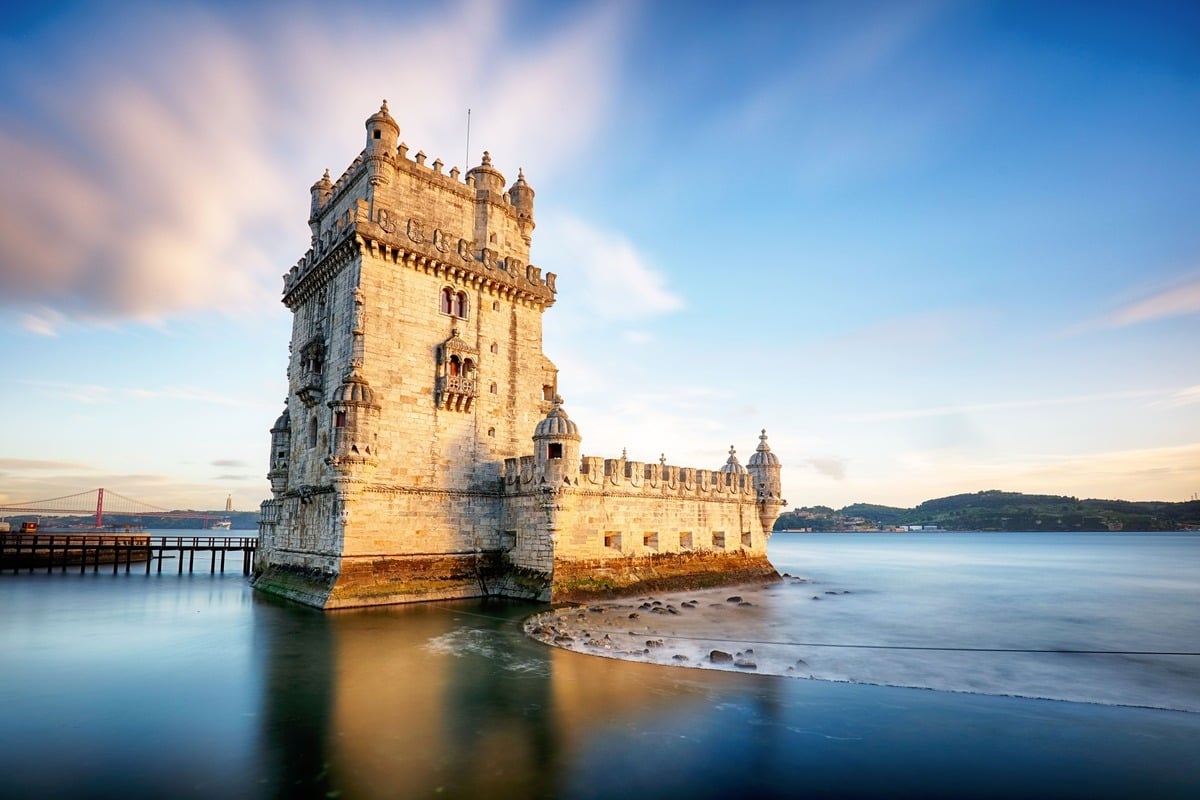
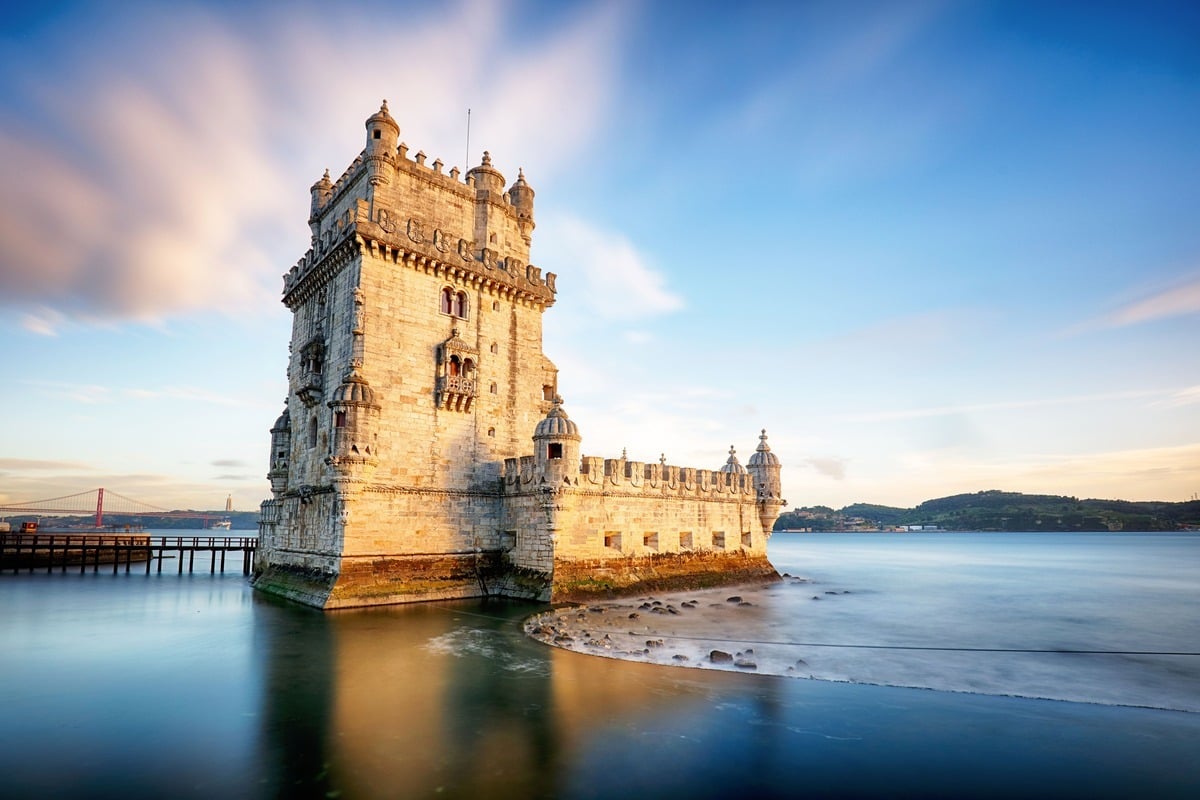
There’s nothing like munching on something fresh from the oven pastel de nata as you stroll along the Tagus River, with views of Lisbon’s pastel, castle-studded skyline in the distance… but if your heart is set on Portugal this summer it should Brace yourself for some serious border problems.
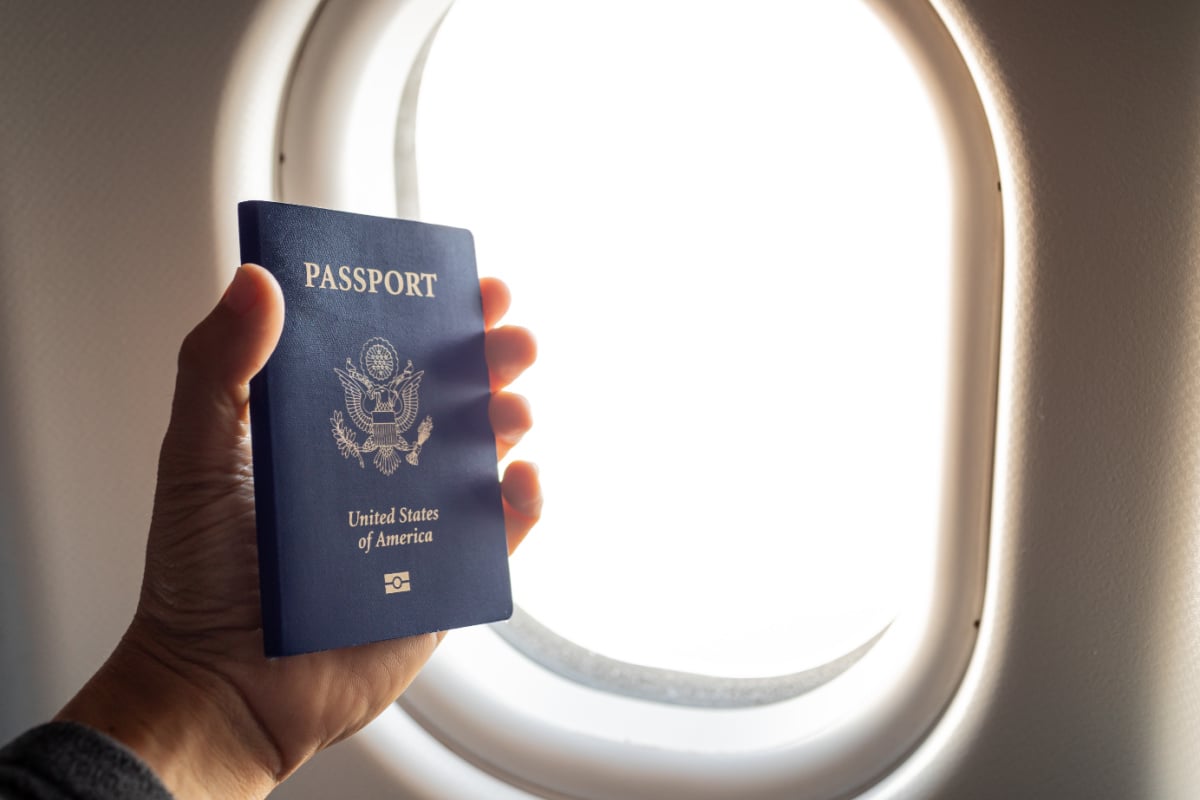
Europe’s new Entry/Exit system is now firing on all cylinders, and unless you’ve been living under a rock for the past few months, Americans are now expected to be fingerprinted and undergo facial scans upon arrival in much of the Old Continent.
Or most of it anyway.
As a result, significant delays have been reported at EU access hubs such as Paris Charles de Gaulle, Milan Malpensa and Madrid Barajas… but in the case of Portugal there are significant delays. Lisbon airport really takes the cake in terms of disruptions.
Lisbon airport is probably the last place you want to be right now
Lisbon Airport has never been Europe’s model for effective, smooth airside operations, with border delays reported long before the EES, but this week it came under fire. againafter a viral reel shared by CNN journalist Clarissa Ward.
As she states in the video, non-European passengers, and this includes American passport holders, are now required to register their biometric data at an EES kiosk before proceeding to the actual border control, both on arrival and on departure from Portugal.
The problem is that depending on the ‘results’ of that machine, you either end up in another long line or go to yet another kiosk.
In practice, travelers must now use the kiosk to check in in the Schengen area, the border-free zone that Portugal shares with 26 other European countries, and to check out upon departure. This ensures that their stay does not exceed the permitted 90 days within a 180-day period and prevents people from exceeding the permitted length of stay.
Sounds good on paper, but the situation sits on the ground nothing less than absolute chaos.
Ward revealed she had to wait no less than six hours just to clarify procedures before she was allowed to board her flight out of the country. In her own words, “thousands and thousands of people” are going through “complete madness,” and the system “simply isn’t working.”
Over the past two weeks, Portuguese authorities have stepped up efforts to smooth over the EES mess at Lisbon airport, including deploying the National Guard, but to no avail. Ward concluded by saying that this is “testimony to what a disaster these new EES rules are.”
Expect some major disruptions when traveling to Portugal this summer
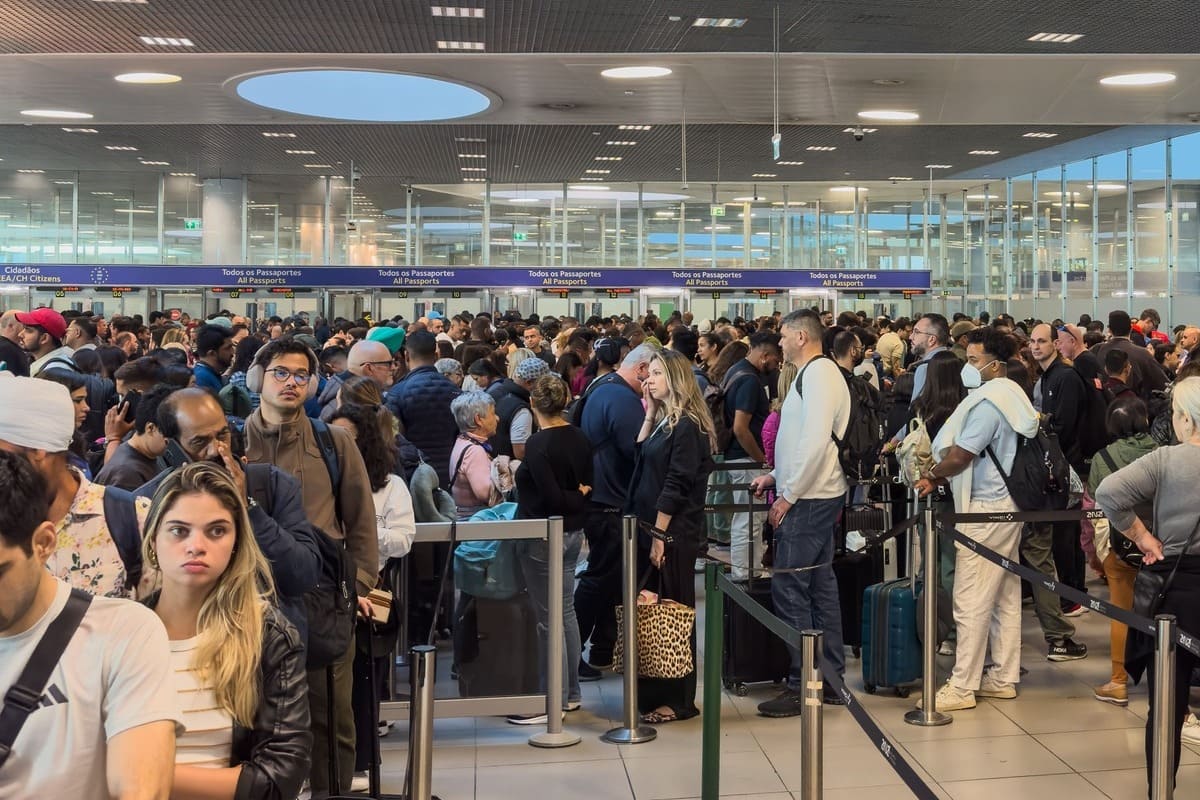
It takes about 30 to 60 seconds to complete each EES registration, which doesn’t sound like a terribly long wait if we’re talking about the solo traveler experience.
That is, if the EES kiosk is even workin the first place. There are reports of incorrect registrations, making the wait even longer.
Add to that the typical hordes of peak hours, and you can easily get wait times of 3 to 6 hours.
That is the average European airport. In Lisbon, on particularly busy days, wait times can reach more than 8 hours, with lines snaking out of the actual passport control zone, through the entire duty-free and secure area, and into the public zone.
Don’t believe us? Type “Lisbon Airport” into TikTok and start doomscrolling happily.
Moreover, Lisbon Airport has historically been overcapacityespecially considering how popular the city has become as a destination in recent years.
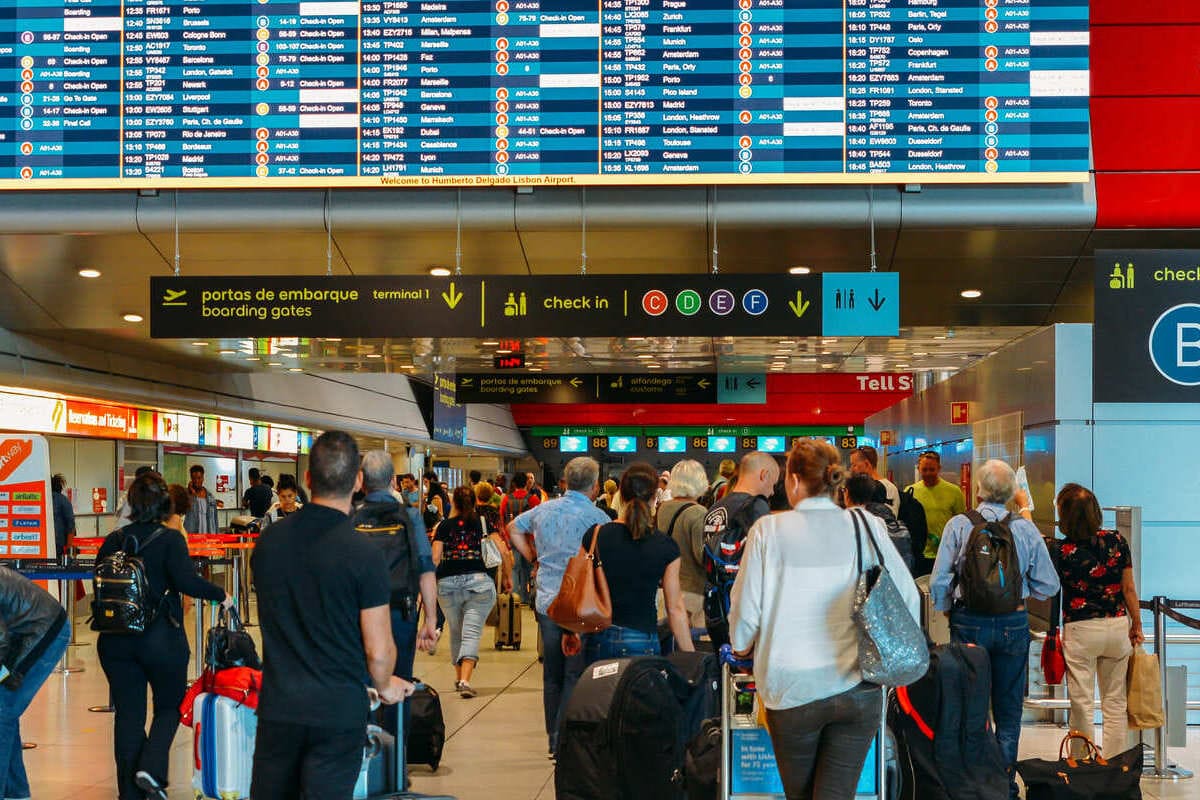
It was originally designed for far fewer passengers than there are today, and with tens of millions of visitors every year, border control inevitably becomes overwhelming:
- On peak days there are simply not enough border guards
- Limited passport control booths
- Even if you qualify for eGate use, they are not always fully usable and the system crashes frequently
Border issues aside, before the flight, check the latest warnings on the Traveler Dashboard that apply to Portugal.
For example, on June 3, 2026, a nationwide strike caused widespread disruption to airports, railways, subways, buses, hospitals and schools. Travelers were advised to confirm their flight status, allow extra time to travel and prepare for reduced public services on that specific date.
In terms of traveler perception, Lisbon in particular is one of the safest destinations in Western Europe. scored 82 out of 100 on the Traveler Safety Index:
Will the EES be suspended?
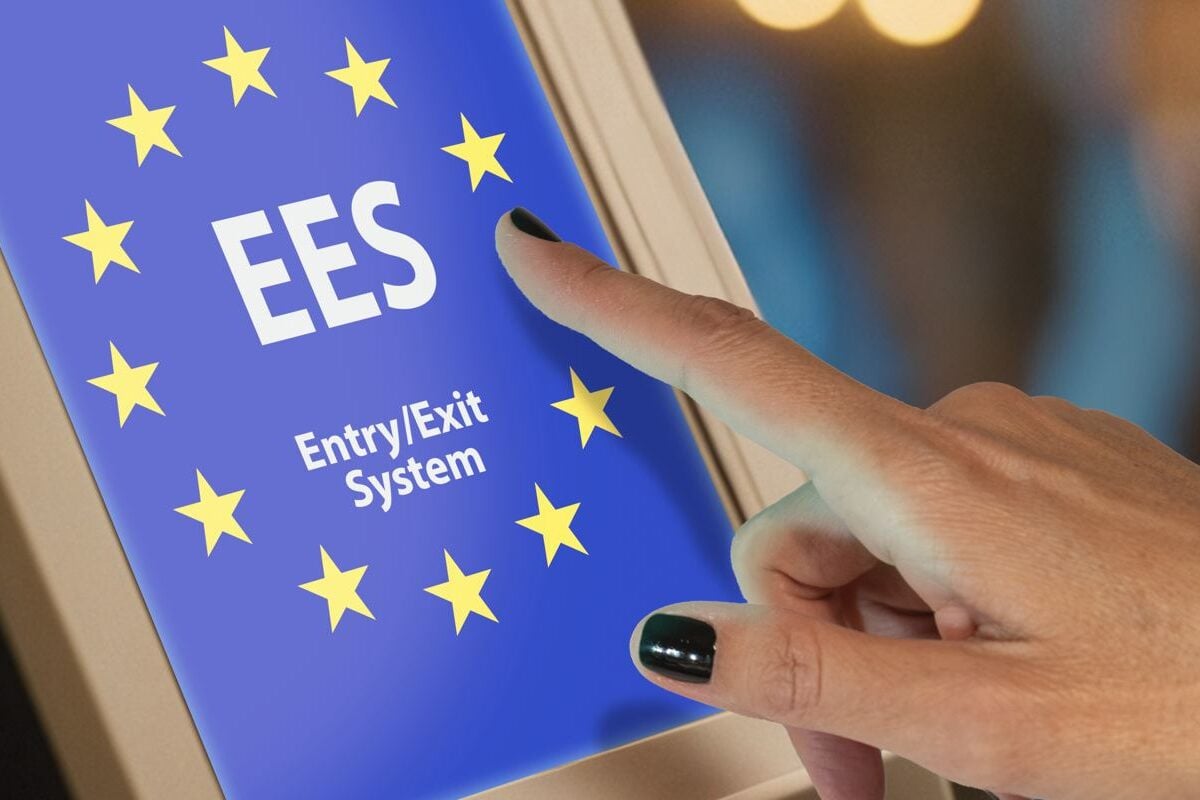
The National Guard has already been called in, but as complaints are now spiraling out of control, Portuguese Prime Minister Luís Montenegro has even hinted at the temporary suspension of the EES measures for the time being.
Something that the EES-affected country Greece tried to smoothen arrivals until Brussels got things back in order.
At the moment, almost everyone is dissatisfied, from tourist leaders to hoteliers in the Algarve in the south of the country, to even the Portuguese Prime Minister, who ‘is considering taking more serious measures‘ to safeguard Portugal’s reputation.
He stressed that he recognizes that Portugal has obligations under European law, but stressed that the government simply cannot stand by and watch the situation deteriorate and damage tourism (and the wider economy). That’s 12% of the country’s GDP at stake.
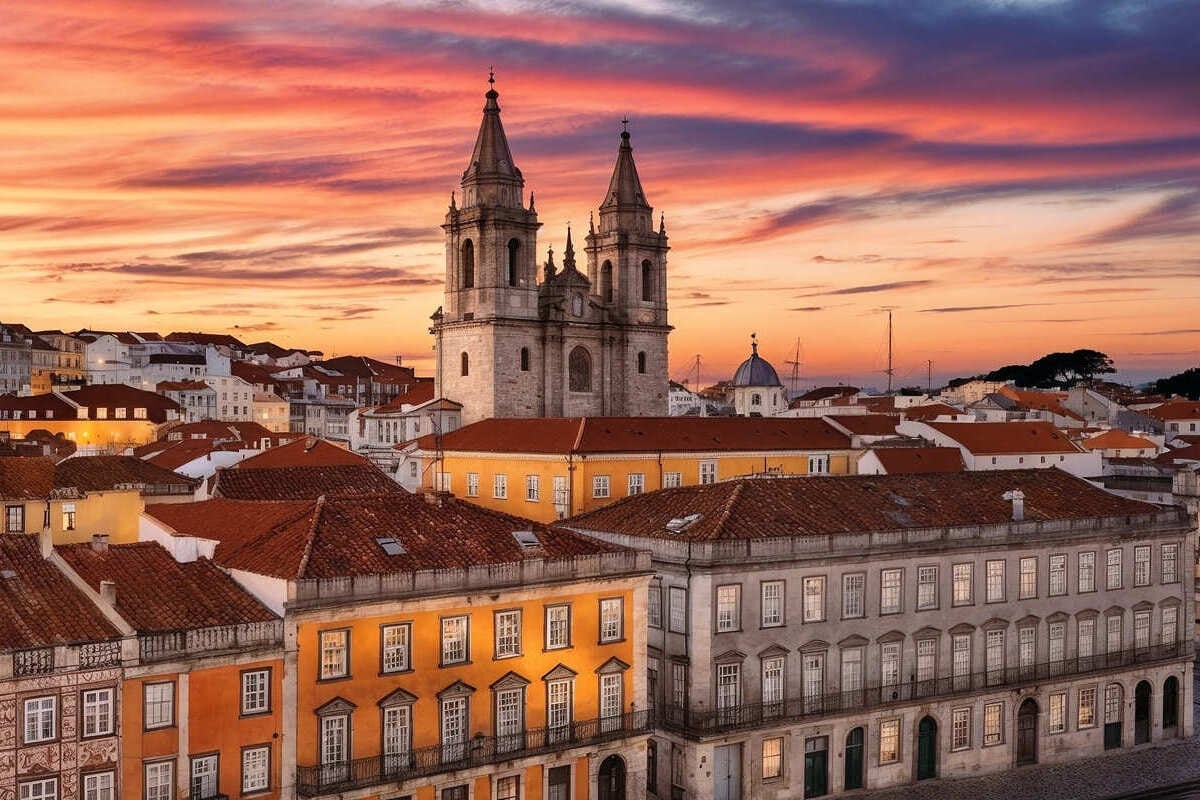
In July, another 360 members of the PSP (Public Security Police) will be added to Portuguese airports such as Lisbon, Porto and Faro (serving the Algarve), but even that is no guarantee that Portugal will improve the traveler experience in time for the summer rush.
Hélder Martins, president of the Algarve Hoteliers’ Association, said: “There are still queues even when the system is offline.”
The Algarve now offers nonstop flights from North America, and it is one of the fastest growing destinations for American travelers vacationing across the pond.
In short for now:
- Avoid using Lisbon Airport for connecting flights
- If you do, make sure there is at least 6-8 hours of buffer time between flights
- When you arrive in Lisbon during the EES rollout this summer, prepare for significant delays
- Take out travel insurance before flying to cover worst-case disruptions, such as missed flights