

Share the article
When planning a trip to South America, safety and authenticity are always at the top of my list.
Argentina routinely ranks as one of the safest countries on the entire continent (scored no less than 89/100 on our own safety index!), which makes it an absolute dream for travelers.
But here’s the catch: almost everyone who flies there is taken straight to the exact same tourist circuit.
They go through the streets of Buenos Aires, drink Malbec in Mendoza, take selfies at the Iguazú Falls and drive the classic Patagonian route from Bariloche to El Calafate.
These places are iconic for a reason, but they are also packed with huge tour buses and big crowds.
I’m constantly looking for those raw, boots-on-the-ground experiences that actually feel like an adventure. If you’re willing to look beyond the main highways, Argentina has some absolutely amazing secrets.
1. Campo de Piedra Pómez (Catamarca)
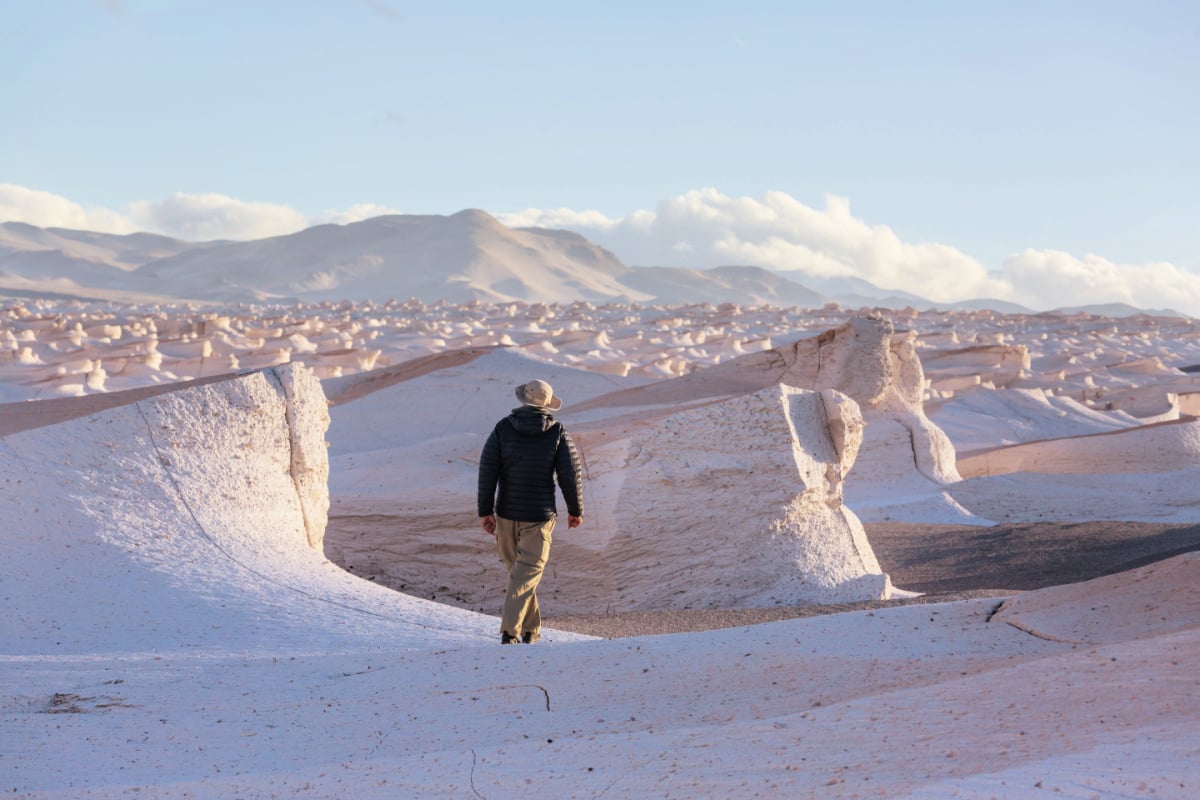
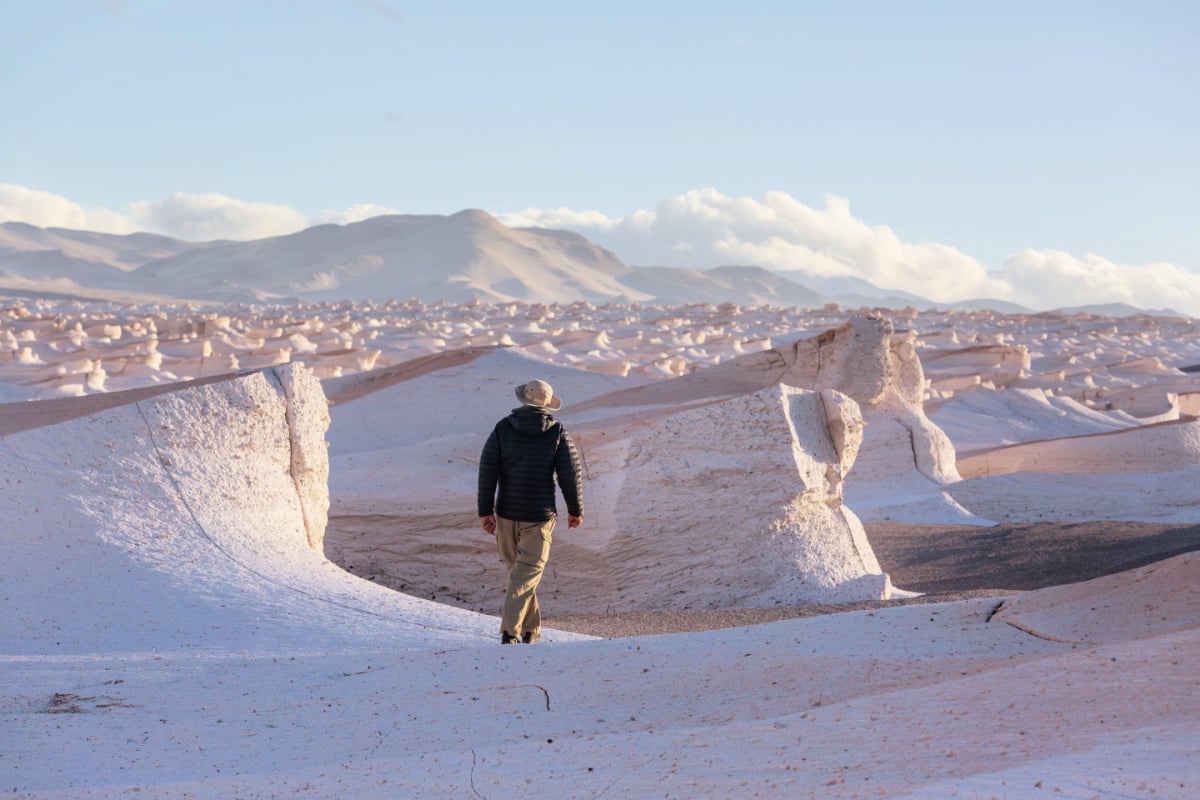
Tucked away in the high-altitude Puna region of northwestern Argentina, this place literally seems like a mistake in the matrix. It is a surreal, stark white labyrinth of pumice stone carved by strong winds over thousands of years. Entering this area feels like entering a moonscape that stretches almost 300 square kilometers.
- The atmosphere: Complete, total insulation. The stark lighting here is one absolute dream for photographyand the geological scale is incredibly raw. You’re much more likely to see wild vicuñas and pink flamingos in the nearby high-altitude lagoons than you are to see another traveler.
- The logistics: Don’t try to rent a standard sedan for this. You definitely need a 4×4 and a local guide (known as a baqueano) to safely navigate the rugged terrain. Your best bet is to base yourself in the small village of El Peñón. Because the altitude is enormous (over 3,000 meters), you should give yourself a full day to acclimatize before exploring.
2. Saltos del Moconá (Misiones)
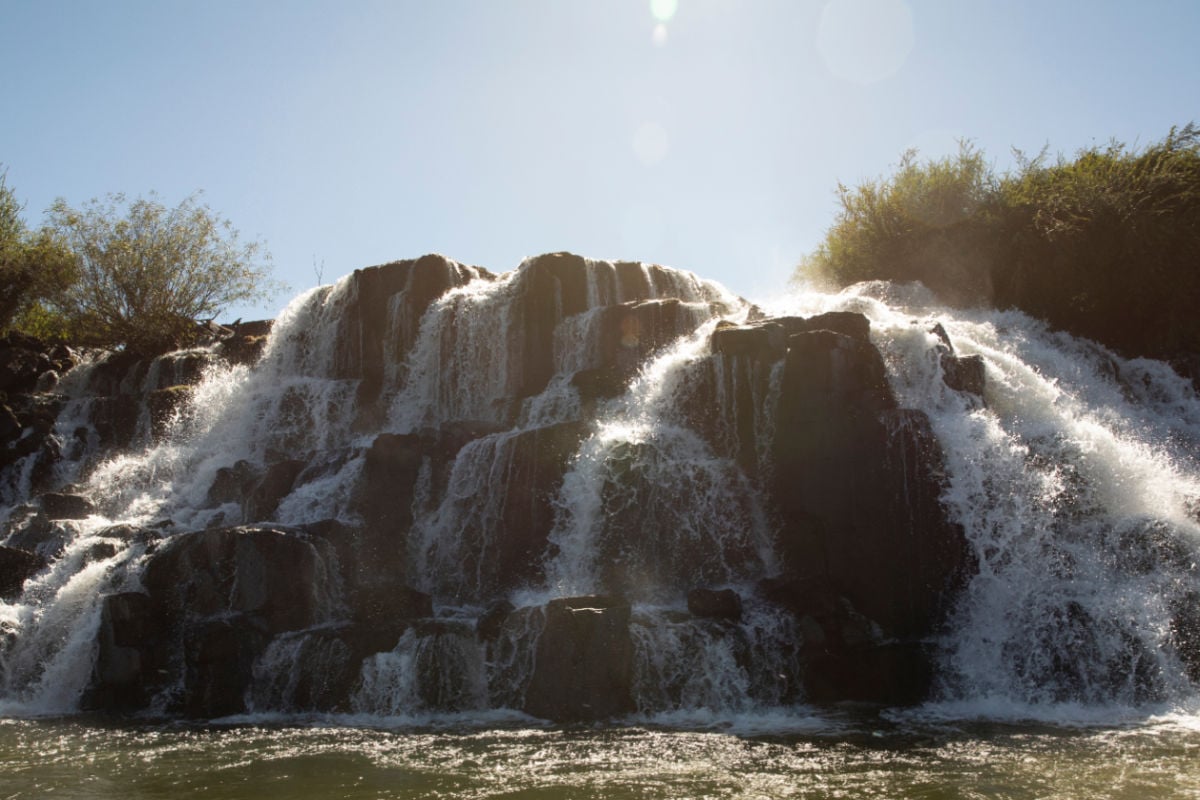
Everyone flocks to the massive Iguazú Falls, but further south, in the exact same province, lies a total geological anomaly. Saltos del Moconá is a waterfall that really flows parallel to the river, not over it. A huge fault line in the Uruguay River is subsiding, creating a channel where water flows sideways for nearly two miles.
- The atmosphere: Pure, deep jungle exploration. The surrounding Yabotí Biosphere Reserve is incredibly dense, humid and packed with wildlife. If you keep your eyes open you can spot toucans and even the elusive jaguar hidden in the tree line.
- The logistics: Access to this natural wonder is highly dependent on the water level of the river. If the river is too high, the falls actually disappear completely below the surface. To get a good look at them, you take a Zodiac boat ride straight into the trenchwhile the water crashes right next to you. I highly recommend using the nearby town of El Soberbio as a base camp.
3. Cabo Dos Bahías (Chubut)
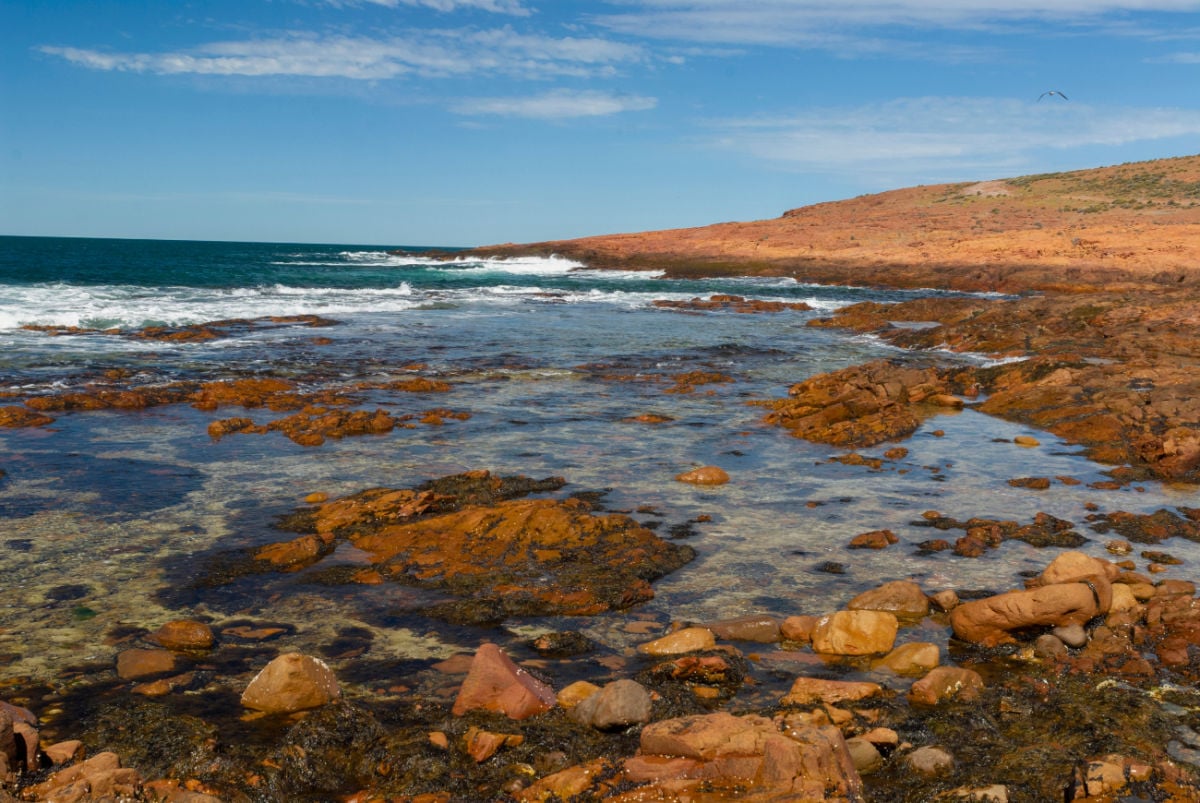
Península Valdés and Punta Tombo usually get all the international fame for Patagonia’s wildlife spotting, which also means they’re inundated with huge crowds. If you want a quieter experience, head further south to Cabo Dos Bahías. It is a spectacular, rugged nature reserve where the arid Patagonian steppe abruptly plunges into the deep blue water of the Atlantic Ocean.
- The atmosphere: It’s serene, windy and… really wild. If you’re a fan of uninterrupted slow travel and just listening to the crashing waves, this is phenomenal.
- The logistics: The reserve is located near the small fishing village of Camarones, about a 3.5 hour drive south of Trelew. If you plan your trip between October and March, you can literally walk among thousands of wild Magellanic penguins on wooden boardwalks. observing nature with a fraction of the hustle and bustle you would find further north.
4. La Carolina (San Luis)
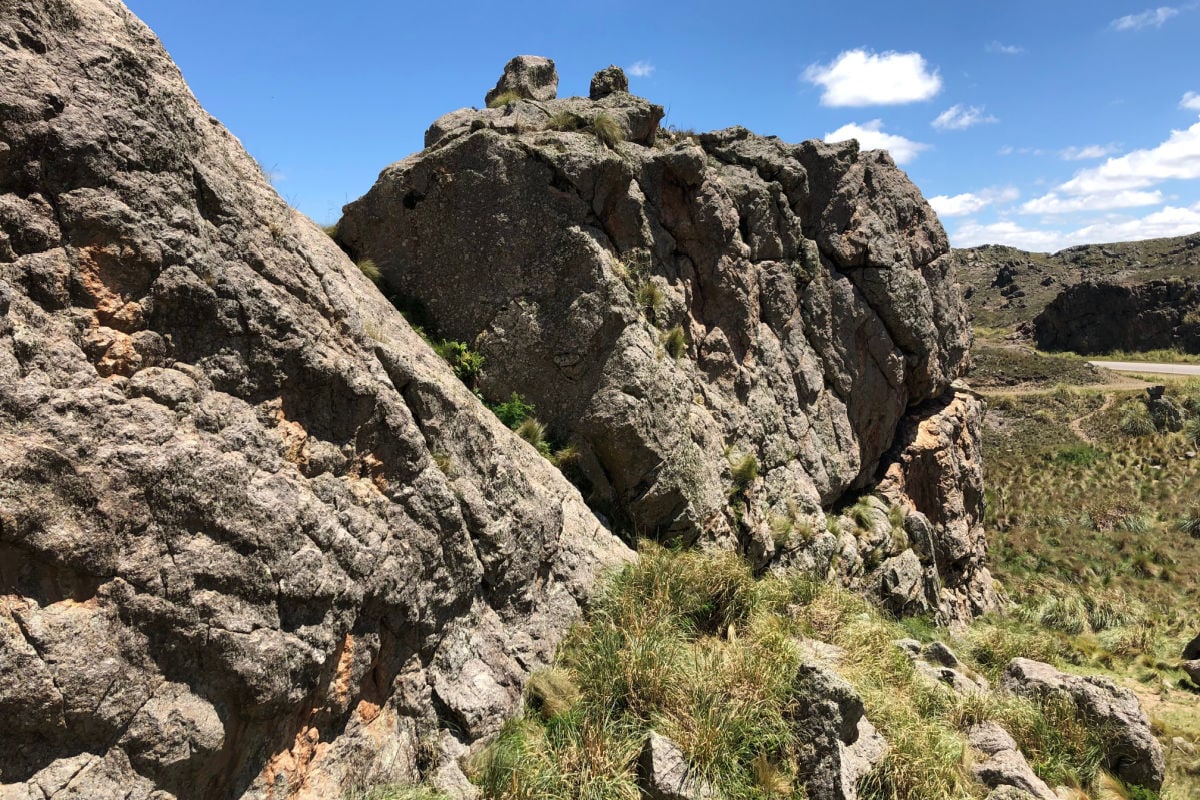
Hidden high in the Sierras de San Luis, this stone village feels completely frozen in time. La Carolina was originally settled in the late 18th century during a short, intense gold rush. Today the town has perfectly preserved its original cobbled streets and rustic stone houses built right into the hillside.
- The atmosphere: The isolation in the mountains mixed strongly with colonial history. It’s incredibly quiet, perfectly cool and very atmospheric without feeling like it’s a manufactured tourist trap.
- The logistics: It’s an easy, scenic one-hour drive into the mountains from the provincial capital of San Luis. Once you get there, you can actually still pan for gold in the local riverExplore the abandoned, cavernous mine shafts with a local guide and sit down to some incredible traditional regional food.
Argentina Safety Index: your turn to vote
While international indices consistently rank Argentina as one of the safest destinations in Latin America, real-time feedback from actual travelers provides the most accurate picture on the ground.
Our community-driven safety index draws on real-world experiences to keep data current, reliable and transparent. And Argentina is currently at a beautiful 89/100.
If you’ve traveled to Argentina recently – whether you followed the classic trails of Buenos Aires or ventured into the rugged wilderness of Catamarca and Chubut – we want to hear from you. Your first-hand insights will help fellow travelers plan their adventures with instant confidence.
Cast your vote below
Did Argentina feel safe during your travels? Leave your review below to update our live tracker!