

Share the article
When I’m planning a getaway to the Caribbean, my absolute worst nightmare is ending up on a beach where I have to fight with 500 cruise ship passengers to get a plastic lounge chair.
For decades, the islands have built huge mega-resorts and gigantic deep-water ports to bring in as many tourists as possible. Finding a place that feels truly wild, authentic and untouched gets harder every year.
But if you’re willing to put in a little extra effort—whether that means enduring a rough ferry crossing, hopping on a small commuter plane, or navigating a rugged coastline—there are still a handful of islands that fly completely under the radar.
I’m constantly looking for those raw, boots-on-the-ground experiences, and these 5 off-the-grid Caribbean borders completely hijacked my travel list.
1. Sint Eustatius (Statia)
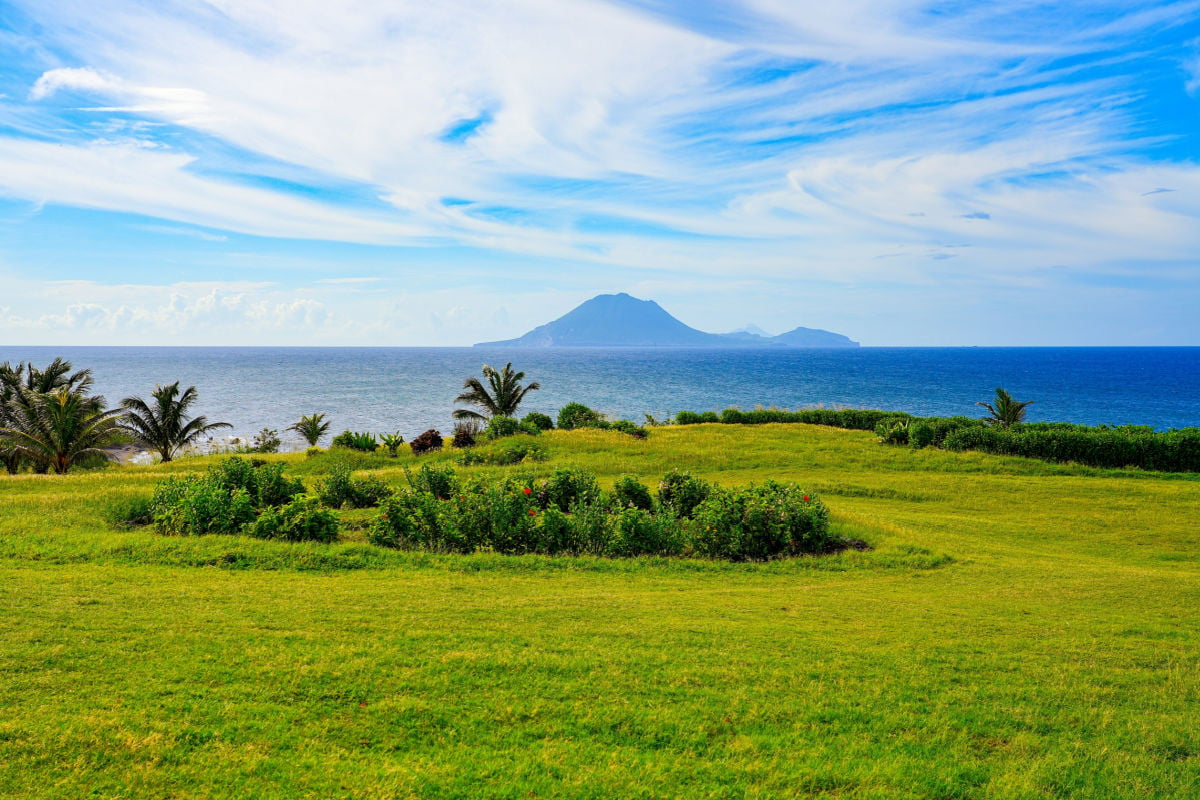
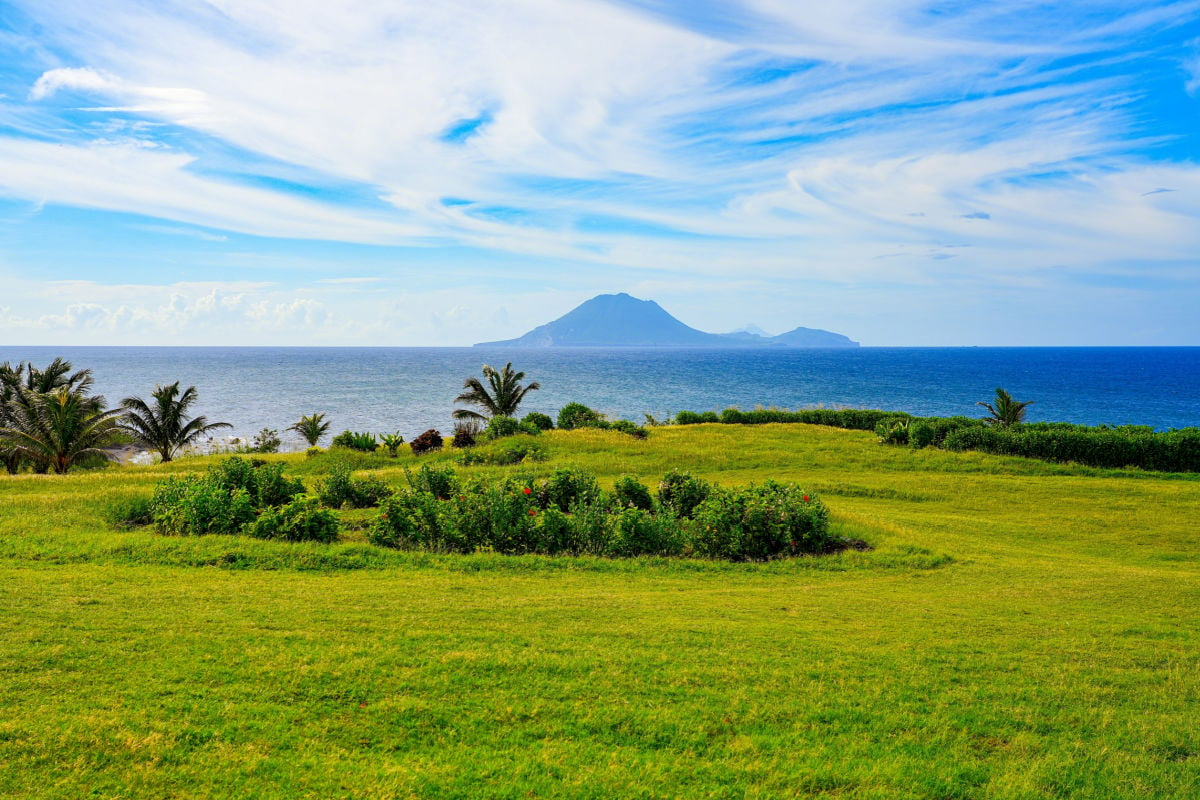
This small Dutch municipality is hidden in the northern Leeward Islands has only about 3,400 inhabitants.
Known for its super short runway and absolutely no mega cruise terminals, it has completely avoided the huge crowds that flock to neighboring islands like St. Maarten.
- The atmosphere: It’s dripping with crazy history. In the 18th century, this place was known as the ‘Golden Rock’ and was one of the richest and most chaotic trading centers in the world. It is also known for the ‘First Salute’ in 1776, when it became the very first foreign power to formally recognize the newly independent United States.
- The ground experience: Half of the 18th-century colonial city literally fell into the ocean centuries ago. Today it functions as a submerged archaeological park where divers can swim through the ruins of old warehouses and hunt for legendary 17th-century blue glass trading beads. On land, you can spend your afternoon hiking in the crater of a 600-meter-high dormant stratovolcano called The Quill.
- How do I get there: That’s possible catch a quick 20-minute shuttle flight from St. Maartenor take an 85-minute crossing on the local Makana ferry.
2. Guanaja, Honduras
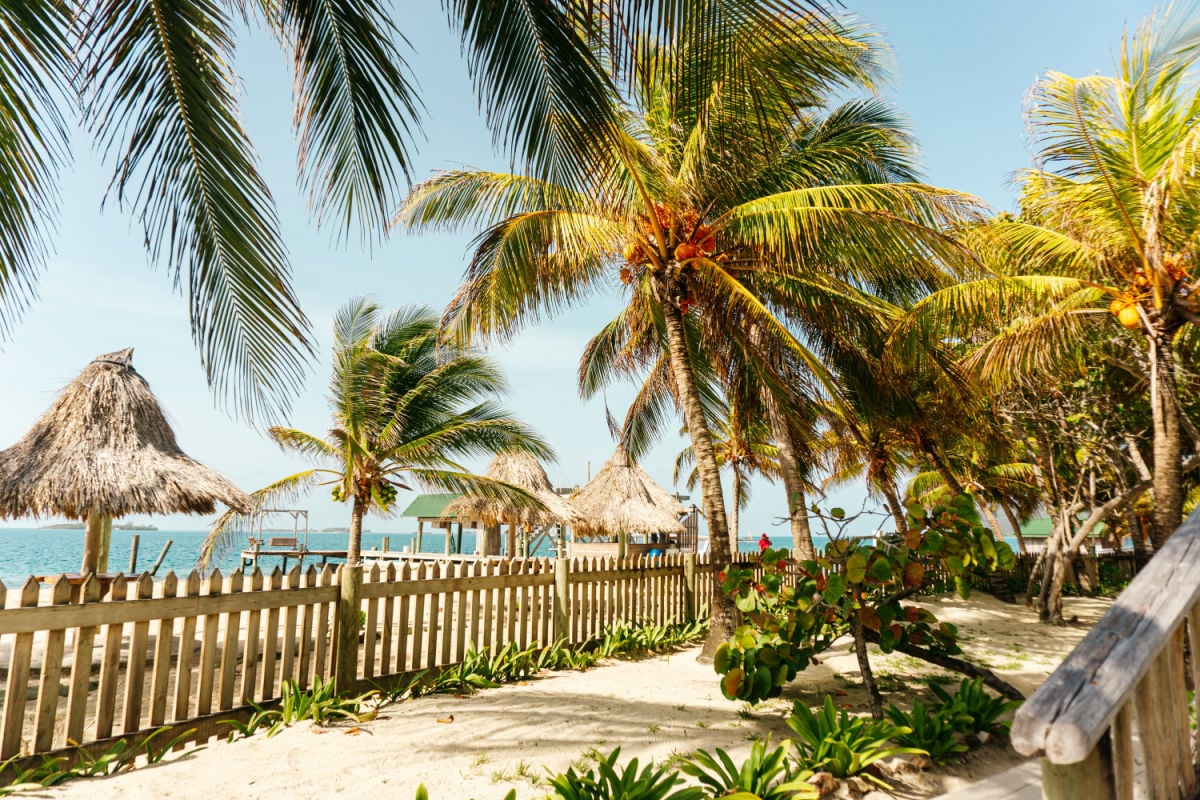
While everyone else flocks to the huge diving schools and busy bars on Roatán, its sister island Guanaja is just 70 kilometers off the Honduran coast. fiercely untamed and dramatically under-visited.
- The atmosphere: The absolute wildest thing about Guanaja is that there are virtually no roads. The entire local economy is completely dependent on the water, which means you have to take a water taxi through mangrove canals to get around.
- The ground experience: Because the giant cruise ships are skipping it altogether, the barrier reef here is incredibly healthy. It’s a world-class hotspot for divers exploring ancient caves and anglers looking to cast for bonefish in total isolation on the shallow, hard-bottomed flats.
- Where to stay: You want to book a place at The End of the World Resort. It is completely off-the-grid, solar-powered and can accommodate up to ten guests in private cabanas built directly into the hillside.
3. Great Inagua, Bahamas
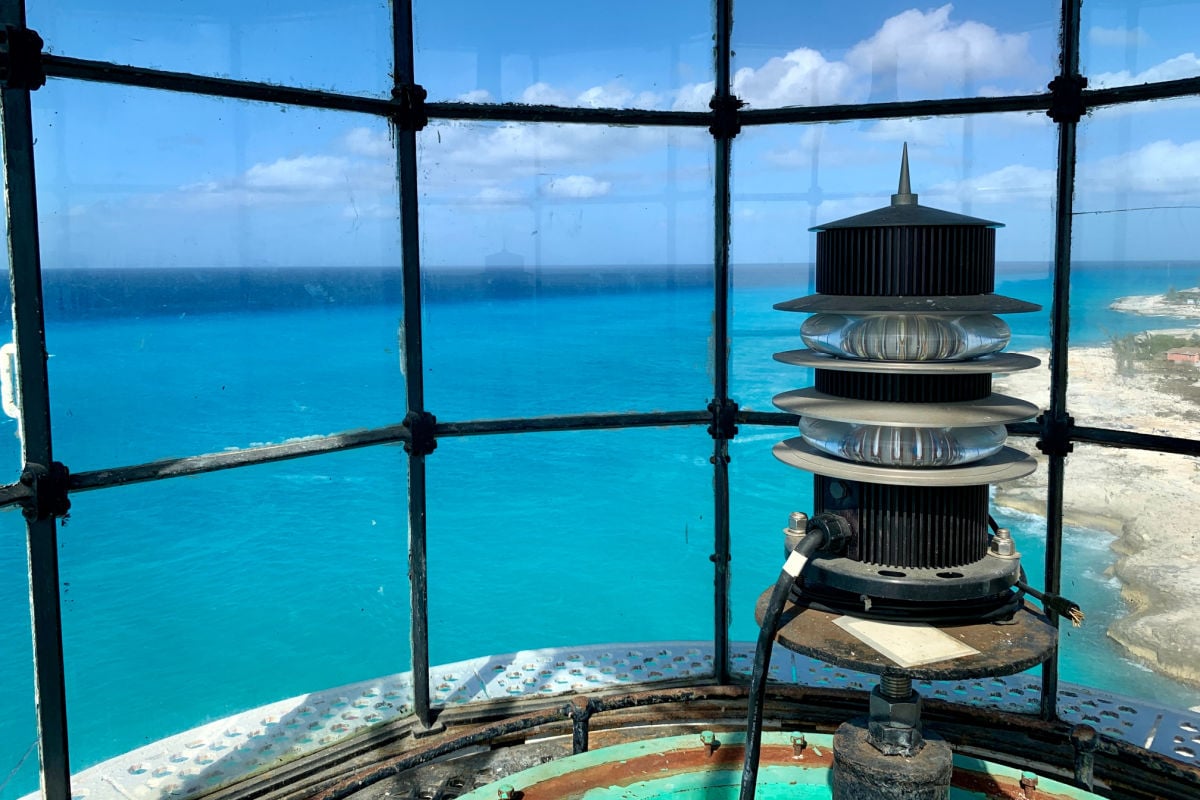
When you think of the Bahamas, you probably picture the bustling casinos of Nassau or the luxurious resorts of the Exumas.
Great Inagua, just 90 kilometers off the coast of Cuba, is a whole other universe.
- The atmosphere: The economic heart of the island is actually a huge solar-powered salt production facility run by Morton Salt. Instead of ruining the environment, the hyper-saline evaporation ponds accidentally created an explosive food source that sustains a huge breeding colony of more than 80,000 pink flamingos.
- The ground experience: This place is a haven for serious nature lovers and hardcore fishermen. You’ll share the island with wild donkeys, native hummingbirds, and fearless bonefish that will aggressively strike a fly line because they so rarely see human tourists.
- How do I get there: You’ll need to plan your trip carefully around Bahamasair’s limited flights, which typically fly only twice a week from Nassau to the small town of Matthew Town.
4. Bahía de las Águilas, Dominican Republic
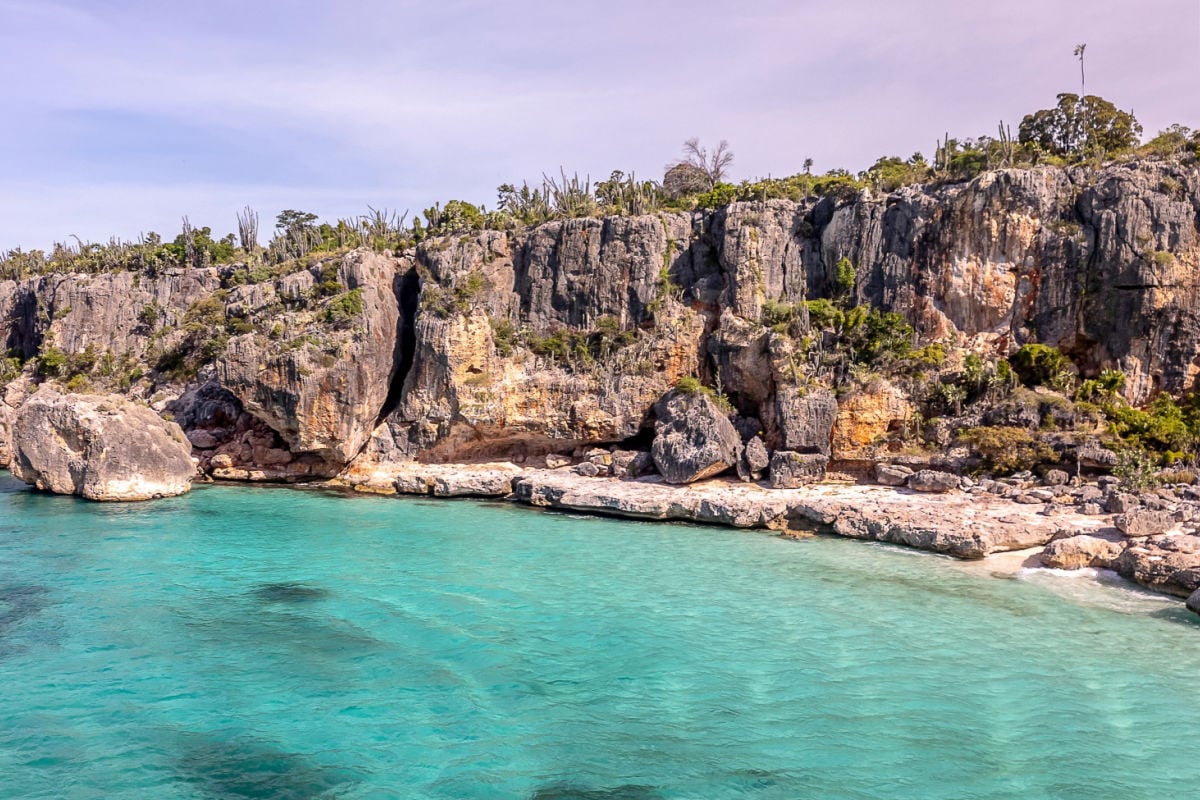
If you want to avoid Punta Cana’s sprawling, manicured all-inclusive resorts, head to the far southwestern edge of the country, near the Haitian border.
Bahía de las Águilas (Eagle’s Bay) is an eight-kilometer stretch of completely untouched, blinding white sand.
- The atmosphere: It looks more like the Baja California Peninsula than the Caribbean. The microclimate is very dry, meaning the blinding blue waters are framed by towering limestone cliffs, giant cacti and dry, sun-drenched earth.
- The ground experience: There are no paved roads leading to the sand. You have to rent a small open-air motorboat from local fishermen in a nearby settlement called La Cueva and drive through huge rock formations to reach the beach. Since permanent hotels are prohibited on the sandA huge, luxurious ‘glamping’ culture has emerged in the area, where you can sleep in luxurious tents right on the water.
- The urgency: You have to go now. The Dominican government just opened a new cruise port nearby and launched domestic flights to the area to bypass the grueling 5-hour drive from Santo Domingo. The era of absolute isolation is quickly coming to an end here.
5. La Desirade, Guadeloupe
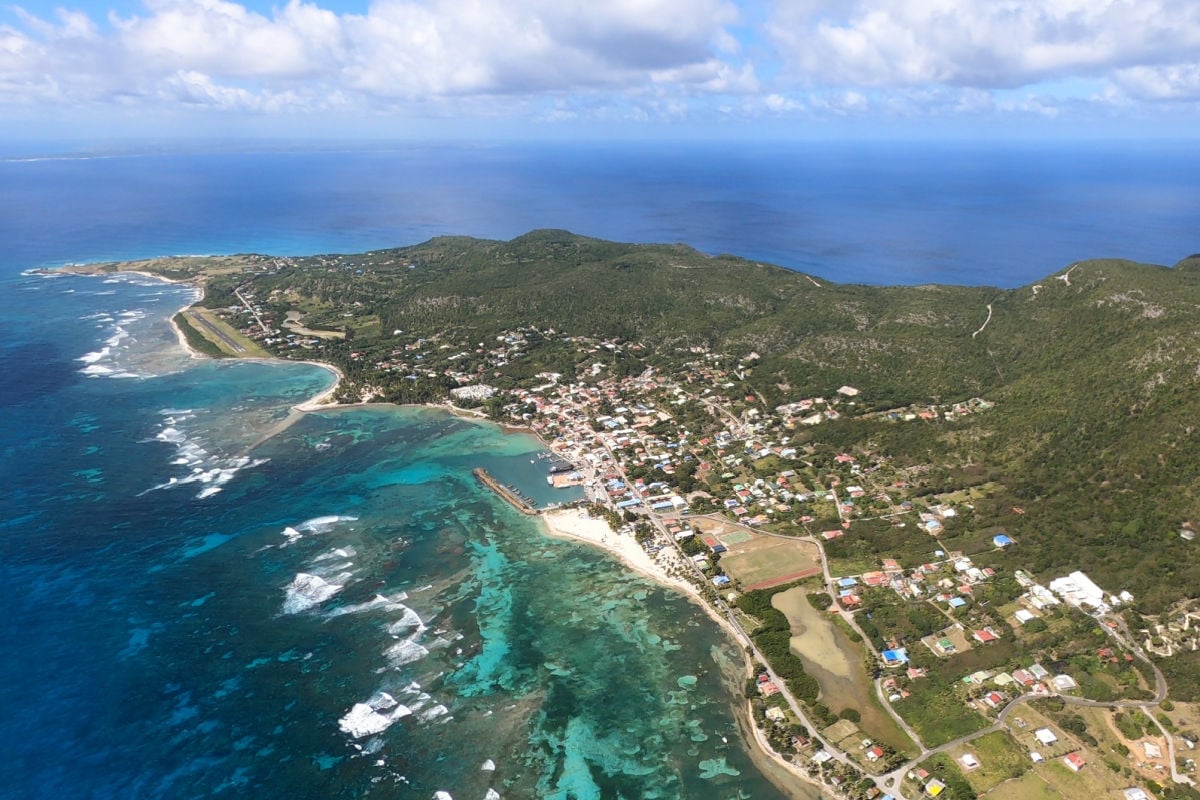
La Désirade is shaped like a massive, tabular limestone rock floating in the open Atlantic Ocean. It is a French overseas department that has stubbornly refused to join the modern Caribbean tourism machine.
- The atmosphere: The French crown historically used this isolated rock as a leper colony and penal colony for rebellious aristocratic youth. Because it was never cleared for massive sugar plantations, it actually preserves the oldest exposed geological formations in the entire Lesser Antilles.
- The ground experience: The south coast has a quiet, shallow lagoon, protected by a huge coral reef, where the small local fishing community lives. The north coast is completely uninhabited, with violent, windswept cliffs plunging straight into the churning ocean; it honestly feels more like walking in Ireland than the Caribbean.
- How do I get there: You’ll have to endure a notoriously rough 45-minute crossing of heavy Atlantic waves from the marina of Saint-François. That rough water acts as the ultimate natural barrier to keep the casual tourists away.
Take this quiz now to find your perfect match!