

Share the article
There are busy European destinations, and then there is Amalfi:
Italy’s absolute cesspool for Instagram influencers, TikTokers and influential East Coast Americans with an attitude, the 54-mile stretch of coastline is home to a decent concentration of beautiful sights, but it’s the last place you want to be if it’s an idyllic, slow Mediterranean summer you desire.
Millions of tourists visit the glitzy coast every year, either because they’re drawn to their favorite travel influencer’s well-polished film, which conveniently ignores the traffic jams and cruise hordes, or because they don’t mind paying upwards of $1,000 a night for that dreamy villa, carefully hidden from the day trippers.
Listen, there is one whole ‘There is no other way to explore Italy, one that doesn’t exactly come with the high price tags, nor with the winding Amalfi roads and license plate regulations on odd-even days that just end up driving you crazy.
This 2 unusual, more difficult to reach Italian islands have all that dolce vitacoastal charm, and much more, but foreign tourists hardly visit. and then some.
Believe it or not, the region of Sicily, to which they belong, just allocated 1.5 million euros to boost local promotion, which is virtually unheard of in Italy these days. Most of the country is investing heavily in it turning tourists away.
In other words, they actually want you there, instead of the usual false pleasantries of over-the-top Positano waiters who treat you like a mancia dispenser, that is you might as well include them on the invitation:
Lampedusa
A whole 110 nautical miles south of Sicily, actually closer to the African continent than to the motherland, Lampedusa is one of those geographical anomalies that we simply cannot keep quiet about.
It measures approximately 11 kilometers in length and 3 kilometers at its widest point, and with a population of just 6,000 inhabitants, this is probably the most remote community in Italy. And get this: they may not be impressive in size, but… they have the clearest into turquoise seas The the entire Mediterranean right in front of their door.
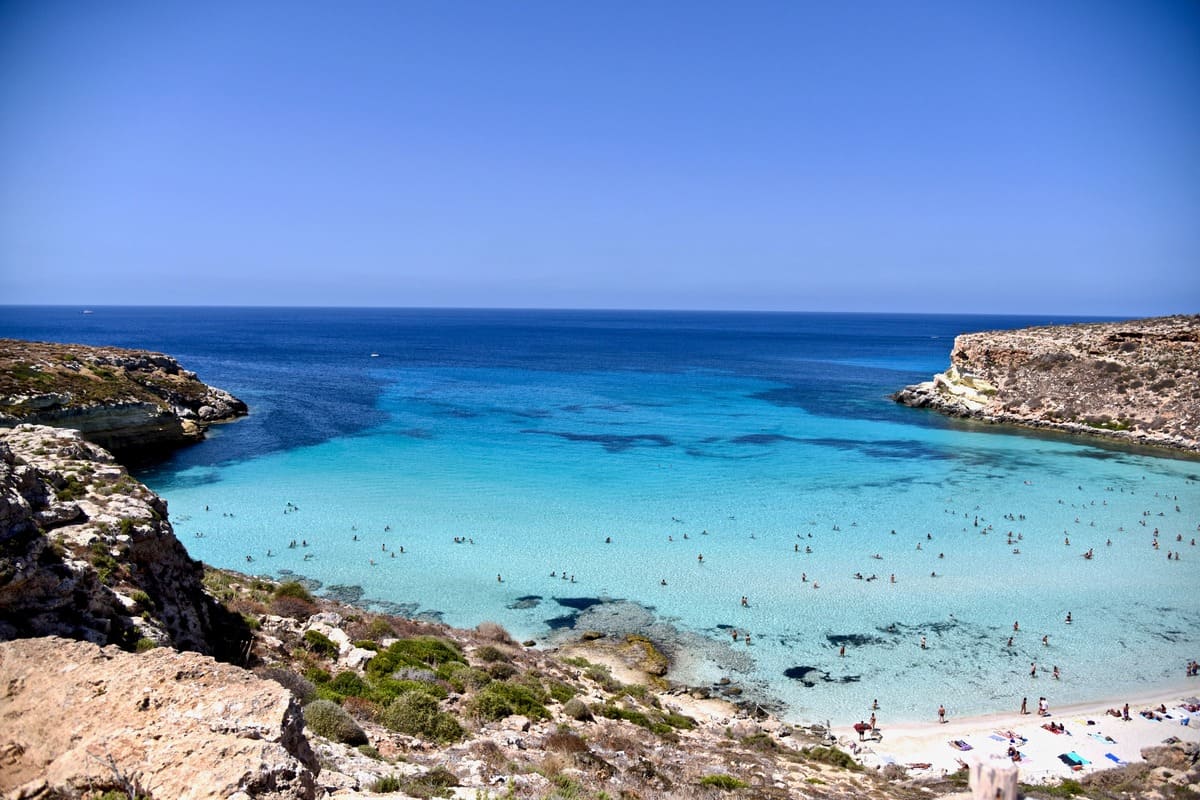
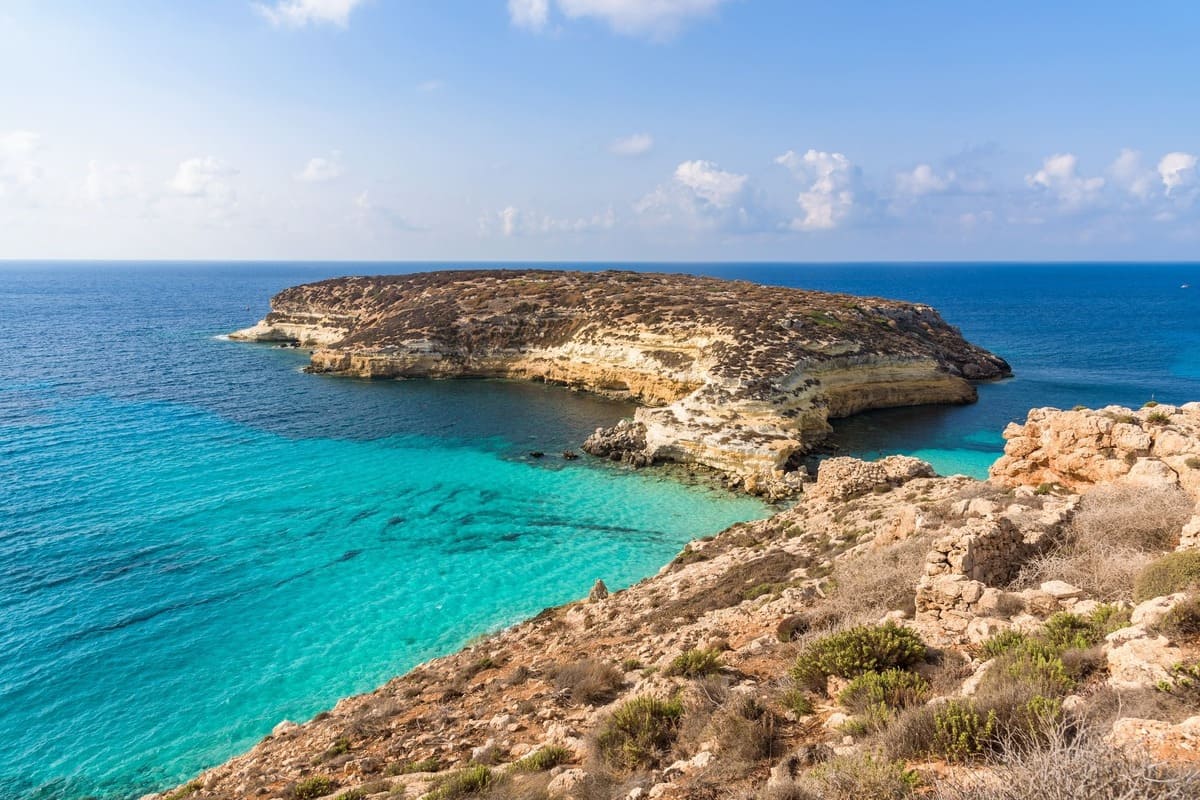
Rabbit beachor Spiaggia dei Conigliconsistently is considered one of the best beaches in Europewith the Caribbean sand actually blending into the calm sea that borders it, going from off-white, to green-blue, to turquoise and finally deep blue.
The endangered loggerhead sea turtle regularly nests here, severely limiting development on the entire coast, making Lampedusa Italy’s most important spot for marine life conservation, and if you can’t stay away from the sea for long, you’ve come to the right place.
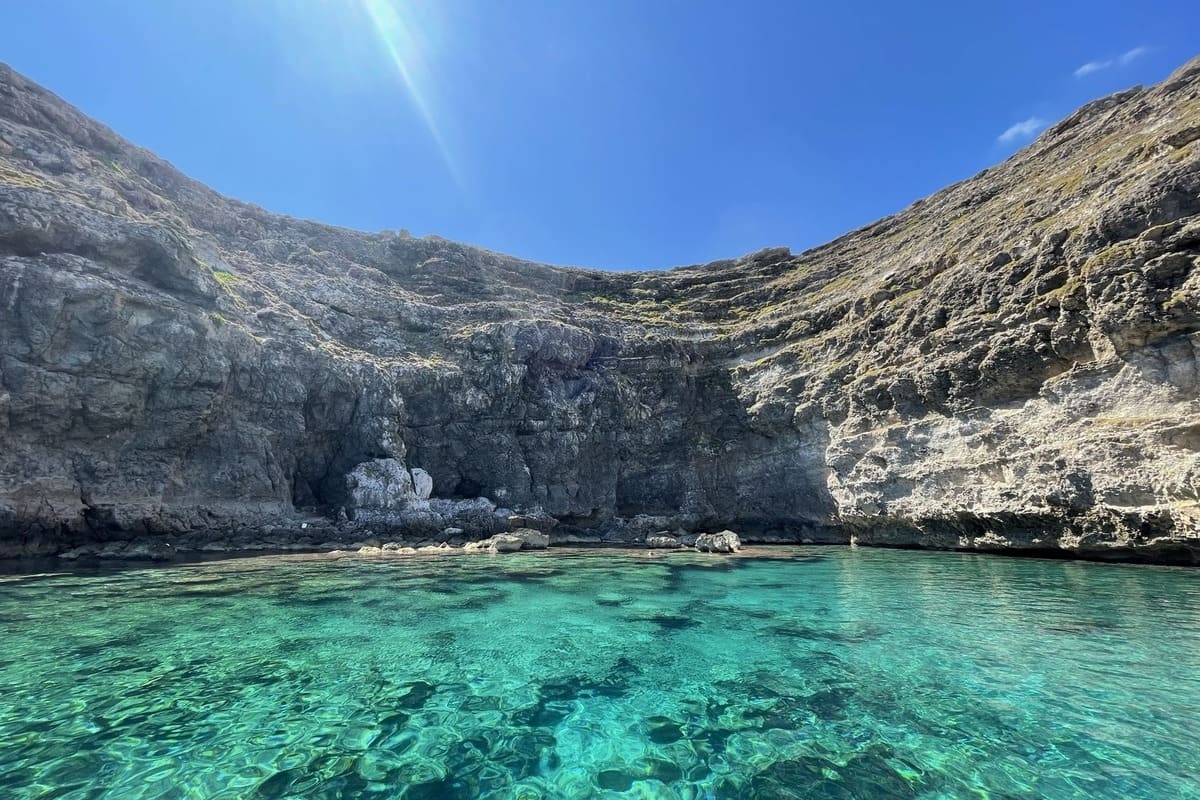
The best way to explore the island is to take a boat trip around it, stopping to snorkel at Cala Pulcino, a paradise bay with gatorade waters, along the dramatic rocky coastline of Cala Creta and arriving at Capo Ponente just in time for a final dip in the ocean and that fiery, blood orange-hued sunset.
The best part? They are virtually public-free.
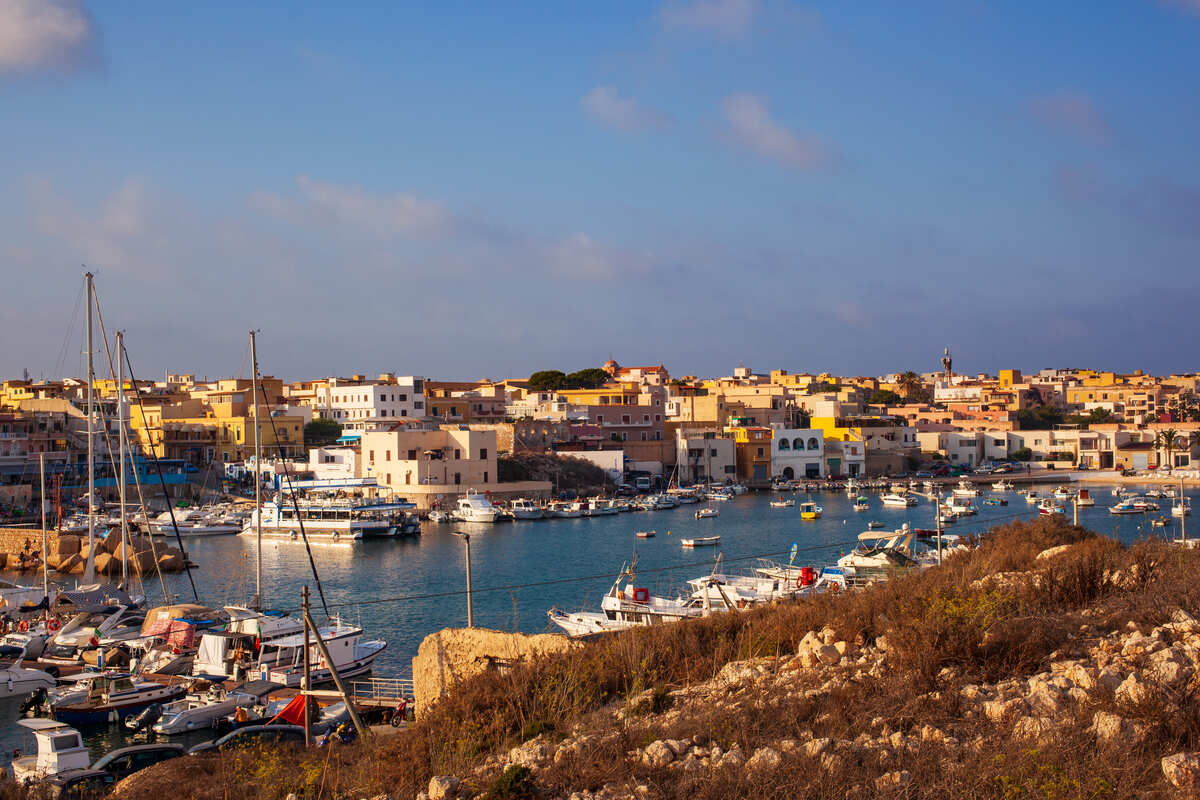
Lampedusa really has one big city, called Lampedusa itself, and it’s the place you go for some much-needed evening buzz and a little pistacchio gelato after a whole day of beach hopping. The Old Port is So picturesque, with its bobbing boats and waterfront trattoriaand they are there two restaurants you shouldn’t miss when in town:
Number one, Ristorante La Nigragreat for luxury seafood, especially Lampedusa’s signature fresh tuna and red prawns, or if you’re looking for something a little less luxurious, which might fit into your Capri dupe budget, LaChiglia serves classic Sicilian trattoria dishes, such as seafood couscous and grilled fish, and the bill here will cost you a maximum of $30.
Average prices in Lampedusa, Italy
Accommodation
- Budget B&B: $90-150 per night
- Mid-range hotel: $170-300 per night
- Nice ocean view hotel: $300-550+/night
Food
- Coffee + pastries: $3–6
- Casual lunch: $12-22
- Pizza or simple dinner: $15-30
- Seafood dinner: $35-70
- Delicious seafood: $60–100+
Ideal stay
- 3-4 days: just enough time for some beach relaxation, a boat trip or two, and getting a good feel for island life in the city of Lampedusa
How safe is Lampedusa?
Now we need to address the elephant in the room.
The reason why Lampedusa has been actively pushing for more tourism is that the island has been on the front line of the Mediterranean migration routes for the past decade, with seasonal arrivals of small boats from North Africa due to its proximity…just 68 miles from the coast of Tunisia.
As a result, certain coastal areas have historically seen increased maritime activity, in addition to operational infrastructure surrounding arrival and processing. While this is separate from the main tourist experience today, it is part of the island’s recent reality and modern identity.
The good news is that increased coordination in the Central Mediterranean and a stronger coastguard presence now makes daily life feel a lot more difficult in the main cities and beaches. calm and typically relaxed.
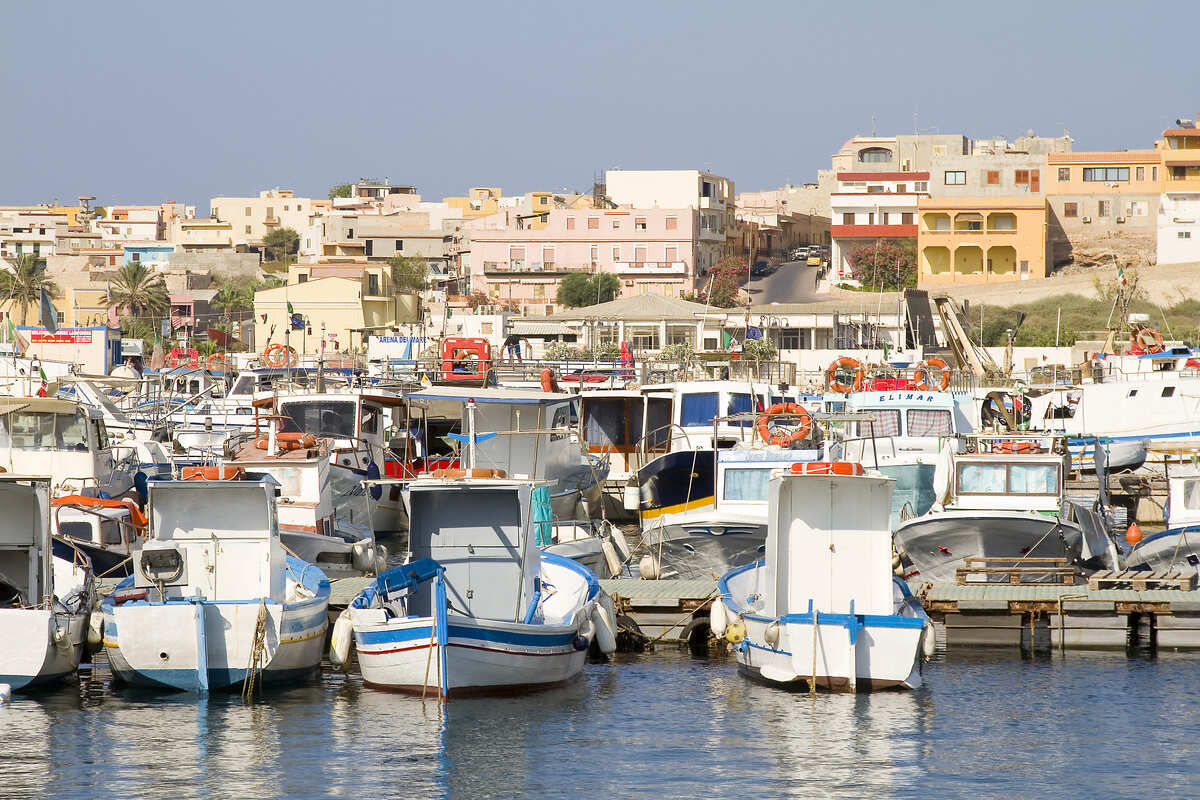
Tourist areas remain focused on visitors, and most travelers experience Lampedusa as what it has always been: a small, tranquil Mediterranean island with clear waters, clear limestone bays and a slow, village rhythm.
Occasionally you can still encounter coast guard or NGO ships off the coast or in port, but this rarely disrupts the overall atmosphere.
Italy as a whole currently scores an impressive 92/100 on the Traveler Safety Index, a metric based on on-site visitor reports used to measure overall safety in various destinations.
Favignana
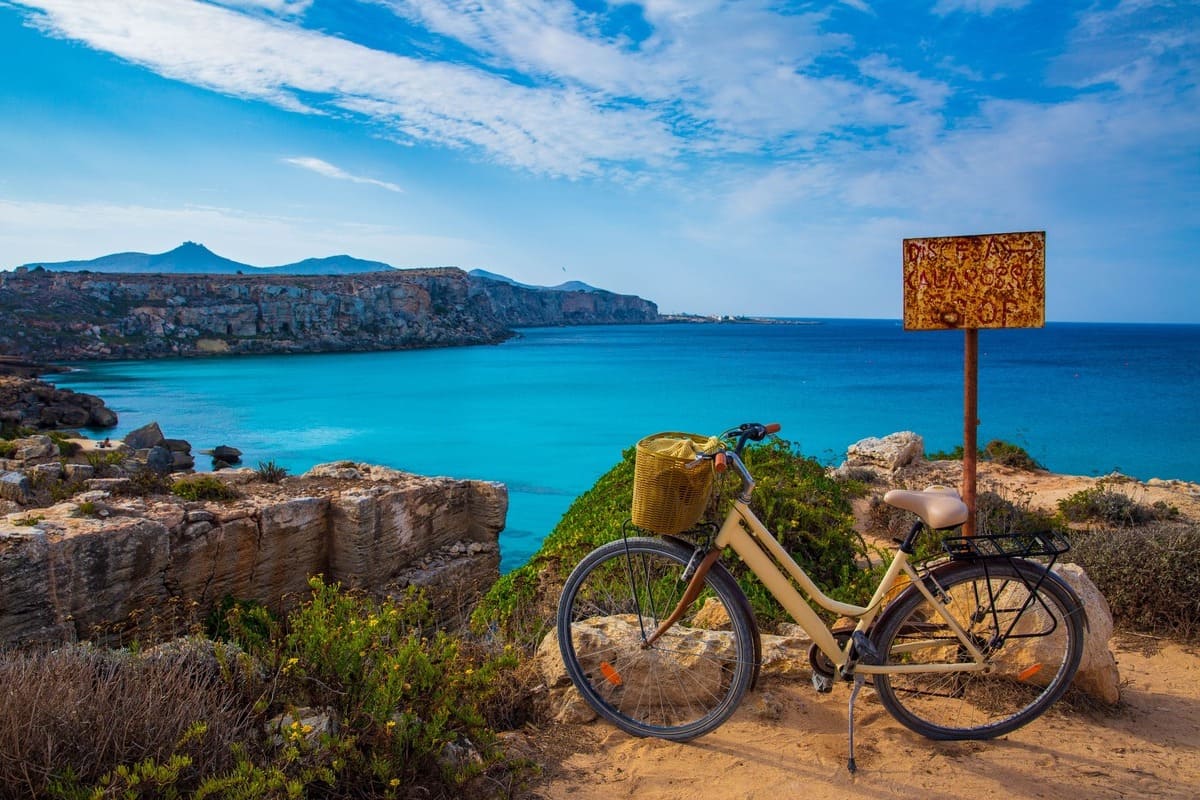
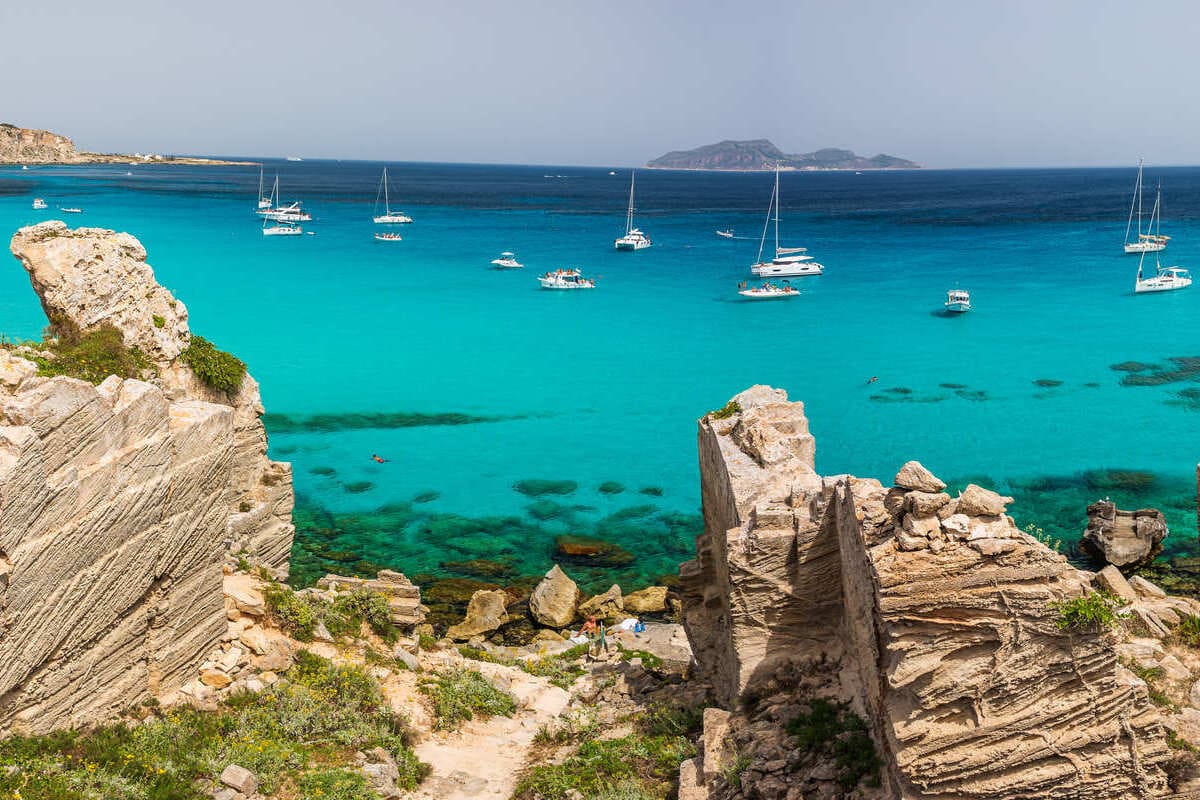
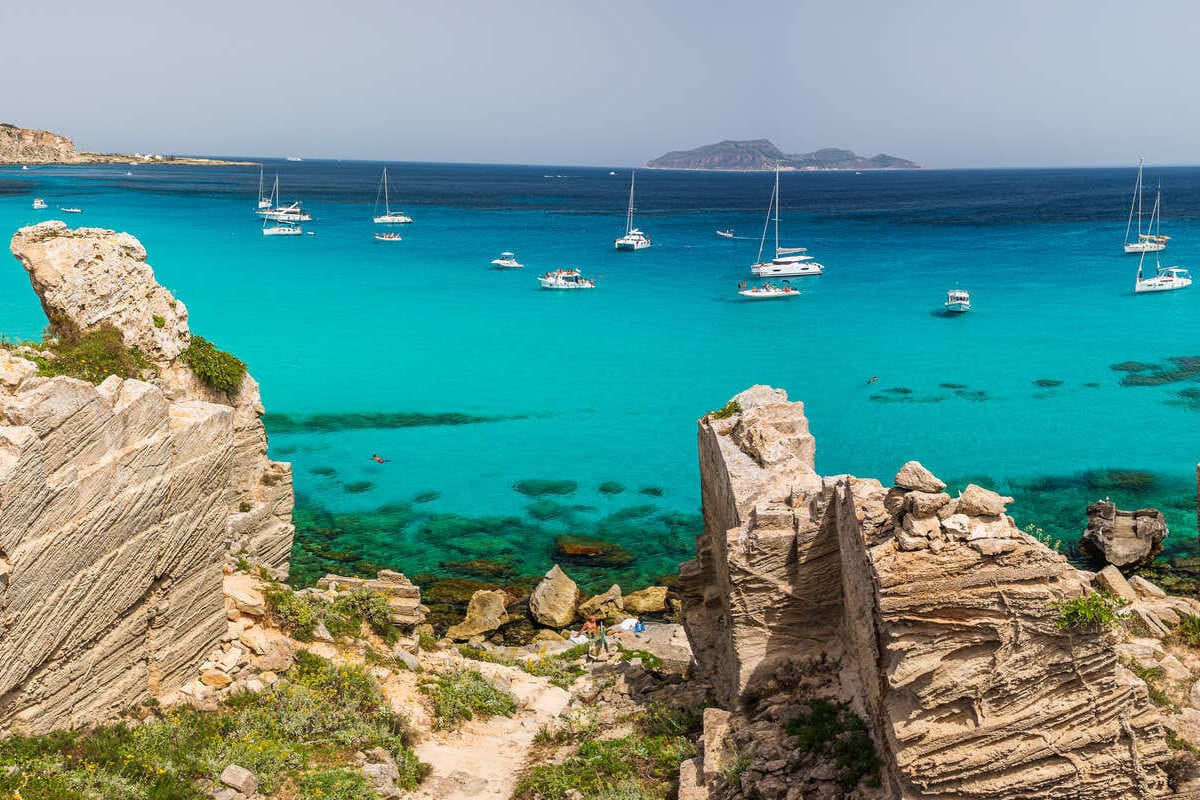
The largest of Sicily’s Aegadian Islands, Favignana is located just off the coast of the town of Trapani, a hidden gem where locals go to beat the crazy summer prices. Favignana feels like the Mediterranean Sea if time had stood still.
No cruise ships, no huge influx of day trippers coming from larger hubs – Palermo is over 70 miles away – just relaxed, unhurried, timeless Italian charm tightly packed on an island of 11 square kilometers, virtually untouched by mass tourism.
It’s no wonder that Christopher Columbus chose this slice of heaven here as the backdrop for his arrival Odyssey.
Before you set off on your own Homeric journey and fly across the pond this summer, check this page for the entry requirements applicable to your destination.
Between fingerprinting and a pending mandatory travel permit, Americans will soon be forced to obtain them if they want to fly to Europe, the Old Continent tightens access rules significant for 2026.
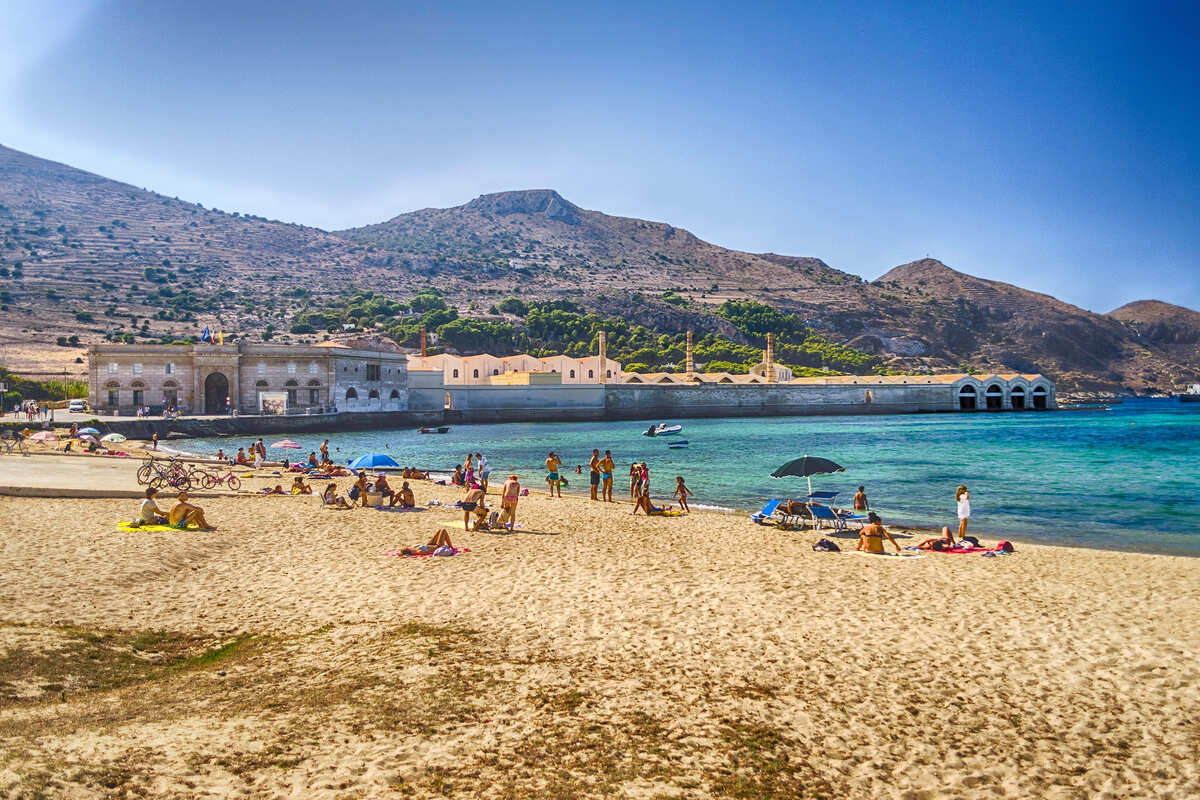
Back to beautiful little Favignana: Cala Rossa has those clear turquoise waters and pale rock walls that you’ve probably seen on a postcard, and it actually feels more like a natural swimming pool than a beach, while Cala Azzurra has soft sands, shallow waters and a laid-back atmosphere.
From the cluster of calas it’s a short 15-minute bike ride to the Old Tuna Factory, a must-visit site on Favignana that chronicles the island’s historic tuna processing.
Oh, if you happen to pass by Favignana Town later in the day, make sure you reserve a seat Trattoria da Papùnear the harbour, for the best (tuna related dish) you will have in your life.
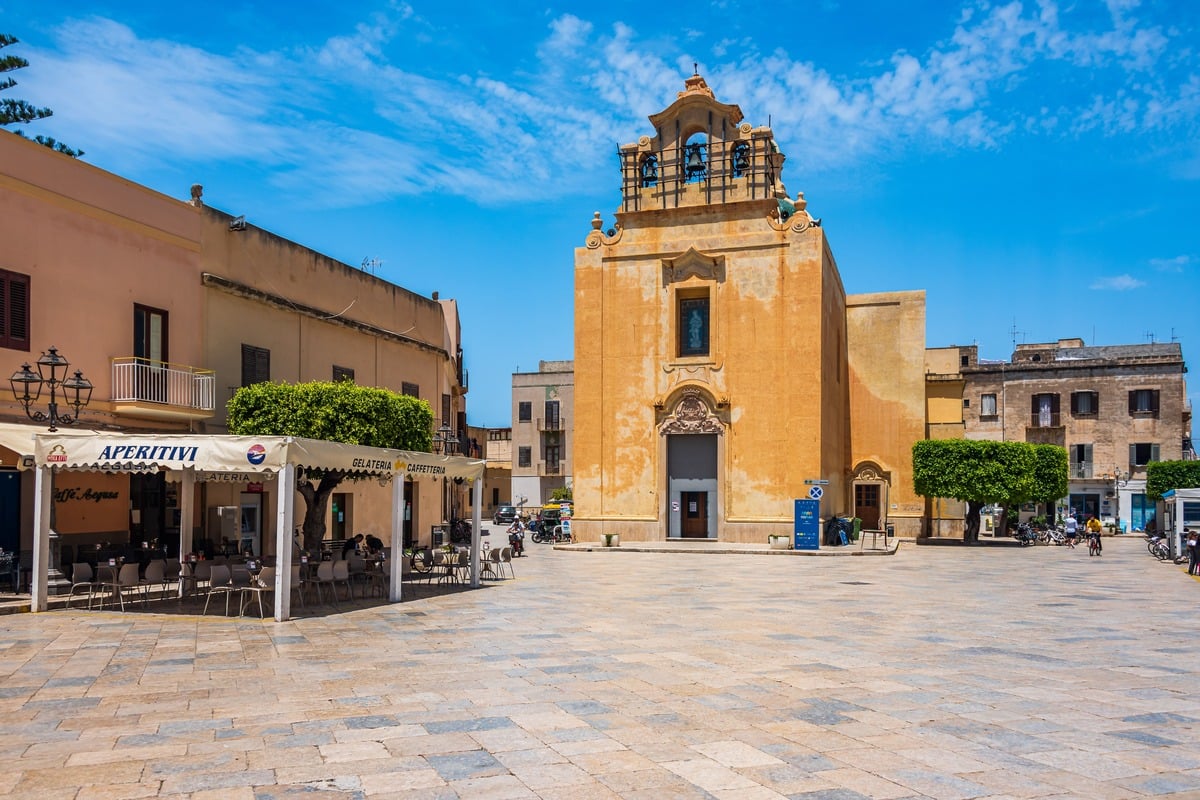
Favignana Town itself is the coziest little Italian port town for early evening gelato strolls, with its cobbled streets winding out from a lively Piazza Madrice, sun-drenched lanes and a pretty harbor backed by pastel-coloured buildings.
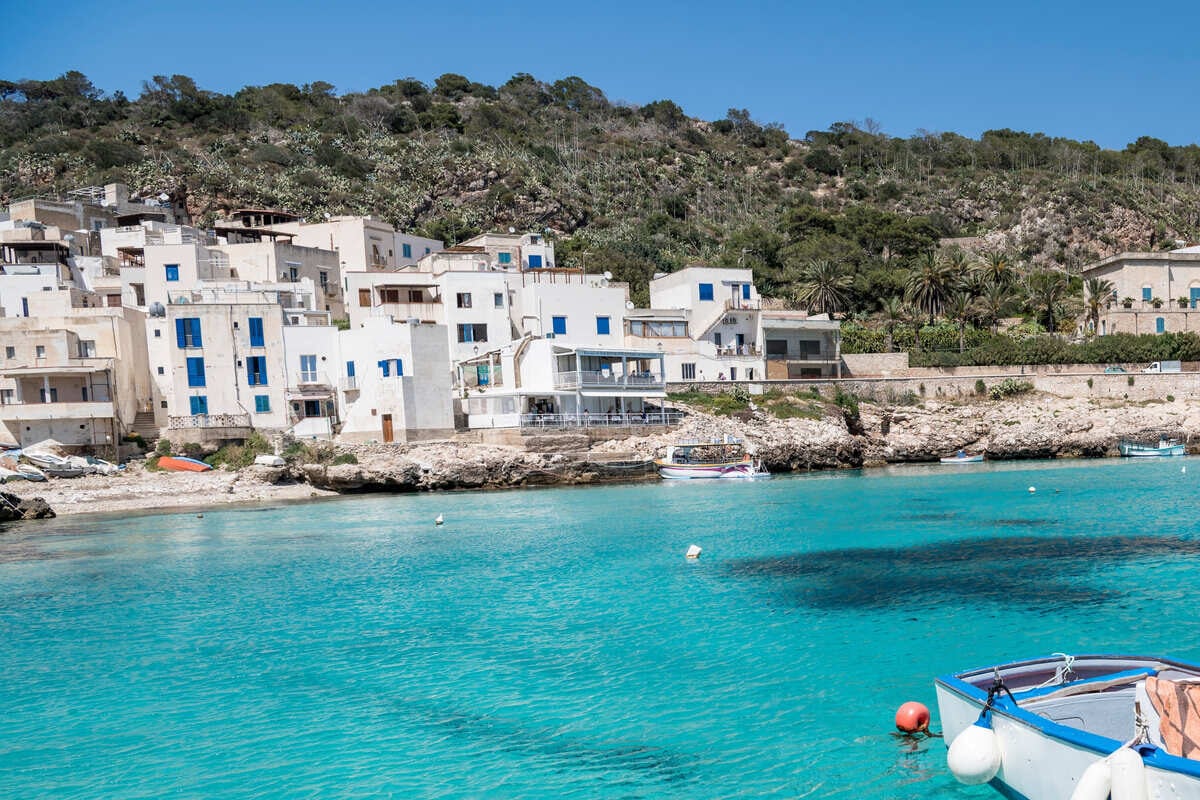
If you stay longer in Favignana, you can also island hop around the Aegadian archipelago and visit other smaller islands nearby, such as Levanzo, with a whitewashed port city which resembles the lovechild of Italy and Santorini, and Marettimo, the wildest, most remote, surrounded by limestone cliffs and picturesque coves.
It’s the kind of place that doesn’t exactly win you over by its abundance of sights or man-made wonders, but rather by its slower pace of life, its wild nature… and the fact that it’s just the completely opposite a place like Amalfi.
Average prices in Favignana (Sicily), Italy
Accommodation
- Budget B&B: $80-140/night
- Mid-range hotel: $150-280 per night
- Nice boutique/ocean view stay: $250–500+/night
Favignana is generally cheaper than Amalfi, but it can still get pricey in July and August.
Food
- Coffee + pastries: $2–5
- Casual lunch (panini, pizza, light meals): $10-20
- Simple dinner (pizza or trattoria): $15-30
- Seafood Dinner: $30-60
- Upscale seafood restaurant/restaurant: $50–90+
Ideal stay:
- 4–5 days: enough time to see the main beaches, rent a bike or scooter, take boat trips and visit other islands nearby such as Levanzo and Marettimo
Are you going to Sicily (and surrounding islands) this summer? Find more under-the-radar spots here, like Lampedusa and Favignana.


