

Share the article
Everyone knows Venice for its winding canals, imposing Byzantine basilica and grandeur palazzi built along busy waterways, but have you ever heard of the Eastern European Venice?
Well, there are a number of cities that actually lay claim to that title, including…ahem, St. Petersburg in Russia, but only one of these oriental ‘Venice’ is actually breaking tourist records now.
And the numbers: the motherland happens to be one of the trendiest European destinations this yearhighly sought after for its beautiful medieval towns, pristine Baltic coastline and impressive level of safety (more on that later)
Look, Wrocław, Poland’s response to La Serenissima:
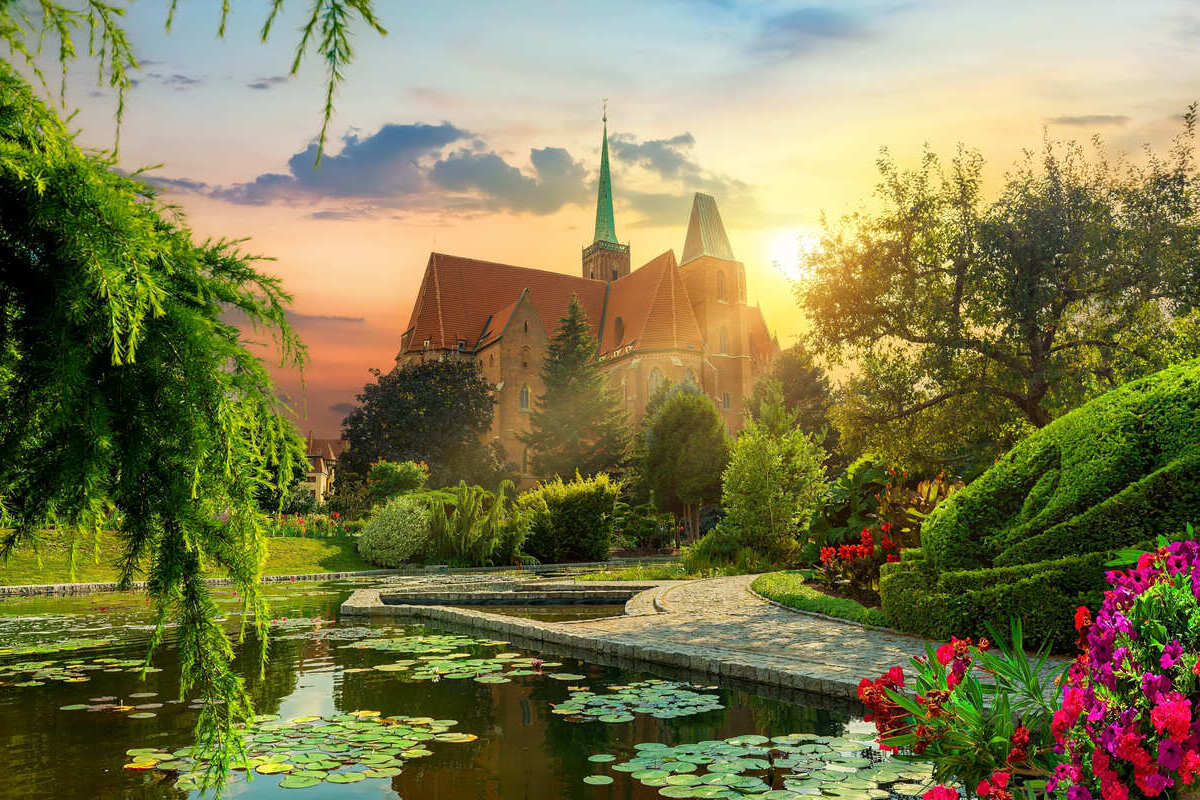
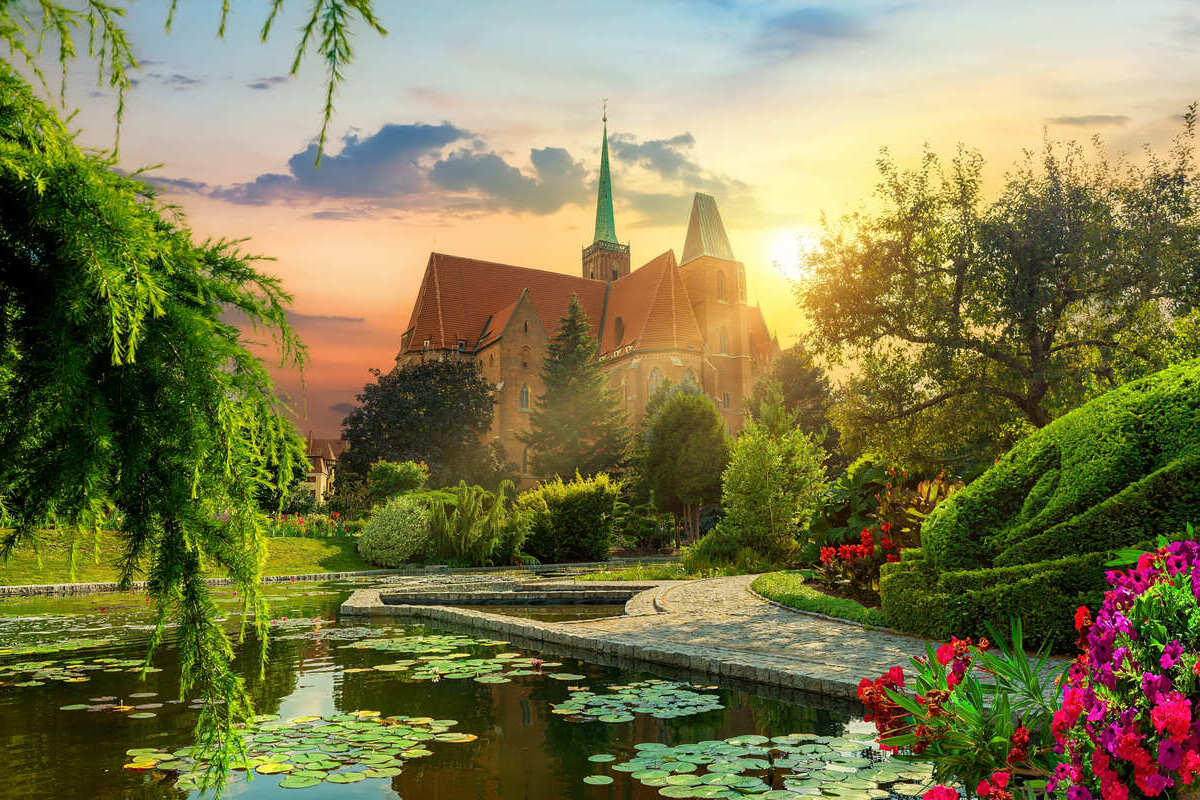
Poland has its own Venice
Wrocław is Poland’s third largest city, after the tourist powerhouses of Warsaw and Krakow, but strangely enough it never really got the attention it deserved, until now.
It is called the ‘Polish Venice’ because it is literally built on a network of canals, all fed by the Oder River, with the city itself consisting of more than a dozen islands and connected by some 100+ bridges.
Now we have to manage our expectations here, because no city is truly the perfect replica of Venice. Not even Bruges, in Belgium, which is the closest we can think of.
Wrocław does have that ‘water everywhere’ feelingespecially since you get close to the historic center, but don’t expect a transportation system with only gondolas or a lagoon environment. StructurallyHowever, it does give you Venice with its bridges, water crossings and island districts, all close to the city center.
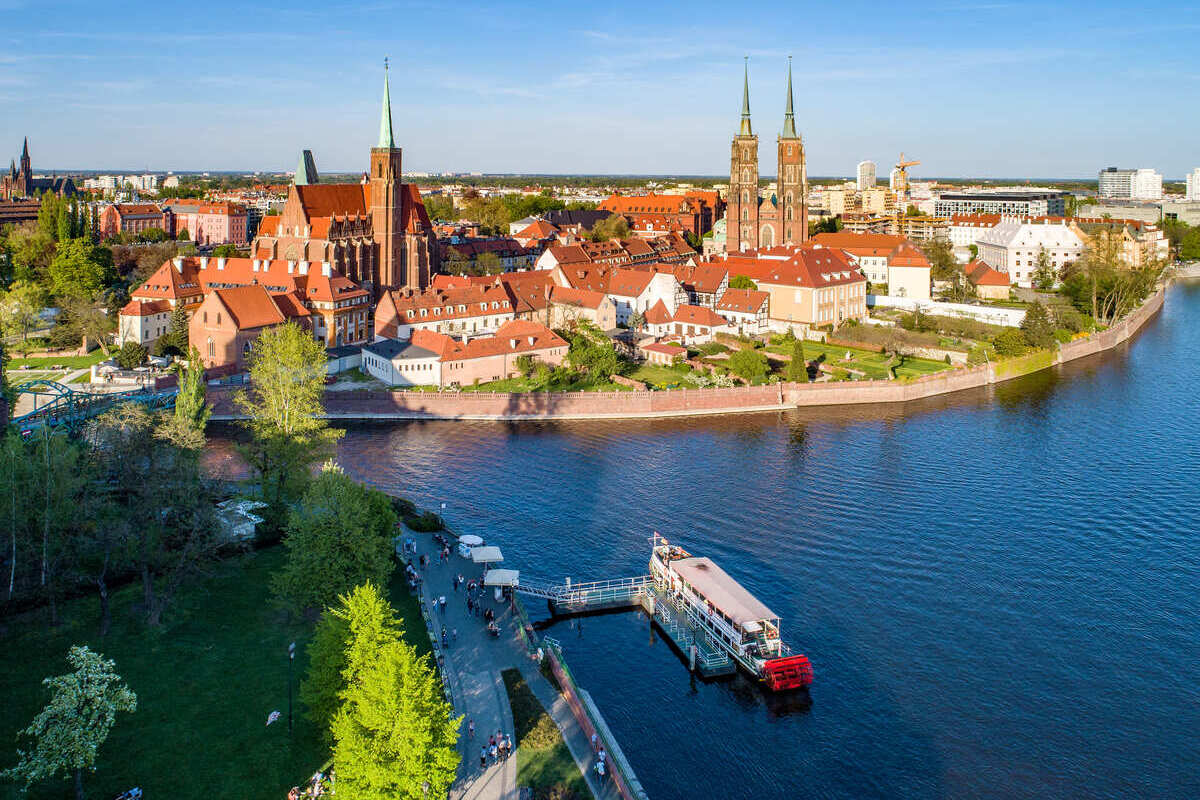
If only Venice were a vast metropolis with over 641,000 inhabitants.
Wrocław is quickly rising into the top 3 most visited cities in Poland
Wrocław welcomed no less than 7 million visitors last year, which is 400,000 more than the year before, and according to the Polish Central Bureau of Statistics (GUS), just shy of becoming one of the three most visited cities in Poland for the first time.
The top 3 was still taken by Warsaw, Krakow and Gdańsk, the latter being a medieval city on the Baltic coast, and probably one of the most beautiful places you can visit on the old continent, but hey, we digress.
Wrocław Mayor Jacek Sutryk called this a ‘great result’ and proof that the city is becoming a ‘strong point’ on Poland’s tourist map.
In practice, the difference between overnight visitors in Wrocław and Gdańsk, its closest competitor, was only 84,000 people in 2025.
That is almost half of the 2024 gapso it is approaching the Baltic hub quickly.
More than just canals and bridges
Wrocław packs a lot into a fairly compact, walkable center, and once you start treating the moniker “Polish Venice” as a marketing label rather than the city’s entire identity, you’ll quickly discover that the city is actually much more dynamic, and that the canals are the least interesting thing about it.
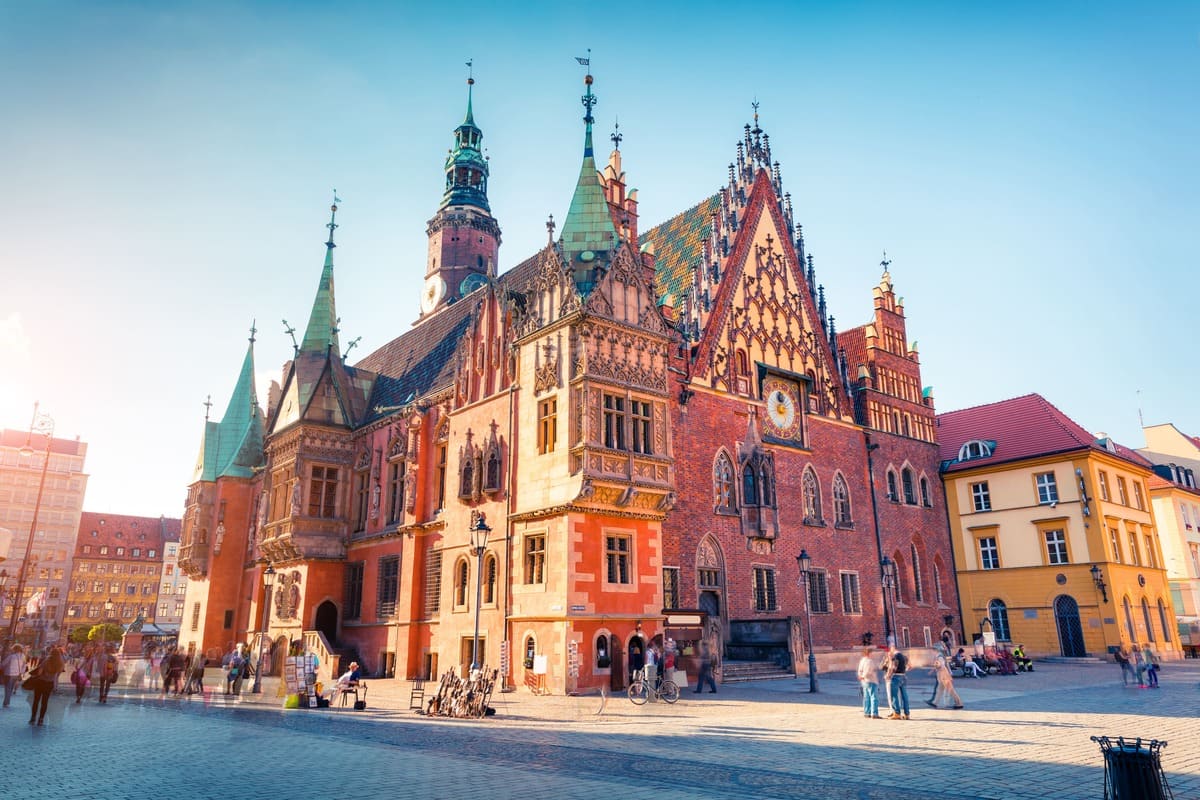
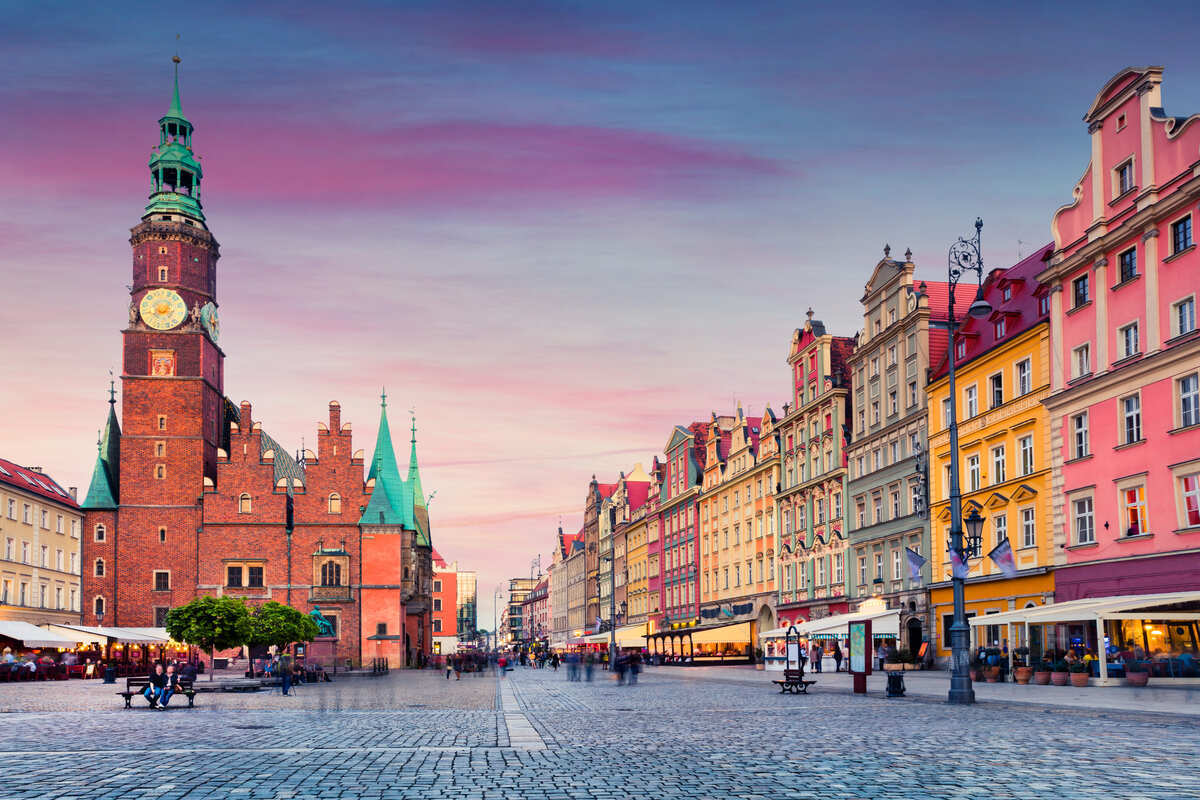
Rynek, the market square, is surrounded by colorful town houses and baroque buildings, and in the center stands an ornate Gothic town hall, topped by an astronomical clock That million just rival the one in Prague.
Just a stone’s throw away, the Church of St. Mary Magdalene is known for its tall red-brick towers, connected at the top by the legendary Penitent’s Bridge. You can climb to the top and stand on the bridge for a panoramic view of the Old Town for just 25 zł (about $7).
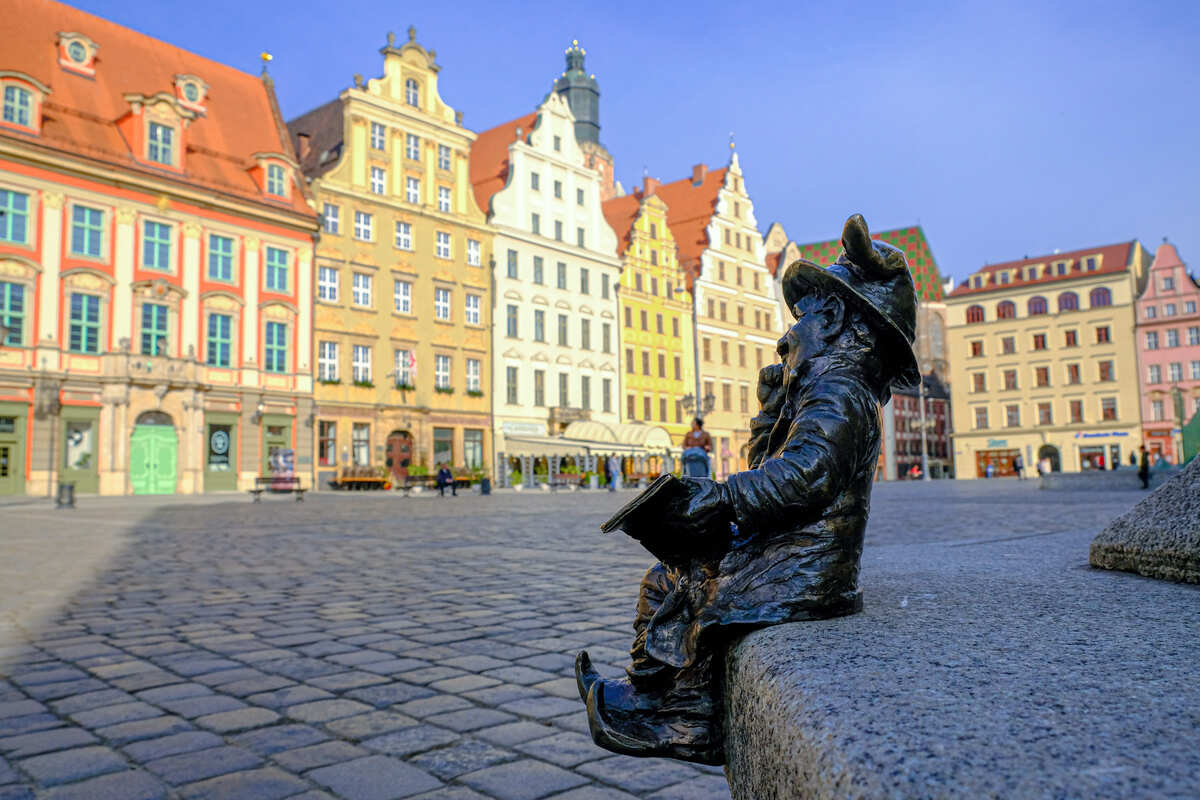
We think we should also warn you about the small, bronze, one and a half meter tall, annoying inhabitants of Wrocław: the Wrocław dwarfs.
The little figurines can literally be found everywhere, where you least expect them: trying to break into the ATM near an ATM, lifting a beer mug at the entrance to a cafe, munching on an oversized chocolate bar bigger than their entire body in the window of a chocolate shop. You name it.
There are more than 800 of them across the city, and you’ll likely be clogging up your iCloud storage with photos of cheeky gnomes tucked away in quiet corners.
Europe’s last lamplighter
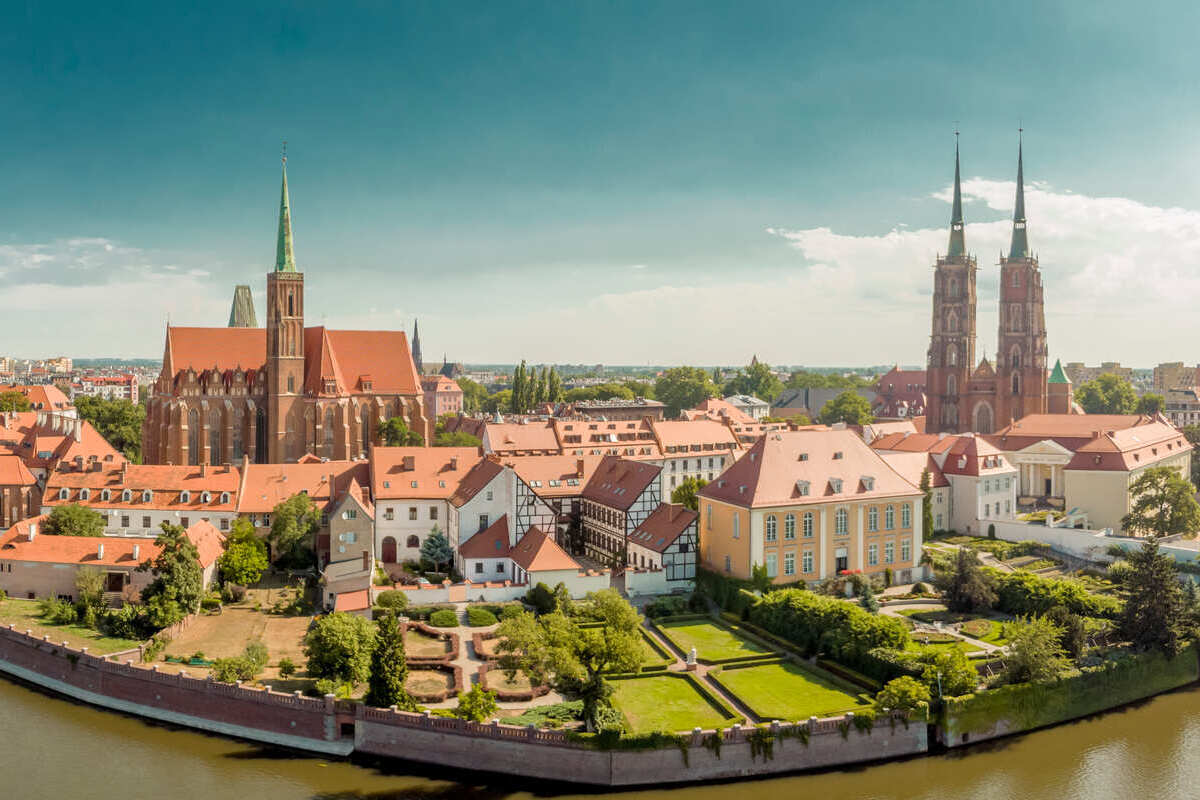
They’re not the only unusual thing about this city. Curiously, the city’s cathedral is not in the heart of the old town itself, but a 15-minute walk from Rynek, on the historic island Ostrow Tumski.
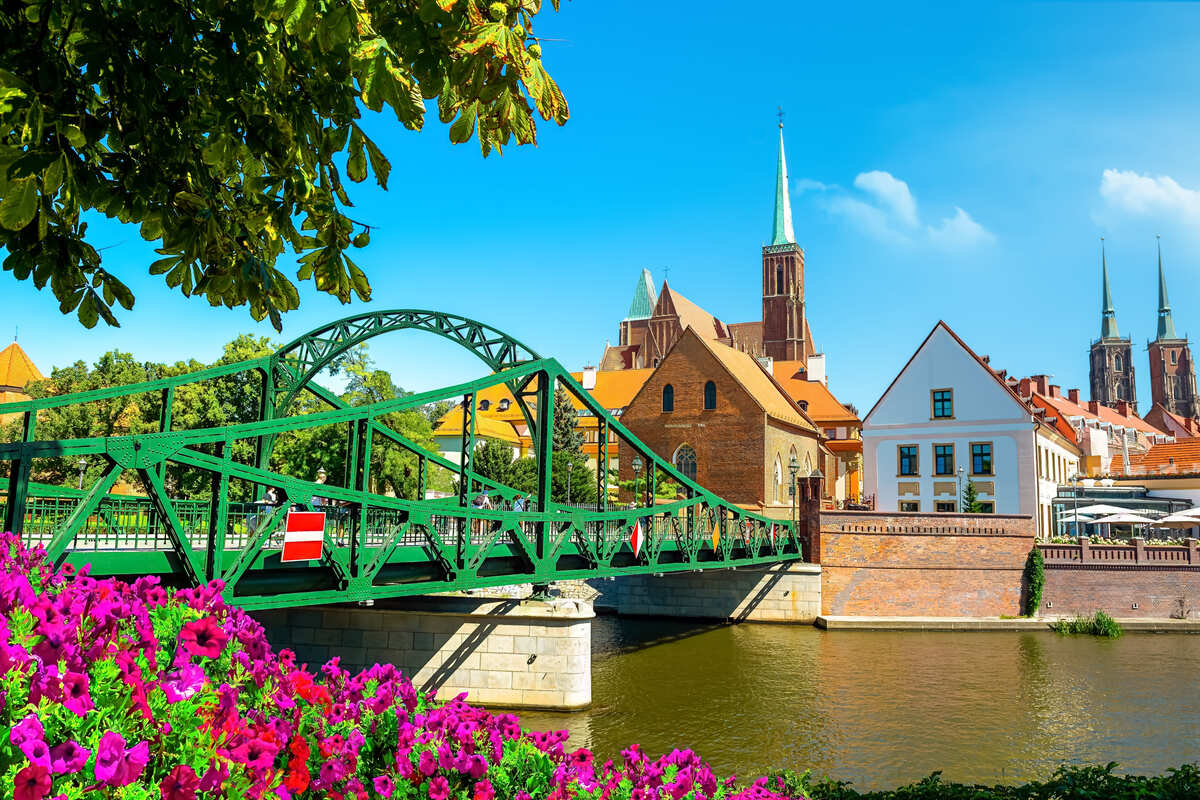
The oldest part of the city, this river island, connected to Wrocław’s mainland by graceful, lamp-lit bridges, is home to Wrocław Cathedral, this monumental, towering, double-spired Gothic marvel filled with stained glass windows and intricate chapels.
But do you want to see something really cool?
Stick around until sunset, which is around 9pm in the summer, and you’ll get to see it one of Europe’s last remaining lamplightersWalk cape and all around the island and the many bridges that connect it to the rest of the city, lighting each gas lamp by hand.
If you generally dread staying late in a foreign city, especially with the frightening reports of rising crime rates in many European cities, Poland is certainly an outlier here.
@vinigoesglobal 📍 Ostrów Tumski —Wrocław, Poland 🇵🇱 🔐 SAVE this to your favorites Cathedral Island (Ostrów Tumski) in Wroclaw is one of the few remaining places in Europe where a lamplighter still manually lights the gas street lamps every day at dusk. This gentleman wears a cape and top hat and walks around the historic district for about 2 hours, 365 days a year, lighting 103 lamps 🎩 Start times vary depending on the season, but if you’re visiting Wrocław this winter, expect to be on Cathedral Island around 3:50 PM, just before it gets dark ✨ Wrocław | Breslau | Vratislavie | Poland | Polska | Poland | Polonia #wroclaw #wroclove #Poland #polska #travel ♬ Little things – Adrián Berenguer
Unlike Paris, London and Barcelona, this is the case with violent crime not Over the past decade, extremism has increased, extremism is low, and even pickpocketing is a relatively rare occurrence.
In fact, the country is so safe that it scores a near-perfect 95/100 on the Traveler Safety Index, a tool that uses reports from travelers themselves to determine the on-site safety situation at various destinations:
How affordable is Wrocław, Poland?
Aside from its Old World charm and bridged rivers, there’s another reason why the Venice of Eastern Europe has been drawing crowds lately:
Are significantly more affordable then the factual Venice.
Any mid-range restaurant outing in the Old Town will amaze you about $20-$25 average, and by that we mean a three-course meal with a żurek soup as a starter, a meat dish as a main course, a sernik cheesecake for dessert, and at least two generous pitchers of beer.
It’s even cheaper at the bar mlecznyor what the Poles call ‘milk bars’, traditional eateries that serve hearty, homely Polish food for even less.
I’ve been to the city twice myself and there’s one milk bar that I keep coming back to Setka.
Hammer and sickle splashed over every wall – just for fun, as Poland actually banned the public promotion of communist ideology years ago –vintage Soviet memorabilia everywhereand some of the best pierogi dumplings and compote known to man.
In terms of accommodation, you can still find charming hotels only $65 to $110 per nightwhile travelers on a budget can book private rooms with shared bathroom facilities in Old Town hostels from as little as $45.
Incidentally, Americans can fly non-stop to 3 Polish cities this summer:
No, Wrocław is not on the list, but you can easily get there by train from one of these junctions.
Oh, and in case you’ve been pronouncing Wrocław wrong in your head this whole time, it’s actually something like… Vrots-waf.
We don’t make the rules, Poland does.


