

Share the article
Summer is officially here, which means millions of Americans are currently scrambling to secure a Caribbean beach vacation before the season ends. But before you blindly book a flight to the first tropical hotspot you see on Instagram, pause and look at the actual data for summer 2026.

This summer is shaping up to be a logistical minefield for several major Caribbean destinations. Between unprecedented natural disasters, collapsing local power grids, and record-breaking mega-cruises that are sending prices through the roof, the “dream vacation” you’re imagining could turn into an expensive, frustrating, or downright dangerous headache. Travel experts are actively warning Americans to change their summer plans to avoid these specific pitfalls.
You deserve a vacation where the lights stay on, the beaches don’t get clogged, and your presence doesn’t exacerbate a local crisis. Being here 5 Caribbean destinations experts say you should skip this summer together with the incredible, peaceful alternatives You must book instead.
1. Isla Margarita, Venezuela: destruction after the earthquake

The atmosphere: Once the glittering, pristine crown jewel of the southern Caribbean.
Why experts are saying “NO” this summer: On June 24, 2026, a catastrophic double earthquake (magnitudes 7.2 and 7.5) struck the northern coast of Venezuela. The destruction is widespread, with thousands of casualties, collapsed buildings and badly damaged infrastructure across the region. Airports have suffered massive closures and emergency resources have been stretched to their limits. Traveling to Margarita Island or the Venezuelan coast for a “vacation” right now is not only logistically impossible; it actively diverts critical resources from a large-scale humanitarian rescue and recovery effort.
The alternative: Curaçao
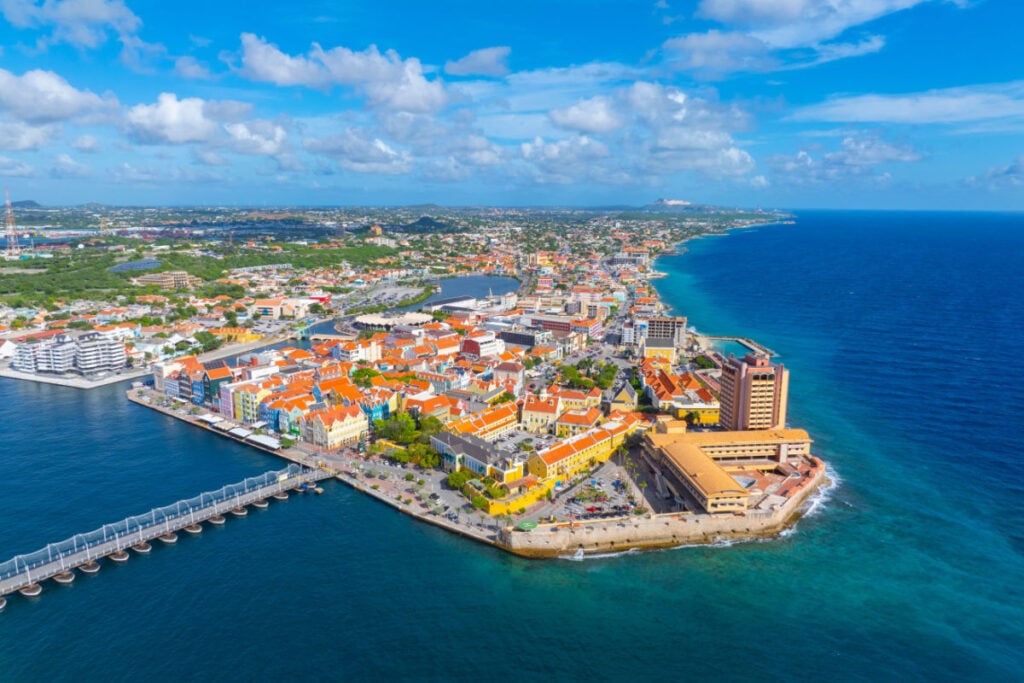
Located just off the coast of Venezuela, you get the exact same stunning South Caribbean climate and hurricane belt safety, but with very stable infrastructure, a high traveler safety rating, and zero disruption from the recent seismic events.
2. Havana, Cuba: severe infrastructure collapse


The atmosphere: An authentic, frozen cultural immersion with vintage cars and incredible music.
Why experts are saying “NO” this summer: The ongoing economic situation in Cuba has crossed the line into a serious logistical crisis for tourists. The island’s electrical grid is currently failing, resulting in daily, rolling blackouts that shut down air conditioning right at the peak of the stifling summer heat. Fuel shortages have crippled local transportation, and recent banking changes have left international credit cards largely unaccepted. Getting through these ever-increasing crises as an American tourist is very stressful and exhausting, and poses complex ethical issues as locals struggle for basic needs.
The alternative: Cartagena, Colombia


If you want deep colonial history, massive 16th-century forts, cobblestone streets and vibrant Caribbean culture without the logistical nightmare, Cartagena’s walled city has what you’re looking for. The historic tourist zone boasts highly reliable, modern infrastructure and excellent luxury boutique hotels, and is heavily secured to ensure a completely safe, hassle-free experience.
3. Port-au-Prince, Haiti: extreme geopolitical collapse

The atmosphere: Historically a vibrant cultural centre, now completely inaccessible.
Why experts are saying “NO” this summer: This is the ultimate ‘Do Not Travel’ zone. The U.S. Department of State has a strict Level 4 advisory for the entire country. The complete collapse of local government infrastructure and extreme gang violence currently make any form of tourism impossible and extremely dangerous. Even trying to visit coastal enclaves outside the capital poses serious risks to your life.
The alternative: Dominica (the nature island)

If you want a rugged, authentic Caribbean experience, look to Dominica. It is politically stable, incredibly safe and completely focused on sustainable ecotourism. Instead of crowded beaches, you get towering volcanic peaks, boiling lakes and spectacular waterfalls.
4. St. Thomas, US Virgin Islands: mega-cruise congestion


The atmosphere: A classic, easy-to-reach American-Caribbean base full of duty-free shops and lively beaches.
Why experts are saying “NO” this summer: St. Thomas has fallen victim to intense overtourism. Charlotte Amalie regularly hosts multiple mega cruise ships on the exact same day, dumping tens of thousands of day trippers onto the tiny island. The local infrastructure simply cannot handle this. This results in hours of traffic jams to drive just a few kilometers, incredibly crowded beaches (like Magens Bay), and high summer prices that don’t match the stressful experience.
The alternative: St. Croix, USVI.

Just a short island hopper flight away, the largest Virgin Island receives only a fraction of the cruise traffic. It offers incredible diving (including the famous wall at Cane Bay), a deeply relaxed local culture and absolutely no traffic jams.
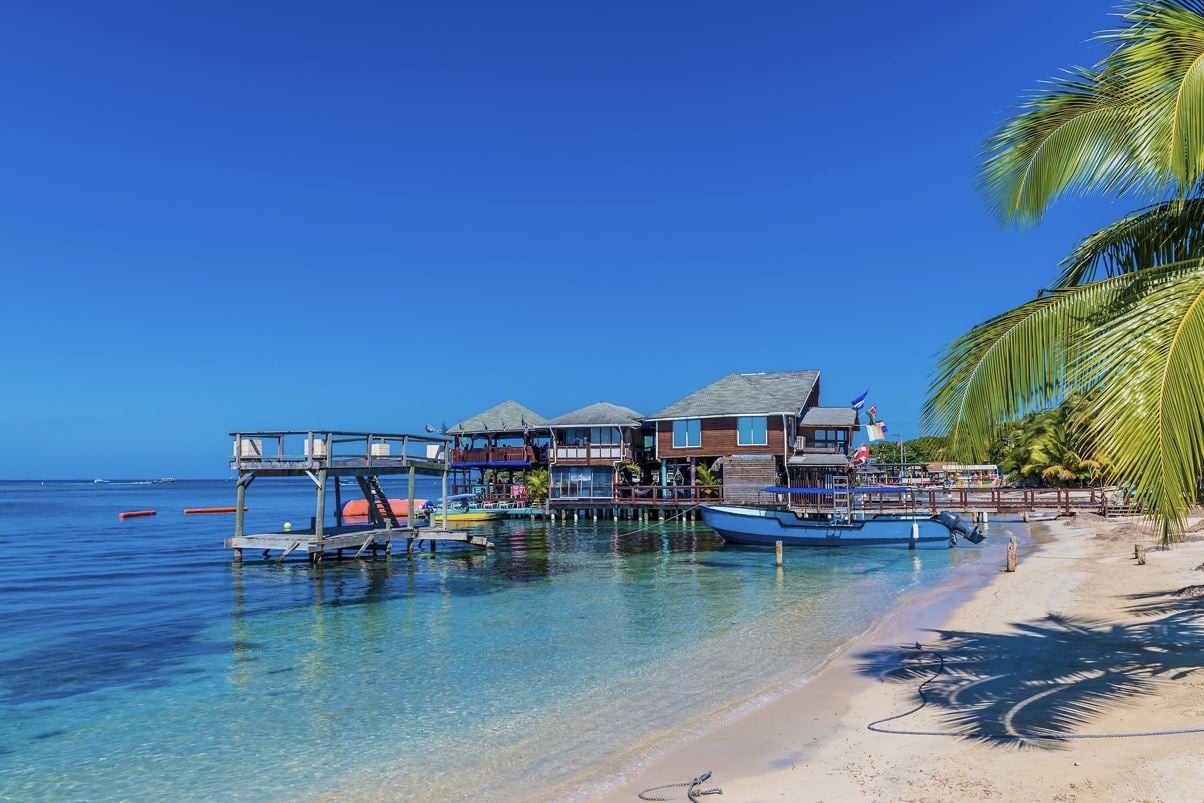
5. West Bay, Roatán, Honduras: environmental stress and congestion

The atmosphere: A world-famous diving paradise located on the Mesoamerican Barrier Reef.
Why experts are saying “NO” this summer: West Bay is currently facing major pressure from heavy tourism. The influx of mega cruise ships docking nearby often turns this popular beach into a very busy area during port days. In addition, local conservationists are raising the alarm about the enormous amount of heavy boat traffic, inexperienced snorkelers and the strain on local infrastructure, which is putting serious pressure on the fragile reef system just offshore. Visiting West Bay on a heavy port day means paying premium prices for a crowded experience that increases the environmental burden on a fragile ecosystem.
The alternative: Utila, Honduras

Take a quick local hopper flight to Roatan’s smaller sister island. Known for its laid-back backpacker atmosphere, Utila completely lacks the huge cruise ship ports and offers some of the pristine, untouched diving in the entire Caribbean. It’s the authentic reef experience that Roatan offered decades ago.
Plan smarter before you book
The summer season moves incredibly quickly and local conditions can change long after you book your flights. Always check the real-time situation before handing over your credit card checking the latest travel alerts for your specific destination. Taking just a few minutes to review our live safety index will ensure your hard-earned vacation remains a relaxing escape rather than a stressful nightmare.

