Share the article
It seems everyone goes to Croatia these dayswhether they still have a fascination with the fantastic world-building of George RR Martin, or are simply drawn to the beaches of the Adriatic.
Whatever it is, it’s one of two cities they’re heading to: Dubronvik, the ‘real King’s Landing’, or Split, the Roman palace turned British bachelor pad. It probably doesn’t help that these are exactly the only two Croatian hubs that Americans can fly to nonstop.
However, what if we told you that it focuses on a lesser-known duo of coastal spots Real soon? In reality, there might be, maaaybe even a new transatlantic flight on the horizon…

Before you fly to Europe this summer, make sure you’re aware of the ever-changing entry rules for US travelers via the Entry Requirement Checker (from fingerprinting to new mandatory travel permits).
Croatia’s top 2 rising coastal destinations
1. Zadar
The challenger for the crown of Split
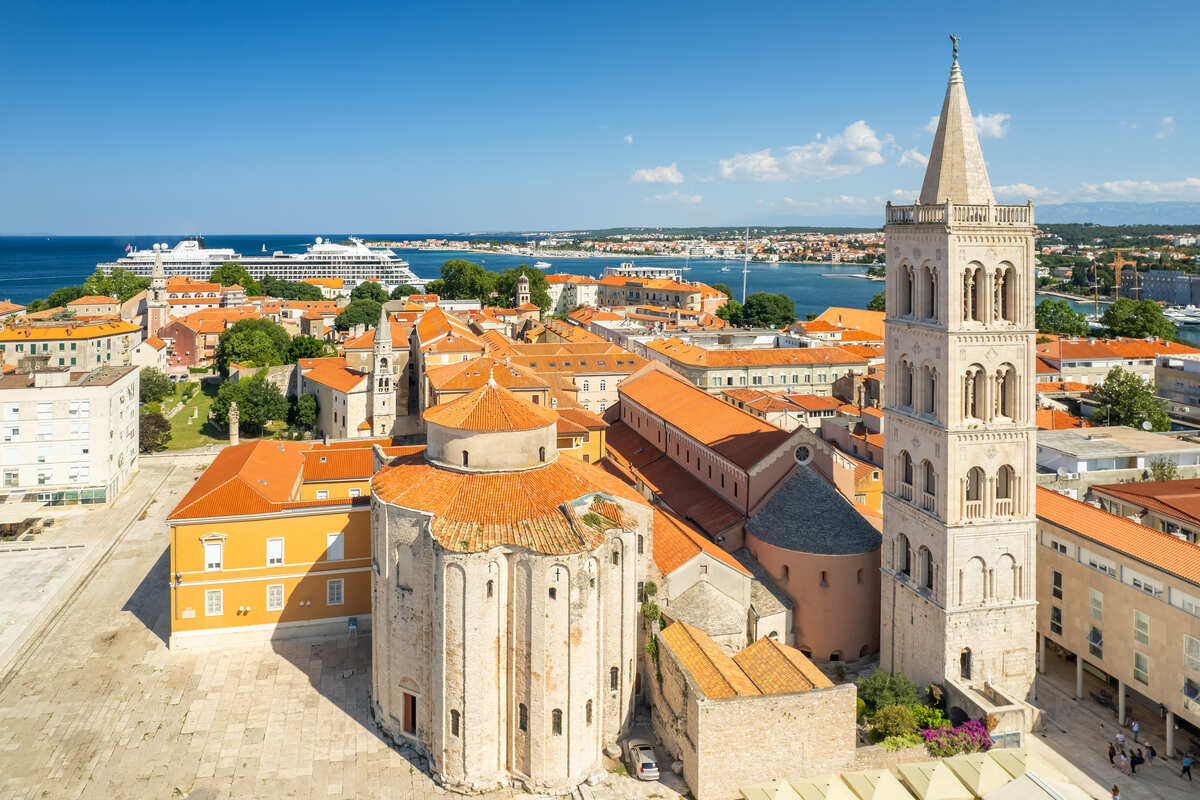
The first Croatian city to keep an eye on is Zadar, located a little further north of Split along the coast.
Your typical Dalmatian coastal town, Zadar revolves around an old historical center peppered with Roman ruins and family-owned taverns. The main street, Kalelarga, is lined with pastel-colored buildings and lively cafes.
At the water’s edge is the Sea Organ, a unique installation in which waves rush through the underwater pipes and create eerie music. It is best experienced around sunset, and speaking of sunsets, Alfred Hitchcock himself claimed in 1964 that they are more beautiful here than in Key West.

Like the now popular Adriatic seaside resort, it is an old port city that also serves as a beach holiday with many undiscovered possibilities. For decades it was considered a relatively small regional hub, until Ryanair came in and out difficult on expansion.
Zadar Airport is now connected to a growing list of European destinations, 70+ to be preciseboosting not only Zadar’s portfolio, but the whole of Northern Dalmatia and the neighboring islands.
Dugi Otok is one of them: just a 90-minute ferry ride from Zadar port, this 70-square-kilometer slice of paradise offers impressive beaches, pine forests and quaint stone villages frozen in time.
The American demand for holidays in Croatia also continues to grow, and in April 2026 it will United Airlines held meetings with Zadar Airport officials in New York to discuss a possible third transatlantic gateway to Croatia, after Dubrovnik and Split.

We’re far too early in the summer schedule to see a launch happening in the near future, but it should be noted that Zadar Airport is in the midst of a major expansion, including runway upgrades, and we couldn’t help but notice that these are specifically designed to better accommodate widebody aircraft…
Such as the ones typically used by United on their transatlantic routes. Just watch this space.
Pula
Rome by the sea
That of Rome kind from the sea, if we include the ancient port of Ostia, but what if we told you that you can visit a real colosseum right on the sea, not about thirty kilometers inland?
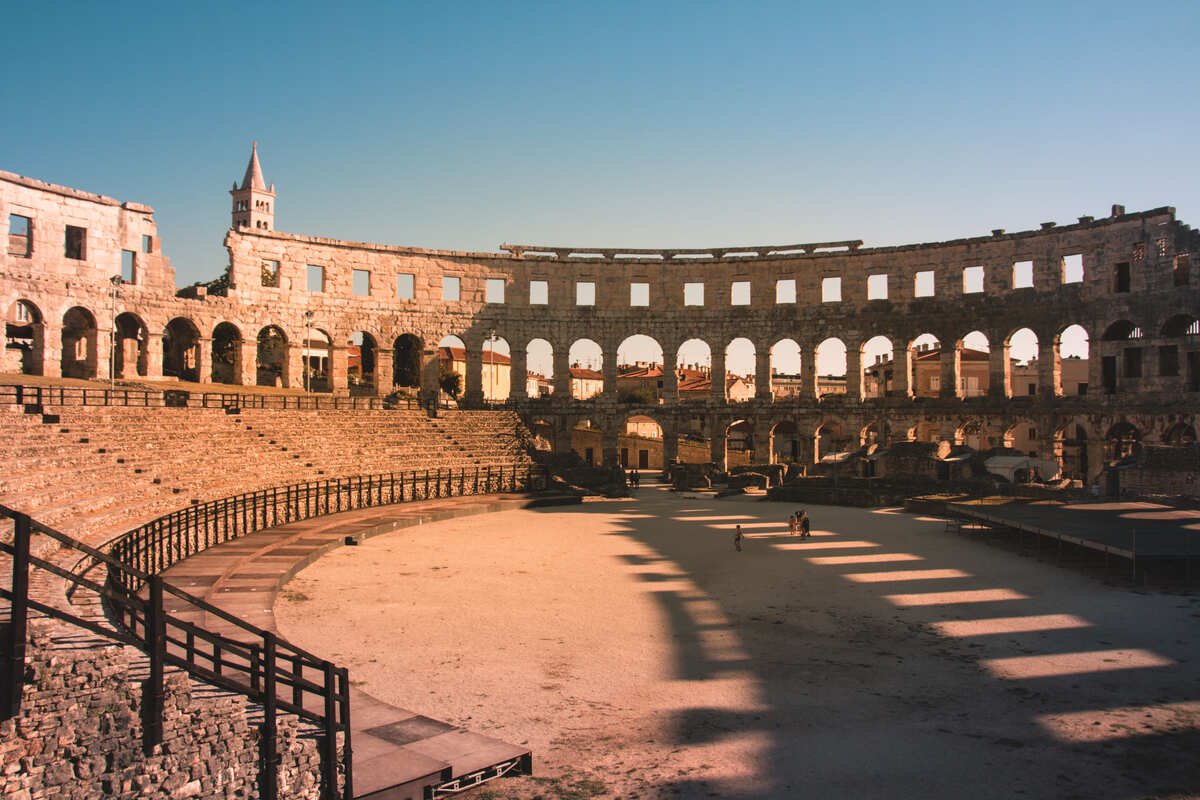
Welcome to Pula, Croatia’s most Roman city, and an ancient wonder where most tourists traveling to Croatia still sleep.

Pula is best known for its Roman Arena, built in the 1st century still open as a concert venue to this daybut the old town should not be overlooked either:
The Temple of Augustus is a perfectly preserved Roman temple dating back 2,000 years and comparable in grandeur to the Pantheon in original Rome. The cobbled Forum is perfect for a leisurely stroll in the early evening, or simply for people-watching while sipping an espresso or Aperol Spritz.
Pula is served by Pula Airport, which handled approximately 554,000 passengers in 2025. an increase of 9% compared to the previous yearwhich had already seen an increase of 20% compared to the previous year.
We obviously don’t have the full picture of 2026 yet, but this summer every existing route has been retained, new ones have been added and in some cases the season has even started earlier, with EasyJet in particular launching flights to Pula as early as the end of March.
In general, however, Pula is very careful in dealing with mass tourism. They definitely don’t want to reach the level of overtourism in Dubrovnik, where cruise ships are strictly regulated and even dragging your bag across the old cobblestones can get you in trouble.
The goal is more quality tourism, not necessarily millions more.
Those swapping the usual Dubrovnik to Split route for Pula and the wider wine region of Istria will likely want to take it slower and experience a more authentic side of Croatia.
Croatia is also one of the safest destinations across the pond this summer, as evidenced by the Traveler Safety Index, where several countries are scored based on reports from travelers, rather than some anonymous government official issuing vague travel advisories based on old clichés.
It places an impressive 82 out of 100:
As for transatlantic flights, there have been discussions for several years about enabling Pula airport to handle non-stop North American flights. just like what is happening to Zadar now.
By 2023, airport officials had even planned a runway extension and considered further infrastructure upgrades to turn the somewhat small, seasonal regional hub into a mid-sized international airport.
For now, those plans haven’t gotten off the drawing board, and unlike Zadar, which looks set to move forward with United in the summer of 2027, no talks with a specific U.S. airline about launching the service have been reported.
Doesn’t change the fact that Pula is having a moment and growing fast.