Share the article
Are there any Scandimaniacs out there?
The homeland of the Vikings, famous for its vibrant port cities full of history, breathtaking nature and that pleasantly mild climate – which, let’s face it, is a godsend now that southern Europe is basically baking in the summer –the Scandinavian countries are all in demand at the moment.
Due to the rugged terrain and long ancient distances between capitals and major cities, flying has pretty much been the destination of choice for tourists hopping between countries in the region. Trains across borders have historically been a bit meager, but that will soon change:

Malmö to Oslo without changes
This coming summer, from June 15a new train will depart from Malmö, in southwestern Sweden, via Gothenburg, Sweden’s second largest city, all the way to Oslo, the capital of Norway.
The news was shared by Swedish railway company Snälltåget, which confirmed the new daily service in both directions.
Historically, getting from Sweden’s west coast to the Norwegian capital was a hassle: commuters had to transfer at least once or slog on a seven-hour bus. And get this, there are not even any flights between Malmö and Oslo.
Needless to say, this one important development.
The northbound service departs from Malmö Central Station at 6:38 AM and reaches Oslo Central Station at 1:13 PM. On the way back, the southbound flights will depart Oslo at 2:48 PM and arrive in Malmö at 9:25 PM.
Will tickets cost an arm and a leg this time?
Scandinavia isn’t exactly a bargain to travel around, so you’re probably wondering how many hundreds of Swedish or Norwegian crowns you’ll spend this time. Believe it or not, TThe cheapest rebookable rates start at just 149 SEK.


That’s only about $16.50.
We should also mention that although the train departs from Malmö, it actually also acts as a smooth connection from Copenhagen, Denmark, to Oslo, Norway: the Danish capital and southern Swedish city are just a 20-minute train ride away along Øresund Street.
If you are in Copenhagen and Oslo is the next stop on your trip to Scandinavia, you can easily take one of the 80 daily trains to Malmö (DKK 90, about $14.20), then transfer to onward trains that go to the Norwegian capital without breaking a sweat.


That’s 3 Scandinavian countries at once.
As for the train route, it also visits Lund, Helsingborg, Halmstad and Varberg. Once the train reaches Gothenburg, the train stops at the main station, but at Mölndal and Gamlestaden, before continuing towards Trollhättan and finally on to Norway.
In Norway it stops at Sarpsborg and Fredrikstad before finally reaching its destination.
The 3-star destinations on the new route
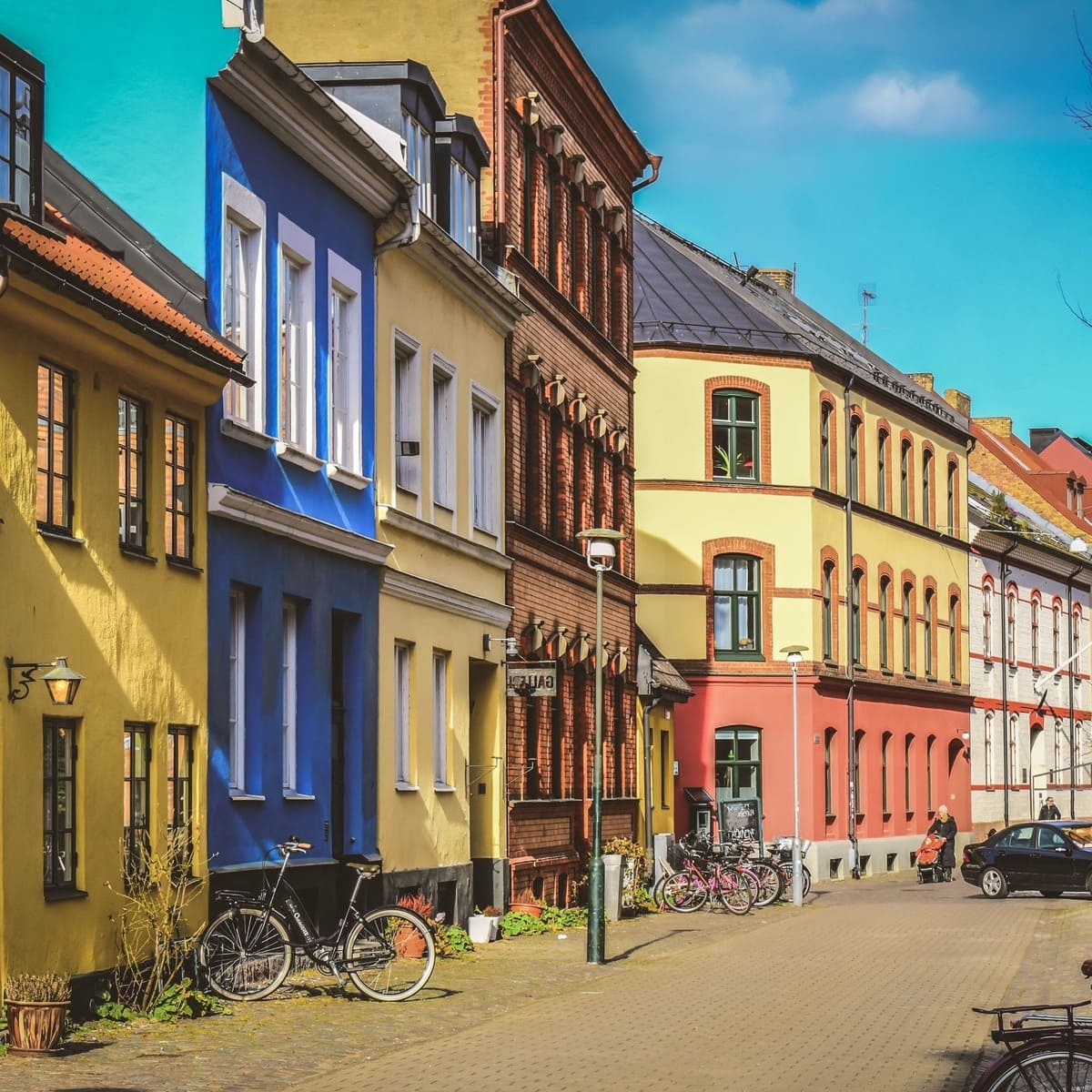
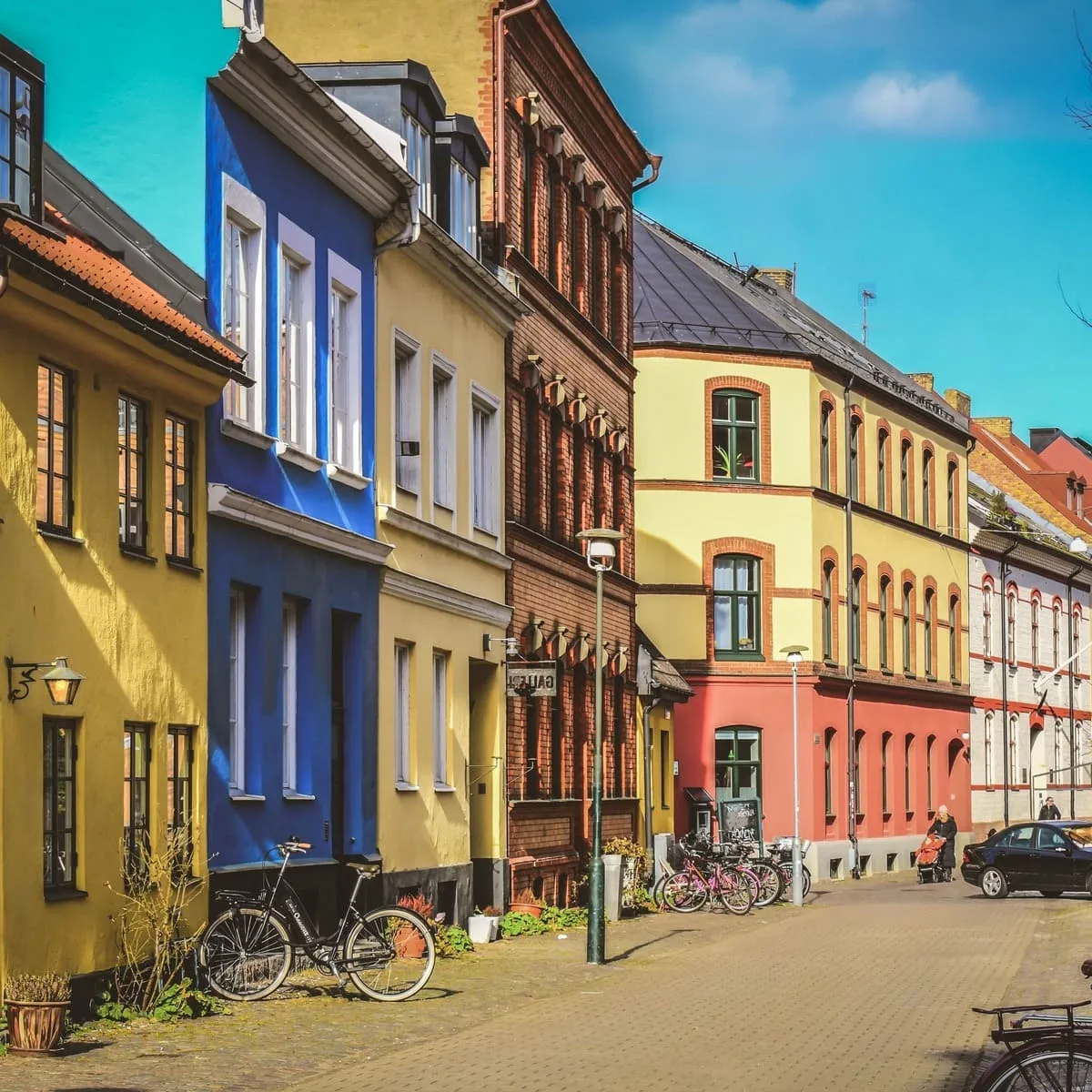
Malmö, Sweden
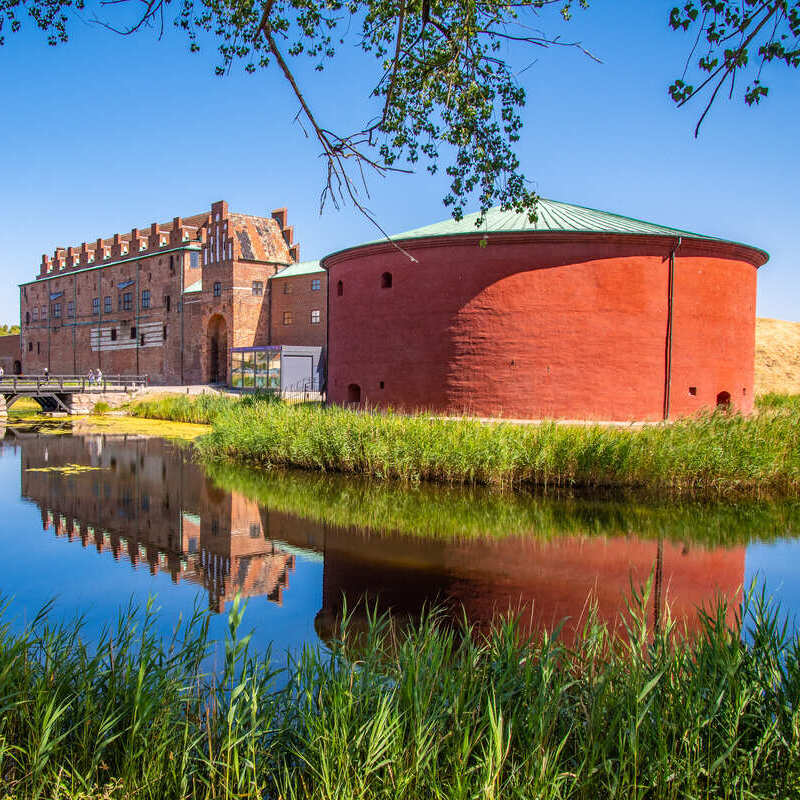
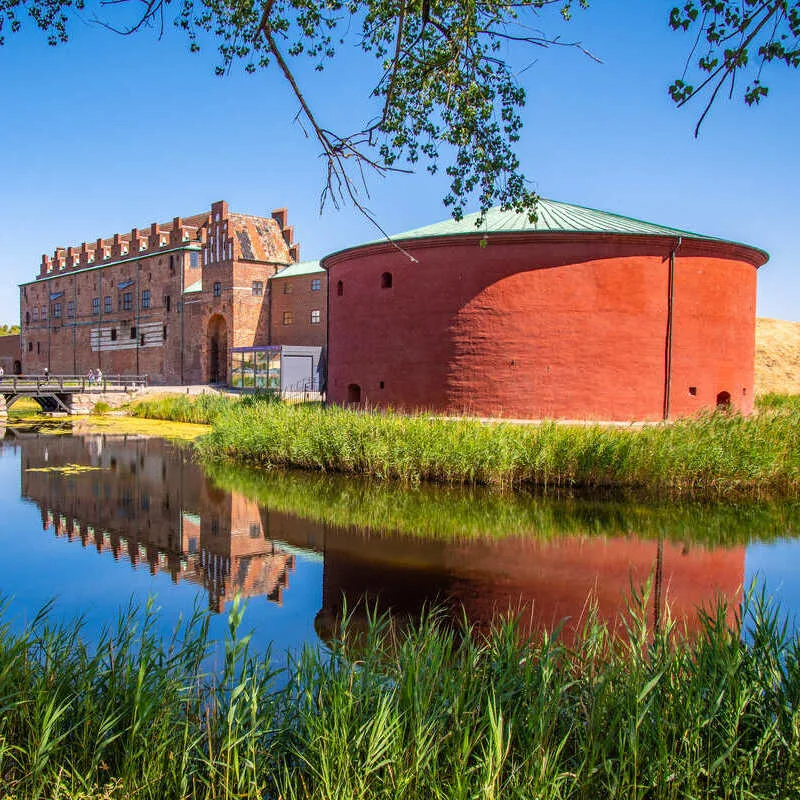
Malmö, a bustling port in southwestern Sweden, is best known for its mix of old and new.
It is home to a well-preserved historic centre, Lilla Torg, dotted with coffee shops, half-timbered houses and crossed by picturesque cobbled alleys. A short walk away, Malmö’s striking red castle, surrounded by a moat, is home to several museums.
At the same time, the city has a skyscraper-dominated harbour, with the spiraling Turning Torso and the sleek waterfront of Västra Hamnen. Think glassy apartments on the water, wide promenades, hip cafes and quirky art galleries.
Malmö is deeply rooted in Scandinavian tradition, but that is how it is futuristic and progressive at the same time, which is why it’s so inherently fascinating.
Gothenburg, Sweden


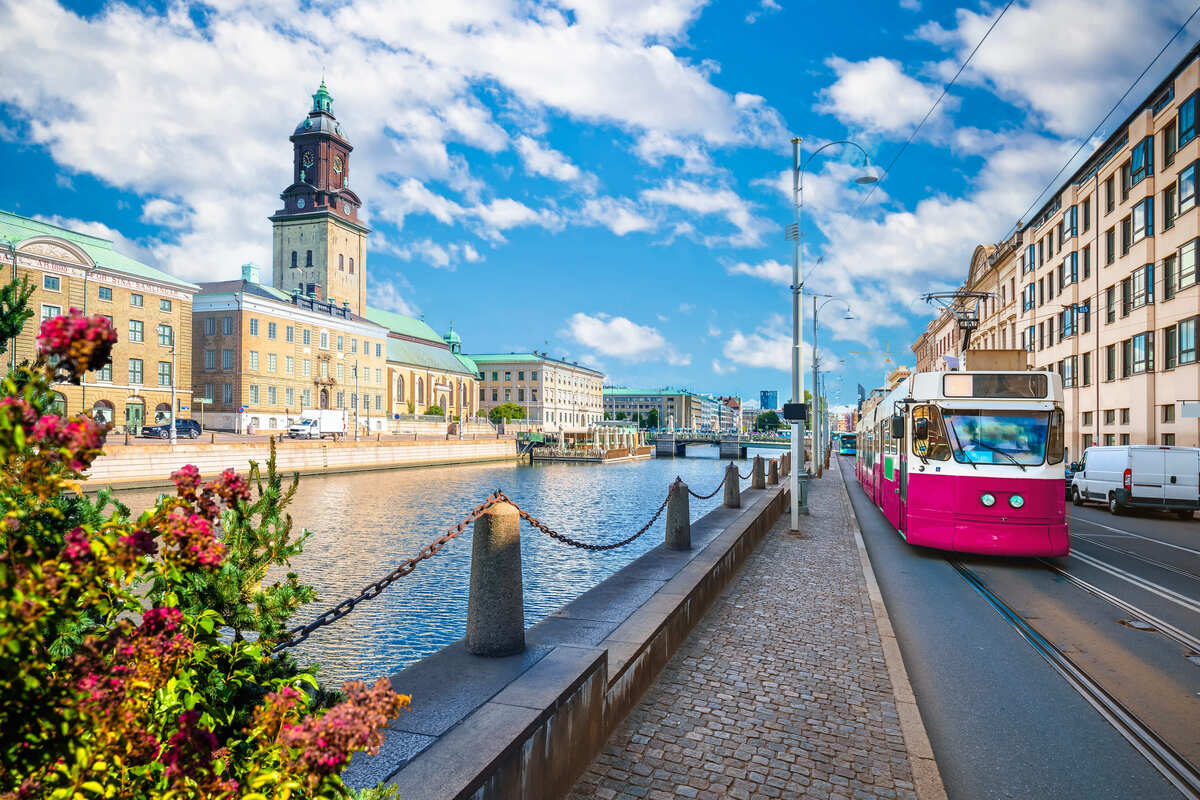
Gothenburg, Sweden’s second largest conurbation after Stockholm, is one elegant Scandinavian city which lies somewhere between the medieval allure of the 15th century and the opulence of the French-inspired Belle Époque.
In Haga, cobbled streets wind around picturesquely landshövdingehus– old houses with stone ground floors and wooden upper floors – and old squares, while main streets such as Avenyn bustle with modern trams that glide smoothly past overloaded fin-de-siècle buildings.
In fact, Avenyn becomes the Swedish Champs-Élyséesdue to its high concentration of chic shops, restaurants and designer boutiques.
In the area around the Old Fish Market, maritime charm meets hip pop-ups, and the harbor is always bustling with cyclists, joggers and walkers. You know, your classic Swedish cityscape: colorful facades, cozy cafes, sporty people and sleek modern design.
Oslo, Norway


The capital and main administrative center of Norway, Oslo, is a stylish cosmopolitan hub that perfectly balances the rugged charm of Scandinavia’s well-documented Viking past with cutting-edge urban design.
Gamlebyen, one of the oldest neighborhoods, is the usual maze of cobbled streets flanked by half-timbered brick townhouses. At the same time, Karl Johans Gate, Oslo’s main shopping street, is like this grand 19th century buildings and chic cafes who dominate the stage.
Oslo is hidden in the heart of a fjord, perhaps not as breathtaking as those in Western Norway, but picturesque nonetheless: almost everywhere in the city, water is never far from view.
Down at Bjørvika, the central waterfront district, you will find the wonder of contemporary architecture: the Oslo Opera House. It is part of a renovated harbor full of modern buildings and cultural sites and is designed to look like a partially submerged fjord glacier.