


The global skincare conversation just got a lot more interesting, and Africa is finally sitting at the table that built it. For years, two beauty philosophies dominated bathroom shelves and For You pages worldwide. K-beauty arrived with its aspirations for glass skin, ten-step routines, snail slime, and an obsessive dedication to the skin barrier that the rest of the world eventually had to admit was genius. On the other hand, African beauty sat quietly in the background – ancient, effective and deep-rooted – waiting for the industry to catch up. Today that wait is over.
African botanicals are having a global moment. And the most compelling change in skin care right now isn’t a new Korean ingredient or a breakthrough in a Western laboratory. It is the conversation between two worlds: the precision science of K-beauty meets the wisdom of African generations. The result is something truly new.
First, the figures that explain why this is happening now
This isn’t just a change of atmosphere. The data is loud. South Korea’s cosmetics exports reached a record $11.43 billion globally in 2025, up 12.3% from 2024, with the country overtaking France as the largest cosmetics exporter to the United States. K-beauty hasn’t just influenced global skin care; it redefined what skin care could be.
But the industry pays just as much attention to Africa. The continent’s beauty and personal care market would reach $66 billion by 2024, driven by urbanization, a rising middle class and a young, digitally native population. The sub-Saharan beauty sector alone is expected to grow by $5 billion between 2021 and 2026.
Two powerhouses. Two different philosophies. Both move at speed – and increasingly towards each other.
What K-Beauty got right (and what it’s still learning)
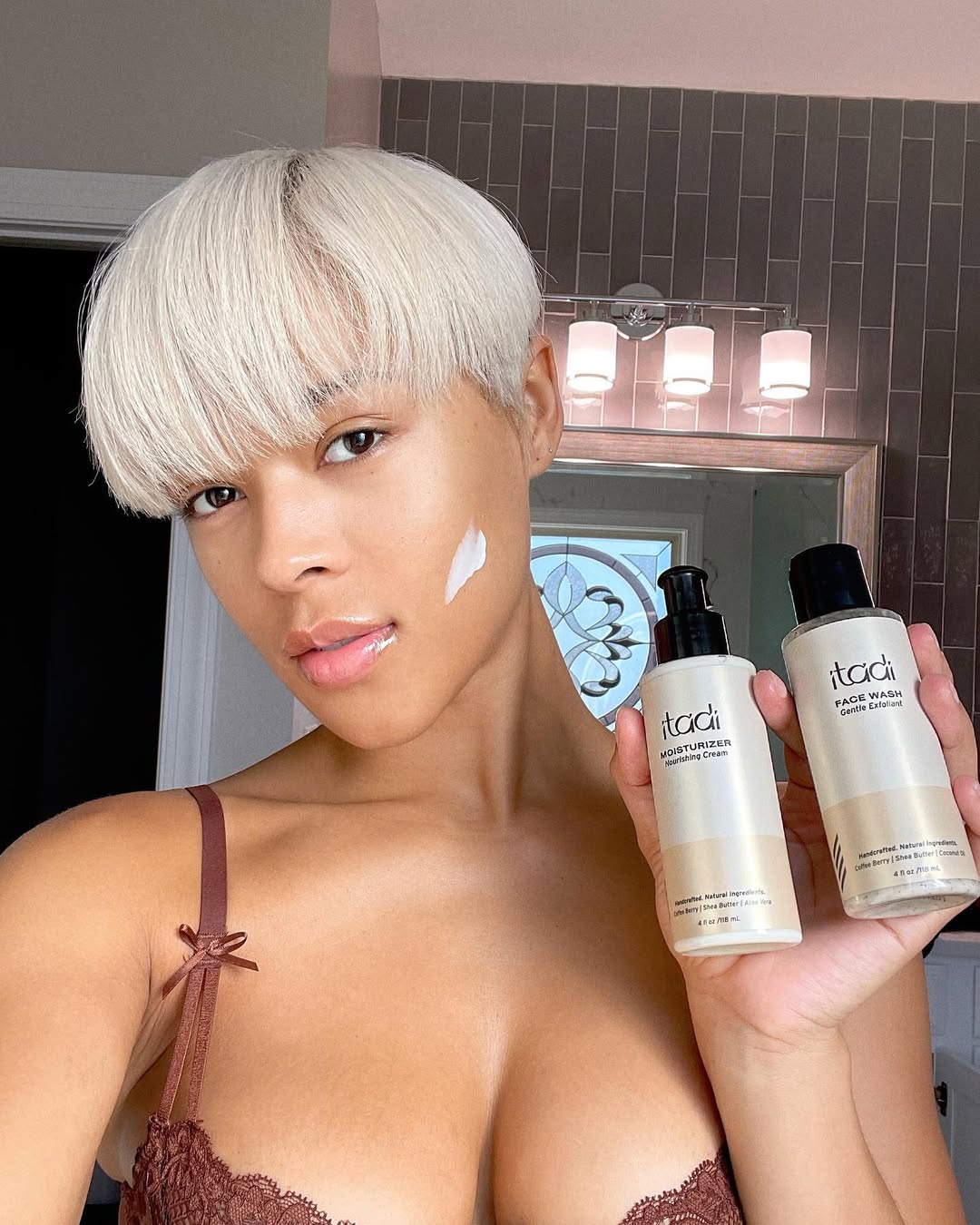
K-beauty’s strength has always been prioritizing skin health over coverage, investing in ingredient science and respecting ritual. Nowadays it has further penetrated the modernized hanbang, the traditional Korean herbal medicine, with ingredients such as ginseng, mugwort and bamboo juiceenhanced by peptides and advanced delivery systems. The philosophy is simple: honor ancestral knowledge and then refine it through science.
Sound familiar? It should.
That’s exactly what African botanicals have always offered, and what A-beauty brands are now executing with increasing sophistication. Interestingly enough, black women in the United States show a greater interest in K-beauty than any other demographic group, yet many K-beauty lines have historically focused on lighter skin tones. That gap is both a missed opportunity and an open door through which African beauty steps.
African botanical products: The ingredients the world is finally talking about
“African ingredients” is not a vague category. These are powerful, proven botanicals that have been used for generations across the continent and are now being validated and scaled up by modern science.
#1. Moringa
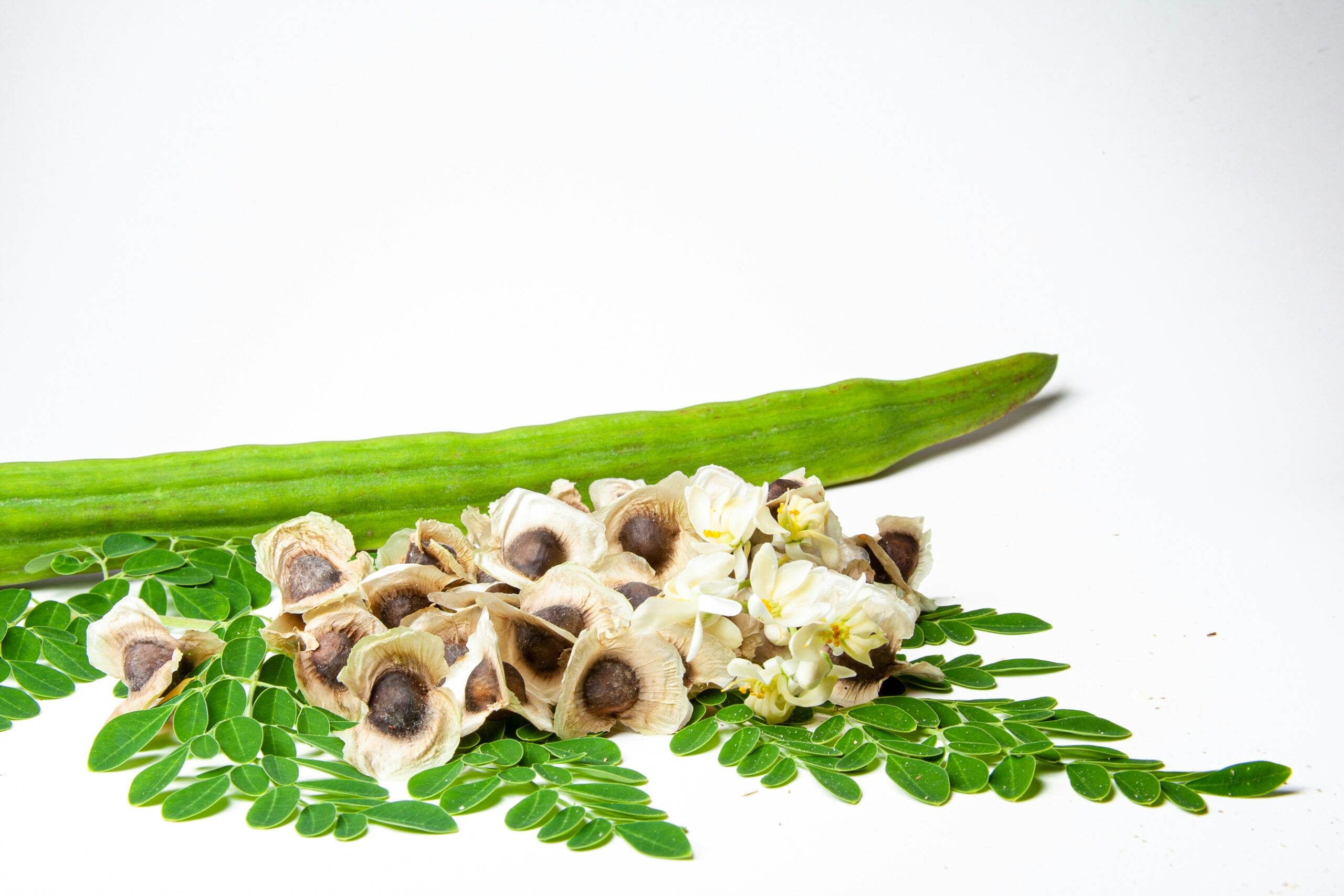
The global market for African-sourced moringa is expected to reach $25.1 billion by 2035, up from $9.7 billion in 2024. Rich in antioxidants, deeply moisturizing and anti-inflammatory, moringa seamlessly combines heritage and modern formulation. S’Able Labs, founded by Idris Elba And Sabrina Dhowre Elbahas built its hero products around moringa from Kenya.
#2. Shea butter
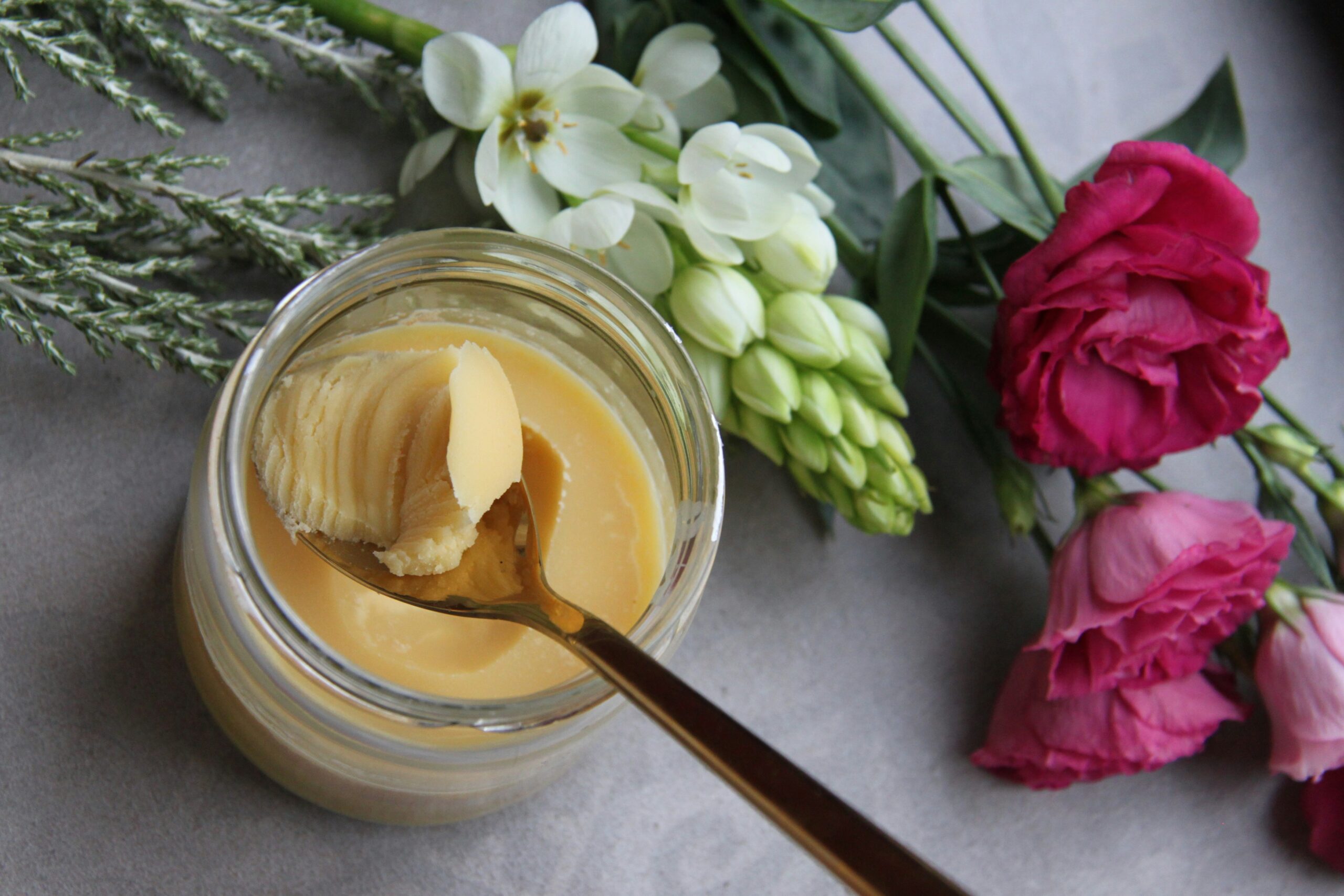
The original skin barrier ingredient, long before ceramides became a talking point. Shea has hydrated, protected and healed the skin for centuries. Brands like R&R Skincare, founded in Nigeria by Valerie Obazehave reimagined it in lightweight, liquid formats, proving that African botanicals can evolve without losing their essence.
#3. Baobab oil
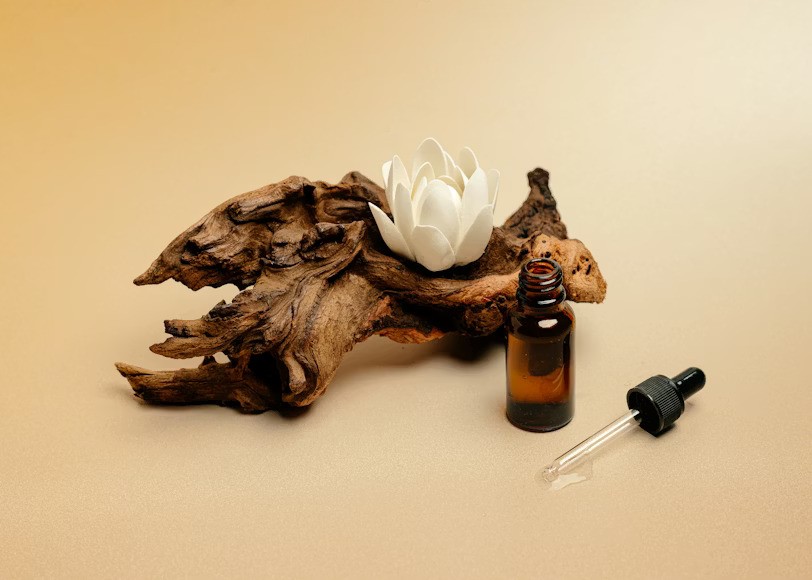
Baobab oil is rich in omega fatty acids and strengthens, repairs and locks in hydration. Functionally similar to the ceramides in K-beauty, but rooted in a long-standing African practice.
#4. Safou fruit
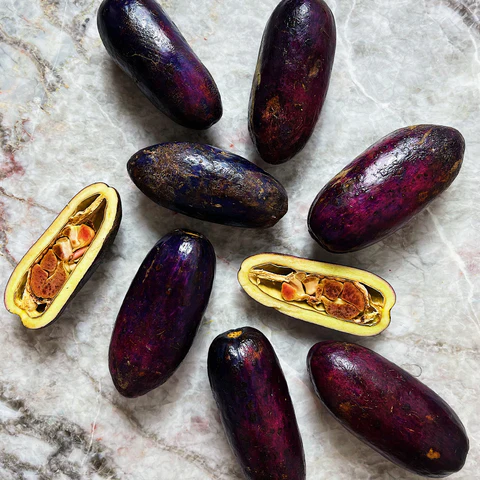
Koba Skincare, founded by Aïcha Bongouses safou fruit for skin brightening, demonstrating how African botanicals can compete directly with global brightening actives.
#5. Black seed oil
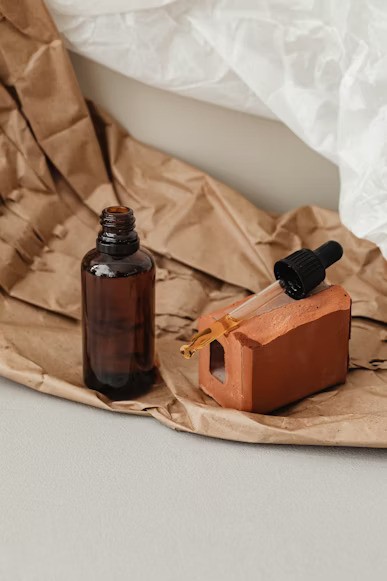
Anti-inflammatory and highly effective against hyperpigmentation, black seed oil finally gets the visibility it deserves, especially for melanin-rich skin.
The brands that really make A-Beauty
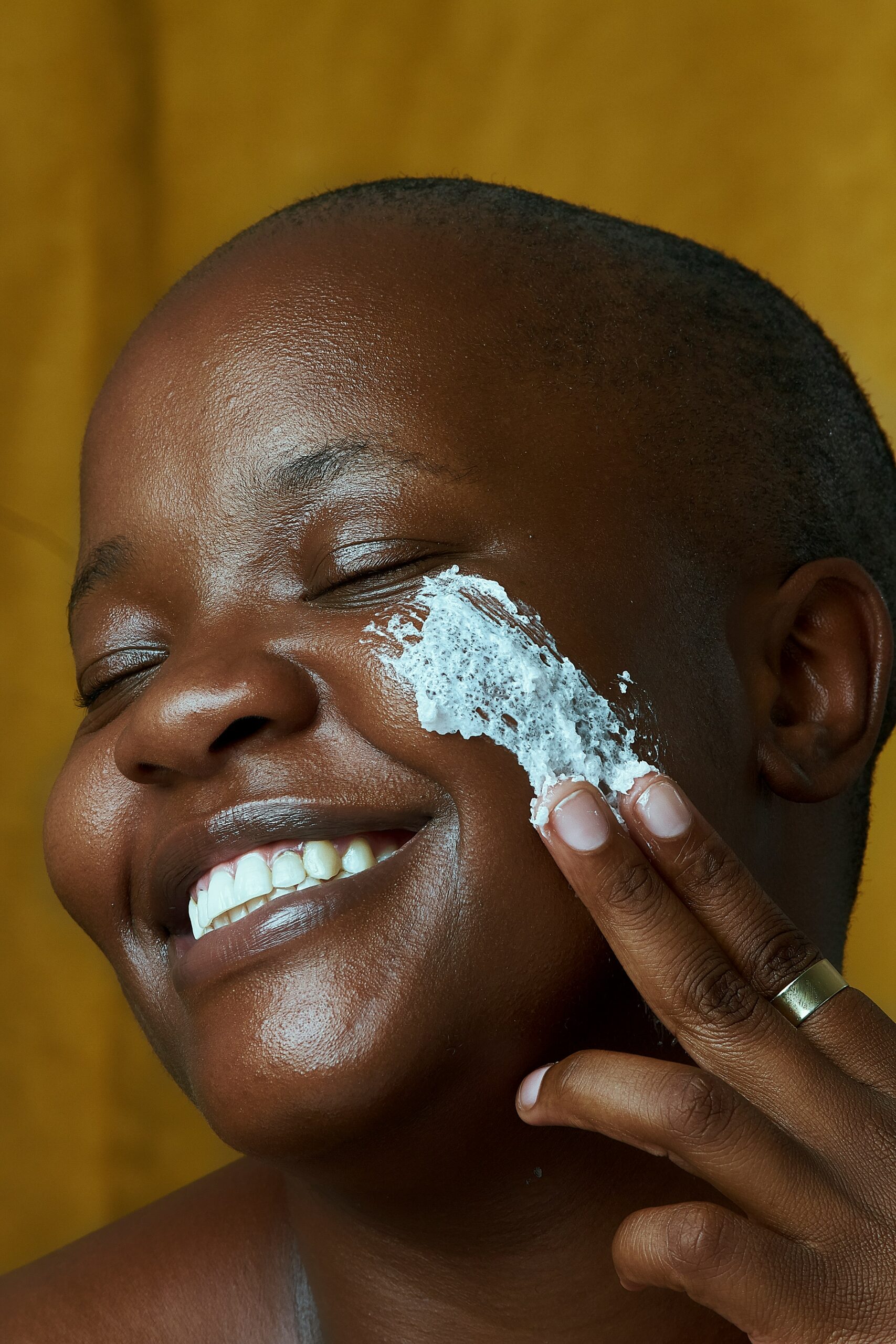
This conversation only matters because brands are doing the work, and in 2026 the ecosystem is expanding. Africana Skincare, founded by Tatyana Martinez and now expanded to Spain, positions African beauty around functionality, heritage and long-term efficacy rather than trends. It’s a philosophy that closely aligns with what the global clean beauty movement is now trying to articulate.
Based in Kenya, Uncover builds scientifically proven skin care specifically for melanin-rich skin. West African brands like House of Tara and Amila Naturals focus on shade inclusivity and ethical sourcing. Meanwhile, makers like it Dimma Uhm And Enioluwa Adeoluwa bringing #ABeauty to the world and advocating natural skin care, cultural rituals and body positivity with authenticity.
Why this moment is different
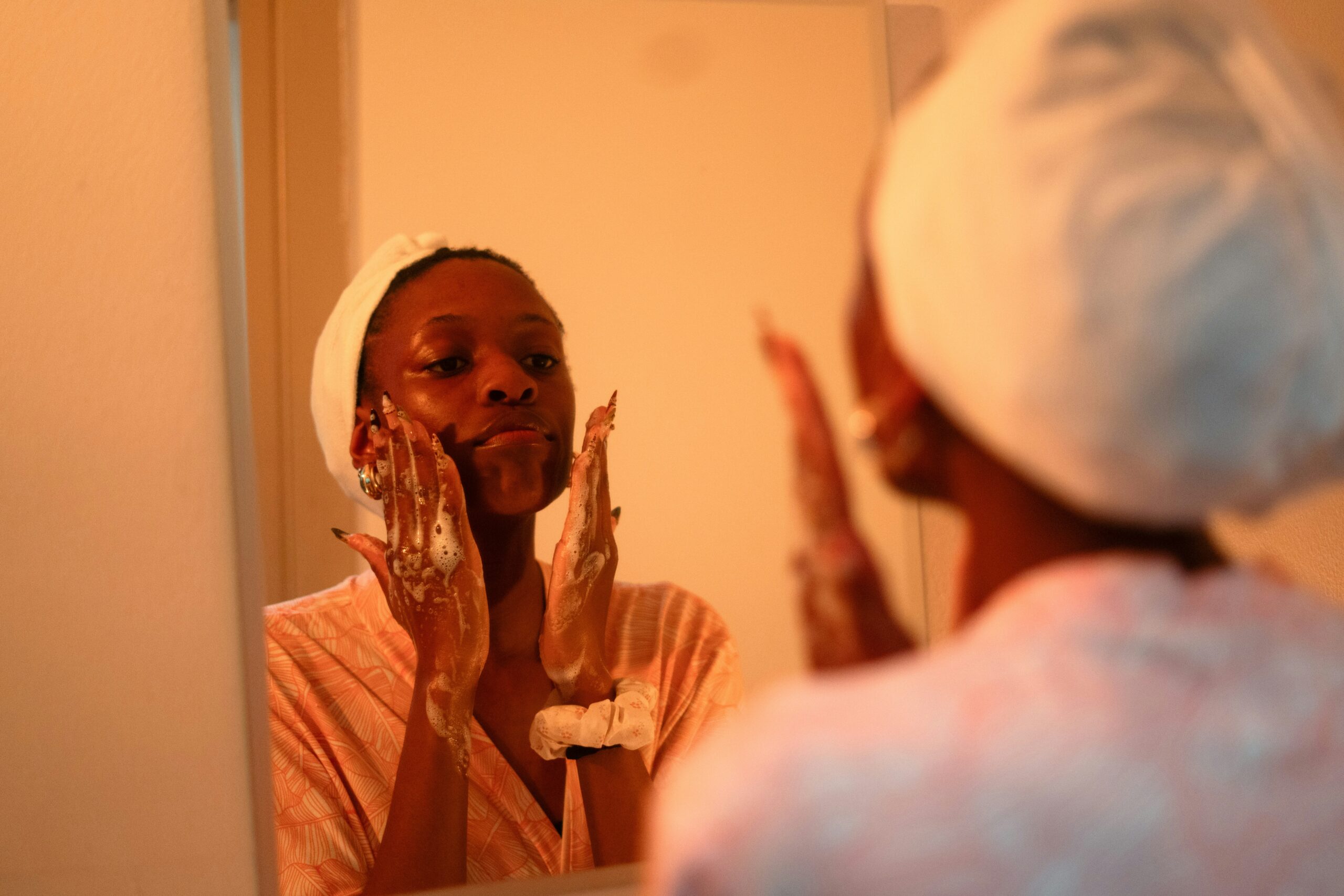
Here’s the distinction that matters: A-beauty is unlikely to follow K-beauty’s highly polished, trend-driven trajectory. Its power lies in something deeper: formulations rooted in heritage, shaped by climate realities and informed by regional diversity. African botanicals are not designed for trends. They are rediscovered from a long, ongoing history of efficacy.
A-beauty is not just a trend cycle. It signals a broader shift towards authenticity, sustainability and inclusivity, based on Africa’s long-standing culture of self-care and natural wellbeing.
K-beauty has taught the world to take skincare science seriously. Now, African botanicals are reminding the world that some of the most powerful ingredients have always existed: grown in African soil, cultivated and refined over generations into practices that the global market is only beginning to understand.
One quote circulating in the beauty community sums it up best: “African beauty is not a trend, it is a legacy.”
The rest of the world is finally starting to understand what that means.
Featured image: ANUA Beauty
.