


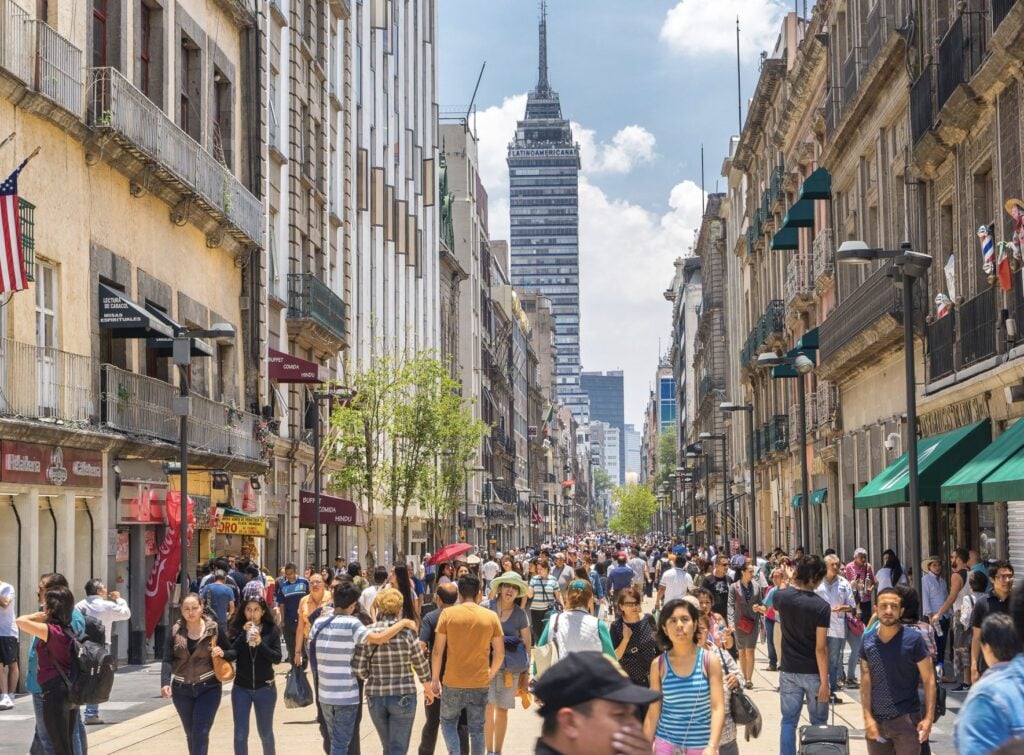
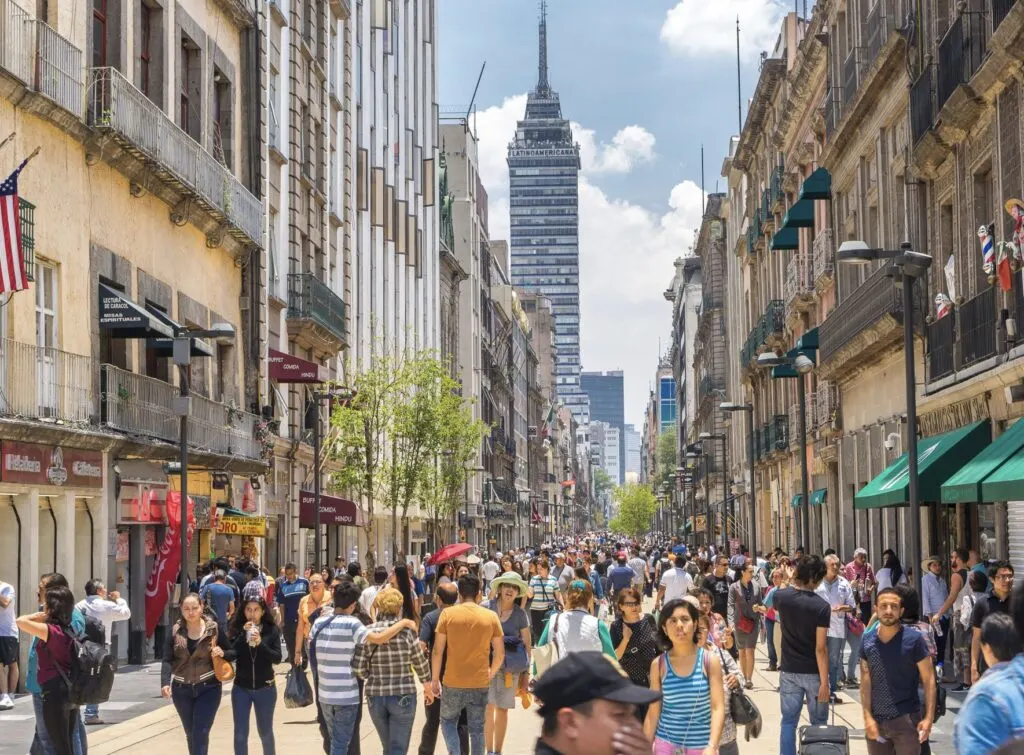
Mexico City, a lively metropolis of culture and fascinating experiences, is often at the top of the travel wishes for American explorers. But a dark undercurrent has recently been created. Tensions in Mexico City against tourists have risen, resulting in striking and disturbing incidents. These escalating concerns have now led the American embassy to issue a security warning for the Mexican capital.

This is not your typical security warning about small crime. This advice indicates on underlying tensions that can influence visitors, and recommend American citizens to be careful and informed. For smart travelers, understanding the full picture behind such warnings is crucial to navigate safely and confidently on their journey.
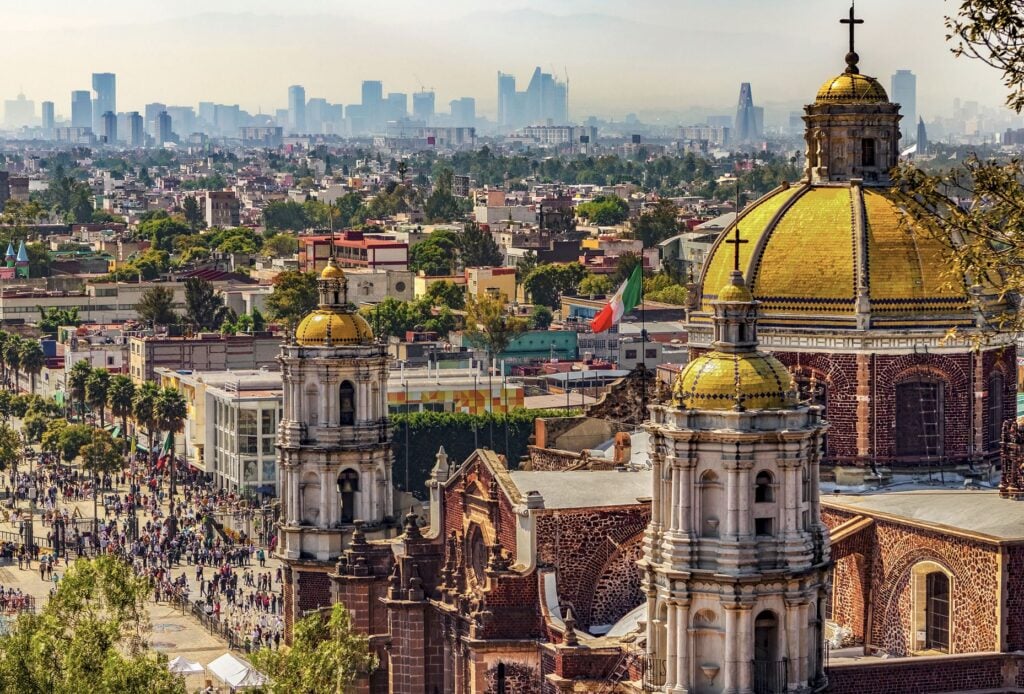
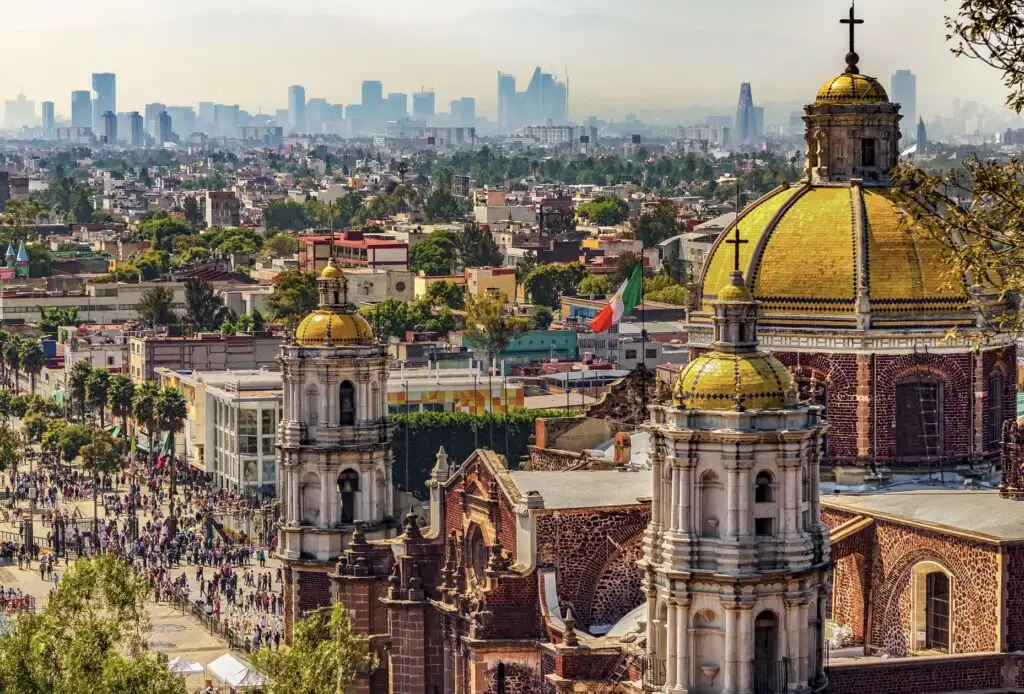
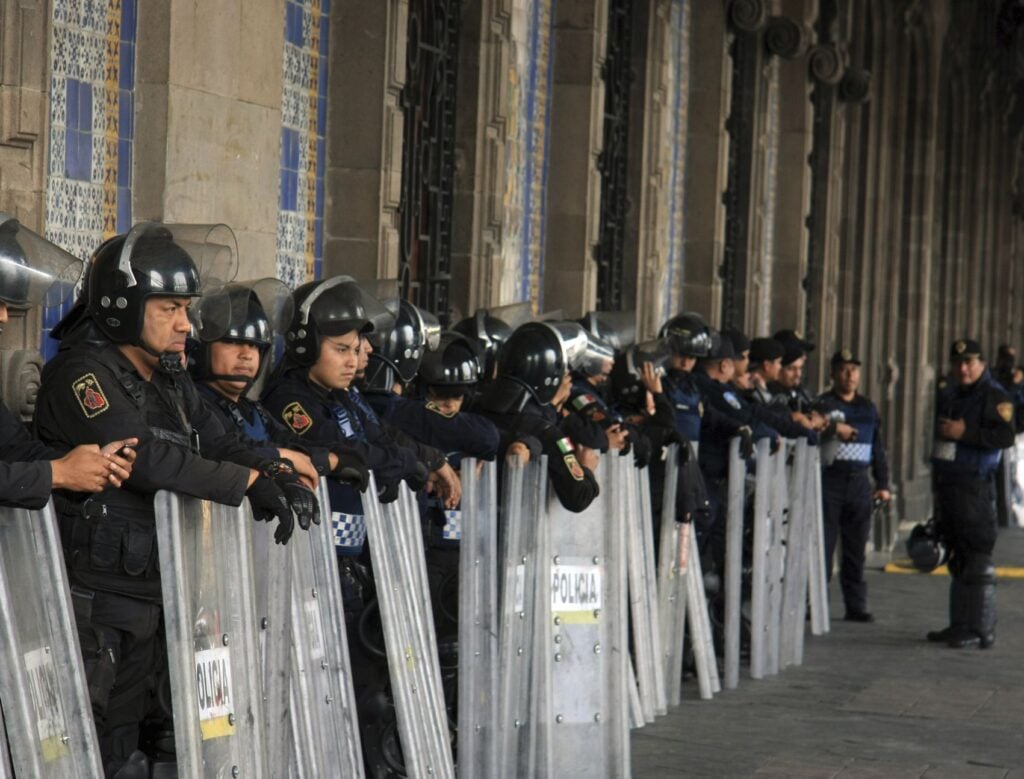
The recent advice from the American embassy specifically warns of planned demonstrations that are expected Sunday, July 20, starting at 3:00 PM, in the Tlalpan area, between Fuentes Brotantes and El Caminero. This marks the second planned protest In its kind, after an earlier demonstration in the popular Roma and Condesa neighbors on July 4. In that earlier event, some participants were concerned with the vandalism of real estate and stones to individuals who were considered foreigners.
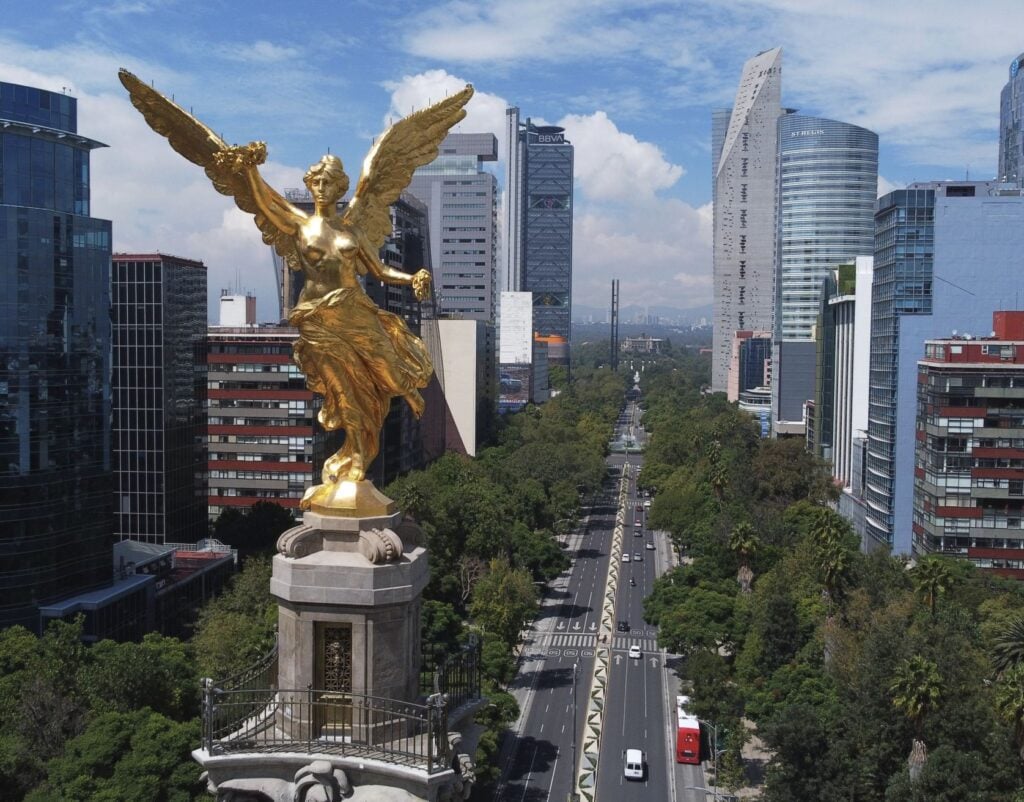
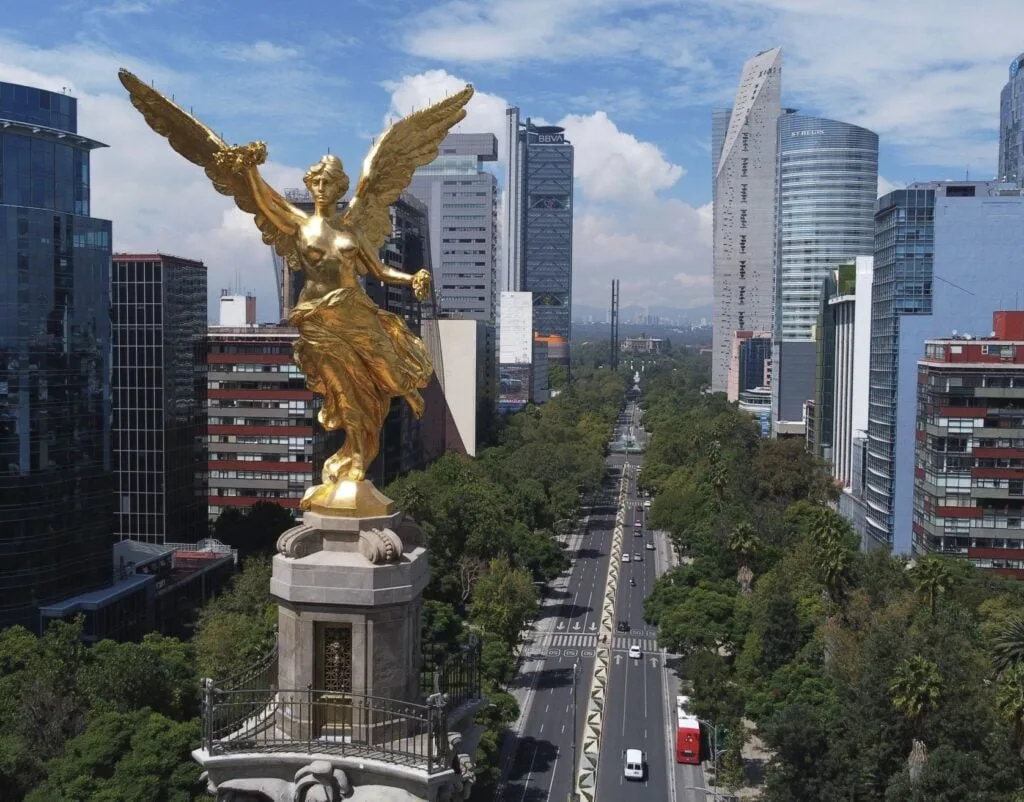
For tourists it is important to know that the Mexican law prohibits political activities strictly by foreign citizens. Participation in demonstrations can lead to it Detention or deportation. If you are in a affected area, expect traffic congestion, an increased presence of the police and increased security measures.
The rising tide of anti-tourist sentiment
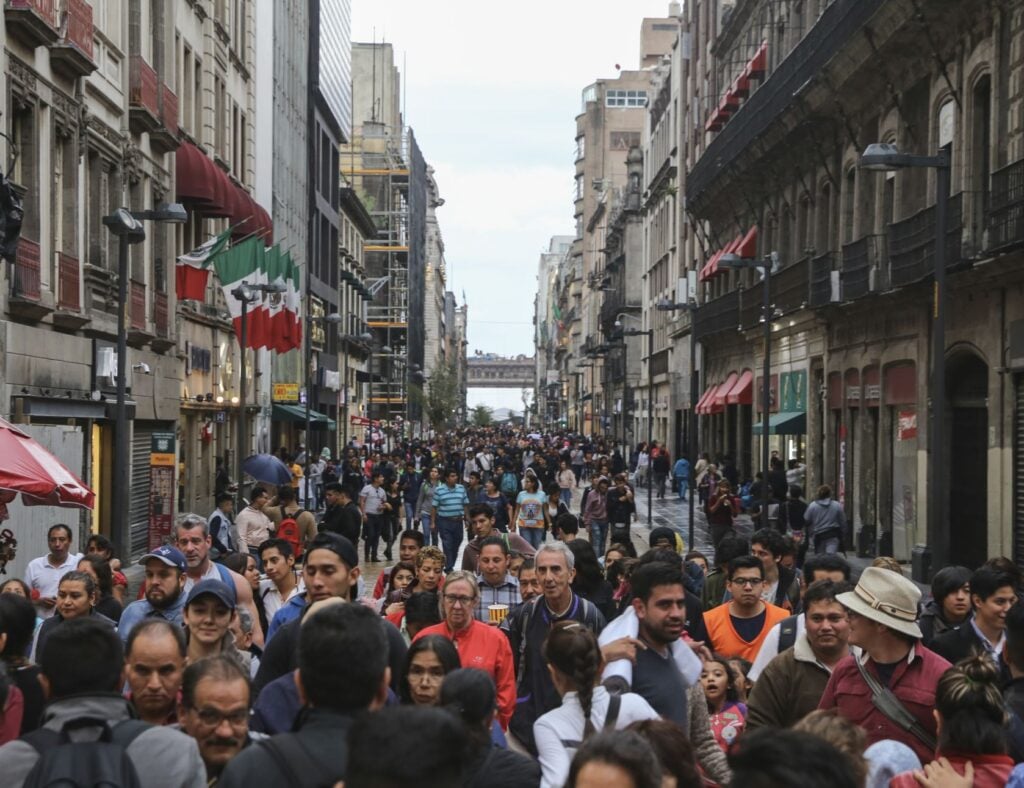
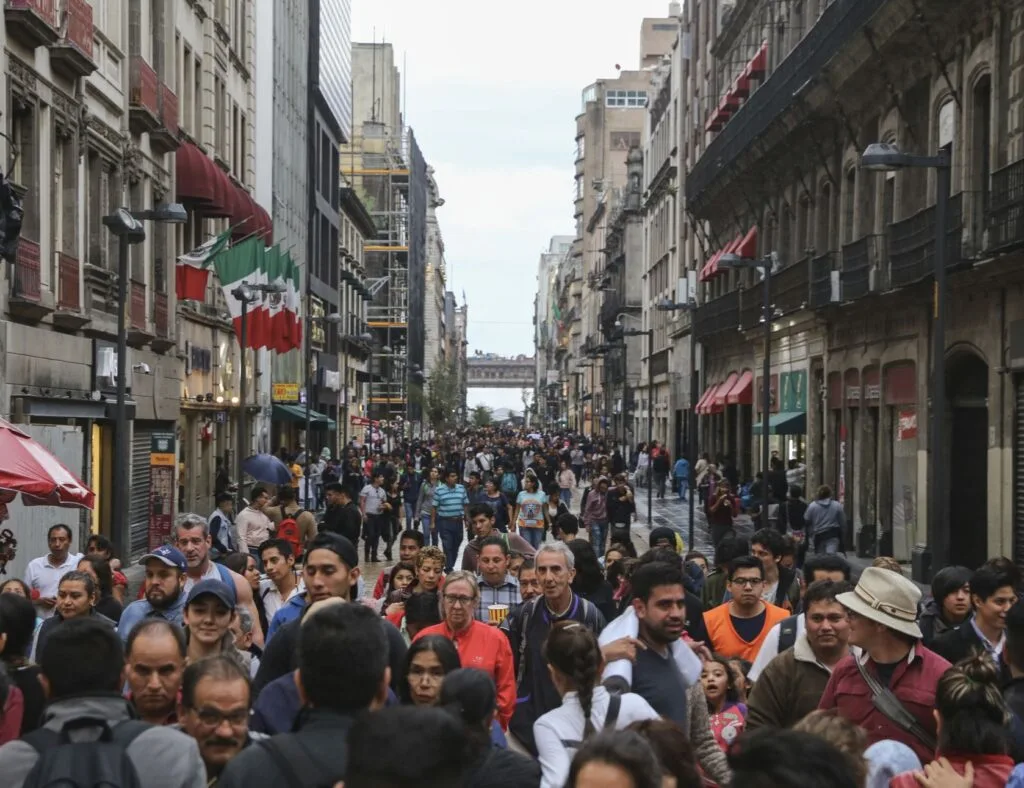
You have seen the official warning, but the real story runs deeper. Consider the striking scenes from a mass protest last week: the words “Go from Mexico” scribbled on a shop window, kicked glass windows violently and “kill a gringo” sprayed on a wall. Demonstrants wore placards that demanded that Western foreigners ‘stop stealing our house’, painting a grim image of the growing anger.
While last week’s demonstration was largely peaceful, the public acts of vandalism and rhetoric anti-immigration led to a heated debate. Even Mexican President Claudia Sheinbaum condemned the xenophobic sentiments and stated: “No for discrimination, no to racism, no against classism, no against xenophobia, no to Machismo, no to discrimination. All human beings, men and women are the same and we can treat any less.”
Adding a layer of irony, the US Department of Interior Security, which is actively involved in its own immigration content, placed on X: “If you are illegal in the United States and you want to match the next protest in Mexico City, use the CBP One app to facilitate your departure.”
The global fight against gentrification
These rallies in Mexico City are not insulated events; They reflect a global trend. Similar protests have broken out in popular European cities such as Barcelona and Paris, where quickly escalating costs are attributed to violation tourism, the proliferation of housing rental in the short term and an intake of foreign residents with greater purchasing power.
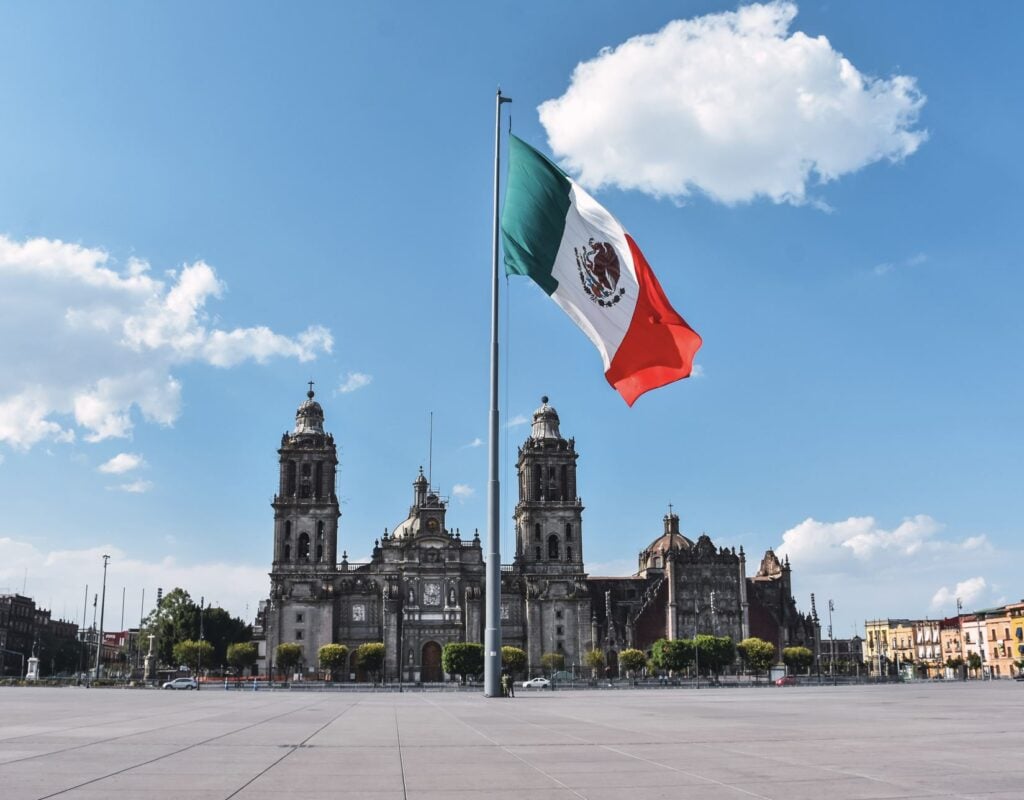
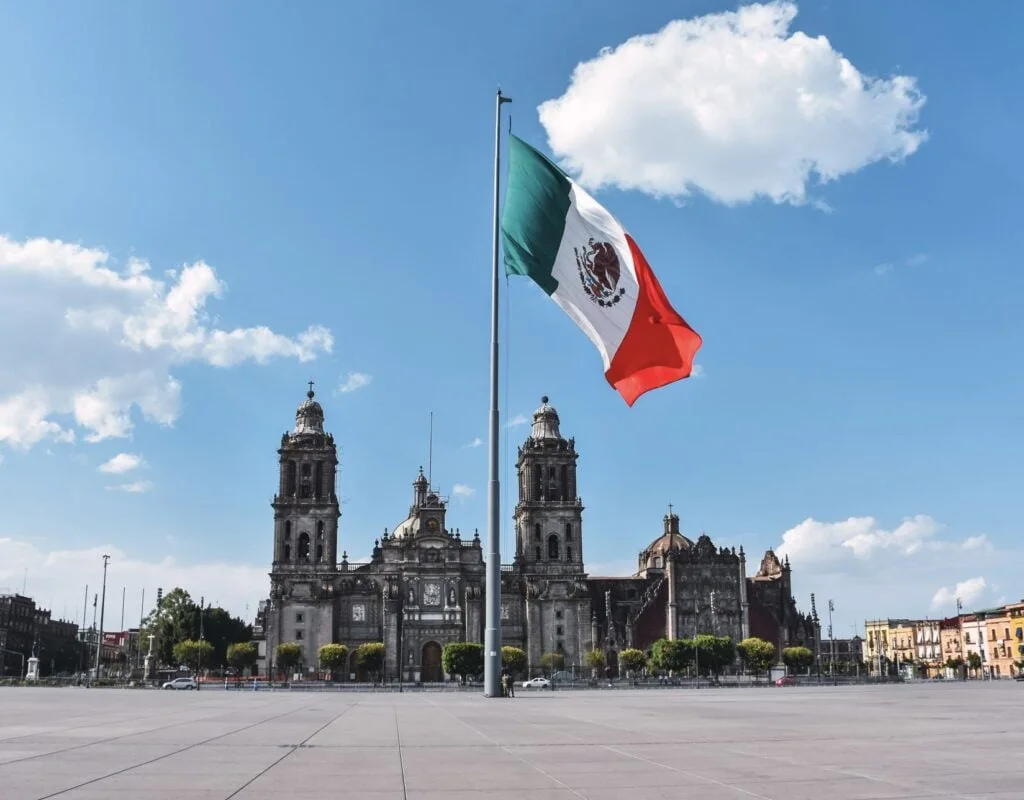
Frente Anti Gentrificacion MX, one of the protest organizers, frames Gentrification as a modern form of colonization. They claim on social media that “the state, institutions and companies, both foreign and locally, offer differential treatment to people with more purchasing power.” Activists claim that thousands in the Mexican capital from their houses are displaced as tourists and external employees, many believed they are American, moving to popular neighborhoods such as Roma and Condesa.
Frente Anti Gentrificacion MX spokesperson Yessica Morales pushed back against accusations of xenophobia, which clarifies their campaign that the plight of those who are priced and demand reforms of the government. “In Mexico, the housing costs have risen 286% since 2005 … while the real wages have fallen by 33%,” Morales said, with reference to official data. “We are not against migration because gentrification is not a problem of migration (that is) a human right. We are against violence as a government model.” She insisted on potential newcomers to consider their impact.
Airbnb, digital nomads and accelerating change
Experts agree that immigration is not the only cause; The gentrification of Mexico City has taken place for decades due to issues such as inequality and shortcomings of the housing policy. However, the uncontrolled growth of short-term rental such as Airbnb and external work policy during the Pandemie has unmistakably “turbo-loaded” since 2020.
Despite the growing criticism, the government of Mexico City signed an agreement with Airbnb and UNESCO in 2022 to promote the capital as ‘a worldwide hub for digital nomads’, an initiative that at the time defended Claudia Sheinbaum for Economic Boost. This was especially attractive for American citizens, who can stay up to six months without a tourist visa. In 2022, 122,758 temporary residence permits were granted to foreigners for Mexico, against 97,825 in 2019, for many residents, however, this fed the travel story.

Lessons from other tourist hotspots
The anger takes intensifies worldwide. Governments of the Canary Islands from Spain to Lisbon and Berlin have implemented restrictions on short -term rental. Barcelona, for example, is planning to withdraw more than 10,000 rental licenses in the short term by November 2028, after documentation of how daily rental properties have moved long -term residents.
In Mexico City, Airbnb gives an overview of more than 26,500 propertiesHeavily concentrated in gentrified central neighborhoods such as Condesa, Roma, Juarez and Polanco. Local government regulations have been introduced, but experts claim that they fail. Airbnb defends its role, with reference to more than $ 1 billion generated in the local economy last year and claims that 53% of its hosts depend on the platform to stay in their homes.
Activists are now scraping for the 2026 World Cup, for fear of the priority of the state of companies above residents. The question is in the air for the future of Mexico City.
The Savvy Traveler’s Toolkit This article is only part of our mission to make you a safer, smarter traveler. You can explore our full series of exclusive tools for travelers on our official Travel Off Path Tools page or by exploring more below.
Subscribe to our latest messages
Enter your e -mail address to subscribe to the latest Breeknieuws from Path, directly to your inbox.