


In the footsteps of Croatia, who only announced last week that Americans will get fingerprints once they land in the country, it is now time for the second Most popular destination worldwide to impose the same requirement.
After having organized a record -breaking 94 million tourists last year, only behind France, Spain is the second European country that confirms They are ready to start starting foreign tourists from October 12.

The decision of Spain follows the new ‘EES’ directive of the EU, and it will affect millions of travelers who enter the country from the date of implementation.
We know it, they are all difficult acronyms and confusing terminology, but don’t worry. That is what traveling is for: translating all that complex government suspendo into easy to understand, daily English, Without the unnecessary fluff.
So what is the Ees about and why does Spain (and previously Croatia) suddenly go to such unprecedented lengths to register visitors?
What does De Ees stand for?


De Ees stands for the input/exit system, and it is the new border procedure of the European Union that will completely replace the decades of old passport stamps.
For many years, when Americans land in Europe, they are instructed on arrival to go to an immigration desk, where they are briefly interviewed about the reason for their visit by a border agent, who then assesses whether they should let them in or not.
As soon as a positive decision was made, the border guard would place an access seal on the visitor’s passport.
With the Ees, Passport stamps will be a thing of the pastSince you are once a European country under the new rules, you must not only provide your passport, but also your biometric data. More specifically, Four fingerprints and a facial scan.
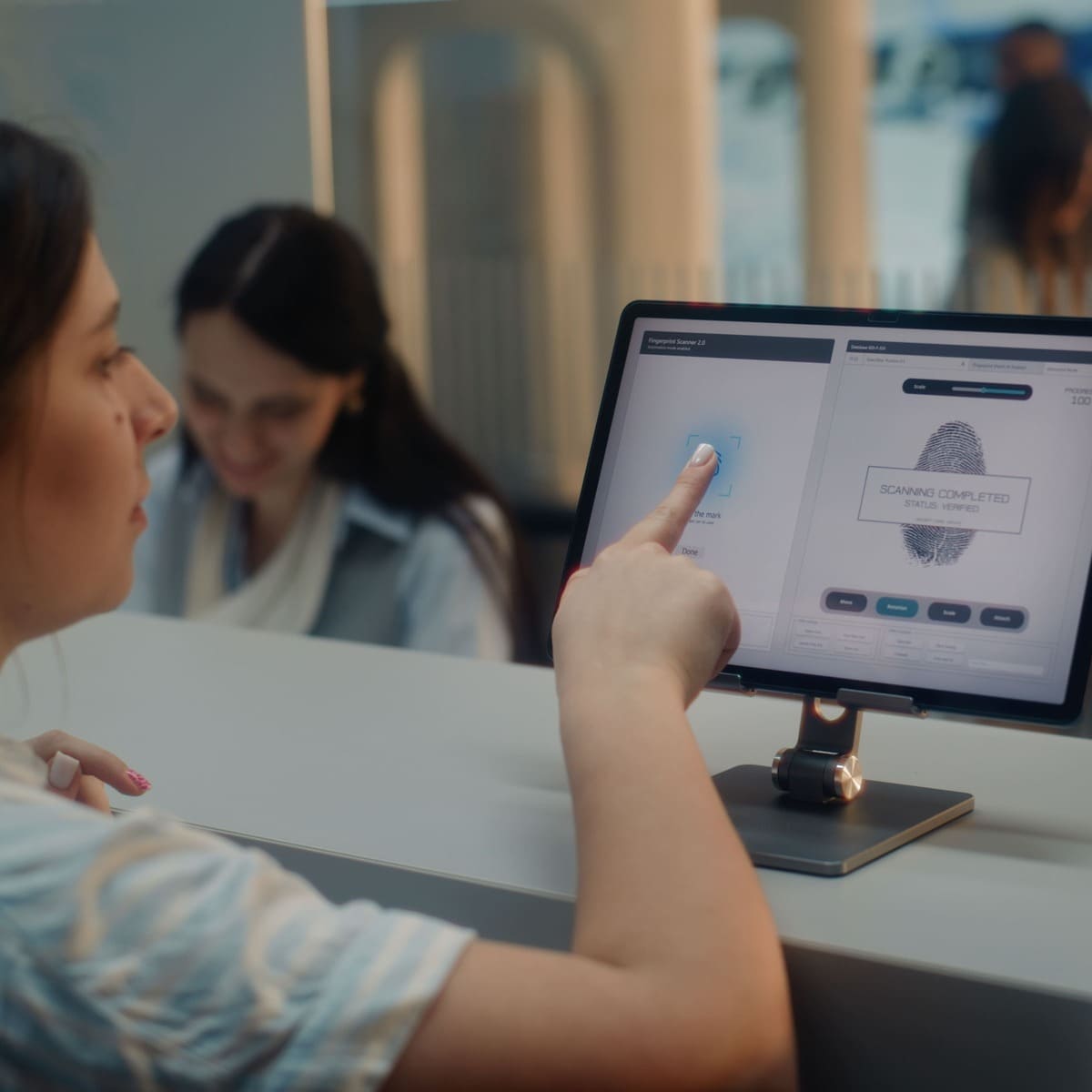
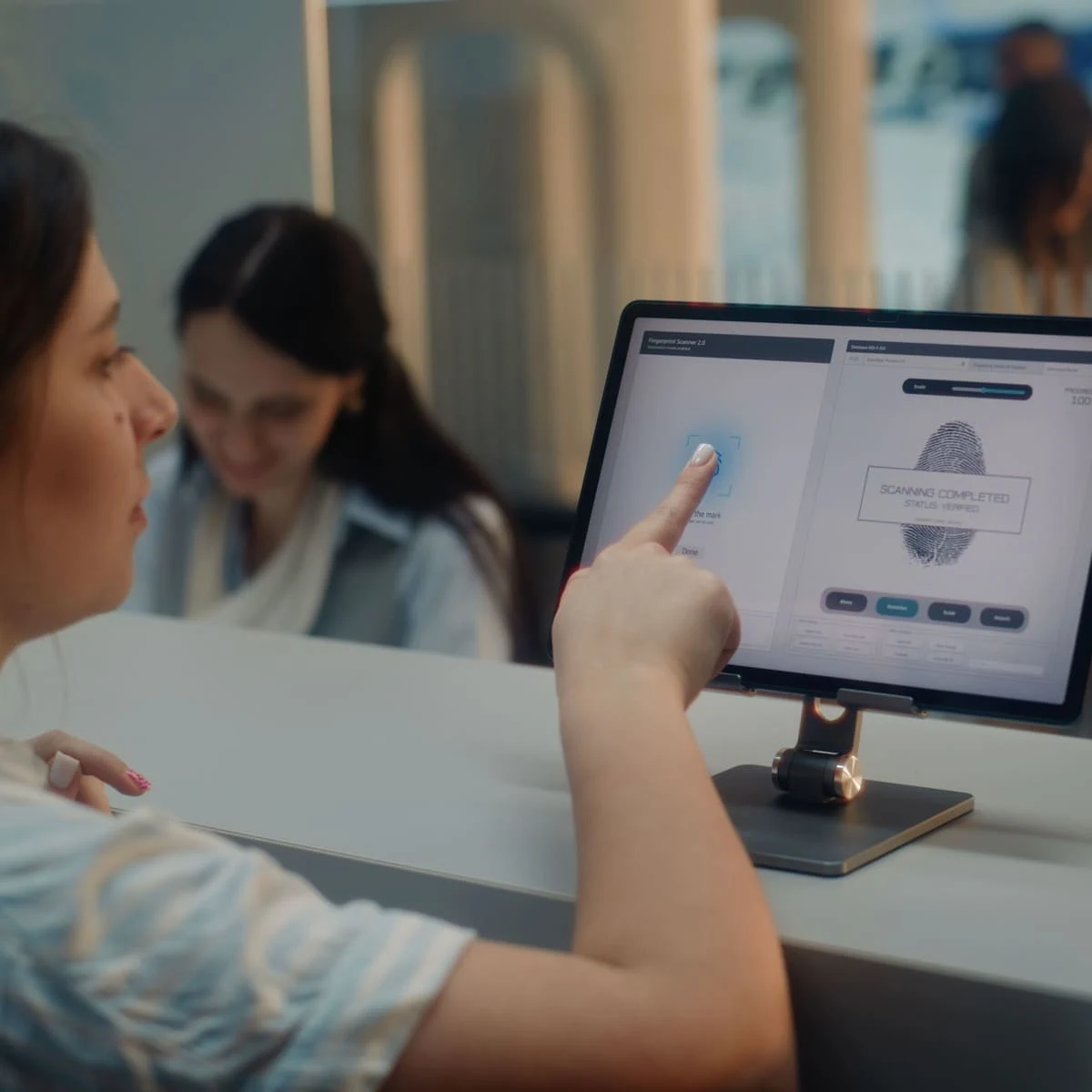
According to EU officials, the information will be stored safely for ‘three years’, so during future travel the process will be much less difficult. When landing again in Europe, you only have to scan your face to verify your identity and open the automated gate.
Why has the rollout been so complicated?
Although the official launch date of the EES is October 12, various European countries are not yet ready to switch to the new digital border.
Only a handful of, such as Croatia and now Spain, have confirmed that they have the necessary infrastructure to start the biometric registration of visitors from the launch date. At the same time, multiple Others have reported implementation and repeats and Can possibly only enforce EES in April 2026 The last moment.


That is because the EU has allowed its Member States a ‘respite period’ of 6 months, whereby the implementation of EES will be gradual and the fingerprint is not mandatory.
Whatever the case, Spain has already confirmed that it will be one of the first to try the new system.
Spain ready to roll on October 12
As can be seen on one press release Published by the Spanish Ministry of the Interior, the approval of the Iberian country will take place in three phases:
- Airports -Gegintests on October 12, specifically at Madrid-Barajas airport
- Borders – Especially what Gibraltar, a British territory in the south of Spain, and the Spanish exclusion of Ceuta and Melilla, on the coast of Morocco, at a later time
- Maritime Borders – Only when important technical upgrades are completed


The ministry has not established exact deadlines for the implementation of Ees in other large Spanish hubs, such as Barcelona, Mallorca, Ibiza or Málaga. However, since the last deadline of the EU itself is 10 April 2026, we have a rough idea of the data we work with.
So how will it work in practice?
How does EES registration work?
When you fly to Madrid on October 12, instead of being led to an immigration cabin for non-Europeans to undergo border control, You will be forwarded to an Ees -Kiosk.
Think of it as a ‘check-in’, ‘check-out’ kiosk:


You first scan your passport and wait until the information appears on the screen. As soon as this is the case, it will be asked for your fingerprints and a photo. The next step is to answer a few quick security questions on the screen.
It is designed to be as simple as possible process, and it is intended to reduce waiting times at passport control, which can stretch hours at certain times of the day, depending on the inflow of newcomers.
How does the EEs differ from Etias?
There is also a lot of confusion regarding another acronym that many use together with EEs, but still has a completely different meaning: the Etias.


As we have noticed before, De Ees and Etias are completely separate entities:
- Ees: the physically Registration on the border. It is about providing your fingerprints and other biometric information, and it seems set to replace manual passport stamps.
- Etias: A digital access permit that you must apply for for Fly to Europe. It costs $ 7.50 and it is only launched at the end of 2026.
Both are mandatory, and that is why the rollout (and communication with the wider public) is at best sub -optimal.
In summary, the EES will be launched next month, and as we do not know what the entire list is for EU entry points where it is enforced, you must be prepared for a new access process. In Madrid-Barajas and in Croatia, the Ees -Outrol will be confirmed on October 12.
As for the ETIAS, you don’t have to deal with it at the earliest on the last quarter of 2026.

Subscribe to our latest messages
Enter your e -mail address to subscribe to the latest Breeknieuws from Path, directly to your inbox.