


At Bottega Veneta Fall 2026, there was no whispering about power. It was sculpted, armored and deliberately sent down the runway. Inside the brand’s headquarters in Milan, Palazzo San Fedele, creative director Louise Trotter continued the conversation she started last season with her critically acclaimed debut – only this time the message was more precise. While Spring introduced its language of strength and craftsmanship, Fall 2026 provided its fluid expression.
The show notes framed the collection as a dialogue between “brutalism and sensuality.” On paper it sounded abstract. On the runway it felt immediate.
Brutalism, but make it feminine
Bottega Veneta Fall-Winter Collection 2026-2027 Fashion Show Presented During Milano Fashion Week FW26 (February 28, 2026) https://t.co/CgXqccXjRr#BottegaVeneta #FW26 #AW26 #Track #Milan #FashionWeek #MFW #Italy #Kendam pic.twitter.com/E1O4zxsch7
— Kendam (@kendam_com) March 1, 2026
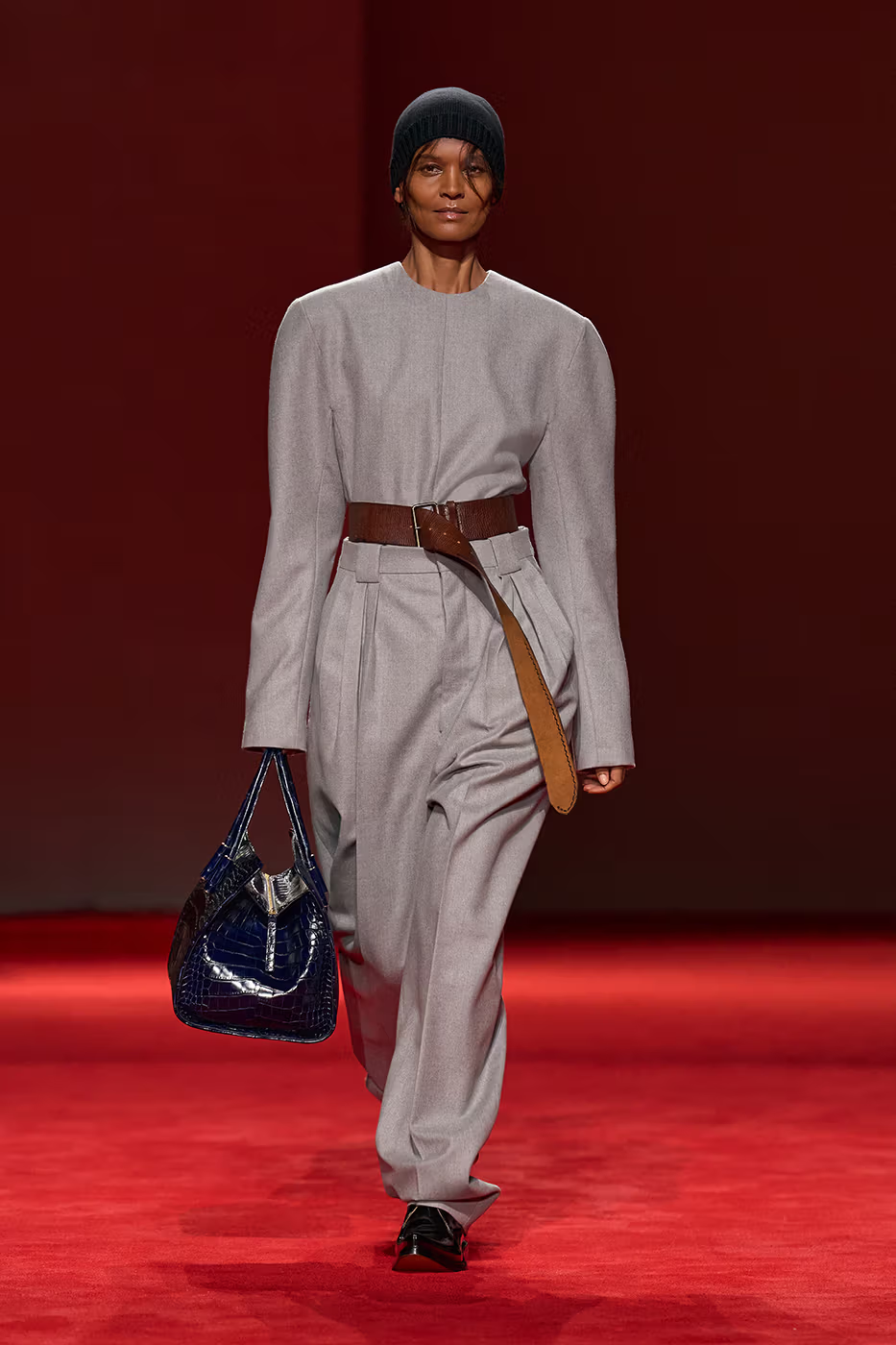
The opening looks came in sober blacks and cool architectural grays. Shoulders broadened. Hips subtly extended. Jackets deliberately carried weight. And yet this was not a revival of the corporate power clothes of the 1980s; there was no borrowed masculinity here. Instead, the silhouettes were sculpted around the female form. Strong, for sure. But never imitation.
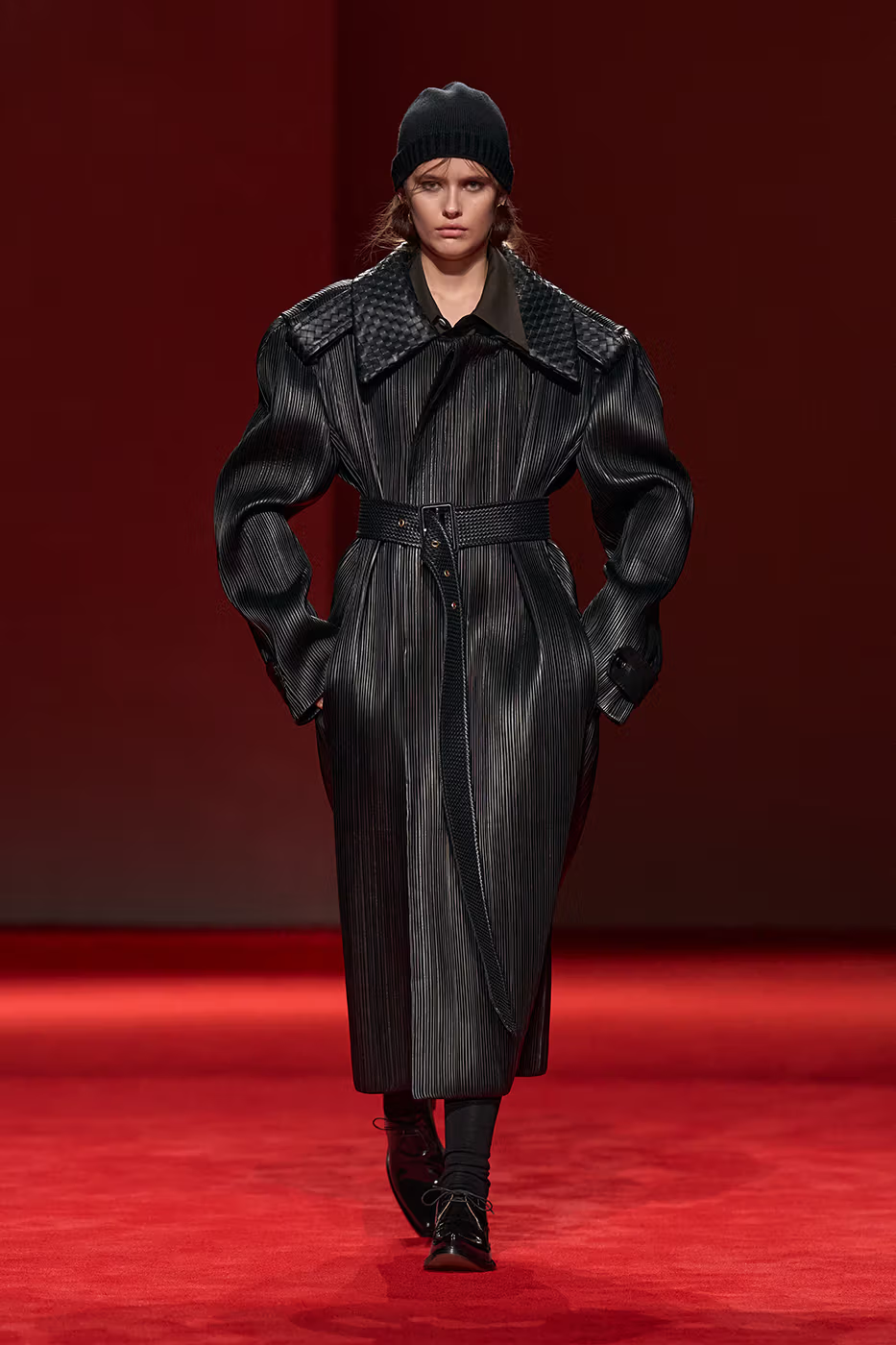
Trotter leaned on the architectural identity of Milan, a city defined by concrete facades and rationalist lines. The garments reflected that language. Coats enveloped the body like sculptural shells. Jackets felt designed rather than just tailor-made. There was protection built into the seams, as if the clothes themselves were reinforcements.
Yet they were not serious.
Movement softened the severity. A hem waved purposefully. The hip of a suit jacket curved gently. Fabric caressed the body with silent sensuality. In Trotter’s hands, power is not just about toughness; it’s about control.
The Intrecciato thread continues
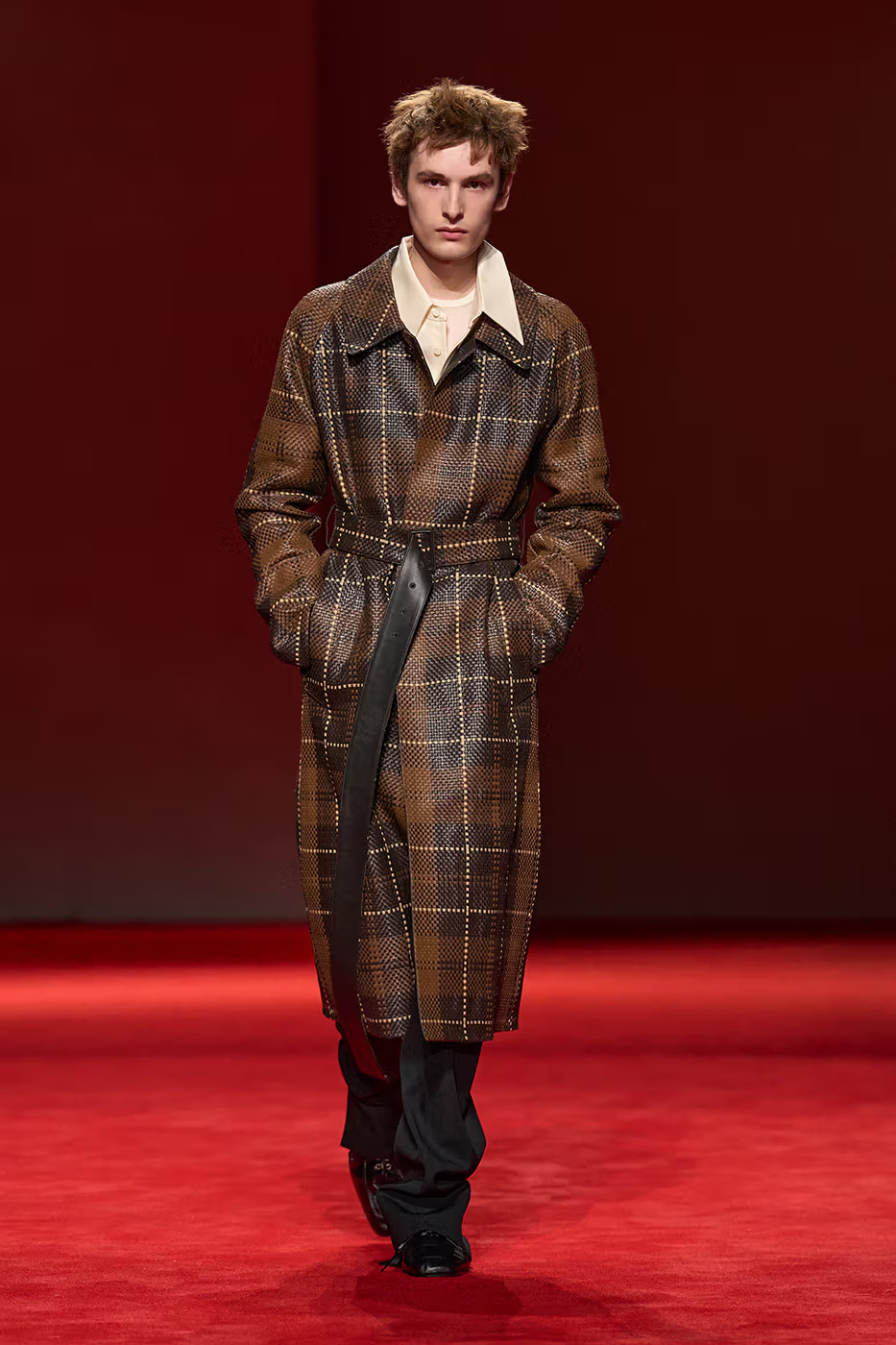
No Bottega Veneta show is complete without a meditation on leather craftsmanship, and Fall 2026 was no exception. Sleek slits appeared in micro-intrecciato leather, refining the house’s iconic woven technique into a sleeker, almost textural whisper.
Models appear on the catwalk such as Liya Kebede embodied the assured energy of the collection. Kebede wore an oversized sculpted tunic with matching trousers, and her composure suggested a suppressed smile, the kind that reads as silent approval. There was confidence in the step, but also a quiet ease, as if the wearer understood the power of the silhouette better than anyone else.
Fittingly stretched and curved throughout, recognizing a woman’s natural shape rather than flattening it. Trotter’s customization is not disappearing. It frames it.
When texture becomes emotion
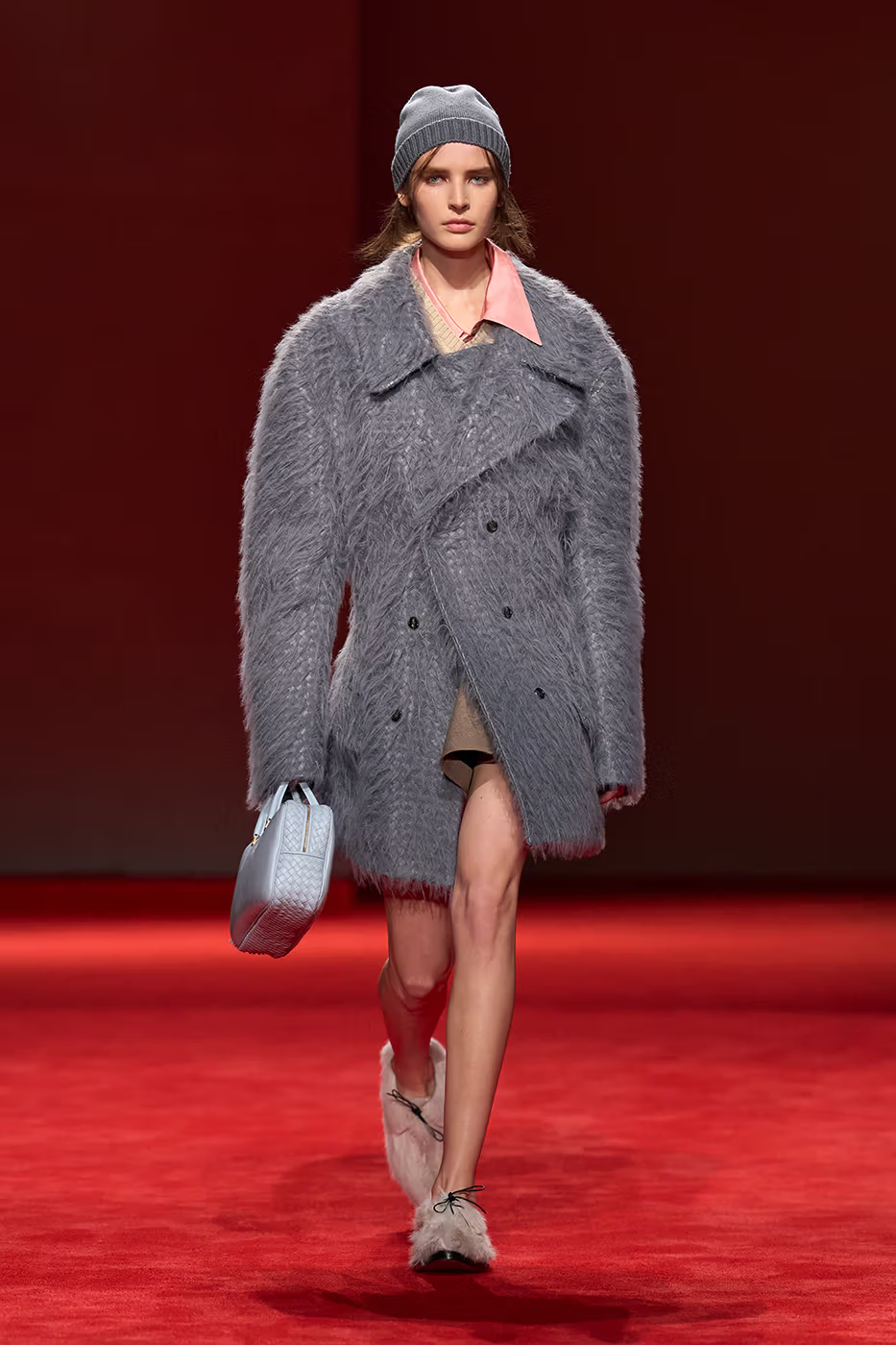
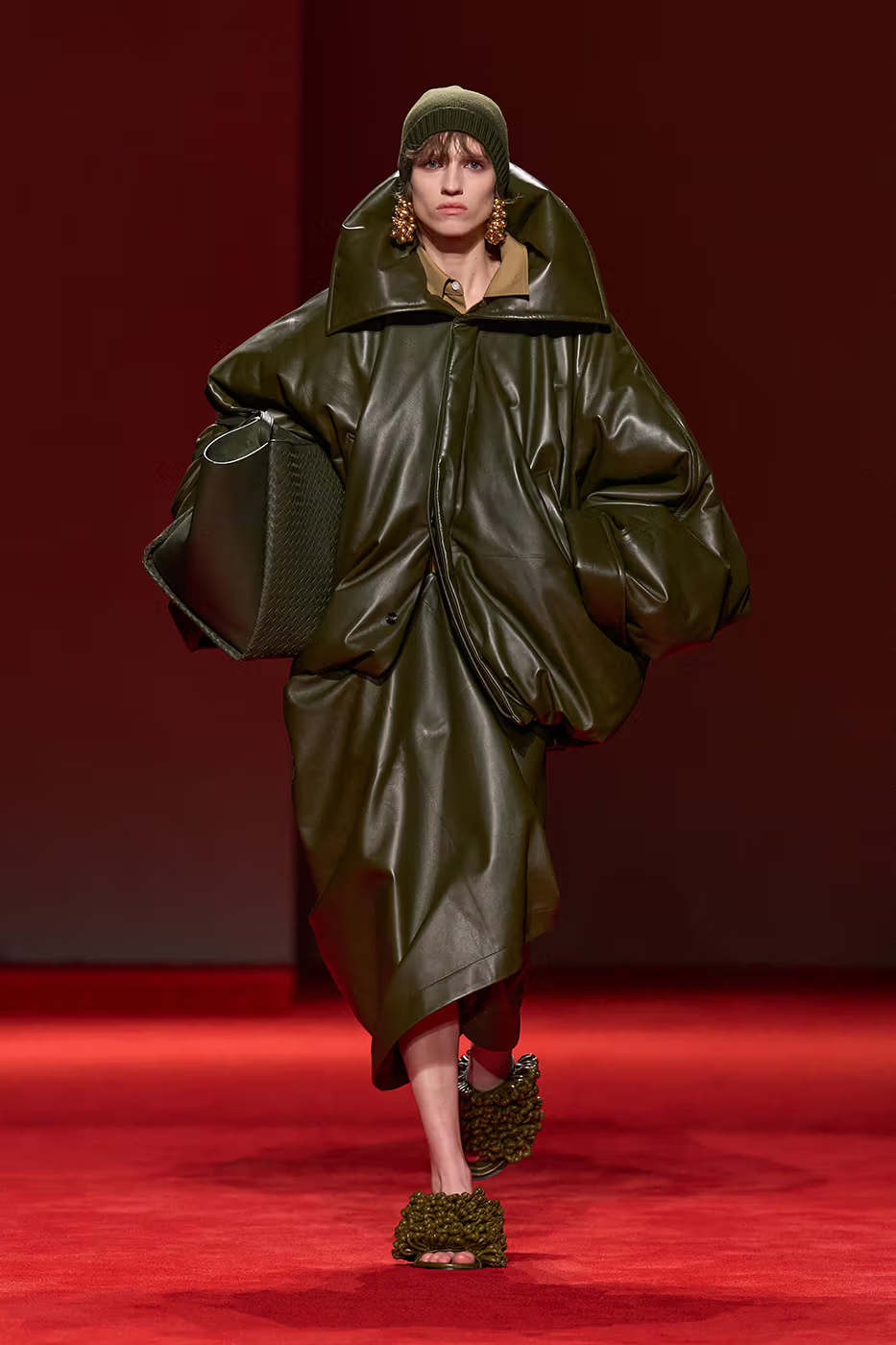
Halfway through the show the materials changed. If the opening felt like concrete, the second act became a tactile experiment. Fiberglass, introduced in Trotter’s debut, returned in evolved interpretations. Recycled and shaped, it appeared in flowing skirts and dramatic outerwear that moved surprisingly smoothly. Industrial in nature, the material was transformed into something intimate.
Then came a flash of crimson, shimmering under the lights and warming the subdued palette. Silk thread minidresses were manipulated to mimic the soft surface of sheepskin, creating a deliberate contradiction: softness achieved through technical precision.
Importantly, the tension between severity and seduction never felt forced. Instead, it reflected the complexity of modern femininity, a power that does not cancel out tenderness, but coexists with it.
Outerwear as armor
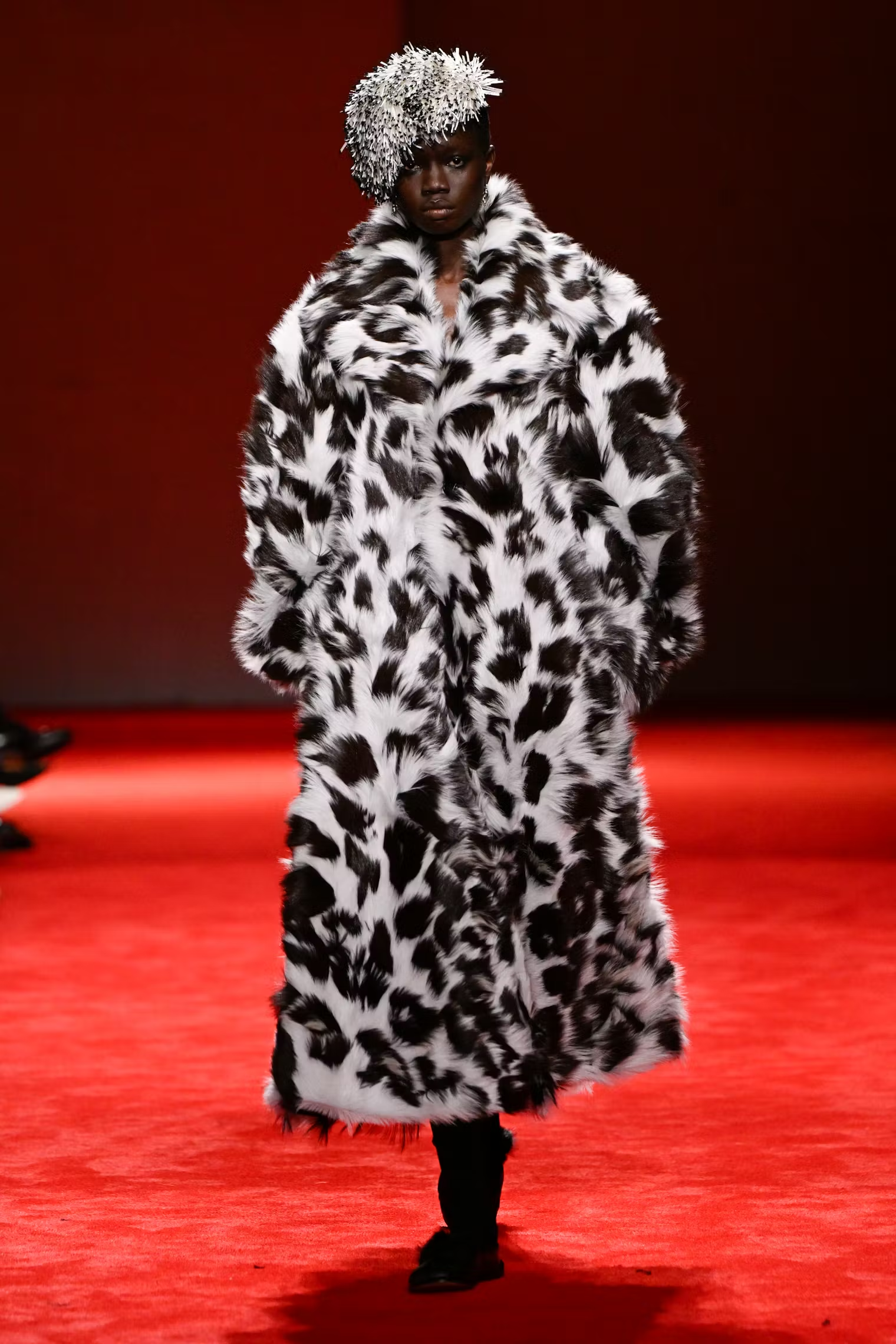
If there was a defining moment, it was because of the jackets.
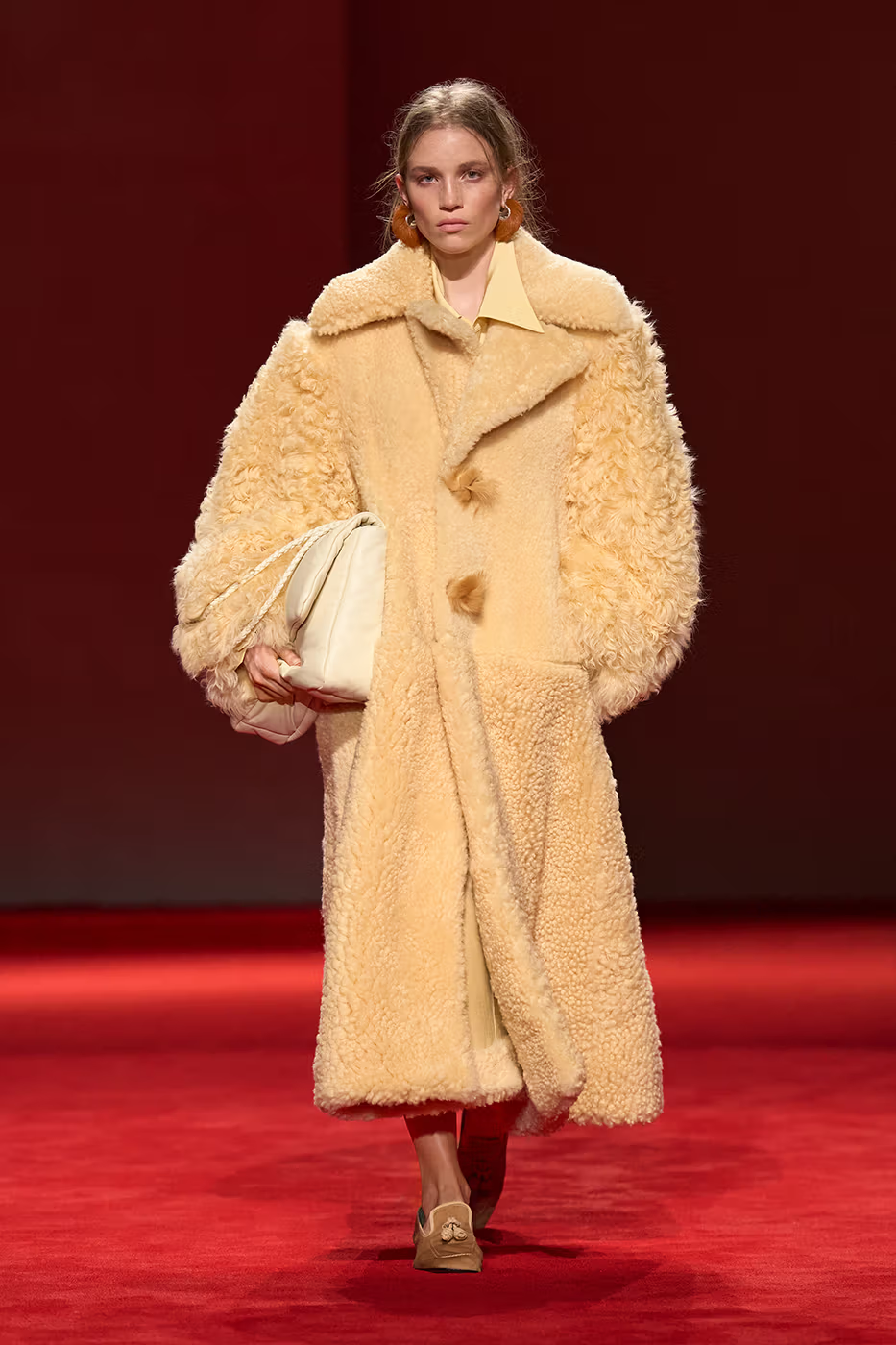
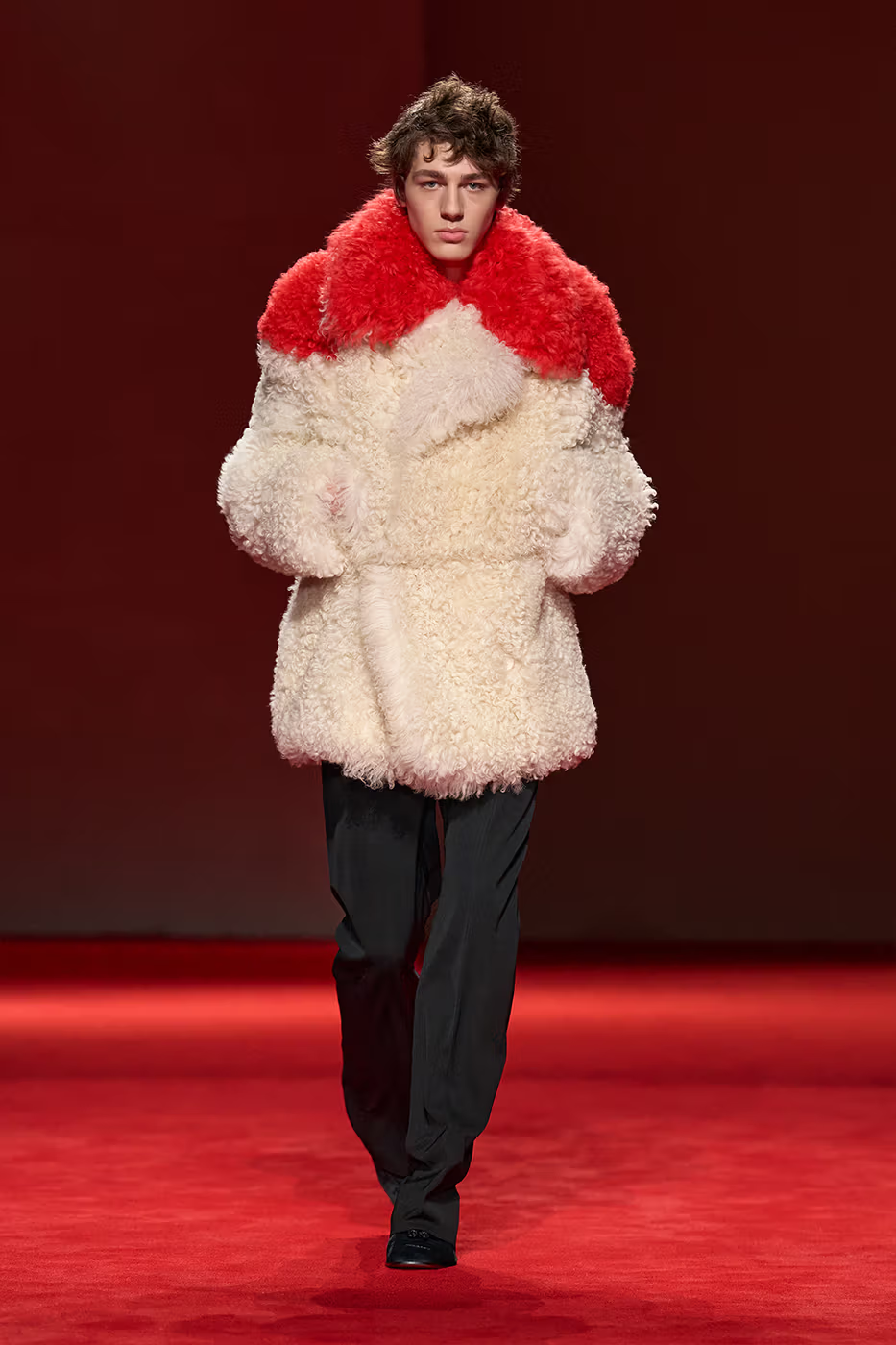
One after another, statement outerwear pieces dominated the room. A brushed sheepskin coat, styled to resemble fox fur, evoked cinematic eccentricity and evoked images of Margot Tenenbaum in her vintage glamour. Another black and white fiberglass creation felt theatrical, almost malevolent in its boldness, a nod to Cruella de Vil without the threat.
Some pieces drew inevitable comparisons with Nick Caves Celebrated Soundsuits: Textured protective garments that blur vulnerability and armor. Like Cave’s work, Trotter’s jackets felt less like simple outerwear and more like emotional exoskeletons. They suggested that clothing can be both a shield and a statement, a barrier against the world and a broadcast of identity.
More than power dressing
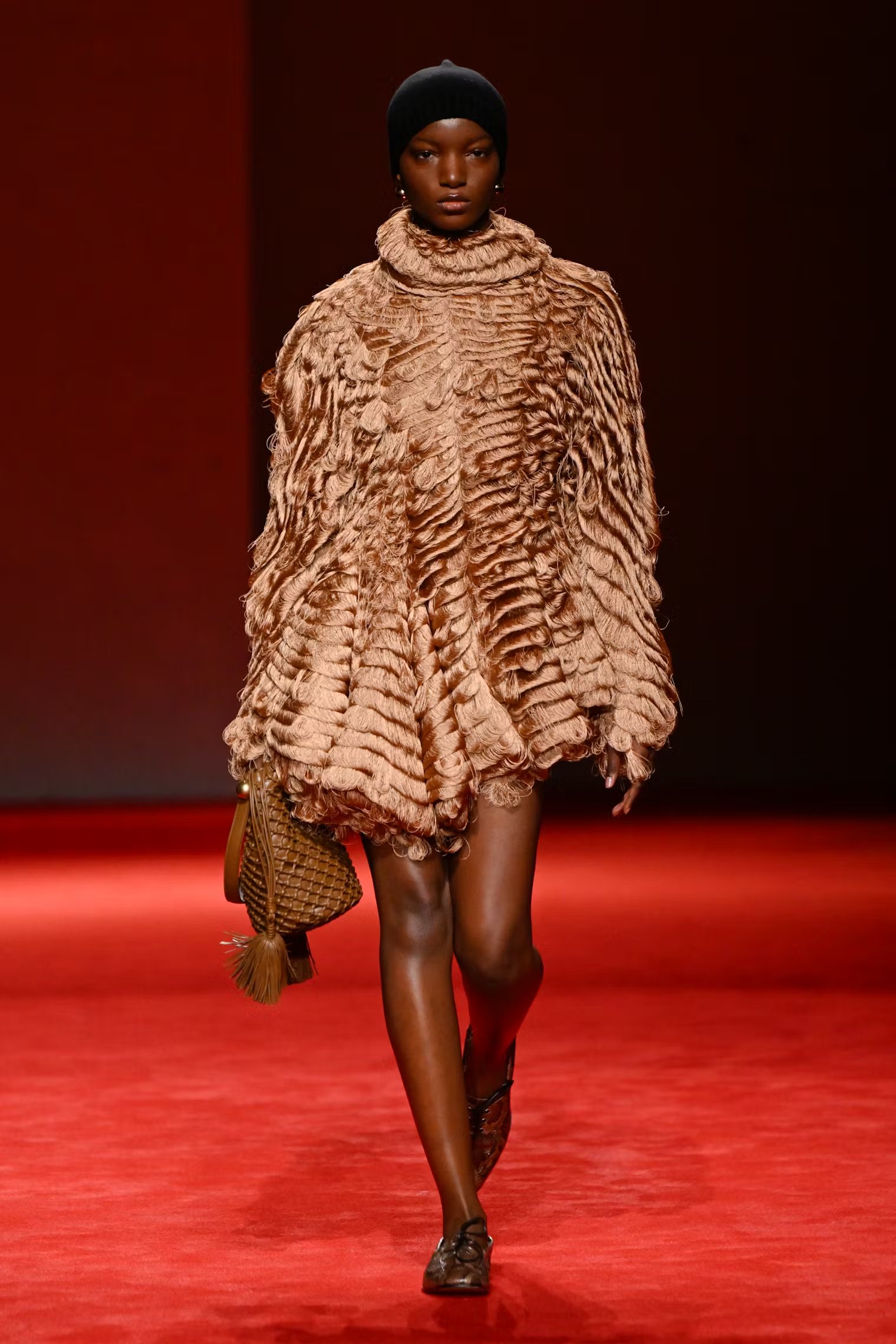
What makes this collection resonate is its refusal to rely on nostalgia. While fashion often looks to the past for shorthand references to strength, the shoulder pads of the ’80s and the minimalism of the ’90s, Trotter’s vision feels contemporary. This isn’t about dressing like men to gain respect. It’s about taking up space unapologetically.
The exaggerated hips and sculpted torsos were not costumes. It was an empowerment, a recognition that power can be distinctly feminine, without compromise. And that distinction is important.
Craft as collective energy
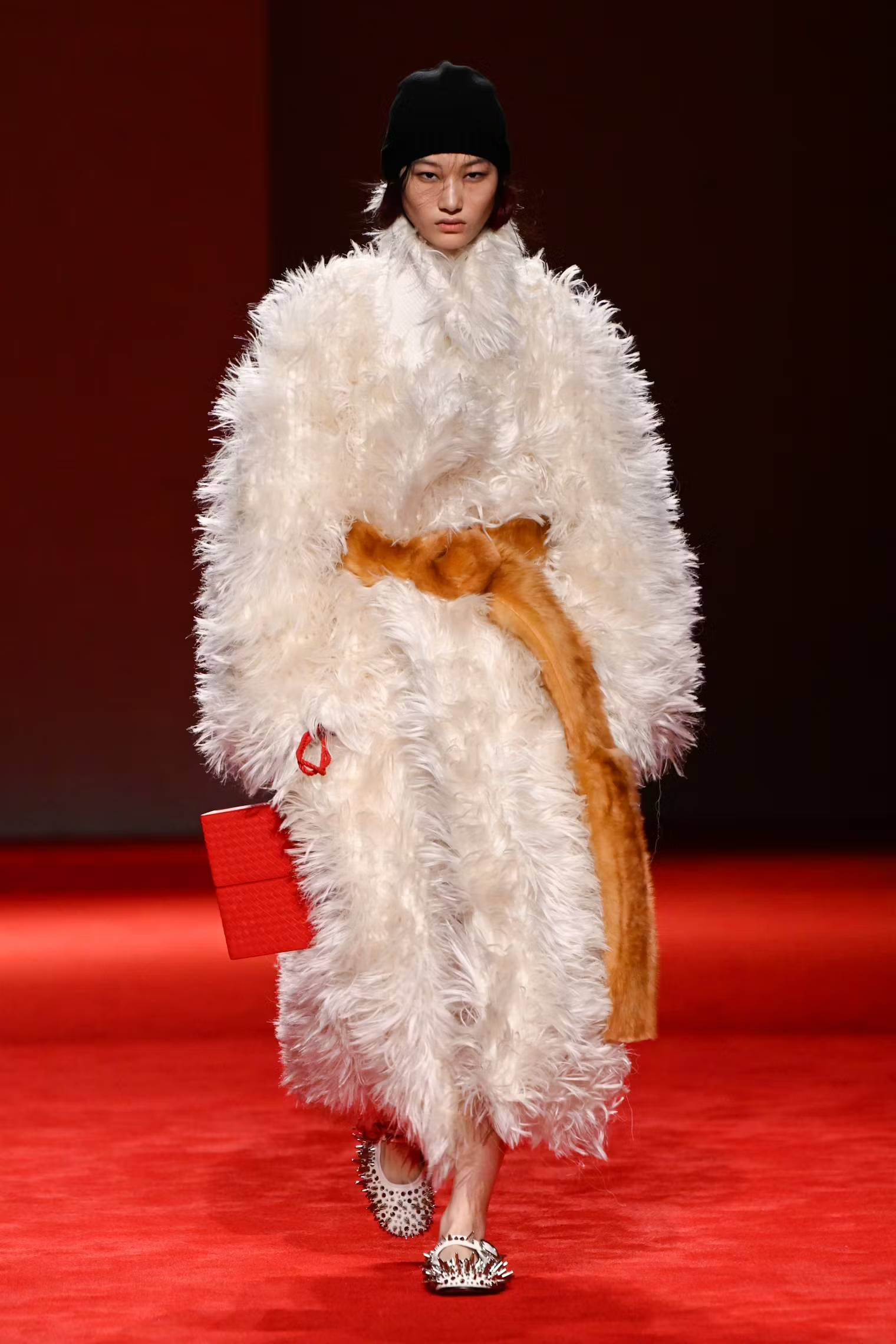
In a statement after the show, the Bottega team described the collection as “dedicated to the expression of the collective: the wonderful collaboration between the heart, the mind and the hand.” That ethos was evident in every detail. From the intricate weaving of leather to the engineering behind fiberglass shapes, the collection balanced technical mastery with emotional resonance.
At a time when fashion houses are practicing economic caution and creative recalibration, Trotter’s Fall 2026 offering was confident in its stance. It wasn’t looking for spectacle for virality. It built a story: one jacket, one silhouette at a time.
In Milan, amid brutalist settings and centuries-old craftsmanship, Bottega Veneta delivered a collection that understood something fundamental: power is not a costume you borrow. It is a structure that you build carefully, deliberately and from within.
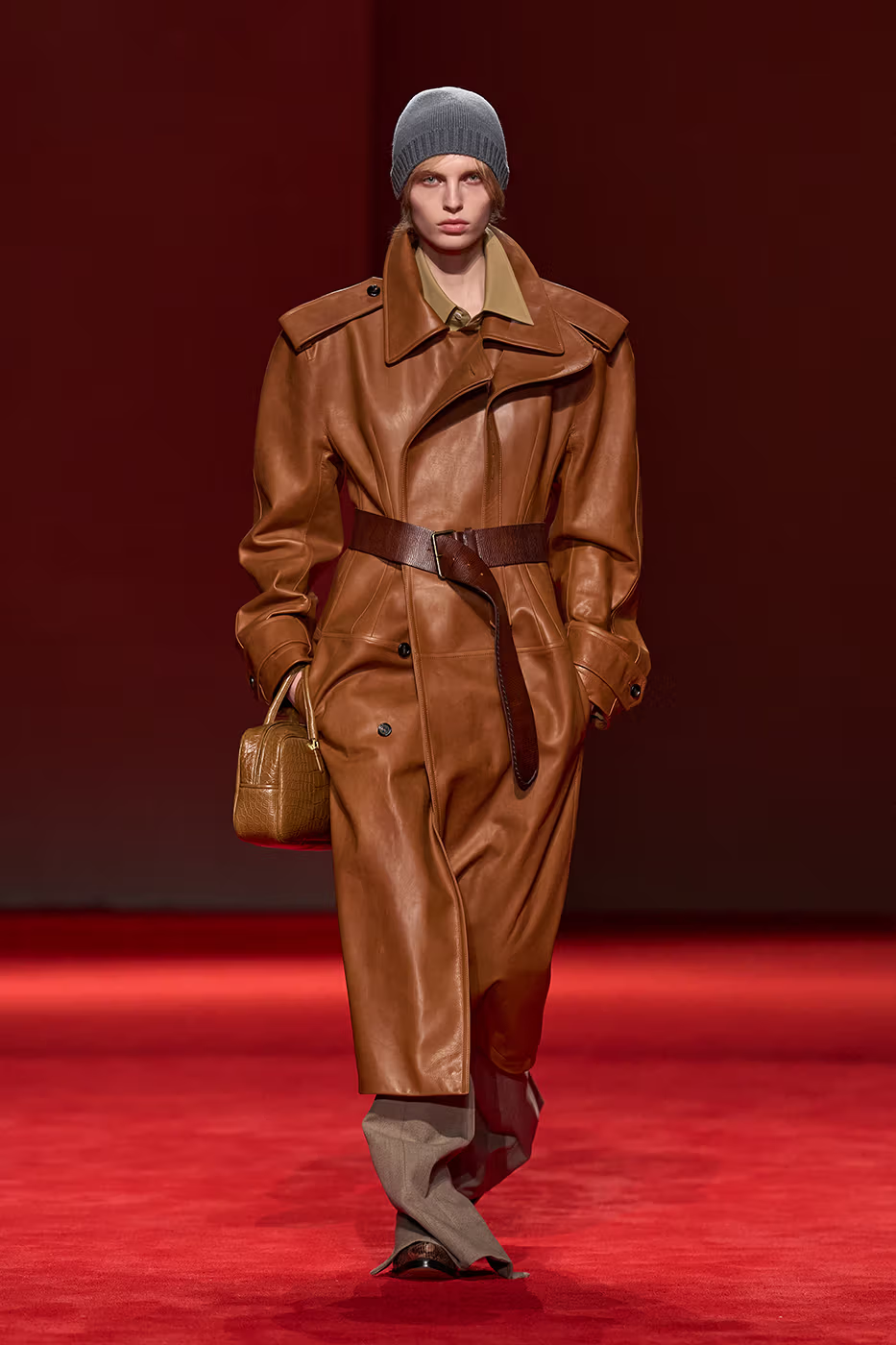
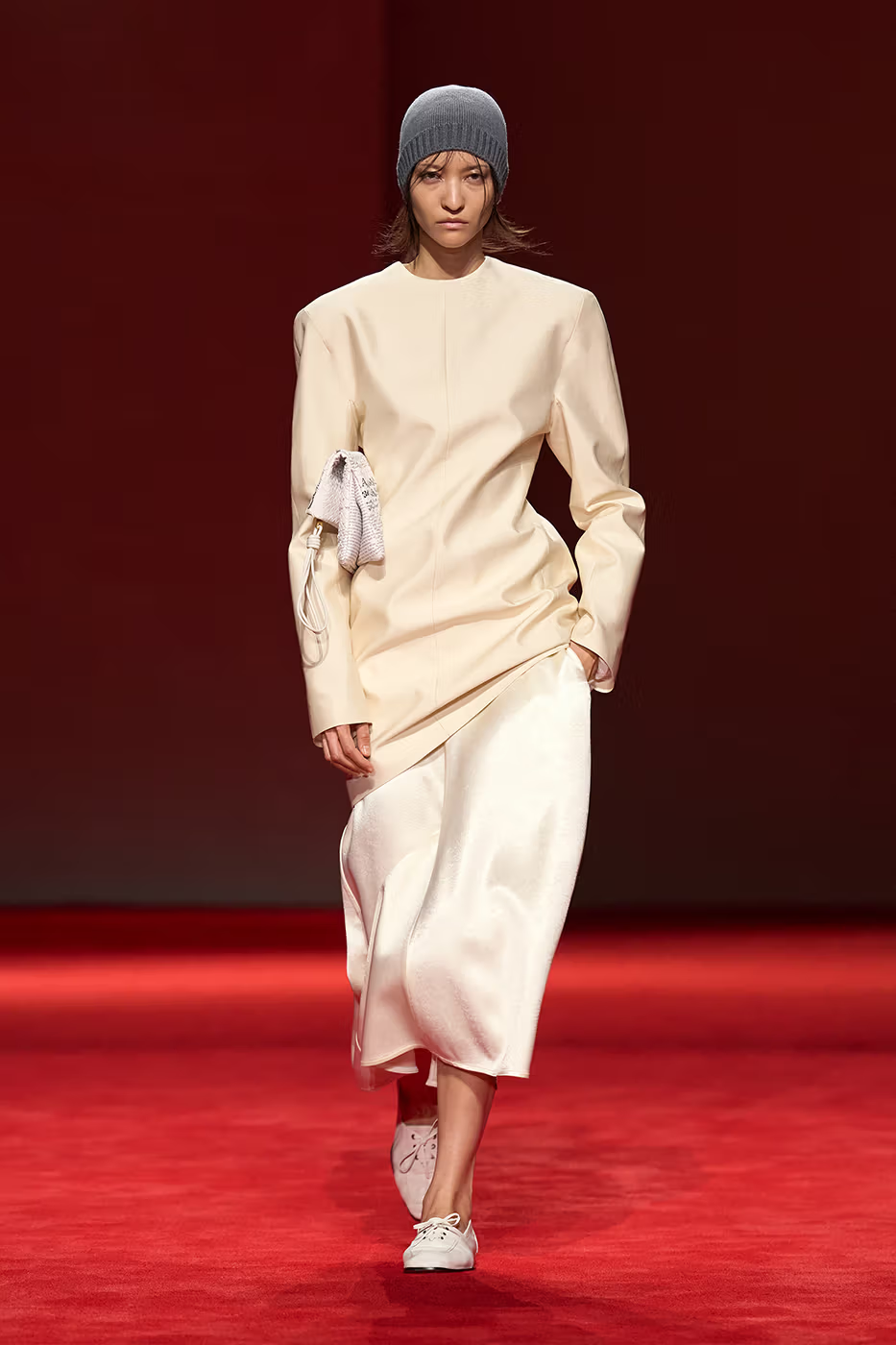
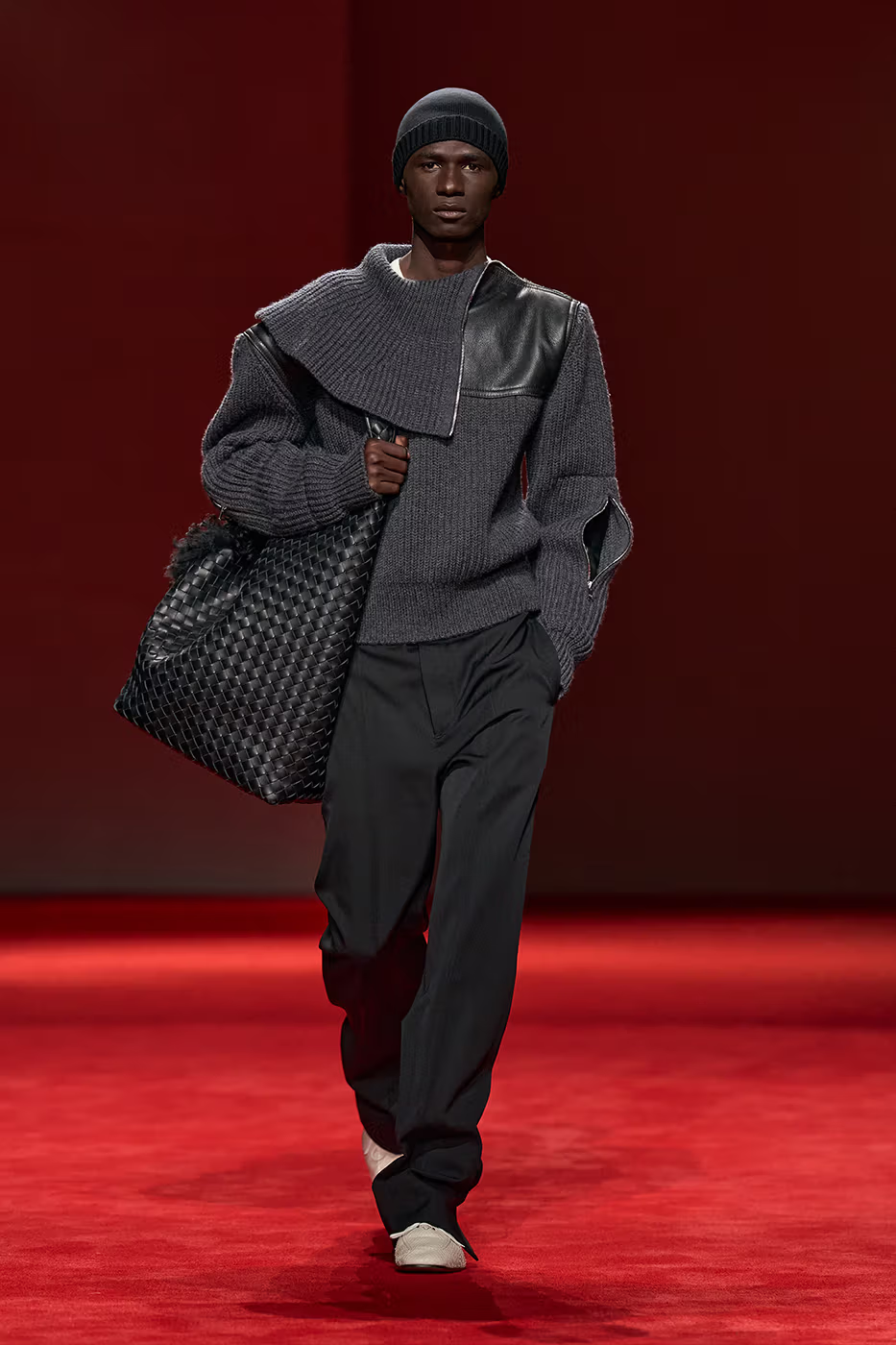
See more looks from the Bottega Veneta Fall 2026 runway
.
Jacob Elordi’s Bottega Veneta Campana bag is the definition of quiet luxury