


The morning humidity builds and one look in the mirror tells the story: curls that looked perfect the night before now look stretched, frizzy or uneven. It often leads to the familiar question of what really keeps natural texture defined, from wash day through the rest of the week. For many women who embrace their curls, building a consistent curly hair routine becomes the turning point between unpredictable styling and reliable definition, especially as more people look for daily maintenance tips, curl type guidance, and realistic solutions that protect natural patterns rather than suppress them.
Because curls respond directly to moisture levels, product layer and styling habits, understanding how each step affects shape and elasticity can transform routine care into a system that supports resilience, shine and long-lasting hair health. Caring for natural curls requires patience, observation and a willingness to adapt as the hair changes. When routines work with the texture instead of against it, curls become easier to manage and much bouncier.
Understanding natural curl types before building your routine
Before you reach for products, understanding curl patterns helps you make smarter decisions. Natural curls range from loose waves to tight curls, usually categorized from 2A to 4C. For example, many people ask about 2C curls, which fall between wavy and curly and form defined S-shapes that respond well to lightweight creams and gels. In contrast, tighter coils and curls often require richer moisture and stronger hold, as natural oils have difficulty penetrating the hair shaft.
Once the curl type becomes apparent, it’s easier to shape a curly hair routine that supports the hair structure instead of fighting it. Instead of comparing curls to straight hair standards, the focus shifts to hydration, definition and protection.
The right order for a healthy curly hair routine
One of the most common questions about curl care concerns the sequence. Although routines vary, following a consistent sequence helps reduce breakage and maintain definition.
- Gentle cleaning: Curly hair benefits from sulfate-free shampoos or co-washing conditioners that remove buildup without stripping moisture. Washing too often can cause dryness, while skipping cleansing altogether can flatten curls and irritate the scalp.
- Deep conditioning and detangling: After cleansing, conditioners with ingredients such as shea butter, aloe vera and glycerin soften strands and improve manageability. Detangling with fingers or wide-toothed combs minimizes tension and maintains curl shape.
- Leave-in moisture: A leave-in conditioner provides slip and hydration, prepares the curls for styling and reduces frizz throughout the week.
- Styling for definition: Creams improve softness, while gels provide firmness. Applying products to damp hair using techniques such as rake-and-shake or scrunching stimulates natural curl formation.
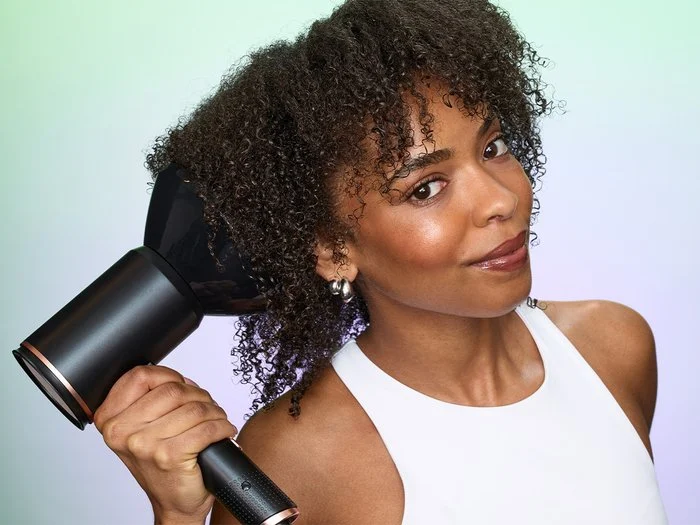
- Drying and hardening: Air drying or diffusing with low heat protects curl integrity. Once dry, breaking the cast with a lightweight oil restores movement without sacrificing definition.
Shop editor edit
Daily habits that support healthy natural curls
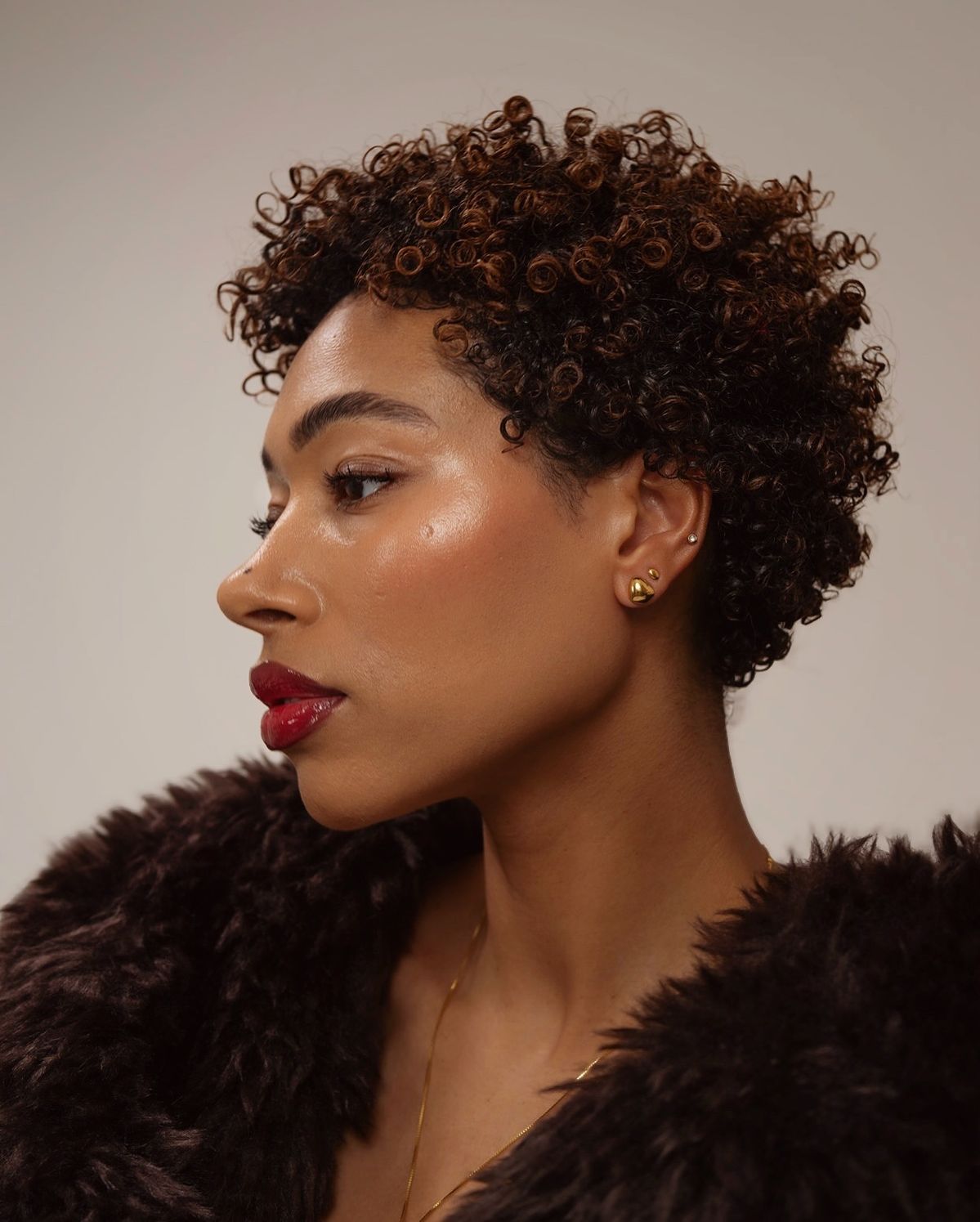
Consistency is more important than occasional treatments. Many people wonder whether it is useful to wet curly hair every day. Lightly refreshing with water or a conditioning spray can revive curls, although daily shampooing often leads to dryness.
Protective habits, such as sleeping on satin pillowcases, wearing silk bonnets and avoiding rough drying of towels, reduce friction and breakage. Regular trims prevent split ends from disrupting curl patterns, supporting fuller shapes over time. Together, these habits strengthen a curly hair routine without adding unnecessary stress.
Common mistakes with curly hair that hold back curls
Even with good intentions, certain habits can limit curl potential. Brushing dry curls often causes frizz and breakage, because textured hair needs moisture to maintain its structure. Overloading products can weigh down curls, while heavy oils can reduce volume in finer textures.
Skipping deep conditioning is another common mistake. Without consistent moisture, curls lose their elasticity and become more difficult to style. Excessive heat styling also weakens curl patterns over time, making restraint an important part of long-term curl care.
Ingredients and treatments that can cause loss of curl definition
While many products promise smoother strands or easier styling, certain ingredients and treatments can gradually loosen natural curl patterns if used too often or without the right balance. Keratin heavy treatmentsFor example, brush the hair shaft to reduce frizz, but repeated use can weigh down curls or relax their natural structure, especially with finer textures. Likewise, permanent straightening solutions alter the internal bonds that cause curl formation, which can lead to long-term pattern changes.
Additionally, heavy waxes and water-insoluble silicones can cause a buildup that prevents curls from returning to shape, leaving hair looking stretched instead of defined. Excessive protein without sufficient moisture can also make curls stiff and prone to breakage, often causing loss of natural bounce. Because curls rely on elasticity to maintain structure, maintaining a balance between strengthening ingredients and hydration becomes essential for maintaining natural texture within any curly hair routine.
How to help curls bounce back after heat styling or flat ironing
Heat styling and occasional straightening don’t automatically remove the curl patterns, but recovery requires patience and focused care. After exposure to high temperatures, deep conditioning treatments rich in humectants such as aloe vera and glycerin help restore moisture levels that support elasticity. Using protein masks in moderation strengthens weakened strands and allows curls to regain their original shape over time.
Equally important, limiting additional heat during the recovery phase allows the hair’s internal bonds to stabilize. Low-maintenance styles, such as twist-outs, braid-outs and flexi-rod sets, encourage curls to reform naturally while minimizing tension. Trimming heat-damaged ends can also improve overall curl definition, as split ends disrupt pattern consistency.
As curls begin to recover, a balanced curly hair routine built around hydration, light styling creams and low manipulation techniques encourages bounce to return gradually rather than forcing immediate results. With consistent care and protective habits, many natural curl patterns regain strength, definition and movement, even after periods of frequent straightening.
A simple daily routine for curly hair for natural texture

For those looking for a realistic, everyday approach, simplicity works best. Refresh curls in the morning with a light mist or leave-in spray, followed by gentle scrunching. Co-washing throughout the week maintains hydration, while weekly deep conditioning restores softness. At night, satin scarves or pillowcases protect the curls from friction and frizz.
Because curls respond to climate, hormones and styling habits, consistency is more important than perfection. Over time, a personalized curly hair routine evolves into a system that supports natural texture while offering flexibility for different styling preferences.
Choosing the right products for naturally curly hair
Curls thrive on hydration but struggle with heavy build-up, making product texture particularly important. Foaming or foaming shampoos gently cleanse, while cream-based products provide extra moisture for dry or tightly coiled hair.
Lightweight leave-ins suit finer curls, while richer creams and butters promote thicker textures. Oils like argan, jojoba and avocado retain moisture when used sparingly. Ingredients such as aloe vera and glycerin provide hydration and support elasticity and resilience.
Mousses add volume for looser curls, while custards and butters enhance definition for denser textures. Used thoughtfully, each product plays a role within a balanced curly hair routine.
Finds from the store editor
Conclusion
Caring for natural curls requires patience, observation and flexibility. By understanding curl types, choosing products that suit textural needs, avoiding ingredients that weaken elasticity and practicing gentle styling habits, women can maintain bounce, definition and long-lasting hair health. With a curly hair routine rooted in hydration and balance, natural texture becomes easier to manage, more predictable to style, and much more fun to wear every day.
Featured image: FELIPE COSTA via @erikajanuza/Instagram
—Read also
Why choosing the right shampoo is important for smooth, daily hair care