


For a brand built on sport, FILA’s latest foray into high fashion felt more like choreography than a typical runway show. During Milan Fashion Week Fall/Winter 2026, the Italian-Korean heritage label descended on the city that helped define modern tailoring, delivering a collection that combined athletic DNA with Milanese sophistication, while nodding to more than a century of design history.
Under the creative direction of Alistair CarrFILA has been consciously recontextualizing its heritage codes beyond tracksuits and tennis whites. And for FW26, that evolution resulted in a clear statement: sport is style; movement is culture; color is attitude.
A collection rooted in movement
This season’s presentation did not take place in a corner tent or gallery space; it took place amid glowing pillars that echoed the urban rhythm of Milan itself. The setting was a conscious nod to an industrial yet light environment where light and silhouette were equally important.
FILA’s sporting design language – long associated with field and athletics – was translated into garments that spoke to the city’s daily pace. Sharp bombers, shirt jackets, waterproof trousers and lightweight knits were matched and layered to create functional outfits that looked as ready for a brisk stroll through Porta Nuova as they would in an airport lounge.
There was a sense of purpose in the construction: pieces designed for movement, cut for versatility and finished with a refined eye.
FILA’s heritage, reinvented
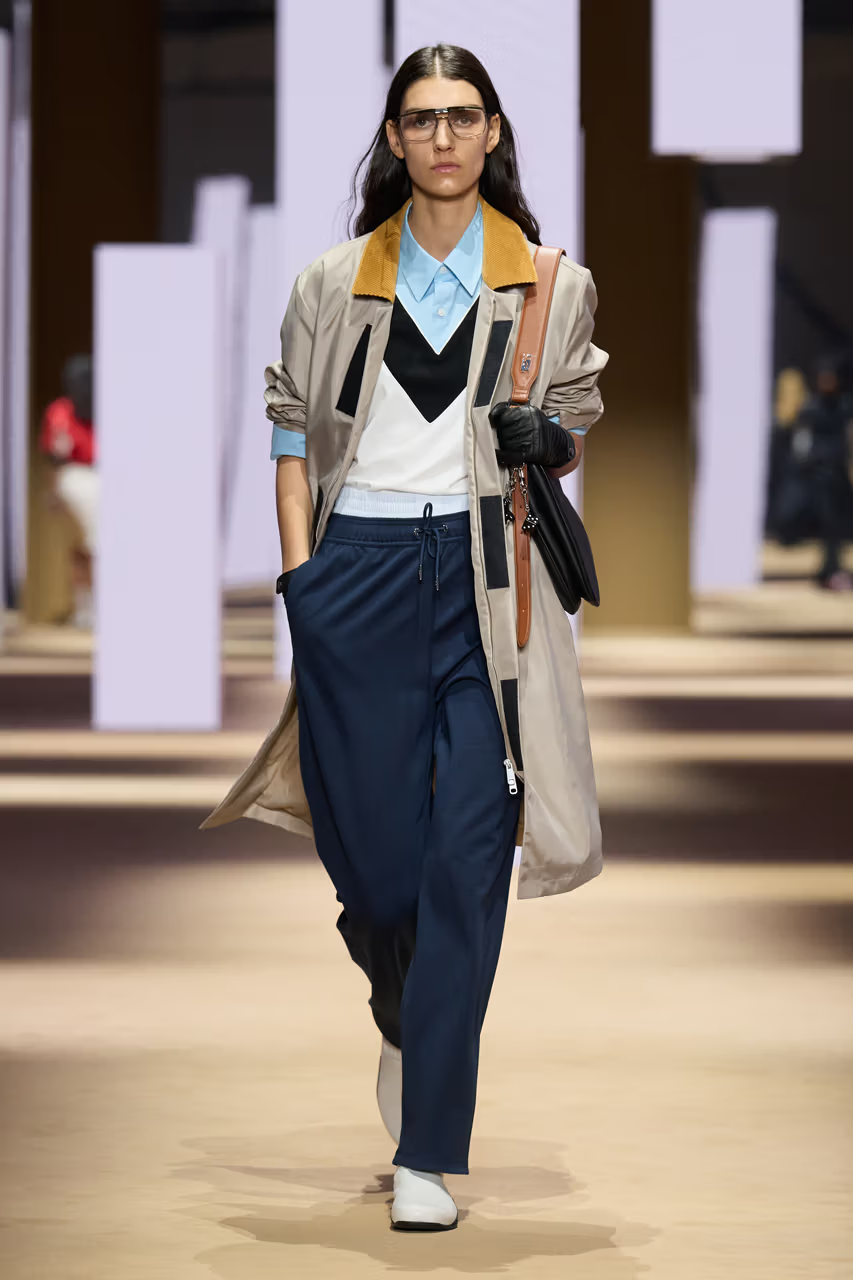
2026 marks FILA’s 115th anniversary, a milestone the brand wanted to celebrate with design rather than nostalgia. Rather than reusing old logos and archival icons, the collection has breathed new life into the FILA MILANO line. This sub-label historically blended the house’s athletic roots with Italian craftsmanship and urban luxury.
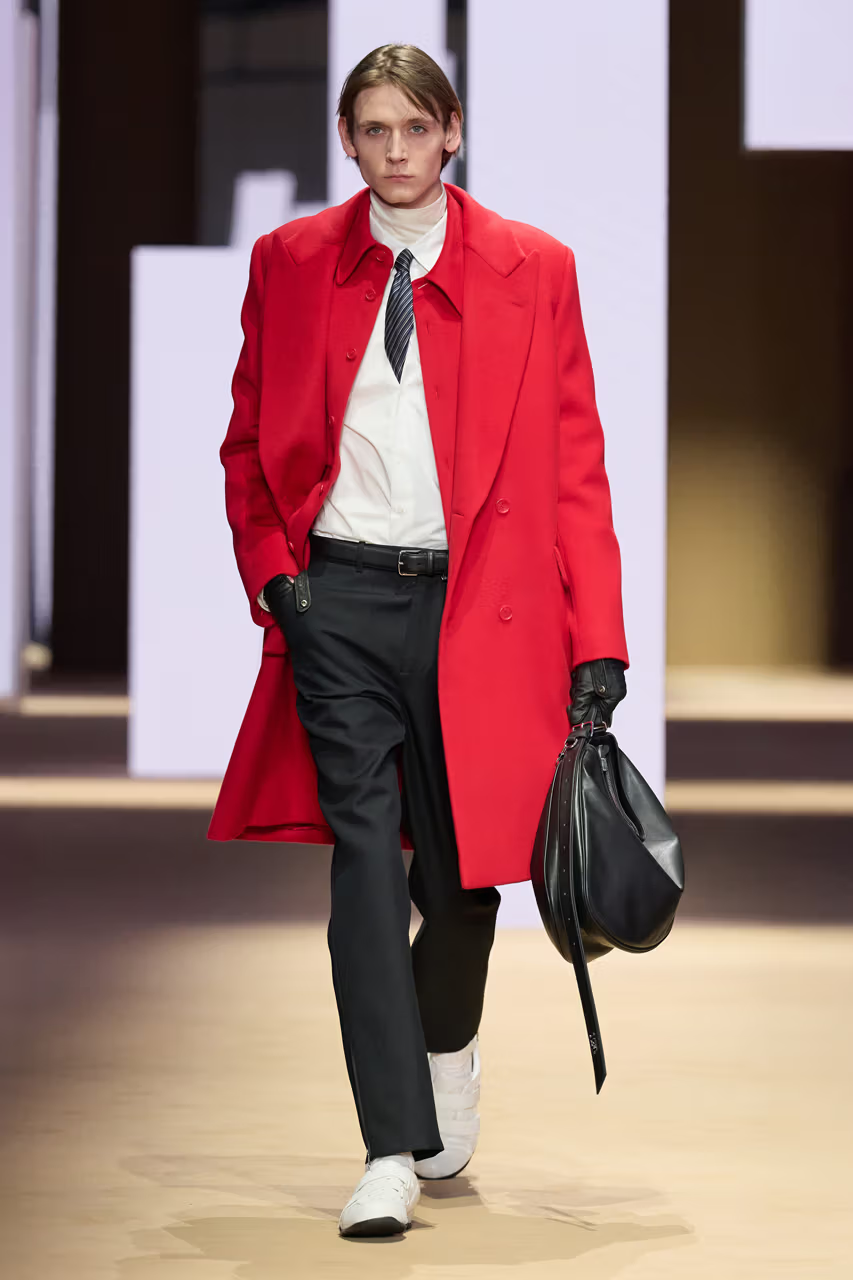
Signature pieces stood out: zip-up track jackets and blousons came with wide nylon inserts that felt both functional and sculptural. Polo tops, another home staple, were reinvented in cropped versions and bold color-block styles. These structural experiments were reflected throughout the collection, with vibrant blues, reds and whites – colors with deep FILA heritage – washing over prettier silhouettes that flirted with tailoring.
Sporty shorts and skirts were given alternate drapes and disproportionate hems, challenging expectations and leaning on a playful sense of proportion.
Footwear: an experimental attitude
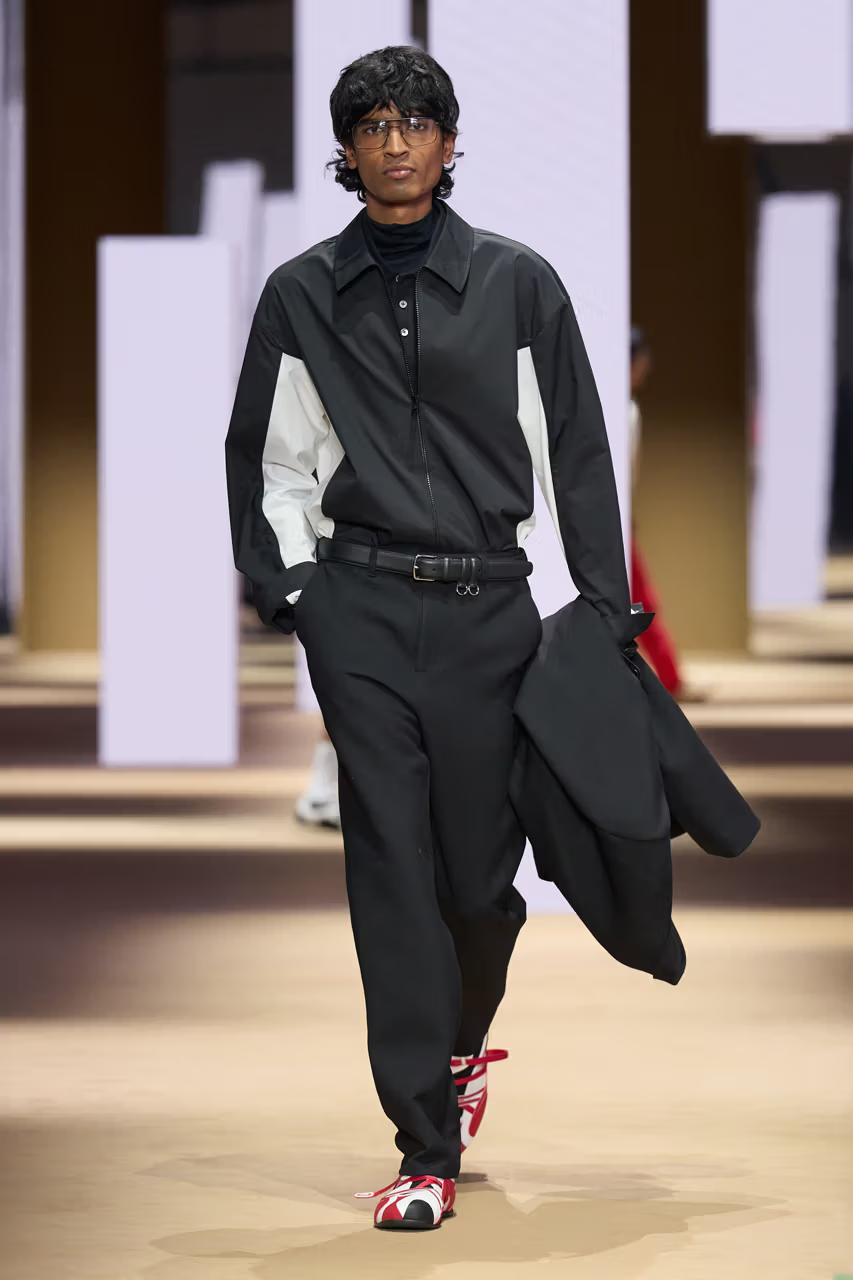
While FILA has primarily showcased apparel on the runway, FW26 also highlighted a growing footwear direction that drew inspiration from both performance and personality.
In the men’s line, low-profile sneakers adapted classic tennis shapes with unexpected details: Velcro closures replacing traditional laces and neutral tones that felt urban rather than athletic. These weren’t just sports equipment; they were city shoes with a quiet pedigree.
Fitted leather boots emerged for women, a hybrid of fashion and functionality. Towering just below knee height, with rugged soles and clean lines, these boots nod to motorcycle culture without sacrificing sophistication.
Additional accessories included riding gloves, aviator glasses and structured bags – details that connected the collection to a broader vision of modern Milanese style.
FILA FW26 uses color as a statement
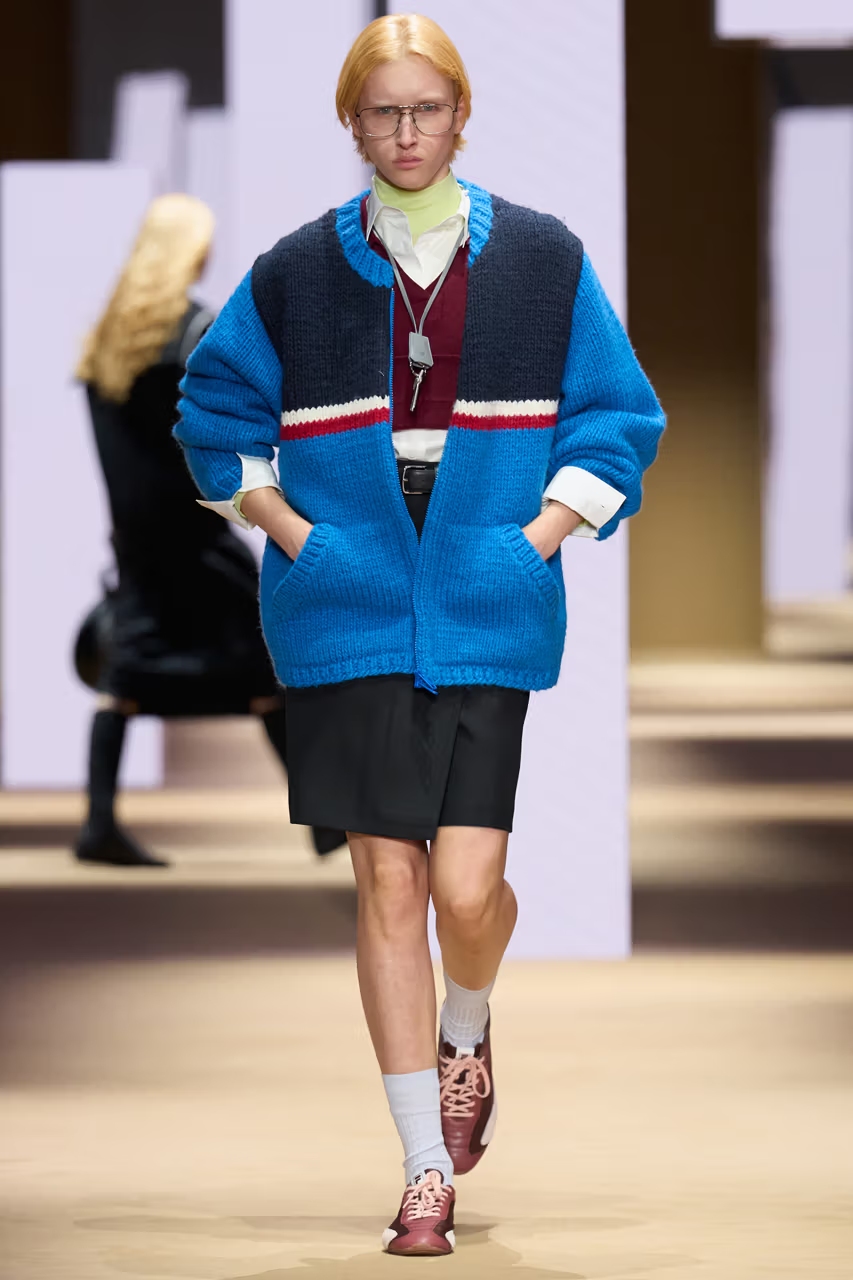
What tied the FILA FW26 collection together was color – not just as a palette, but as an identity.
FILA’s signature three-color motif of blue, red and white was everywhere, but never repetitive. It appeared in bold blocks on polos and knits, as piping on technical jackets and in graphic overlays on trousers. At times it felt like a heritage flag; in others it became an urban camouflage in motion.
It reminded us that color at FILA is not about loudness, but about identity, visibility and legacy.
Balance between sport and style
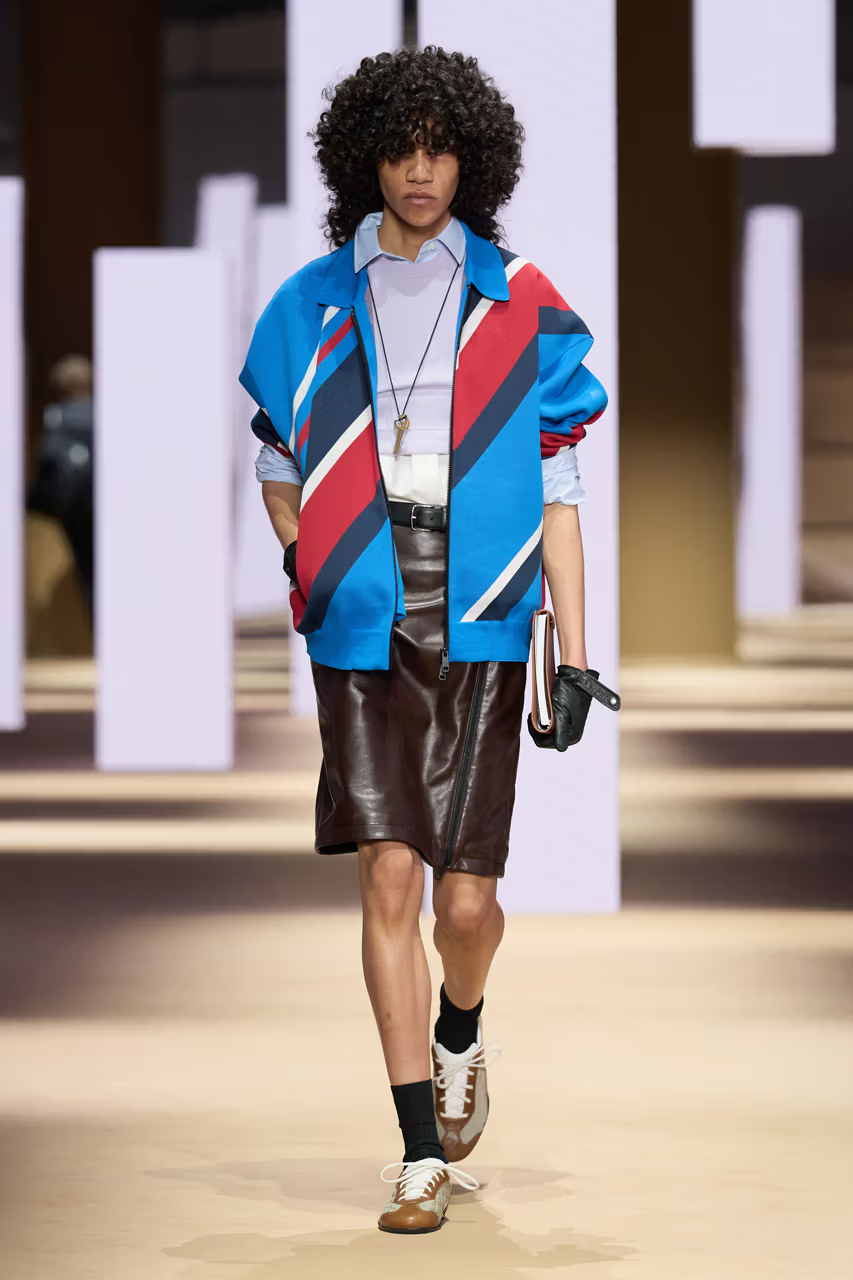
The blending of sport and tailored shapes has become a dominant theme in fashion’s current moment, but FILA’s execution felt purposeful rather than reactive. What sets this collection apart is not only its credentials – equipping athletes for the 2026 Winter Olympics – but also the way the collection chooses to reinterpret basic athletic elements for a world that moves between field, commute, studio and street without missing a beat.
The elevated bomber might be able to get you through a Milanese drizzle. The waterproof trousers might as well appear during a café stroll. And those leather boots? They are as much about attitude as they are about utility.
In a way, the collection feels like a case study in kinetic clothing: clothing that lives in context, responds to the pace and is rooted in the rituals of a city that values both tradition and trend.
Street cred meets craft
The Milanese impetus behind the show was clear: FILA not only borrowed from the city’s sartorial heritage, but engaged with it.
In contrast to purely fashion house presentations that rely heavily on spectacle, FW26 felt grounded. There were no contrived stories or theater. Instead, the collection presented clothes that were as much at home on the streets of Brera and Navigli as they were under the catwalk lights.
It was a reminder that Milanese style is not just about tailoring or minimalism, but about rhythm, versatility and lived experience.
ANTA Sports is buying a $1.8 billion stake in PUMA to become its largest shareholder