


No one buys a pair of Air Jordans because they need shoes. No one buys a Loro Piana cashmere sweater because they are cold. And no one is lining up for a Supreme drop because they’re out of T-shirts. These transactions are not about the product. They are about what the product means: the identity it conveys, the community it provides access to, and the feeling it creates for the person who owns it.
When people buy products, they are often more focused on how those products make them feel and what they add to their lives. In addition to the product itself, they buy a feeling, an ambition and an emotion. The fashion brands that understand this most clearly don’t just sell better clothes. They sell better versions of who their customers want to be.
This is not a new idea, but in 2026 it has become the defining commercial strategy that differentiates between the brands that are growing and those that are struggling. Success in fashion is no longer just about design excellence. It’s about storytelling, distribution intelligence and community ownership. The product is still the access point. But the relationship the product creates and the world it invites the buyer into are the real assets being built. McKinsey & Company The State of Fashion 2026 report found that being part of a like-minded brand community can create stronger customer loyalty than influencer marketing alone. The brands that win in 2026 will have figured out how to build that community first and sell to it second.
Lifestyle marketing: What this actually looks like
The shift from product marketing to lifestyle marketing is visible at all levels of the fashion industry. Apple is often cited as one of the most successful lifestyle brands. Although it mainly sells technology, it promotes a sleek, modern way of life. The products create a community of loyal users who see Apple as part of their identity. The same logic now works in fashion and at every price level.
Activewear brands organize matcha-and-exercise mornings. Swimwear brands organize poolside gatherings. Companies create exclusive, limited-edition products that are only available to attendees of their events. Branded bags, signature drinks and beautifully designed prints become souvenirs rather than simple merchandise. These are not just any events. They are experiences that make people feel like they belong somewhere. The product sold on the day is almost secondary. The loyalty generated is the real goal.
Lululemon doesn’t just sell activewear. It sells a health-conscious, community-oriented identity that activewear happens to express. Nike’s iconic “Just Do It” slogan was never really about shoes. It is a value proposition focused on ambition, perseverance and performance. The shoe is simply the way that ambition is carried.
The role of storytelling and community
Marketing without identity creates noise, not demand. A strong identity reduces acquisition costs because customers immediately understand who the brand is for. The brands that invest the most in storytelling are often the ones that build the greatest loyalty.
Ralph Lauren has spent more than five decades building an aspirational American lifestyle based on old money aesthetics, equestrian culture and Ivy League convenience. The clothing itself is often relatively simple. The world they represent is not.
Resale culture also forces brands to think beyond the initial transaction. Brands are increasingly exploring ways to keep customers connected to their ecosystems, rather than losing these relationships to third-party resale platforms. This is lifestyle marketing applied to the secondary market.
If a brand’s story is compelling enough, customers will want to stick with that story, even when purchasing second-hand items. They don’t just buy an item of clothing. They maintain a connection with the world that the garment represents.
Celebrity integration has significantly accelerated this dynamic. When Zendaya nominated Louis Vuitton, Loewe, Lacoste and other brands for the 2024 promotional tour Challengersthe conversation wasn’t just about the clothes. It was about the identity she was building: the tennis-inspired aesthetic, the competitive energy and the precision of the era she was channeling. The fashion brands did not just sponsor outfits. They co-authored an identity narrative on a global scale.
Why this shift is permanent
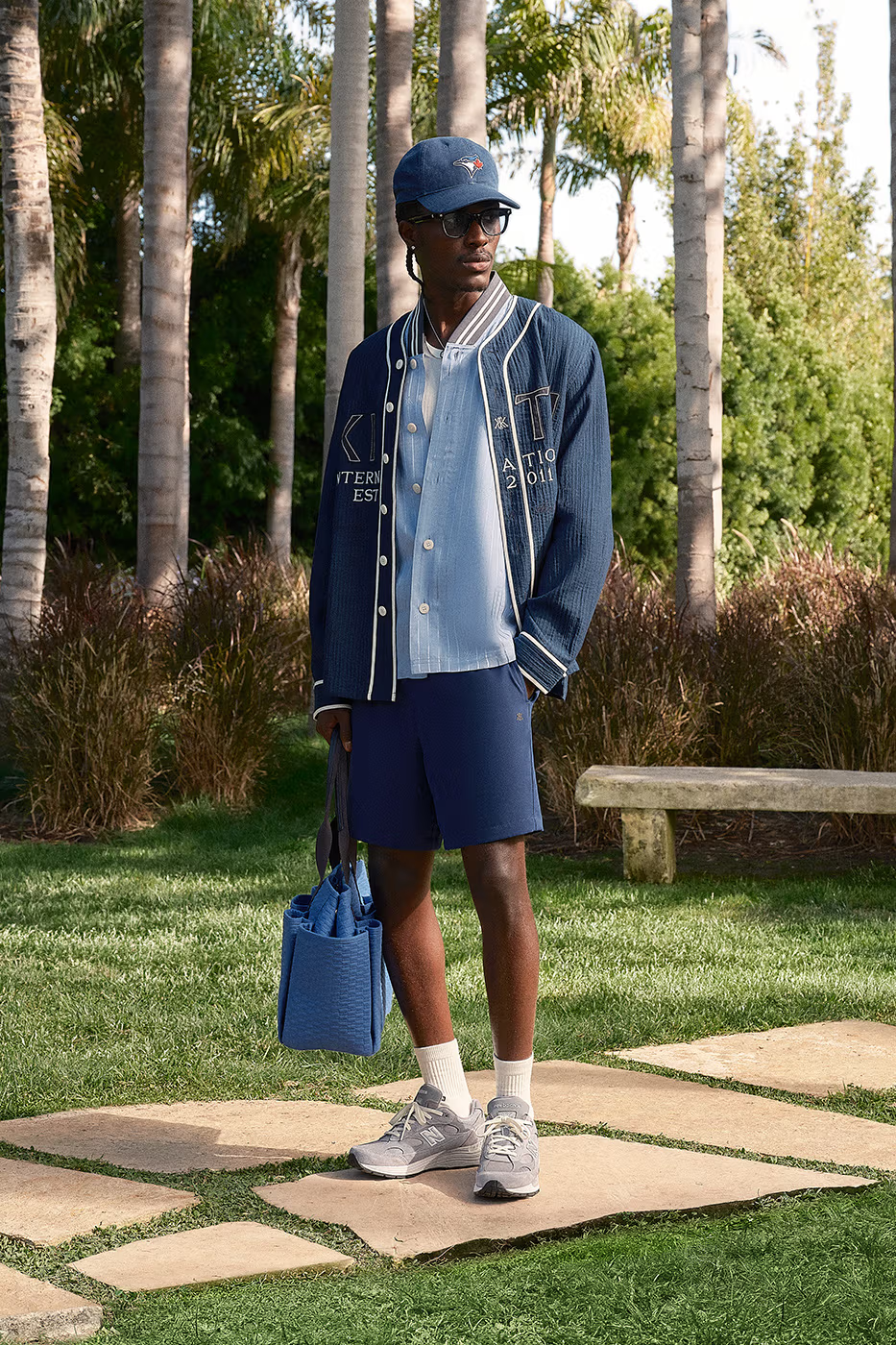
McKinsey’s State of Fashion 2026 report identified customer retention as the industry’s most important theme this year. Existing customers represent the highest priority revenue opportunities because they already trust the brand and have already invested in what it stands for. That trust is built through consistent identity expression, not just product innovation.
The brands that will dominate the next decade of fashion won’t necessarily be the ones making the best clothes. They are the ones who build the most coherent, immersive, and truly lived-in worlds for customers to belong to. The product is the card. The lifestyle is the destination.
By 2026, the most commercially successful fashion brands will have stopped selling clothes to consumers. They sell them somewhere where they belong.
Featured image: Steven Meisel for Versace
Subscribe
Never miss the latest again. Subscribe now