


Weddings have always reflected their moment in history. Today, however, they are speaking the language of personal style louder than ever. For modern couples, the wedding is no longer about checking off traditional boxes or following a script inherited from generations. Instead, it has evolved into a fully composite expression of identity, taste and aesthetic vision.
Weddings are becoming less about commitment and more about intention. Couples ask different questions. Not: “What should we do?” but rather, “How does it feel to us?” That subtle shift has transformed weddings into fashion-driven, design-driven experiences in which style informs every decision, from what the couple wears to how guests move through the day.
The rise of the fashion-first mentality
Fashion has always played a role in weddings. Now, however, it often drives the entire concept. Brides select dresses that reflect their everyday sensibility rather than tradition: minimalist silhouettes, sculptural couture, vintage heirlooms, even non-white designs. Meanwhile, grooms and partners are moving away from predictable tuxedos and opting for sharp tailoring, rich textures and expressive colors.
Importantly, this focus on fashion is not exaggerated. It is rooted in authenticity. Couples want to feel like themselves, and not like characters in a ceremony they barely recognize. When style becomes the anchor, every other choice begins to fall into place naturally.
Style that goes beyond the outfit
What sets modern weddings apart is that style goes far beyond just clothing. The aesthetics continue in every detail.
Venues are chosen for atmosphere rather than capacity, from art galleries to restaurants, private homes, rooftops and outdoor spaces that feel lived-in and intentional. Floral patterns move from rigid symmetry to sculptural arrangements, bold textures and monochrome palettes. Decor gives priority mood over formality. The lighting becomes warmer, softer and more cinematic. Tablescapes are editorial, often inspired by fashion campaigns or interior design spreads rather than traditional banquet layouts. In other words, each element becomes part of a coherent visual story.
Guest experience as part of the aesthetic
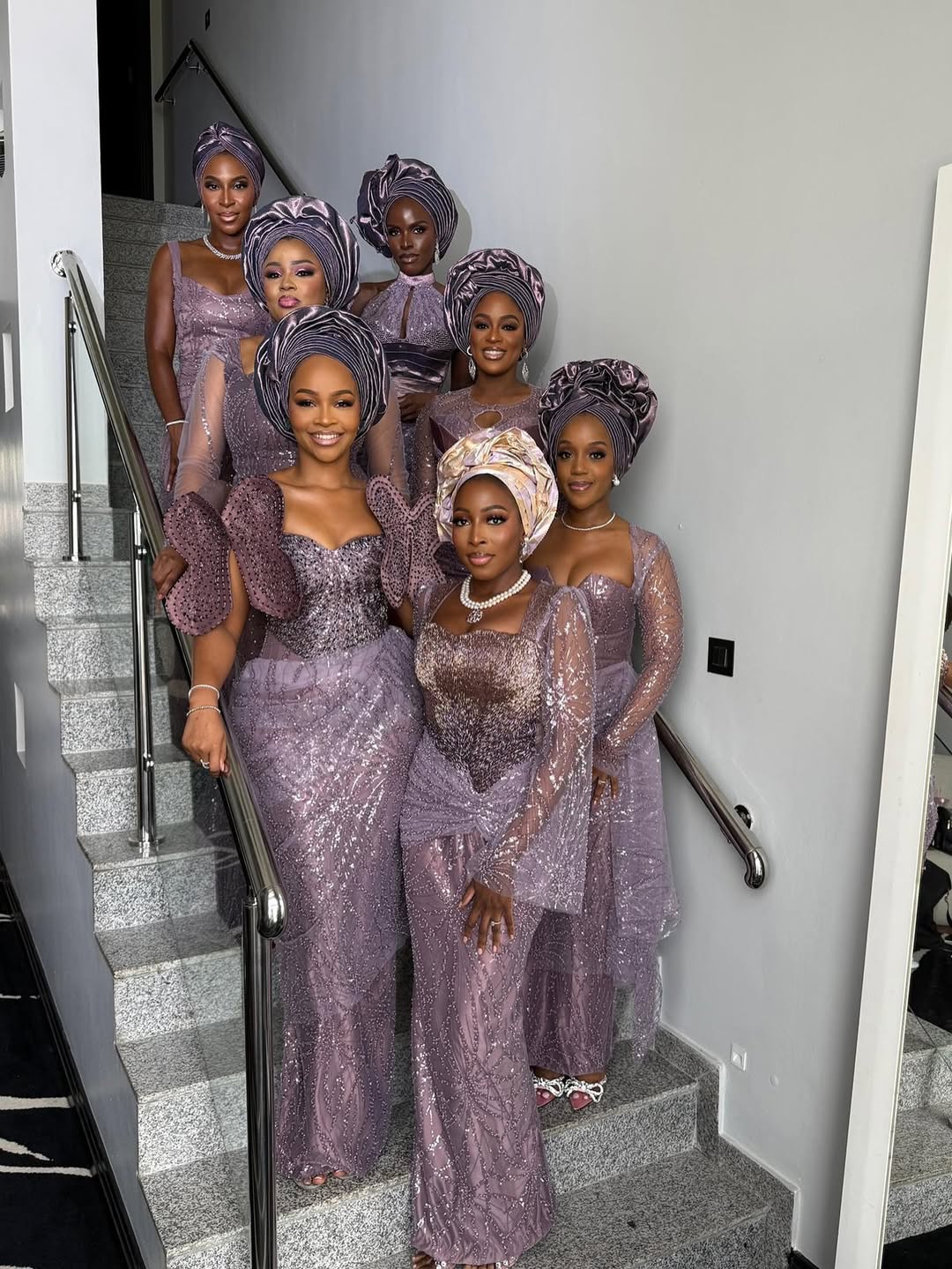
Equally important, modern couples are rethinking the way guests experience the party. Timelines feel looser, allowing space to mingle, explore and absorb the environment. The music is curated rather than conventional, mixing genres and eras to suit the tone of the event.
Even food and drinks follow the same philosophy. Shared plates, cocktail-style receptions and menus inspired by favorite restaurants or cultural influences replace the rigid formality of multiple courses. The result? The wedding feels less like a performance and more like an elevated gathering that is immersive, intentional, and deeply considered.
The influence of visual culture
Of course, social media plays a decisive role in this transformation, but not only in the way critics think.
This shift isn’t just about producing shareable photos. Rather, it reflects a generation that is visually literate. Couples consume runway shows, fashion items, interior design, travel images and art on a daily basis. Naturally, these references tell how they imagine their own party.
Consequently, weddings are treated almost like live editorials, immersive experiences defined by cohesion and storytelling. Nothing feels coincidental. Every detail speaks the same visual language.
Above performance
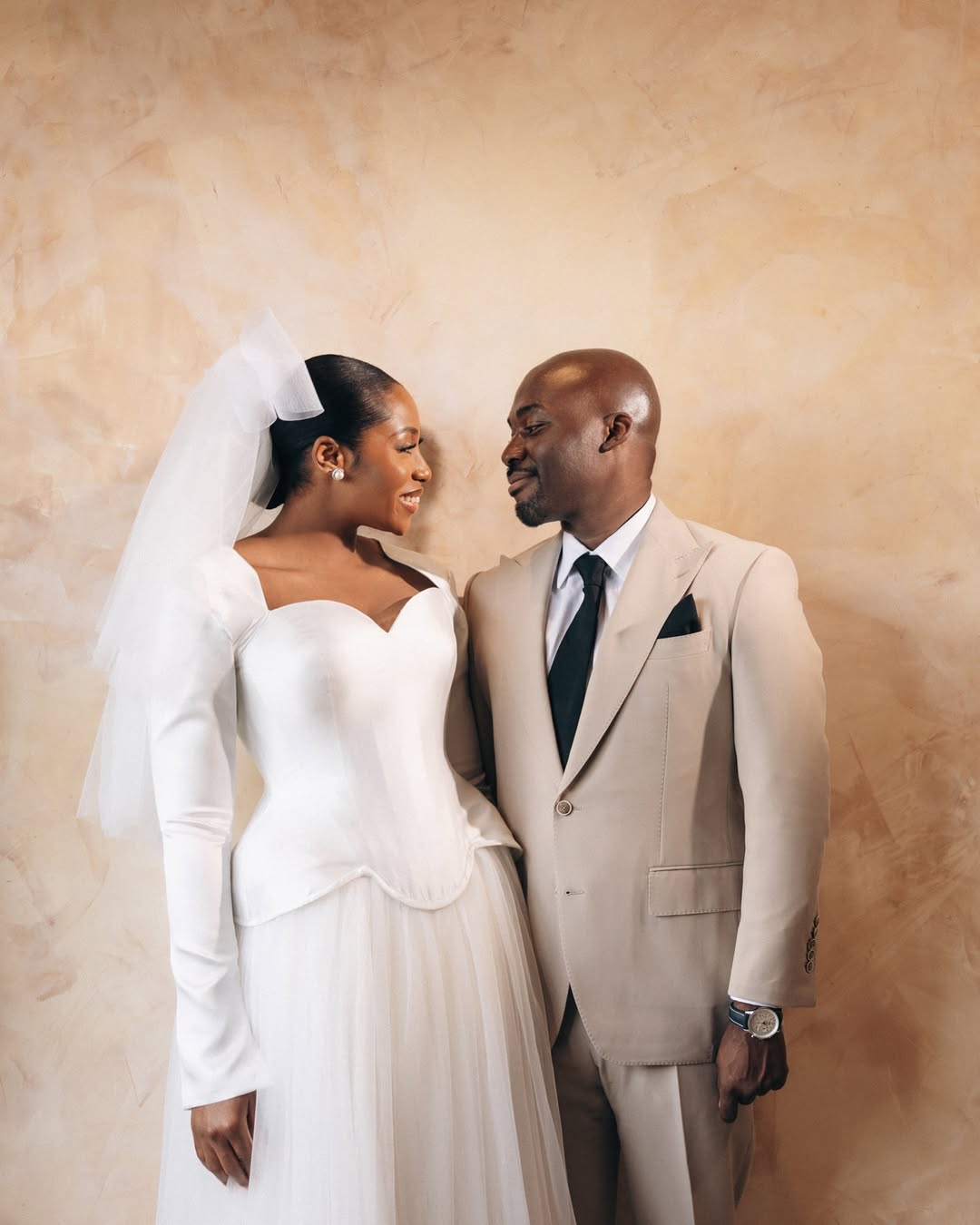
Tradition still exists, but it is optional rather than mandatory. Couples can keep rituals that carry emotional weight while reimagining or discarding rituals that don’t. Ceremonies can feel intimate without being rigid. Cultural elements are often interpreted through a modern lens, combining heritage with contemporary design language.
As a result, the pressure decreases. There is no need to perform tradition for the sake of optics. Instead, couples design a party that reflects who they are in the moment.
Digital touchpoints that match the atmosphere
Style-conscious couples understand that the experience starts long before the guests arrive. Invitations, communication and planning platforms are increasingly seen as aesthetic extensions of the event.
Typography, color palettes and images are selected with the same care as wardrobe and furnishings. Even one RSVP website for weddings becomes more than a logistical tool. It sets the tone, introduces the visual identity and prepares the guests for the atmosphere they will find themselves in. In this sense, cohesion begins digitally and unfolds physically.
A reflection of modern relationships
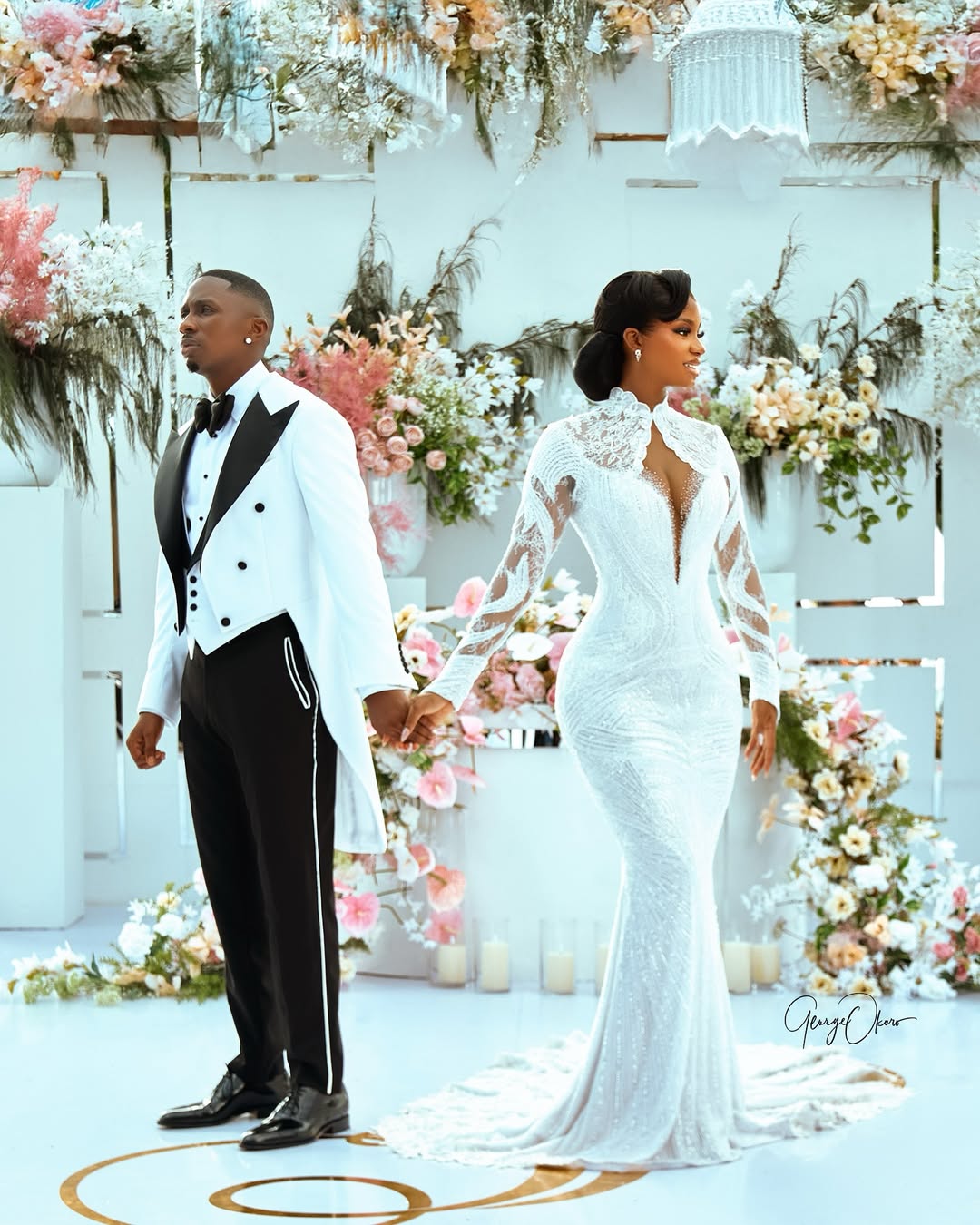
Ultimately, this evolution in style points to something deeper: autonomy. Modern couples are increasingly confident in defining their relationships on their own terms. That confidence shows in the way they celebrate. The wedding is less about tradition as a rule book and more about style as self-expression.
This is not a rejection of the past. Rather, it is a selective embrace, where you choose what resonates and leave the rest behind. In a world that values individuality, modern weddings show that style is not superficial. It is communicative. It’s intentional. It is identity made visible. And for today’s couples, this may be the clearest way to say exactly who they are.
Featured image: Noram Photography via @andrea.oi/Instagram
—Read also