You are not too much. You are not unfocused. You are not difficult to define simply because your interests refuse to fit into one line on a resume. You’re a multi-hyphenate, and in 2026 that’s not a flaw to deal with. It is an advantage to build around.
For decades, the dominant career narrative rewarded clarity with limitation. Choose a lane. Specialize early. Stay there long enough to become readable, respectable, and ultimately indispensable. It was a model built for stability – for institutions that valued predictability over reach. But that model is falling apart in real time.
What a Multihyphen Actually Is (and What It Isn’t)
The term “multihyphen” is used loosely, often to describe someone who does more than one thing. But that definition is too thin to be useful. A true multi-hyphenate is not someone who juggles arbitrary roles. It’s someone who builds a connected work system: multiple identities that talk to each other, not compete with each other. The hyphens are important because they indicate integration.
A writer-strategist doesn’t just write and strategize separately; they think through writing and write with strategic clarity. A stylist founder isn’t just styling and running a business; they translate taste into infrastructure. A creative director who photographs, edits and builds brands is not distributed; they compress multiple functions into one coherent view.
This is where most people get it wrong. Being a multi-hyphenate doesn’t mean you have to do everything. It’s about doing aligned things that expand your core perspective. It’s not about speed either. From the outside, multi-hyphenated careers can look concurrent. In reality, they are almost always consecutive. One lane will be constructed first. Credibility is established. Then expansion takes place – deliberately and usually side by side. Without that structure, you can’t have a multi-hyphenate career. It is an overlap without direction.
Why the Multi-Hyphenate Model is Now Emerging
This shift does not happen in isolation. It is driven by deeper changes in the way work, identity and opportunity function. Industries are no longer under control. The media is no longer a closed system. Distribution is personal. Creative work moves across platforms, and audiences follow people, not job titles.
At the same time, identity itself has expanded. Fewer people are interested in one thing for life, and more importantly, fewer systems require them to be. Especially in creative and entrepreneurial spaces, reach becomes a form of leverage. The multiple hyphen is not a trend. It is a structural response to a world that no longer operates in clean categories.
The Black women who define multi-hyphenate careers in this era
If the concept still feels abstract, look to the people who are already building to scale. They are no longer exceptions; they are the blueprint.
#1. Oprah Winfrey
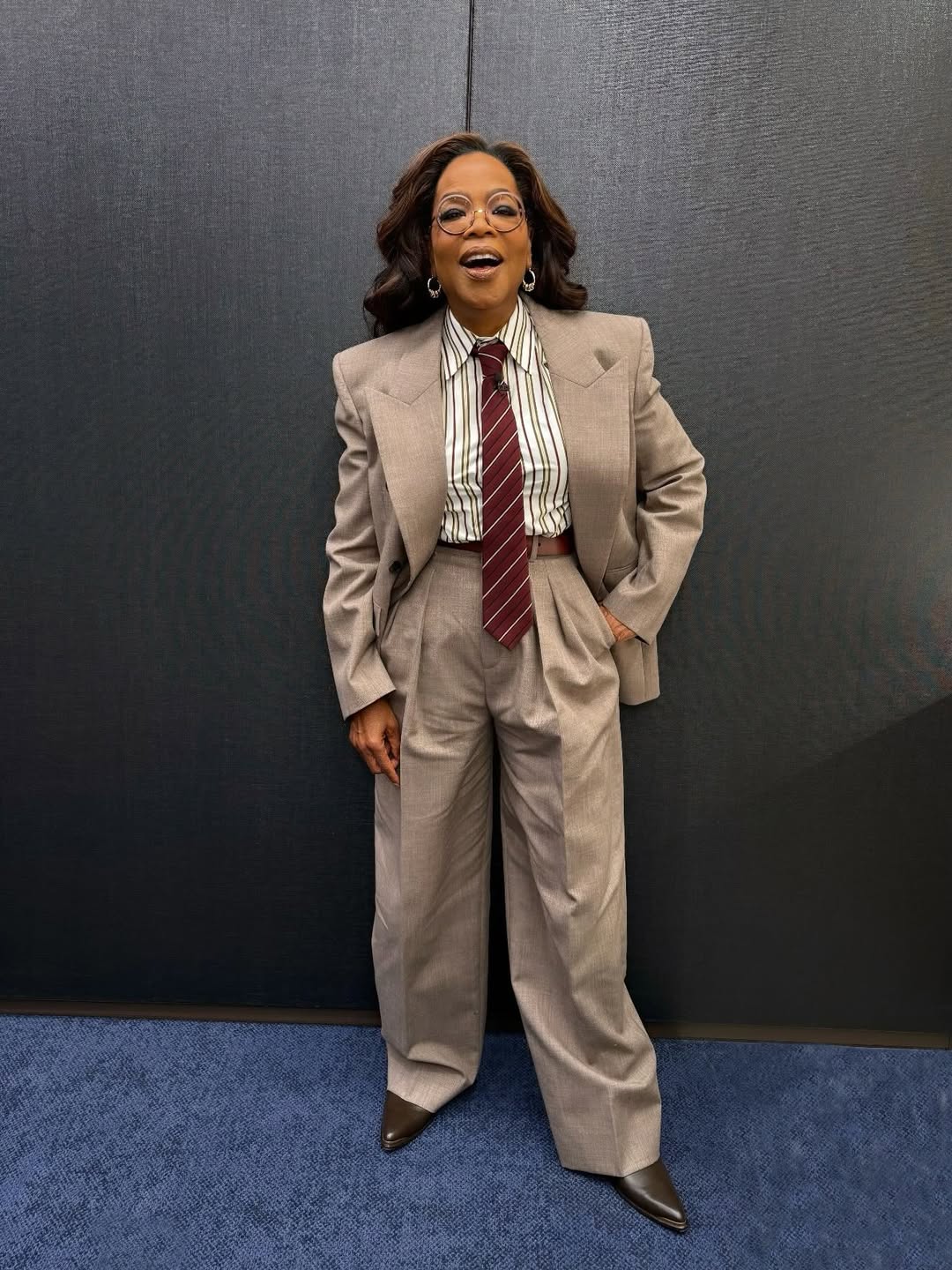
Oprah Winfrey remains the original blueprint. Media mogul, producer, author, network founder: her career is not one path expanding outward, but multiple jobs built over time, each reinforcing the other.
#2. Beyonce
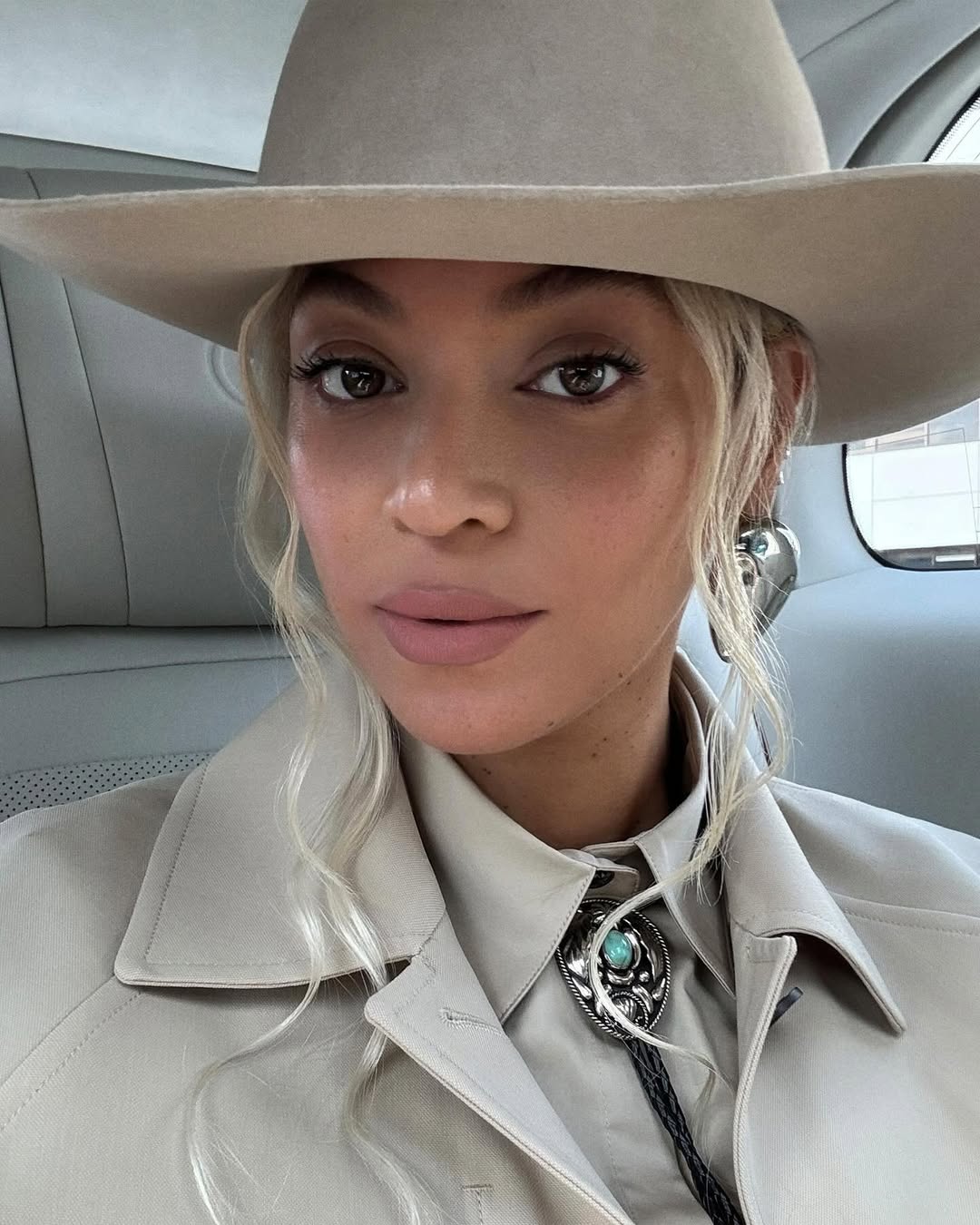
Beyonce is not just a singer; she is a performer, filmmaker, business architect and mother. Each era she builds feels like a new language of creativity, from Renaissance to Cowboy Carter and her record-breaking global tours, which function less like concerts and more like cultural ecosystems. Motherhood hasn’t slowed her growth; if anything, it has deepened the intention behind everything she creates.
#3. Issa Rae
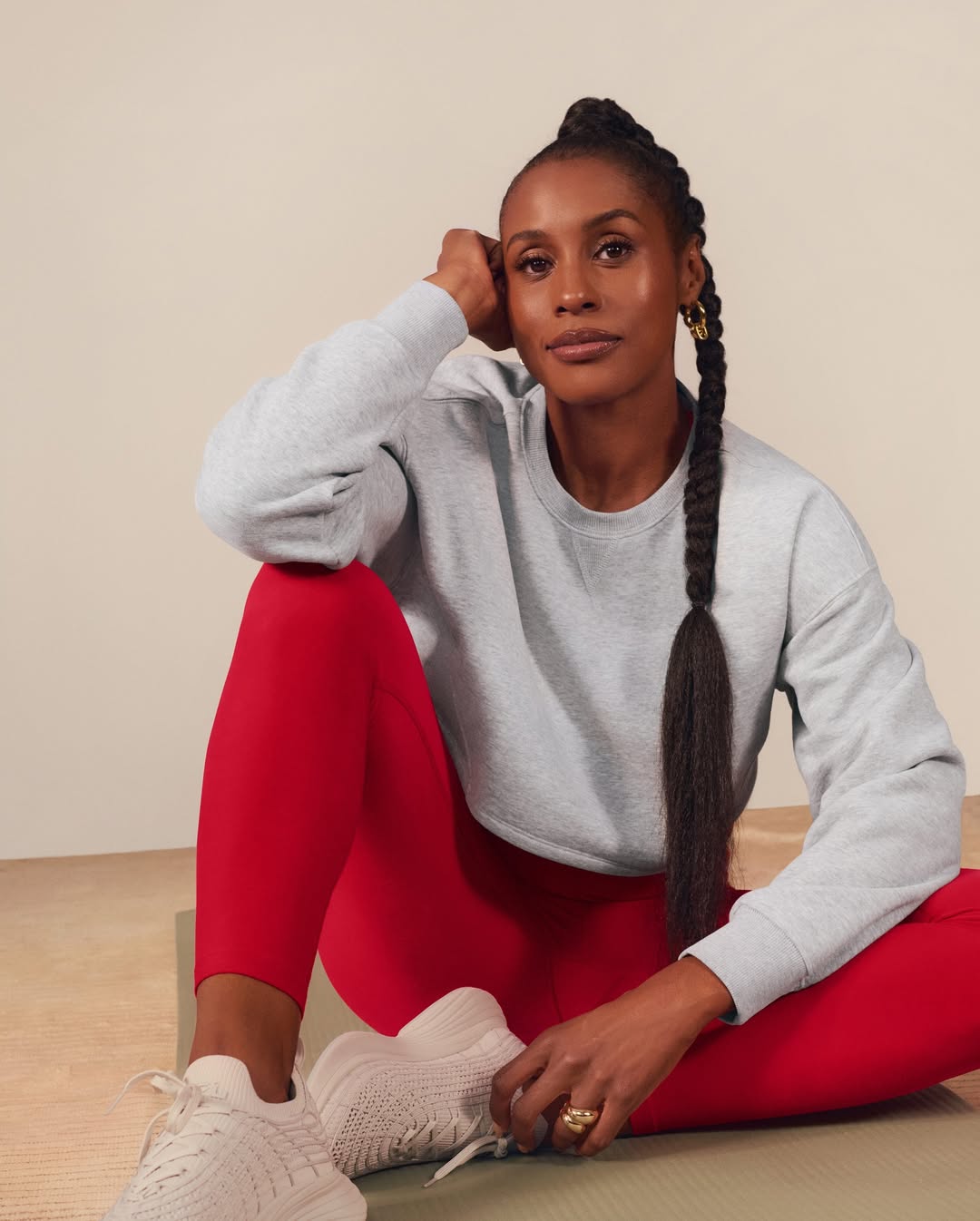
Issa Rae easily embodies the modern multi-hyphen: writer, producer, actress, entrepreneur. There’s seemingly nothing she can’t do. From the roots of her early web series to Insecure and her production company HOORAE, she has built a creative ecosystem in which storytelling and ownership exist in the same breath.
#4. Rihanna

Rihanna completely blurred the line between artist and entrepreneur, and then added mother to architecture. Music opened the door, but Fenty Beauty, Savage Fenty and Fenty Hair reshaped what a celebrity-led company could look like. Now, as a billionaire, he’s building a global empire while raising children A$AP Rockyshe represents a version of modern success in which creativity, business and motherhood coexist rather than compete with each other.
#5. Tracee Ellis Ross
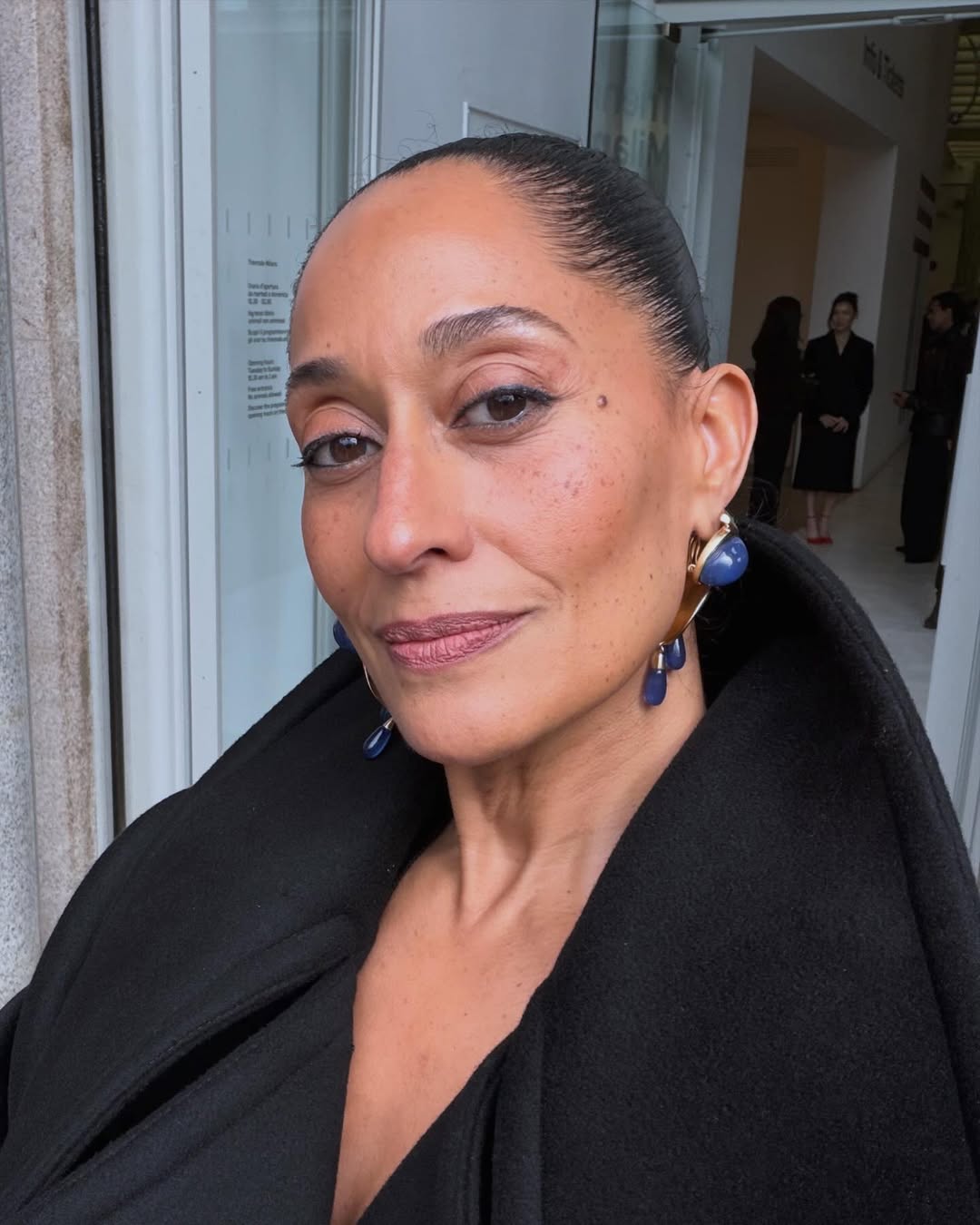
Tracee Ellis Ross moves between acting and entrepreneurship with Pattern Beauty, a brand built to redefine beauty standards for textured hair. She is both the face and the architect of her story.
These are not distributed careers. They are layered systems of identity, built by women who refused to choose between who they are and all they become.
What it actually takes to build one
Building a multi-hyphenate career isn’t about doing everything at once. It’s about doing things in the right order. Here’s how to approach it:
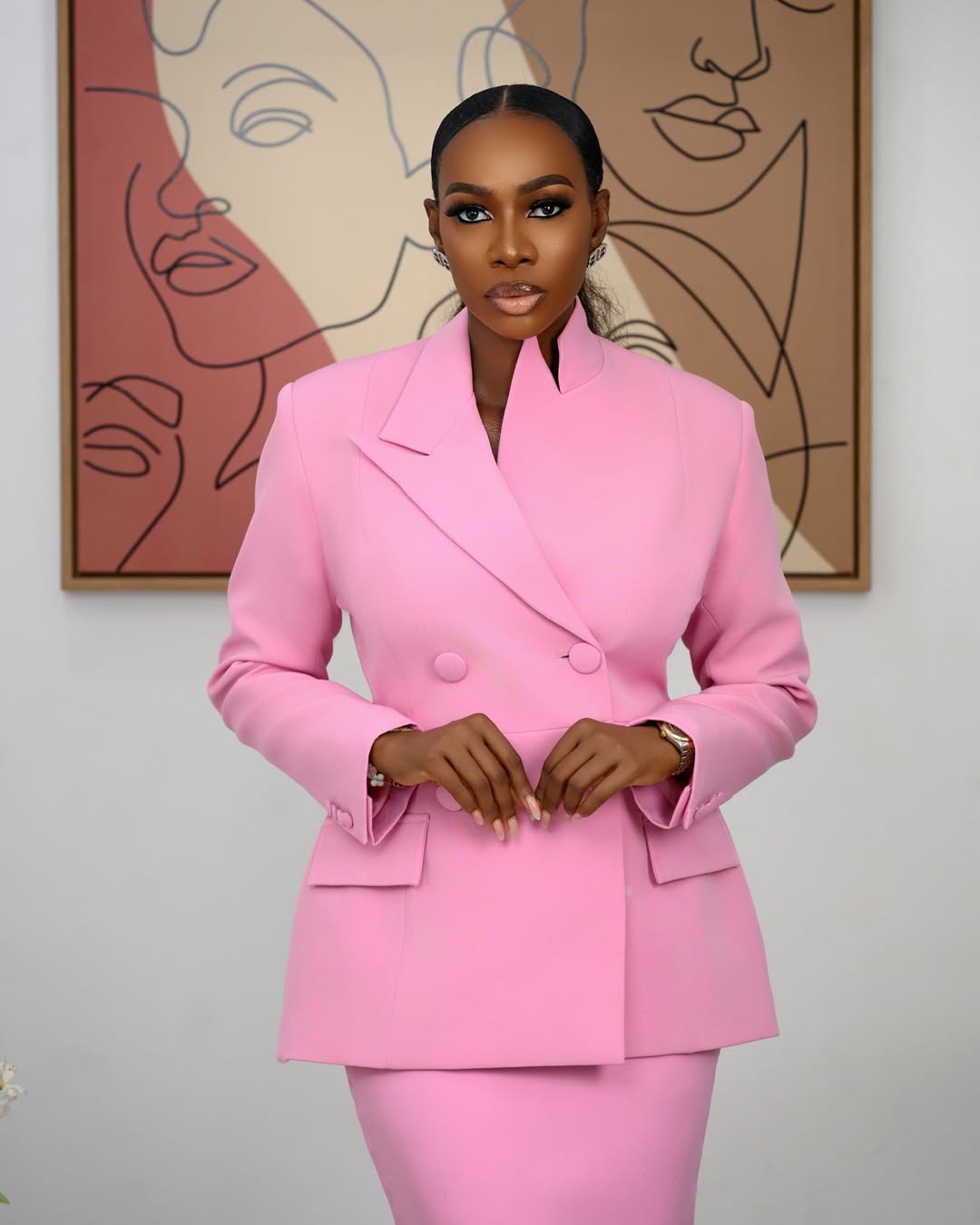
#1. Start with one strong anchor
This model only works if it is built intentionally. First, anchor your career on one clear track. Build credibility there. Don’t expand to multiple titles at once. Your anchor is what you are known for above all else. It’s your most legible identity, the thing that makes people trust you enough to be involved in everything else you do.
#2. Add one adjacent role at a time
Once your anchor is established, expand naturally. A writer adds editing. A stylist adds advice. A photographer moves in a creative direction. A teacher builds a course. The keyword is adjacent. Expansion should feel like a continuation, not a leap.
#3. Consciously pool your skills
Succeeding as a multi-hyphenate means learning how to connect your abilities. The more purposeful the combination, the clearer your positioning becomes. Find the common thread that runs through everything you do and give it a name. That thread is your brand, not a single title.
#4. Build systems early
Calendars are important. Teams are important. Contracts are important. Multi-hyphenate careers don’t fail because of a lack of talent; they fail because of poor structure. Your name is the connective tissue. Without systems you have no career. With good branding you have chaos.
#5. Protect your energy strongly
The biggest risk of multi-hyphenate life is not failure; it’s burnout from trying to have everything at full capacity at the same time. The beauty of a multi-hyphenate career tends to pervade every job as demand and interest ebb and flow. Your days may be busy, but you’re not rushing towards them chronic burnout as others might think, as long as you consciously decide when to flow into each lane and when to pull back.
The one thing no one tells you
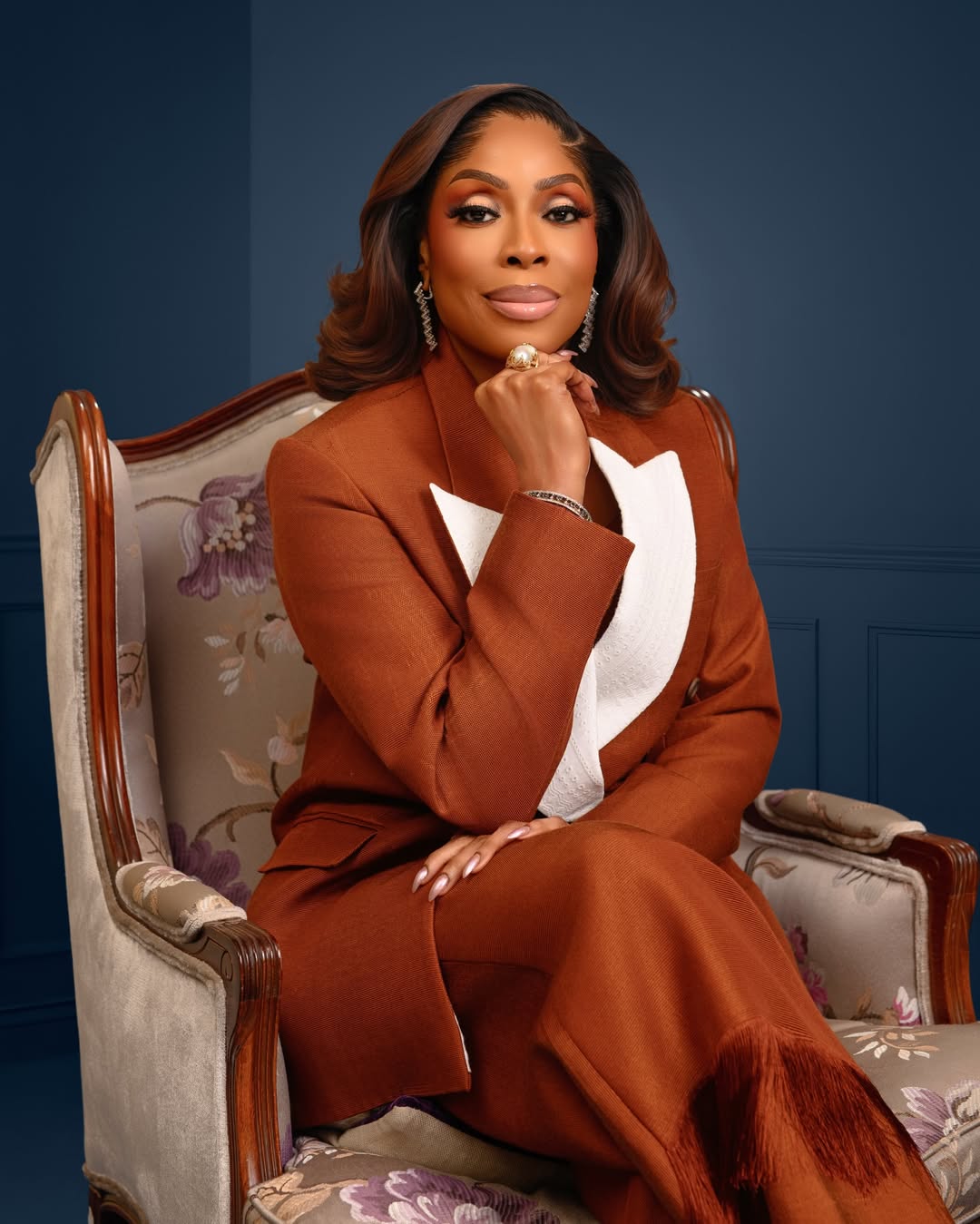
Building a career with multiple hyphens will confuse some people. During networking events you will be asked to explain yourself. Someone will tell you to choose a lane. A well-meaning family member will ask when you’ll get a “real job.” People who don’t understand your vision can’t determine your boundaries. Most criticism stems from unfamiliarity. Your reach is your advantage, not your weakness.
The multi-hyphen career is not for people who need validation before moving. It’s for those who want to build without a template because the template doesn’t exist yet. The most ambitious, fulfilled, and creative people in 2026 won’t be the ones who stayed on their path. They are the ones who built new roads.
Your reach is not the problem. That has never been the case.