

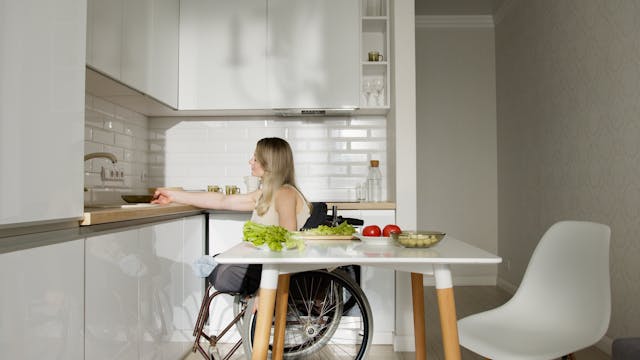
Choosing mobility aids while managing everything else can be overwhelming, especially if you’re trying to make your home work better for someone you care about. A narrow wheelchair can be a practical solution for real homes, especially older homes where hallways are narrow, doorways are tight and bathrooms were never built with wheelchair accessibility in mind. Your home should feel comfortable and function well, without feeling like it’s a medical facility.
This guide will help you choose one narrow wheelchair for home use that actually fits your space, your routine, and your comfort needs, so you can avoid buying something that looks perfect on paper but gets stuck on your first bathroom visit.
Start with the dimensions of your home, not the product page
First measure the doorways, hallways and bathroom entrance
Before you compare brands or features, spend ten minutes measuring the spaces that matter:
- The narrowest doorway on your main route (the bedroom to the bathroom is the usual problem area)
- Corridor widthlook for slanted corners and furniture that narrows the path
- Bathroom door width and the space next to the toilet for safe transfers
- Threshold heightas even small lips can cause a tripping hazard or make rolling difficult
For context, U.S. Accessibility Guidelines typically specify a minimum clear door width of 32 inches for accessible doors, measured with the door open. That standard helps explain why fitting a wheelchair through narrow doorways is such a common challenge in older homes.
Know the difference between “overall width” and “seat width”
Product listings often emphasize seat width, but in tight spaces it’s the overall width, usually measured from wheel to wheel. The narrowest wheelchair for your home is the one that clears the tightest doorway by a small margin, not just the one with the smallest seat size.
Quick rule of thumb for planning: you want to have enough space so that you don’t scrape your knuckles, jam the brakes, or graze the door hardware every time you pass by.
Choose the right narrow wheelchair type for tight spaces
Manual narrow wheelchairs for indoor use and short journeys
A lightweight narrow wheelchair may be a good choice if:
- Your loved one has sufficient upper body strength or receives regular support from the caregiver
- The layout of your home is tight and must be manoeuvrable
- Storage matters, such as folding and storing in a cupboard or trunk
Look for features that matter in small spaces:
- Shorter overall lengthwhich allows the chair to navigate through bathrooms and make tight turns without getting stuck
- Smaller turning circle for easier maneuvering in corridors
- Quick release wheels make it easier to store or load the chair into a vehicle
- Comfortable, supportive seating This is especially important if your loved one has to sit for long periods of time
Narrow electric wheelchairs for tight spaces
A strength option can reduce fatigue and support independent mobility, but you need to be extra careful with the fit. Some narrow power wheelchairs for tight spaces still require more turning space than you might expect, especially in small bathrooms.
If you are considering an electric chair, please confirm:
- Turning circle in inches, which determines whether the chair can navigate your bathroom and hallways
- Total widthnot just the seat width, to ensure your doorways remain clear
- Battery range tailored to your daily routine
- Weight and whether your flooring can handle it comfortably, especially rugs and transitions
Many families also consider how the chair will look in their living space. A neater frame, neutral upholstery and a less bulky profile can help the chair blend in with your home rather than dominate the room.
Safety first: bathroom and transfer planning
Why the bathroom is the ‘make or break’ zone
Most tight space problems occur in bathrooms: narrow doorways, tight corners, slippery surfaces and not enough room to queue for safe transfers.
Falls are a serious risk for older adults. CDC data shows that more than 14 million adults aged 65 and older, or about 1 in 4, report a fall each year. Careful bathroom planning can help reduce this risk.
Practical checks for a narrow wheelchair for bathroom use:
- Can the chair approach the toilet at a safe angle for transfers?
- Is there room to position the feet and brake without awkward turning?
- Can the chair clear the sink without pinching the knees or armrests?
- Is the floor surface stable and non-slip, especially near wet areas?
If you’re planning improvements to your home, the National Institute on Aging offers a simple solution safety steps for homesuch as improving lighting, removing tripping hazards and adding support features in key areas.
Aesthetics and safety can coexist
If you’re renovating or updating, you can choose upgrades that resemble design decisions, not medical add-ons:
- Handles instead of buttons
- Better lighting (layered lighting looks premium and improves visibility)
- Non-slip floor that still feels stylish
- Smart storage to keep paths clear
AARP has a useful overview of this age-friendly home improvements that balance safety with everyday life.
Comfort and fit: what matters every day
Seating comfort, support and posture
A narrow wheelchair for adults still needs to fit the person, not just the home. If the seat is too narrow, it can cause discomfort and pressure points. If it is too wide it can reduce support and stability.
Search for:
- Supportive cushion options that help prevent pressure ulcers during prolonged sitting
- Adjustable footrests so your loved one’s legs don’t dangle or get cramped
- Armrest height that supports safe transfers from bed, toilet or other seating
- Back support that suits their postural needs and provides all-day comfort
In many cases, working with a doctor or occupational therapist can help you find the right balance of fit, comfort, and safety for your loved one’s specific needs.
Weight, portability and storage
A lightweight, narrow wheelchair is often easier to live with, especially if:
- At the entry points you have a staircase or a few steps
- A caregiver must lift or put it away
- You use it regularly in and out of the car
Account:
- Folding mechanism and whether it is simple enough to operate without frustration
- Wearing points and where your hands naturally grip while lifting
- Whether it fits in your storage space without blocking walkways or taking up your living space
Extend mobility beyond the home
Your homes are not sealed bubbles. Your loved one may want to attend family events or medical appointments, or simply enjoy fresh air and a little independence.
When planning outdoor mobility, consider the following:
- Terrain and distance for typical outings
- How the seat is transported in your vehicle
- Weather protection for outdoor use
- Who helps push, lift or guide the chair
For longer outdoor trips or when extra comfort is important, some families are exploring alternatives such as mobility scooters. The most important thing is to match the equipment to the specific environment, whether you’re navigating the narrow corridors or enjoying a day in the park.
Budget, home adjustments and ‘hidden costs’ you can expect
Even the best wheelchair for narrow doorways may not solve everything if your home has significant access barriers. Sometimes the smartest move is a small home adjustment that makes exercise safer and easier.
Simple changes that can help in tight spaces:
- Offset or pivot hinges that can add a few inches of usable door opening
- Remove thick carpets or add low profile transitions to prevent wheels from sticking
- Repositioning furniture to create turning space in key areas
- Improving lighting in corridors and bathroom routes to increase visibility and safety
If you are considering home modifications as part of aging planningOxford provides a practical overview of common renovation priorities when making a home more accessible.
Conclusion
Choosing a narrow wheelchair is not about finding the smallest dimensions. It’s about creating a system that works: the chair fits your home, your home supports safe movement, and daily routines become smoother instead of more stressful.
Measure first, prioritize bathroom and transfer safety, and choose the seat type that suits your living space, not a fantasy floor plan. When you carefully choose a narrow wheelchair for home use, you can make tight spaces accessible again, while your home remains comfortable and familiar.
Please note that this article is for general information and not medical advice. Consult a qualified doctor or occupational therapist for personalized guidance.


