


Blush is the mood ring of makeup. One color can make it look like you’ve fallen in love with your own reflection. Another can make you look like you argued with the sun and won. Small in size but powerful in effect: blush sets the temperature of the entire face. It can read fresh, romantic, athletic, expensive, or slightly villain-coded, depending on its tone, placement, and confidence.
At its best, blush acts like good lighting. The hitchhiking. It becomes softer. It edits without ever looking edited. It gives the skin a boost instead of a filter. In fact, it goes well with everything else you do: bold lips, bare eyes, glassy skin, matte moments, a full beat or a five-minute face. Think of it as the soundtrack instead of the scene. The right blush color changes how everything feels. The wrong one changes everything.
Below are smart, cool ways to help you choose a blush color that’s unmistakably your…
#1. Start with the undertone
Undertone is your skin’s backstage pass. Once you know, everything else falls into place. Warm undertones glow with peach, apricot, coral and golden pink shades. These shades blend seamlessly into each other and provide a sun-warmed cheek effect without turning orange. Cool undertones, on the other hand, come to life in pink, mauve, berry and soft plum. The result is fresh and bright, the kind of blush that resembles a brisk walk or a well-kept secret.
If you’re neutral, congratulations. You get reach. Dusty rose, soft peach and balanced pink shades usually land effortlessly. If in doubt, look at your natural blush after laughing hard, running fast, or feeling slightly embarrassed. That shadow family is your cheat code.
#2. Make sure the blush depth matches the depth of your skin

Even the perfect color can disappear or overwhelm if the depth is wrong. This is where theory and reality meet. Fair skin usually benefits from light, transparent shades that build up slowly. Baby pink, light peach, soft pink and muted petals keep everything believable. Medium skin can handle richer pigment without ending up in a clown core. Warm rose, coral, terracotta and soft berries add dimension while remaining balanced.
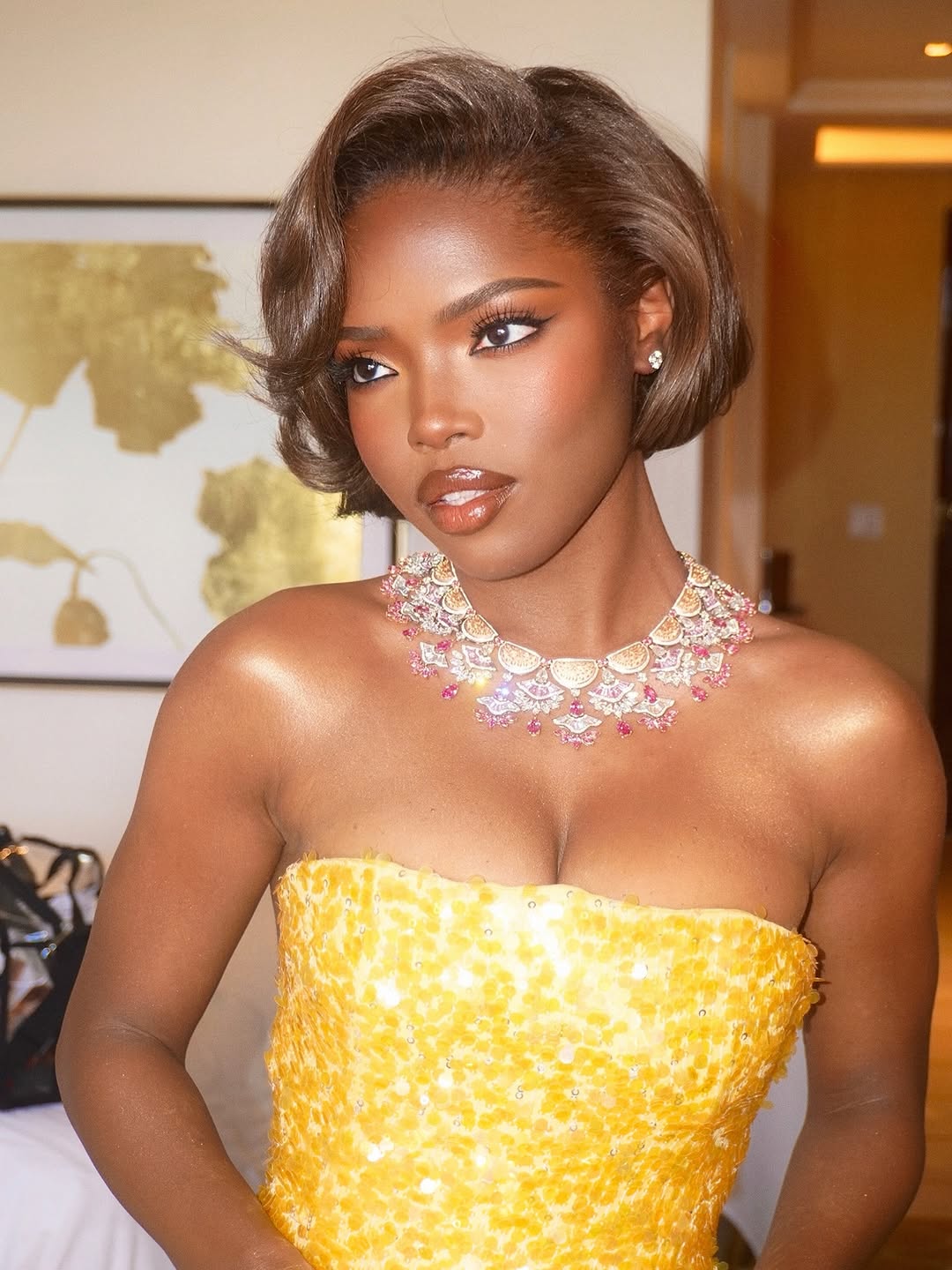
Deep skin, meanwhile, thrives in bold, saturated hues that pop beautifully. Brick, burnt orange, deep berries, plum and vibrant coral create that unmistakable, lit-from-within effect.
#3. Choose a ruddy personality
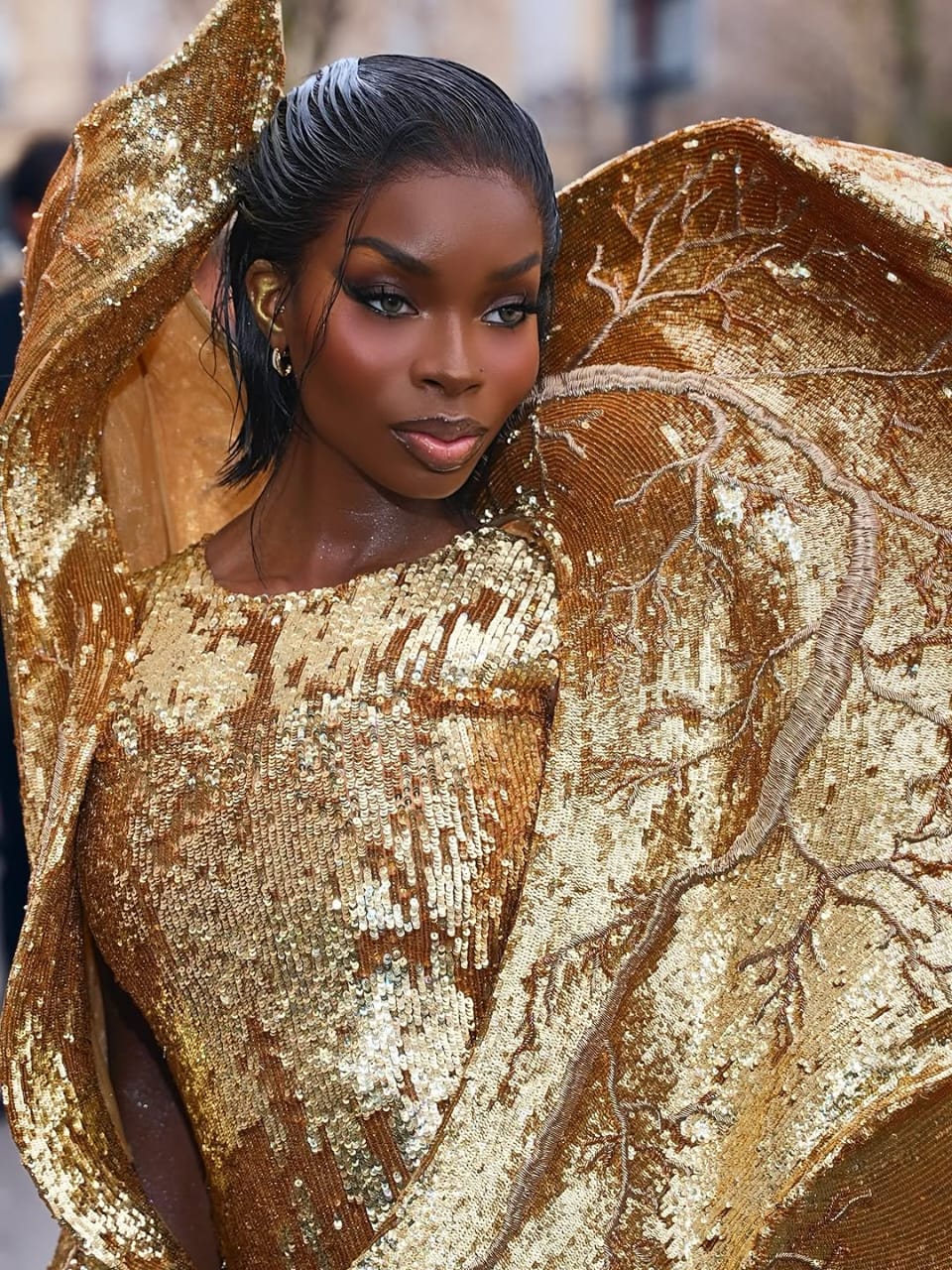
Blush has vibes, and choosing it is about intention. Peach reads sunny and accessible. Rose feels classic and romantic. Mauve comes across as polished and somewhat mysterious. Berry leans dramatic and editorial. Terracotta feels sculpted and warm, like golden hour, in a bottle.
If you’re looking for soft, expensive energy, choose muted tones with a hint of brown or beige. For bright, playful cheeks, choose a more saturated formula, but keep the texture thin and buildable. If structure is the goal, then deeper tones applied on purpose will do the job. First determine the role. Your blush can be the main character or the perfect supporting role.
#4. The finishing touch is the camera lens
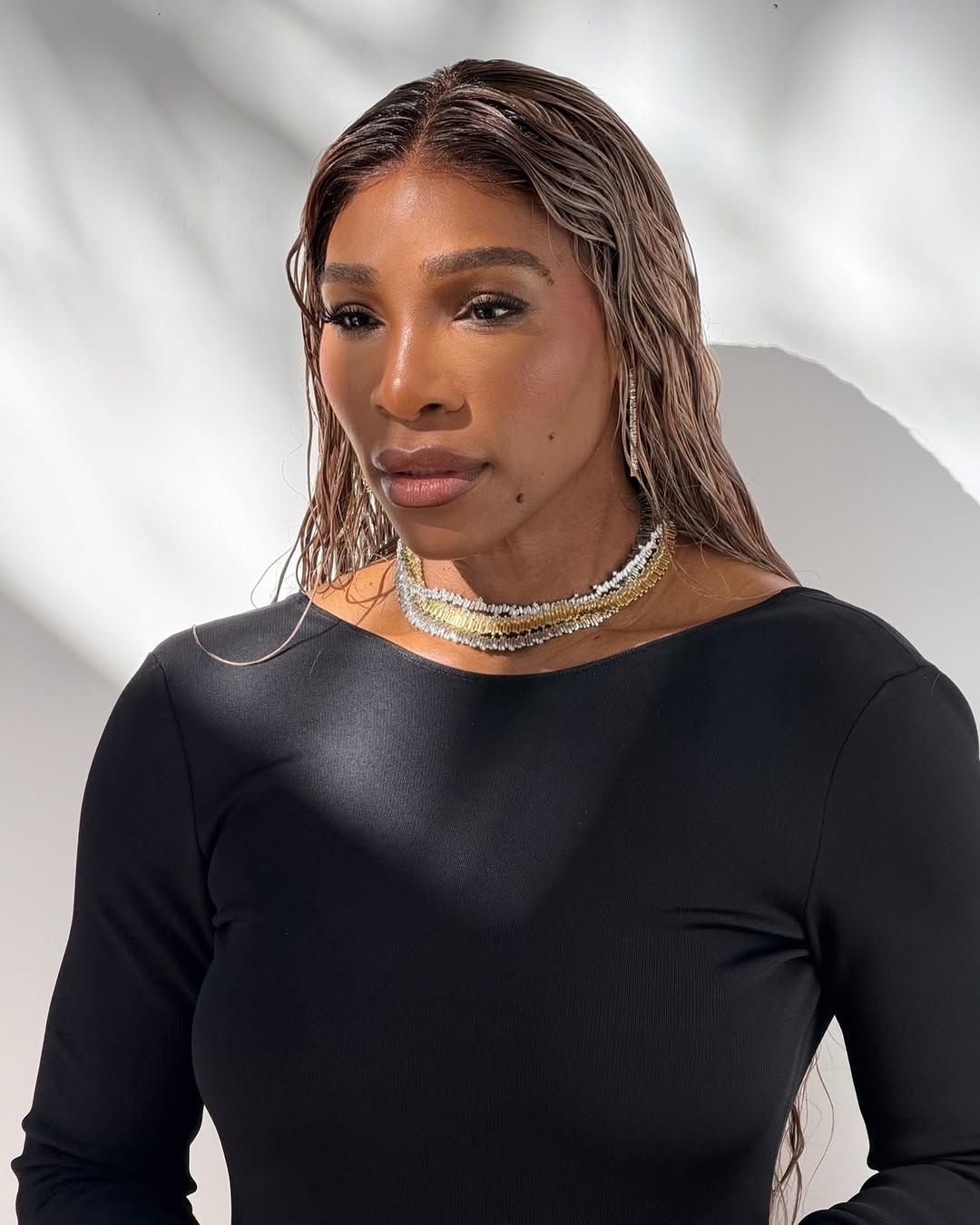
Finish changes how the color appears on the skin. Matte blush provides a smooth, editorial softness and blends beautifully into sculpted looks. Cream and liquid formulas blend together to create a fresh, lived-in glow. Powder blush still has its place, especially when applied lightly over cream for longevity. Shimmer blush works like a spotlight and works best if you use it sparingly. Ultimately, the finish determines whether your blush is polished, playful, or softly undone.
#5. Post it like you mean it
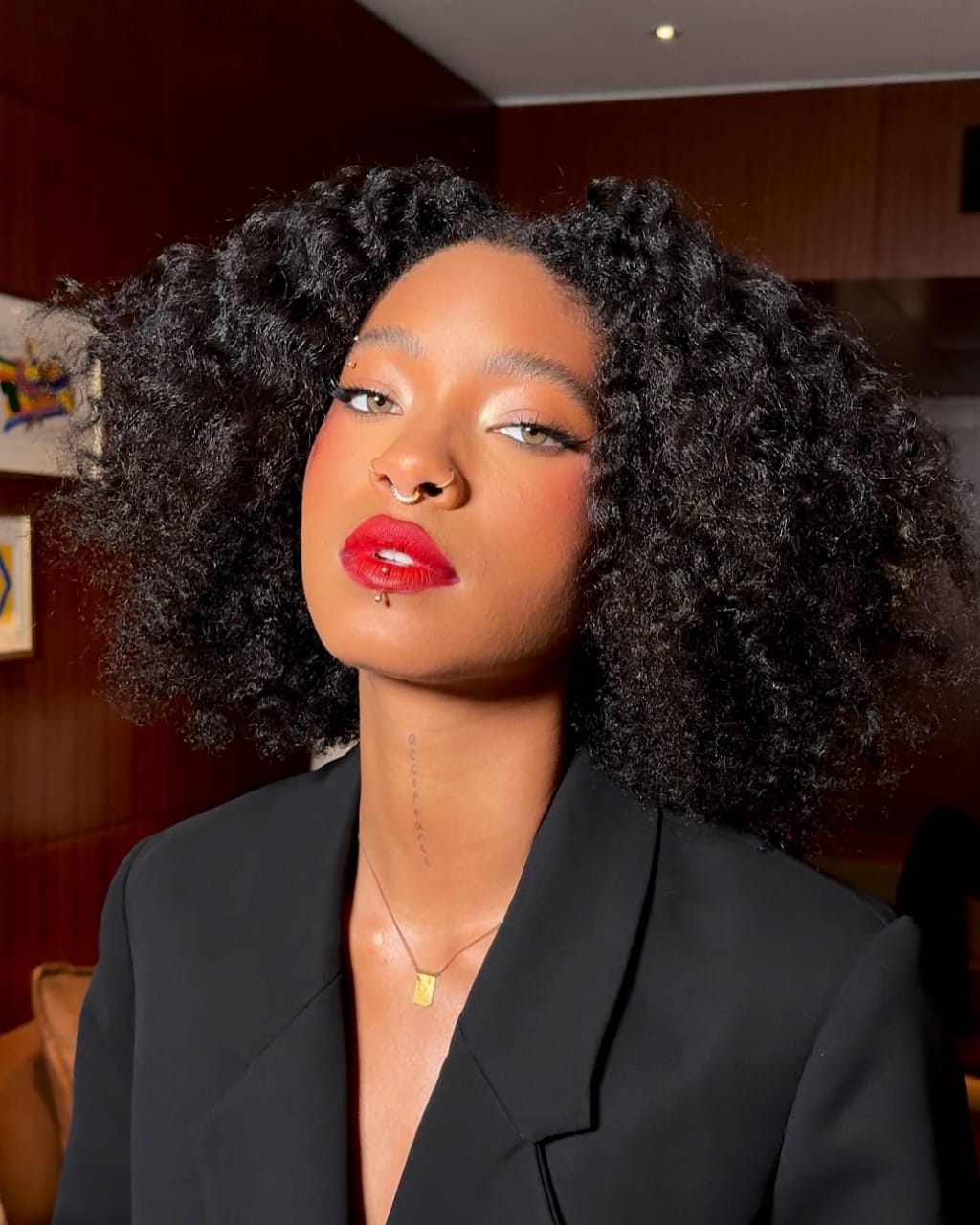
The placement shapes the entire face, so it deserves intention. Applied high on the cheekbonesblush provides lift and a gripped effect. The apples say youthful and soft. It’s oriented towards the temples and feels drawn out and editorial. A two-point technique works beautifully: one tap high, one closer to the apple and then blend. This creates dimension without hard lines. Build up slowly and let the color reveal itself.
#6. Match the blush with your lip and appearance
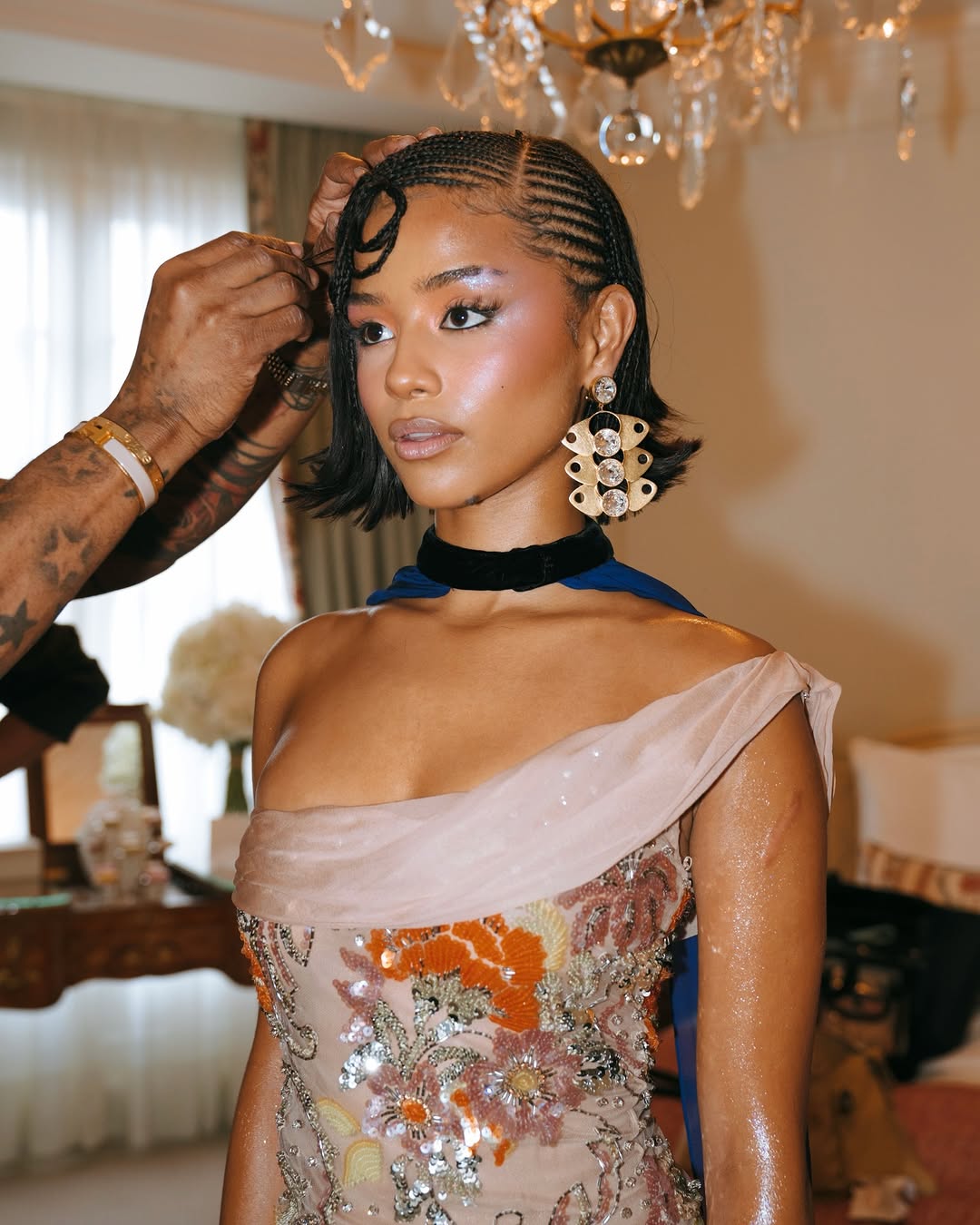
Blush and lip color work best as a duo. Soft pink blush combines effortlessly with nude, berry and brown lips. Meanwhile, peach blush likes warm shimmer and caramel tones. Mauve blush plays nicely with cool nude and plum tones. For a sleek look, you can keep the blush and lip in the same color family. For contrast, let one remain muted while the other pops up. Balance keeps everything intentional.
#7. Test it in real light

Bathroom lighting is generous. Daylight is fair. Apply your blush, blend well and check it near a window. Some shades deepen. Others fade or change in tone. A truly great blush wears gracefully, softens around the edges and stays natural as the day unfolds.
#8. Build a small blush wardrobe

One blush can’t do every job, but a few well-chosen blushes can. Start with an everyday neutral color. Add one statement shade. Keep a deeper tone for sculpting or drama. This keeps your routine flexible without excess. Every blush deserves its place.
Finds from the store editor
Quick shading cheat sheet
- Warm undertone: peach, apricot, coral, warm rose, terracotta
- Cool undertone: pink, mauve, berry, plum, soft cherry
- Neutral undertone: dusty rose, muted peach, pink-mauve
- Fair skin: baby pink, light peach, soft pink
- Medium skin: coral, warm rose, terracotta, soft berry
- Deep skin: brick, burnt orange, deep berry, plum
Featured image: @_eugabialmeida/Instagram
—Read also


