

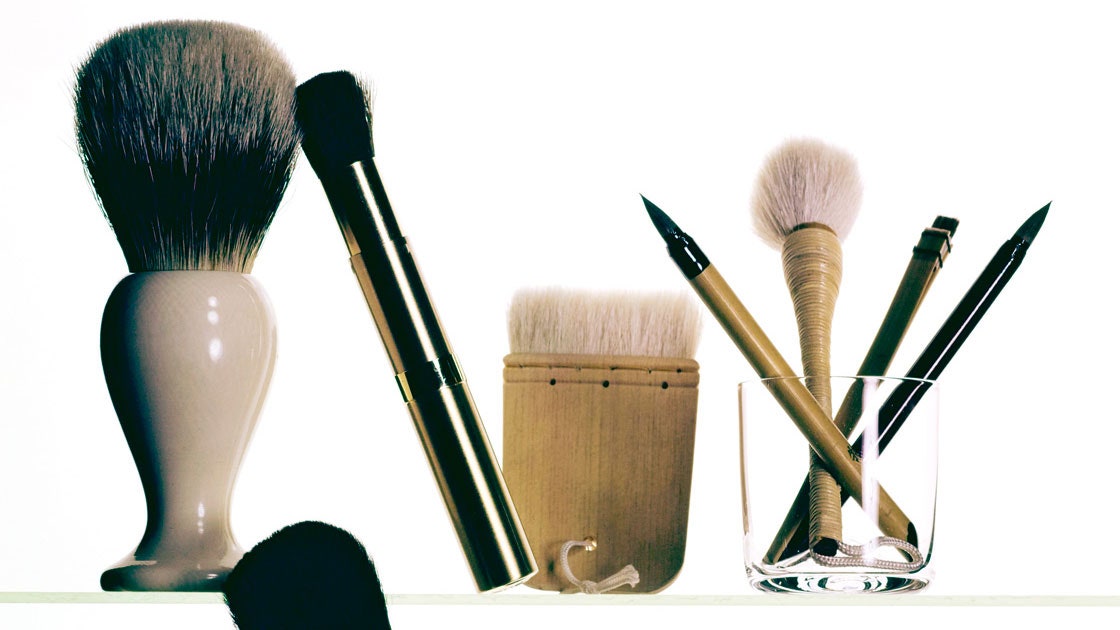
Cleaning makeup brushes may not be the most glamorous step in your beauty routine, but it is an essential one. According to makeup artist Troy Surratt– whose line of highly coveted brushes is based on principles learned in the calligraphy brush mecca of Kumano, Japan – the only way to keep them free of bacteria, dust and dirt is to wash them weekly. Aside from being a neat practice, a well-ground rinse allows for better application of the product.
“Cleaning brushes and sponges is mandatory not only for hygienic reasons and to keep bacteria and germs at bay, but also for performance reasons,” explains make-up artist. Robert Sesnek. Make-up artist Wendi Miyake agrees. “Cleanliness and maintenance are number one to ensure your brushes last and perform at their best,” she says. “If you’re investing in high-quality makeup brushes, it’s just as important to understand how to properly clean your brushes and maintain their quality.”
“If a brush starts to shed its bristles excessively, it may be time to replace it,” says Surratt. But rest assured: “If you care for your brushes with a little love, they will last for years. In my opinion, many brushes seem to get better and softer over time.”
Below, six makeup artists discuss tips and tricks for cleaning makeup brushes like a pro, and share the products to make the process seamless and successful.
How often should you wash your makeup brushes?
A weekly wash is a must – and a minimum. “For optimal application and best color payoff, it’s important to use clean brushes,” says Surratt. “If you apply a similar makeup look every day, I recommend washing your brushes thoroughly once a week.” That said, “you may need to wash them more often if you change colors frequently.” Keeping your brushes clean helps them perform at peak levels and prevents acne caused by bacteria buildup.
“You can wash your brushes [seem like] a tall order, so create an experience that is enjoyable,” Surratt suggests. To achieve this goal, he reaches out Oribe’s signature shampoowhich has an addictive scent of lemon and bergamot and is gentle enough for even delicate natural hairs.
What about cleaning sponges?
If you use sponges regularly, a twice-weekly (or even daily) wash may be advisable, depending on the amount of product you use. If a brush is completely immersed in foundation or a sponge is soaked in silicones and oils, says Surratt Dawn dish soap works wonders for degreasing. Be careful with “cleaners that have a high alcohol content or contain harsh solvents because they can loosen the glue that holds the brush together and ultimately affect the life of the brush.”