


Skin problems don’t stop at the face. Many people suffer from pimples on the back, chest, and shoulders, and often notice them just before a vacation, a special event, or when they plan to wear a sleeveless top or backless dress. As a result, interest in treating body acne has increased significantly, with more people looking for clear answers about why these breakouts occur and what actually helps reduce them.
Unlike facial acne, body pimples usually occur where sweat, friction, and oil accumulate during the day. Gym sessions, tight clothing, long commutes and even hair products can all contribute to clogged pores on the body. Because of these factors, effective treatments often require a slightly different approach than the routines used for facial acne. Understanding both the causes and the most effective solutions can make a big difference in how quickly the skin begins to clear.
Why body acne occurs in the first place
To understand how acne treatment works in the body, it helps to first look at why these pimples occur.
The skin on the back and chest contains a high concentration of oil glands. When these glands produce excess oil, the pores can become clogged with dead skin cells and bacteria. Once this blockage forms, inflammation occurs and a pimple appears. However, various daily habits can worsen this process.
Firstly, sweat and friction play a major role. Wearing tight clothing, sports bras, or backpacks puts pressure and constant rubbing on the skin. Dermatologists often call this condition acne mechanical, and it is especially common in athletes and people who exercise frequently.
Second, hair products often travel further than people realize. Conditioners, oils and styling creams can wash off the back and shoulders during a shower, leaving behind residue that can clog pores.
Finally, hormones also influence oil production. During periods of stress or hormonal changes, the skin may produce more oil, increasing the risk of breakouts.
How to get rid of body acne
Clearing body blemishes usually requires a combination of consistent skin care habits and targeted treatments. Although results rarely happen overnight, many people begin to notice improvements within weeks once they adopt an effective body acne treatment routine.
#1. Use cleansers that target blemishes
Regular body washes cleanse the skin’s surface, but acne-prone skin often benefits from ingredients that work deeper into the pores. Dermatologists often recommend cleansers containing salicylic acid or benzoyl peroxide. Salicylic acid helps dissolve oil stuck in pores, while benzoyl peroxide works by reducing acne-causing bacteria. When used consistently while showering, these ingredients can gradually prevent the formation of new pimples.
#2. Exfoliate the skin regularly
Dead skin cells can accumulate on the body faster than many people expect. When these cells mix with sweat and oil, clogged pores can more easily form. Soft chemical exfoliants such as AHAs and BHAs help remove this buildup. When used a few times a week, they improve skin texture and support the long-term treatment of body acne. However, balance is essential. Over-exfoliating can irritate the skin and worsen inflammation.
#3. Shower after sweating
One of the most effective, but often overlooked, habits is showering shortly after exercising or sweating profusely. Sweat alone does not cause acne. However, when it mixes with oil and bacteria, it is more likely to clog pores. A quick shower after exercise helps remove this buildup and protects the skin.
Body acne treatment products that actually help
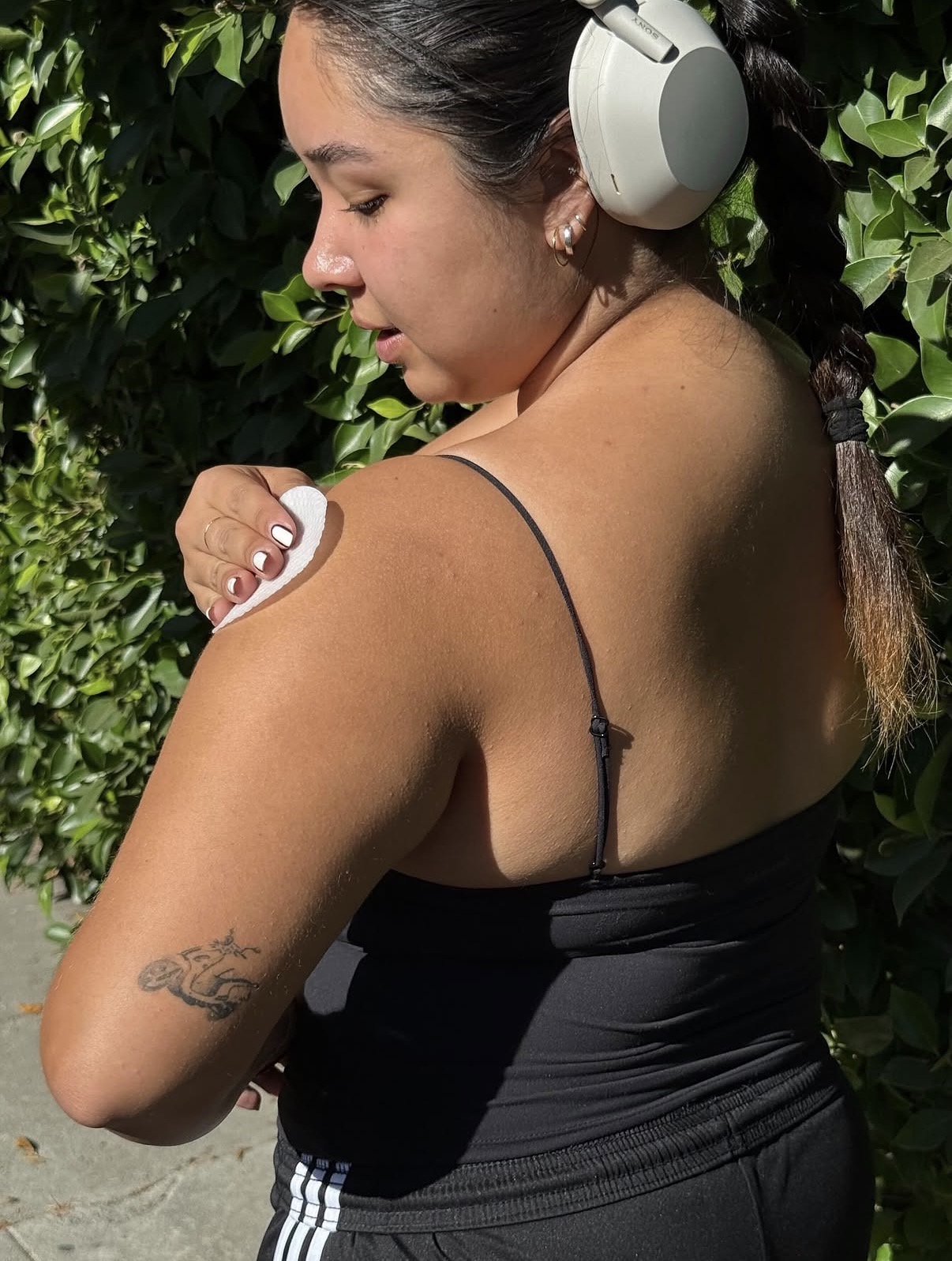
As demand has increased, the skin care industry has introduced more products specifically designed for body concerns.
Some of the most effective options include:
- Acne body washes with salicylic acid
- Benzoyl peroxide cleaners for bacterial control
- Exfoliating sprays designed for hard-to-reach areas
- Lactic acid body lotions
- Acne patches formulated for larger pimples on the body
Of these options, body sprays have become especially popular. Since they can reach the center of the back without assistance, it becomes easier to apply the treatment evenly. When used consistently, these products form the basis of a reliable body acne treatment routine.
Shop editor edit
When dermatologists intervene
In some cases, pimples persist in the body despite a consistent skin care routine. When this happens, professional treatment can provide faster and more effective results. Dermatologists can recommend prescription treatments designed to reduce inflammation and control acne-causing bacteria.
For example, topical antibiotics are sometimes used to target bacteria on the skin. In more severe cases, doctors may prescribe oral antibiotics for a limited period of time. Additionally, hormonal treatments may be recommended if pimples are related to hormonal fluctuations.
Dermatologists can also help treat the marks left by acne, including dark spots, hyperpigmentation, and uneven skin texture.
Advanced dermatological treatments for persistent body acne
When standard skin care routines don’t produce the desired results, dermatologists sometimes introduce clinical procedures that delve deeper into acne. These treatments often support a broader treatment strategy for acne in the body and can help accelerate visible improvement.
#1. Chemical peels
Chemical peels are among the most common dermatological procedures for stubborn body acne. During treatment, dermatologists apply a solution containing exfoliating acids such as glycolic acid, salicylic acid or trichloroacetic acid.
These acids dissolve layers of dead skin cells that clog pores. As the skin renews itself, breakouts gradually diminish while the overall texture becomes smoother. Additionally, chemical peels can help fade acne spots that often appear on the back and shoulders.
#2. Red light therapy
Red light therapy has become another option offered in dermatology clinics. This treatment uses specific wavelengths of light that penetrate the skin and stimulate cellular repair.
Over time, the light helps calm inflammation and speed healing, reducing redness and active acne lesions. Because the treatment is gentle, dermatologists often combine red light therapy with other treatment methods for body acne.
#3. Laser and light-based treatments
Laser technology has also gained popularity for stubborn body acne. Certain lasers target acne-causing bacteria while helping to reduce excess oil production. By slightly reducing the size of the oil glands, lasers can reduce the chance of new breakouts. At the same time, these treatments can improve acne scars and uneven pigmentation.
#4. Professional extractions and body facials
Some dermatology clinics offer specialized body facials, including deep cleansing, exfoliation and extractions. Professional extractions help safely remove clogged pores. When done correctly, they reduce the risk of irritation that often occurs with squeezing at home. Combined with antibacterial ingredients and exfoliating treatments, these procedures can support clearer skin over time.
Can body acne be treated naturally?
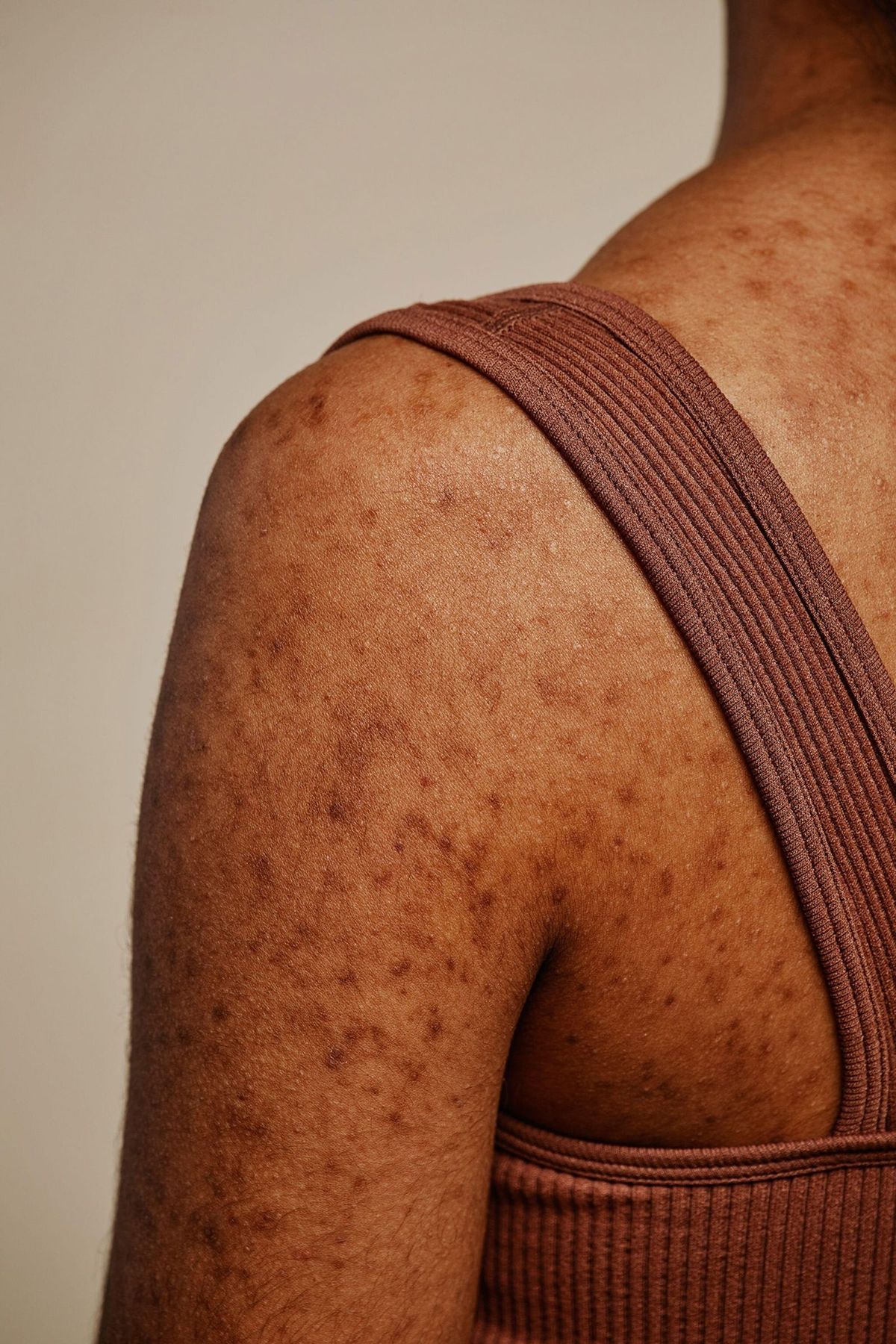
Some people explore natural remedies in addition to traditional skin care treatments.
For example, tea tree oil, known for its antibacterial properties, can help reduce mild breakouts. Aloe vera can also soothe irritated skin and soothe redness.
Lifestyle habits also play an important role. Staying hydrated, managing stress and eating balanced meals all support the skin’s natural healing process.
However, natural remedies usually work best when combined with proven body acne treatment ingredients that actively unclog pores.
Finds from the store editor
The long-term prospects for clearer skin
Pimples on the body can be frustrating, especially if they occur in areas that are difficult to treat. Fortunately, improvements are possible with the right approach.
An effective body acne treatment routine typically includes targeted cleansers, gentle exfoliation, breathable clothing, and consistent skin care habits. Over time, these steps help reduce clogged pores and calm inflammation.
Clearer skin rarely happens overnight. However, with patience and consistency, the back, chest and shoulders can gradually return to a smoother, healthier appearance.
Featured image: Murad Skincare
.
—Read also
How to Remove Acne Scars: Creams, Lasers and Realistic Results