


There’s a version of power dressing for men that has aged poorly. It’s the sharp-shouldered suit, the aggressive tie, the wardrobe of dominance. In 2026, that version of leadership dressing is not only dated; it is actively counterproductive in most professional environments. The man who walks into a creative agency in a three-piece suit or into a startup in a stiff, formal shirt is not communicating authority. He communicates that he doesn’t understand the room. True leadership attire in 2026 is about something more nuanced and far more useful: the ability to dress like a leader without looking like you’re trying.
Power dressing has shifted from prescriptive to contextual. What communicates authority in a law firm is different from what communicates authority in a technology startup or creative agency. The constant is intentionality. You should look like every element of your outfit is chosen and not standard. The man who looks like he has thought about what he wears exudes discipline and self-confidence before he opens his mouth. That communication is available at every price level and within every dress code. It’s not about spending more. It’s about thinking more.
Dress like a leader: The one level up rule
To dress like a leader, dress a little more formally than the people you lead, but not too much. You only have to dress one level higher. Looking too formal can send the wrong message.
This one rule solves most questions about leadership attire. In a casual tech environment where people wear jeans and hoodies, pants and clean, non-gym sneakers elevate you without creating distance. In a business-casual office, a soft-shouldered blazer over a quality shirt achieves the same height without the need for a full suit.
The “+1 rule” involves dressing one level above the baseline. Consistency is key; Jumping two or more levels can make you look overdressed. The quality of the fabric can also make or break your appearance. It’s better to own a few versatile, well-made pieces than a closet full of stuff that looks cheap and wears out quickly. The goal is to take a position that is visibly overweight, without appearing visibly difficult. The moment your outfit starts to draw attention to itself instead of you, you’ve gone a level too far.
Shop editor’s picks
The basics of fabric and fit
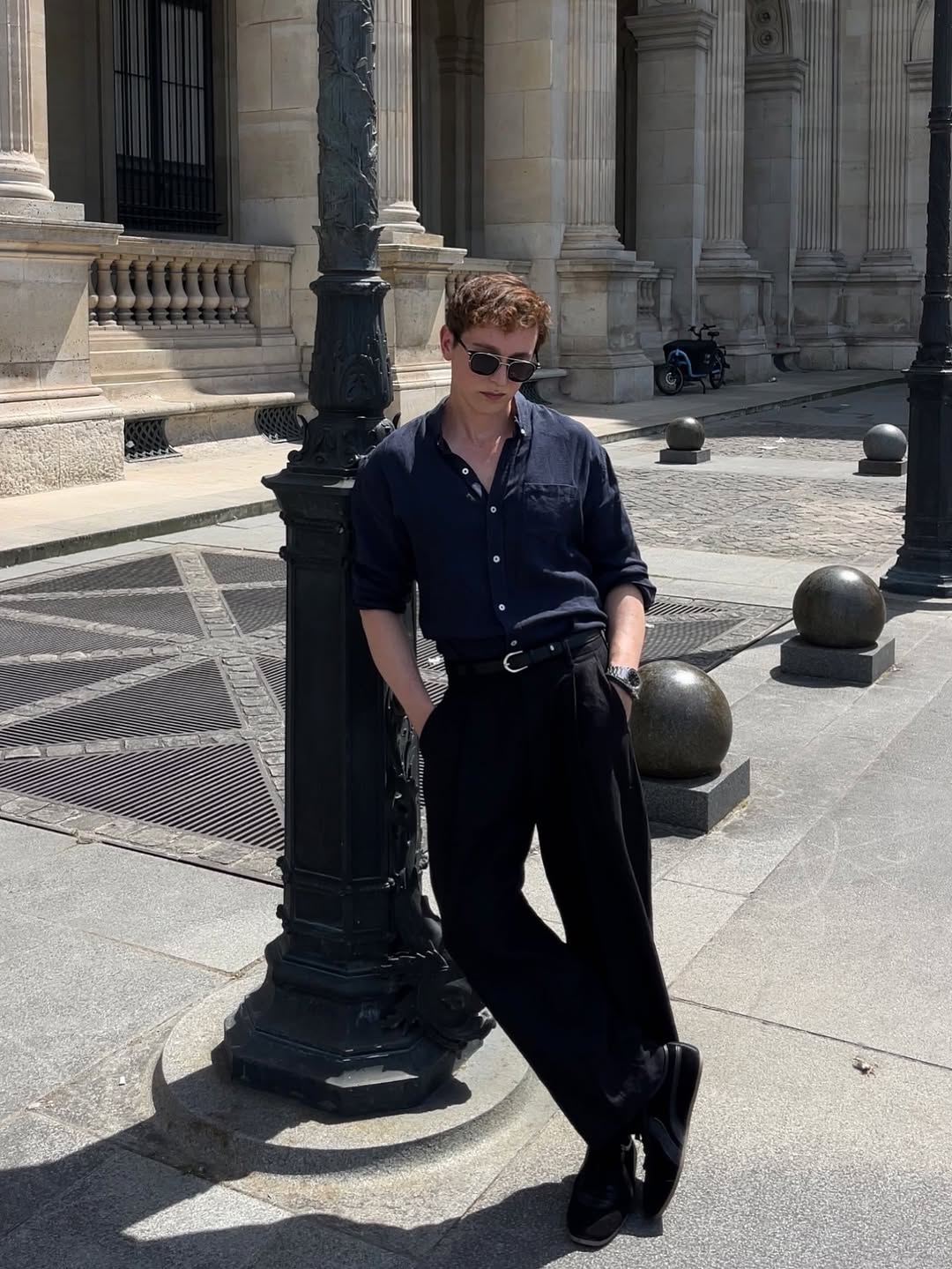
Power dressing for men is not about wearing expensive clothes. It’s about matching your style to your leadership role and conveying discipline, confidence and attention to detail.
Avoid synthetic blends that look shiny or wrinkle easily. Wool, especially Super 100s to 150s, is the gold standard for suits. Natural fibers such as wool, cotton, linen and cashmere drape better, age better and indicate higher quality at a glance. They are also more comfortable, which directly contributes to how you carry yourself all day long.
Tailored garments improve posture and allow freedom of movement, both of which are essential during presentations, boardroom interactions and high-stakes negotiations. Ill-fitting clothing can be distracting to both the wearer and the audience, leading to self-consciousness and reduced self-confidence.
Fit is the highest return investment in any wardrobe. A reasonably priced suit that has been adjusted to fit properly will consistently outperform an expensive suit worn straight off the rack. The change costs are modest. The difference in how you are perceived in a room is significant.
Shop editor’s picks
Read the room and dress it accordingly
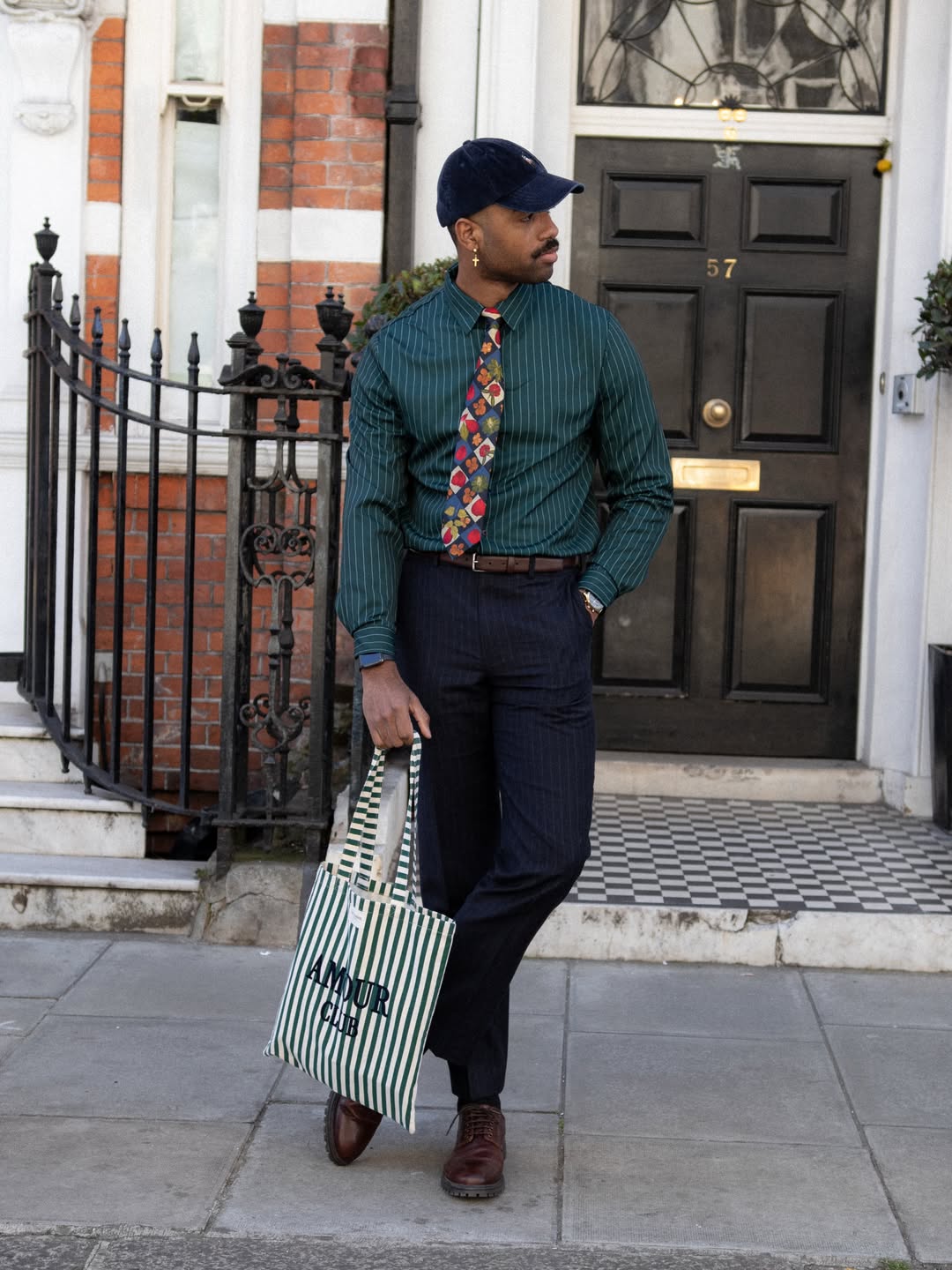
To exude authority, lean toward darker colors, structured pieces and sharp tailoring. For a more approachable look, softer tones, relaxed yet polished silhouettes and lighter fabrics create a sense of ease. The calibration between these two ends of the spectrum is your most important dressing decision in any professional context. A board meeting calls for the authority to be terminated. A team brainstorming session calls for the approachable ending. Both can be achieved within the same wardrobe with only modest adjustments.
Modern leadership often takes place in spaces where a full suit feels overdressed, while jeans seem aloof. Smart-casual layering bridges that gap and signals adaptive authority. Start with a refined base – a crisp oxford shirt or merino-blend polo – and layer on a lightweight merino crewneck or soft-shouldered sport coat in unstructured navy or taupe. Pants should complement, not compete. This layering approach works in virtually any professional setting and gives you flexibility throughout the day without having to change costumes.
Shop editor’s picks
Power dressing for men is all about details
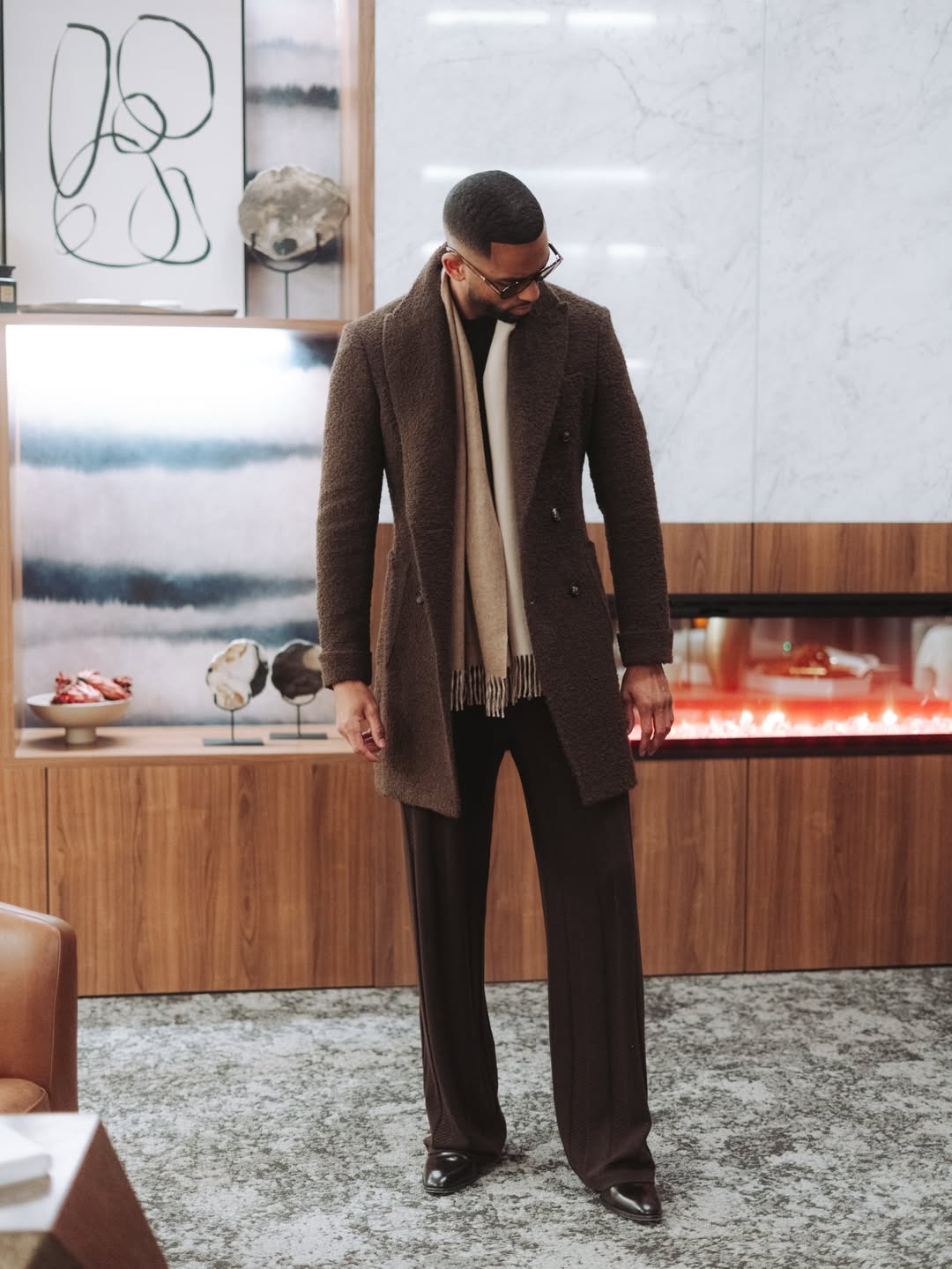
Successful executives understand that apparel is an asset that must be maintained, rotated and adjusted as their roles evolve. When the fabric fits well and the details align, colleagues focus on your ideas, not your outfit. That invisibility is the goal. Leadership dressing succeeds when it creates a strong first impression and then fades into the background, bringing your competence and character to the fore.
Pay particular attention to shoes and grooming: the two areas in which most men under-invest and the two areas most likely to undermine an otherwise strong outfit. Clean, well-maintained footwear and consistent grooming convey the same disciplined attention to detail that effective leadership requires. The signal they send is not about fashion. It’s about standards.
Finds from the store editor
Featured image: @natelucantoni/Instagram
Everything you thought you knew about luxury fashion is being rewritten