


Facial dryness in winter often starts quietly. The skin no longer feels comfortable after cleansing, the tightness lingers longer than normal, the cheeks feel vaguely warm, and the makeup no longer stays on like it used to. For seasoned skincare enthusiasts, these are familiar warning signs: the facial cleanser that worked perfectly in the warmer months is no longer appropriate for the season. At this point the search begins for a cleanser that can purify the skin without further stripping it.
This shift is hardly surprising. Cold temperatures, sharp winds and constant indoor heating gradually weaken the skin barrier, making the face more vulnerable to moisture loss. When cleansers are too aggressive, dryness deepens and irritation quickly follows. As a result, winter skin care doesn’t just start with moisturizers. It starts with choosing a facial cleanser that supports hydration from the very first step of the routine.
Why the face becomes drier in winter
Winter conditions disrupt the skin’s natural balance in subtle but persistent ways. Lower humidity reduces the moisture in the air, while frequent exposure to hot water damages the skin barrier. Over time, this combination leads to dry patches, dullness, and occasional itching around the nose, mouth, and jawline.
At the same time, cleansers that foam aggressively or use strong surfactants tend to worsen the problem. While they efficiently remove dirt and oil, they also remove protective lipids, exactly what the skin needs most during the colder months. This is why switching to a gentler facial cleanser in the winter often provides faster relief than simply applying more products afterwards.
What is a good winter facial cleanser?
Not all cleansers are designed with winter skin in mind. The best formulas focus on continuous cleansing, allowing the skin to retain as much moisture as possible.
Texture plays an important role. Cream cleansers, milky formulas and low-foam gels are generally better suited for winter as they cleanse effectively and leave a soft, comfortable finish rather than a stiff finish.
The ingredients are just as important. Cleansers formulated with glycerin, ceramides, oat extract or hyaluronic acid help attract and retain moisture while cleansing. In contrast, products high in alcohol, sulfates, or strong exfoliating acids can increase dryness and sensitivity during the colder months.
Importantly, choosing a winter-appropriate cleaner doesn’t mean you have to compromise on cleanliness. A well-formulated option removes sunscreen, makeup, and daily buildup while preserving the skin barrier.
Best cleansers for dry skin in winter

When dryness is already noticeable, switching cleansers can make an immediate difference. The options below consistently appear in recommendations for a reliable one facial cleanser for winter because they prioritize comfort and hydration.
- CeraVe Moisturizing Facial Cleanser: This non-foaming cleanser is a winter favorite for good reason. It uses ceramides and hyaluronic acid to cleanse while supporting the skin barrier. The skin feels clean yet soothed, making it ideal for daily use.
- La Roche-Posay Toleriane Moisturizing gentle cleanser: Designed for dry and sensitive skin, this cleanser removes impurities without irritation. It is especially useful for people who suffer from redness or tightness during winter.
- Aveeno Calm + Restore nourishing oat cleanser: With oat extract at its core, this formula soothes and gently cleanses dry, stressed skin. It works well during cold spells, when the skin feels reactive.
Shop editor edit
Best facial cleansers for combination skin
Combination skin still needs softness in winter, even if oiliness appears in certain areas.
- Neutrogena Ultra-gentle, creamy moisturizing cleanser: This cleanser balances cleaning power with hydration, making it suitable for everyday use. It removes impurities without drying out the cheeks or jawline.
- Cetaphil gentle skin cleanser: A classic option that works well during the winter months. The low-irritation formula cleanses without foam, maintaining skin comfort all day long.
For combination skin, these cleansers prevent dry patches without causing buildup in oil-prone areas.
Shop editor’s picks
Cleansers and habits to soothe during cold weather
Winter skin care thrives on restraint. While it may be tempting to cleanse more thoroughly or exfoliate away flakes, colder months call for a gentler approach. Certain cleansers and routines that work well in the warmer seasons can silently undermine the skin barrier once temperatures drop.
Cleaners to avoid during cold weather
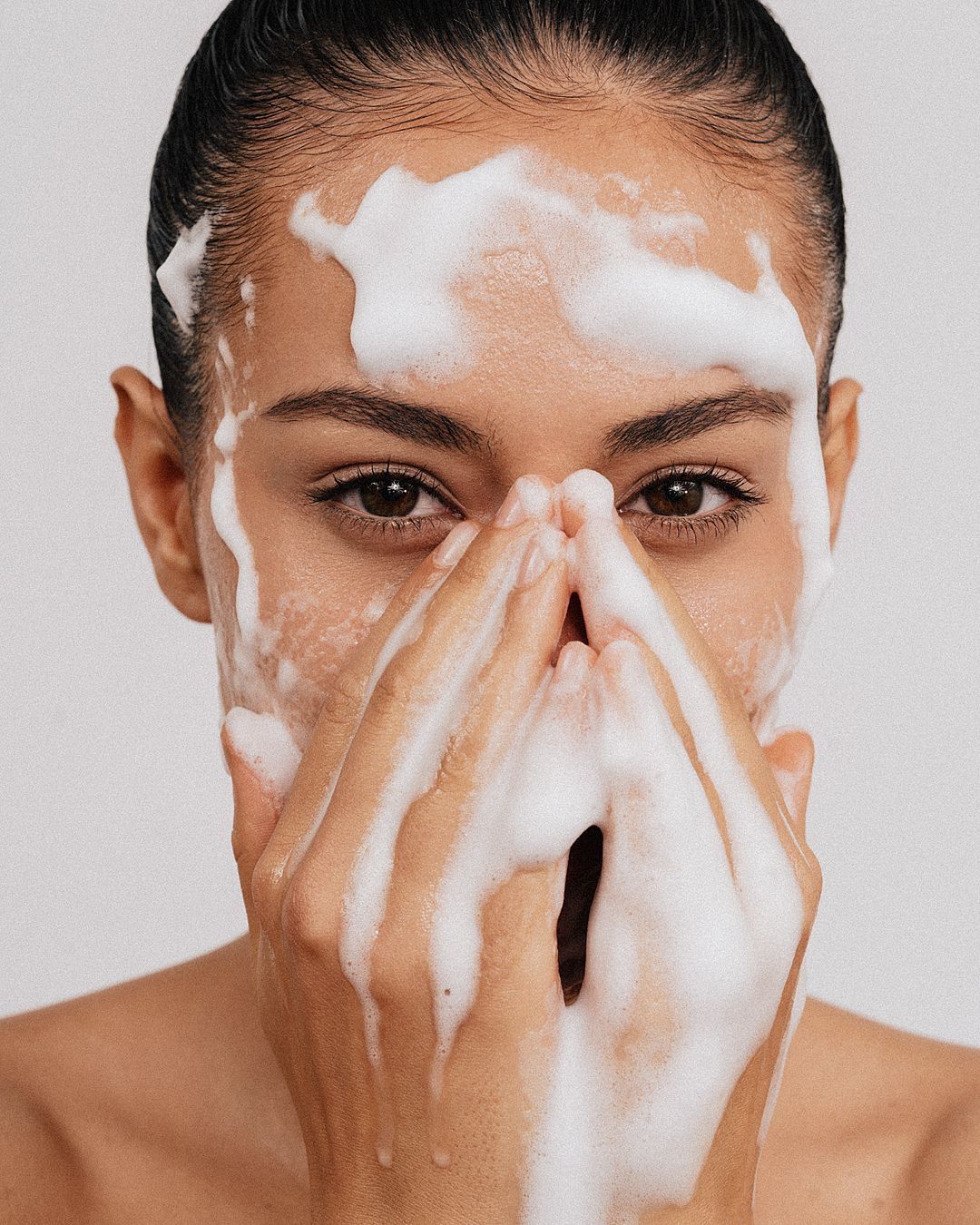
Cleaning agents with a high foam content are among the most common causes of winter dryness. These formulas are based on strong surfactants that create a rich lather but often strip the skin of the natural oils it needs most. Over time, this leads to shortness of breath, dullness and irritation.
Exfoliating cleansers also require caution. Physical scrubs and formulas high in exfoliating acids can disrupt already fragile winter skin. Combined with dry air and indoor heating, they often cause redness and blotchiness instead of smoothness.
Acne-targeted cleansers that contain salicylic acid or benzoyl peroxide can further worsen dryness if used too often. While they are still useful for targeted treatment, they should not replace a gentle facial cleanser in winter.
Other skincare habits you can scale back in winter
Cleaning is only part of the whole. Winter skin also benefits from reversing habits that increase moisture loss.
Hot water is one of the most overlooked triggers. Although long, steamy showers feel comforting, they weaken the skin barrier. Switching to lukewarm water can make a noticeable difference over time.
Over-exfoliating is another common winter mistake. Because skin peels more slowly in cold weather, frequent exfoliation often leads to sensitivity rather than clarity. Reducing exfoliation to once a week or pausing it completely allows the skin to recover.
Applying too many active ingredients can also overwhelm winter skin. Retinoids, strong acids and brightening treatments often need to be spaced out or used less frequently, allowing hydrating and barrier-supporting products to work more effectively.
Even the cleaning frequency is important. For some skin types, washing twice a day in winter contributes to dehydration. A single evening cleanse combined with gentle morning hydration often feels more balanced.
Do you need to change the way you clean in winter?

Winter skin care is less about overhauling routines and more about thoughtful adjustments. Washing with lukewarm water instead of hot water helps retain moisture, while cleansing once a day can relieve tightness in drier skin types.
Most importantly, combining a gentle winter facial cleanser with a rich moisturizer immediately after cleansing will lock in hydration and reduce moisture loss. Often, this simple shift improves dry skin faster than adding more treatments ever could.
Featured image: SKKN by Kim
—Read also
The best facial creams for winter, according to our editors


