


Dark spots remain one of the most frustrating skin problems, not because they are unusual, but because they tend to linger long after everything else has faded. Over time, the skincare world has introduced a steady stream of formulas that promise to remove discoloration, each claiming faster and more visible results. However, as trends continue to change and new ingredients come into the spotlight, conversations about using hydroquinone to treat dark spots are starting to resurface. In doing so, they bring renewed attention to a formula that has quietly remained a cornerstone in dermatology for decades.
For years, hydroquinone has held its place because of the precise way it targets discoloration. The product’s reputation has extended beyond the clinical setting into everyday skincare conversations, where it is often described as one of the fastest ways to fade stubborn pigmentation. Yet how it works, how to use it correctly and – just as importantly – when to stop are details that are often misunderstood. Understanding these nuances is what ultimately makes the difference between effective results and unnecessary setbacks.
What Hydroquinone actually does
To understand why hydroquinone is so widely used, it helps to start with how dark spots form. When the skin produces too much melanin, often caused by acne, sun exposure or hormonal changes, these areas appear darker than the surrounding skin. Hydroquinone works by slowing down the enzyme responsible for melanin production. As a result, existing dark areas gradually lighten and the formation of new areas is prevented during use.
Because of this targeted mechanism, it has become a key ingredient for persistent hyperpigmentation rather than occasional discoloration. This is also why hydroquinone produces results faster than many over-the-counter brightening ingredients. Instead of simply exfoliating the surface, it works deeper on the pigmentation process.
How quickly does it work?
One of the most frequently asked questions is about timing. In most cases, visible improvement begins within four to eight weeks, especially with consistent use of a 2% to 4% concentration.
That said, results largely depend on how deep the pigmentation is in the skin. Superficial spots from recent breakouts often fade more quickly, while deeper discolorations, such as melasma, may take longer. For this reason, patience and consistency are just as important as the product itself.
How to use Hydroquinone correctly
Using hydroquinone effectively requires a more measured approach than many expect. It is usually applied once a day in the evening, directly to dark areas rather than all over the face, especially in the early stages.
As the skin adapts, some routines may include twice daily use, although this depends on individual tolerance. Because hydroquinone can increase sensitivity, sunscreen during the day is a non-negotiable. Without proper sun protection, the pigmentation you are trying to treat may return or even worsen.
It is generally recommended to leave hydroquinone overnight as this allows enough time for the ingredient to work uninterruptedly. This consistency leads to visible fading over time.
Can you use it every day?
Although daily use is common, it should still be handled with care. Many dermatologists recommend using hydroquinone in cycles, usually three to four months at a time, followed by a break. This approach helps minimize irritation and prevents over-reliance on the ingredient. At the same time, it allows the skin to stabilize before starting a new cycle if necessary.
Which works well with hydroquinone

To improve results, hydroquinone is often combined with additional ingredients. For example, retinoids can speed up skin turnover, while niacinamide helps maintain a more even skin tone. Equally important are the gentle hydration and barrier support products that help reduce irritation, making the treatment more durable over time.
Finds from the store editor
What to Avoid While Using Hydroquinone
When building a routine to treat dark spots with hydroquinone, certain combinations require caution. Strong exfoliating acids and harsh treatments can increase irritation if not applied properly.
Moreover, unprotected sun exposure remains one of the biggest setbacks. Even minimal exposure can restart melanin production, which will directly set back your progress.
It’s also worth noting that more is not better. Over-application does not accelerate results. Instead, it increases the likelihood of dryness, redness, and uneven lightening.
Why hyperpigmentation can return
A common concern is why dark spots sometimes reappear after stopping hydroquinone. In most cases, this happens because the underlying trigger has not been addressed.
For example, continued sun exposure, recurring acne or hormonal fluctuations can restart melanin production. In some cases, overuse without adequate breaks can also lead to irritation, which can lead to post-inflammatory hyperpigmentation. Because of this, hydroquinone works best as part of a broader skin care strategy that includes sun protection and supportive products.
Does it remove dark spots permanently?
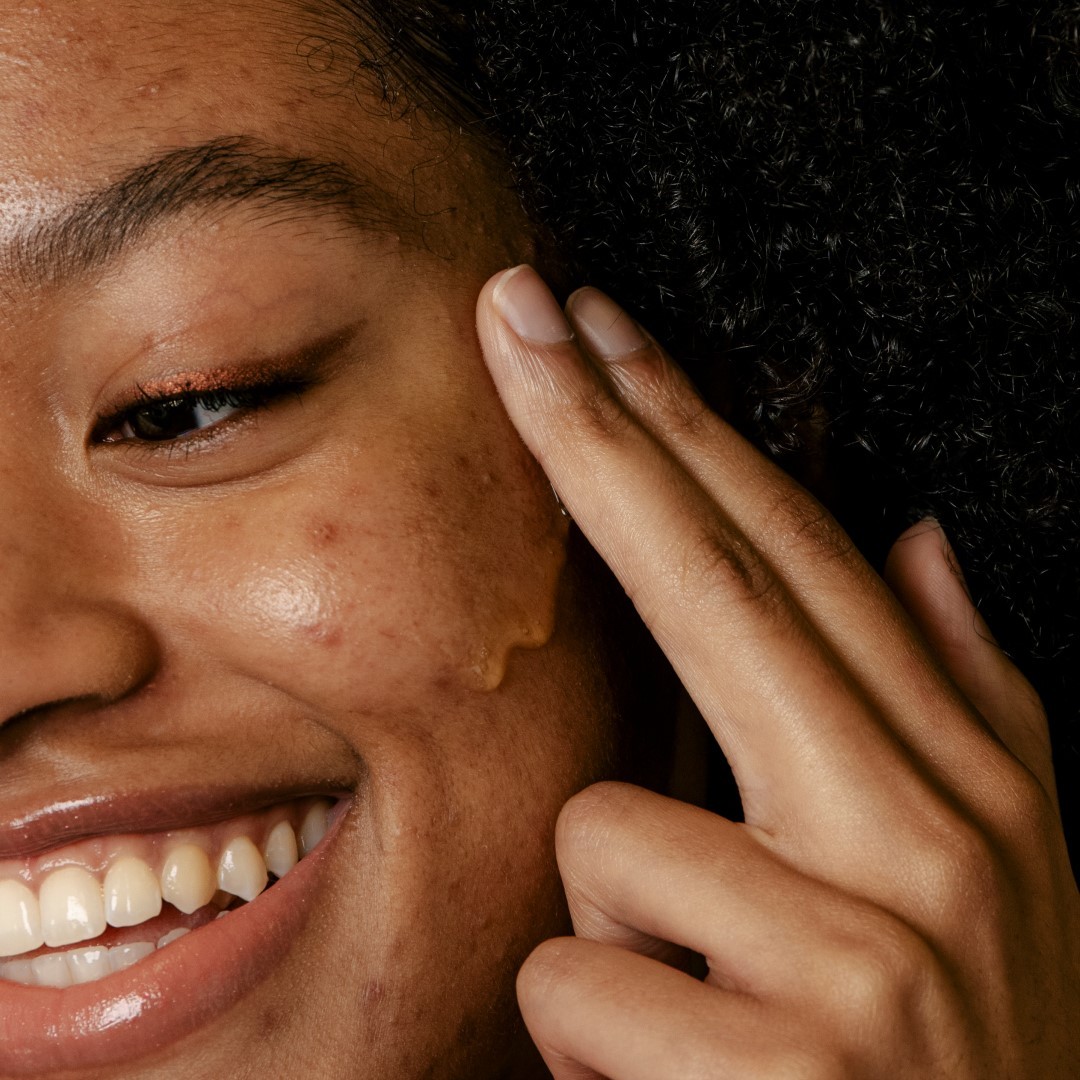
Hydroquinone can significantly fade dark spots and in some cases they can even disappear completely. However, durability depends on both lifestyle and skin behavior.
If the triggers behind the pigmentation are managed properly, the results can last much longer. Conversely, if these triggers persist, new discoloration may develop even after successful treatment.
The disadvantages to consider
Despite its effectiveness, hydroquinone has limitations. Some individuals may experience dryness, irritation or sensitivity, especially during the initial stages of use.
There is also a rare one condition known as ochronosisassociated with long-term, unregulated use of high concentrations. Although unusual, it underlines the importance of following recommended usage cycles. For this reason, many dermatologists recommend the use of hydroquinone under professional supervision, especially when working with stronger formulations.
Final thoughts
Hydroquinone has maintained its relevance because it tackles one of skin care’s most persistent problems in a direct and measurable way. As more people revisit it in search of clearer, more even skin, the conversation is shifting to more informed and responsible use.
When used correctly, hydroquinone can produce visible improvements in a relatively short time. However, its real value lies in understanding how to use it properly, in combination with supporting ingredients, and in maintaining habits that protect the skin long after treatment has ended.
Featured image: SeventyFour/iStock
.
—Read also
How to Remove Acne Scars: Creams, Lasers and Realistic Results