
Share the article
Everyone knows Greece for its powerful island duo of Santorini and Mykonos, but if you’re looking for the whitewashed cube-shaped houses on cliffs and blue domes, you don’t necessarily have to splurge on an oceanfront villa to have those.
I mean, Santorini has the caldera drama, sure, but unless you’re parked on an expensive lounger at the distinctly unattractive dark sand-and-gravel section of Perissa Beach, it’s not exactly what I’d call swimming-friendly or swimming-friendly. relaxing.
I literally go to Greece every time. single. summer. And I have reached my share of the Greek islands. 20+ to be precise. It could have been double that, if I wasn’t drawn back to my handful of favorites every year.
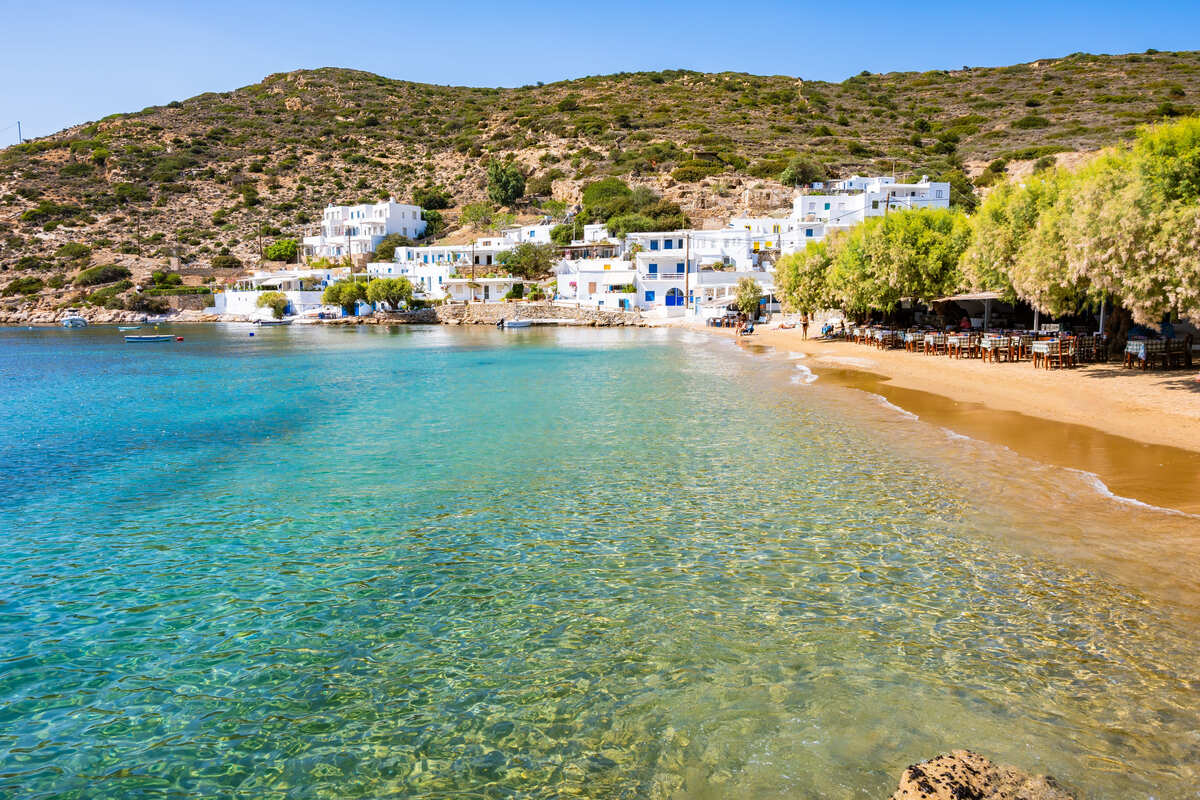
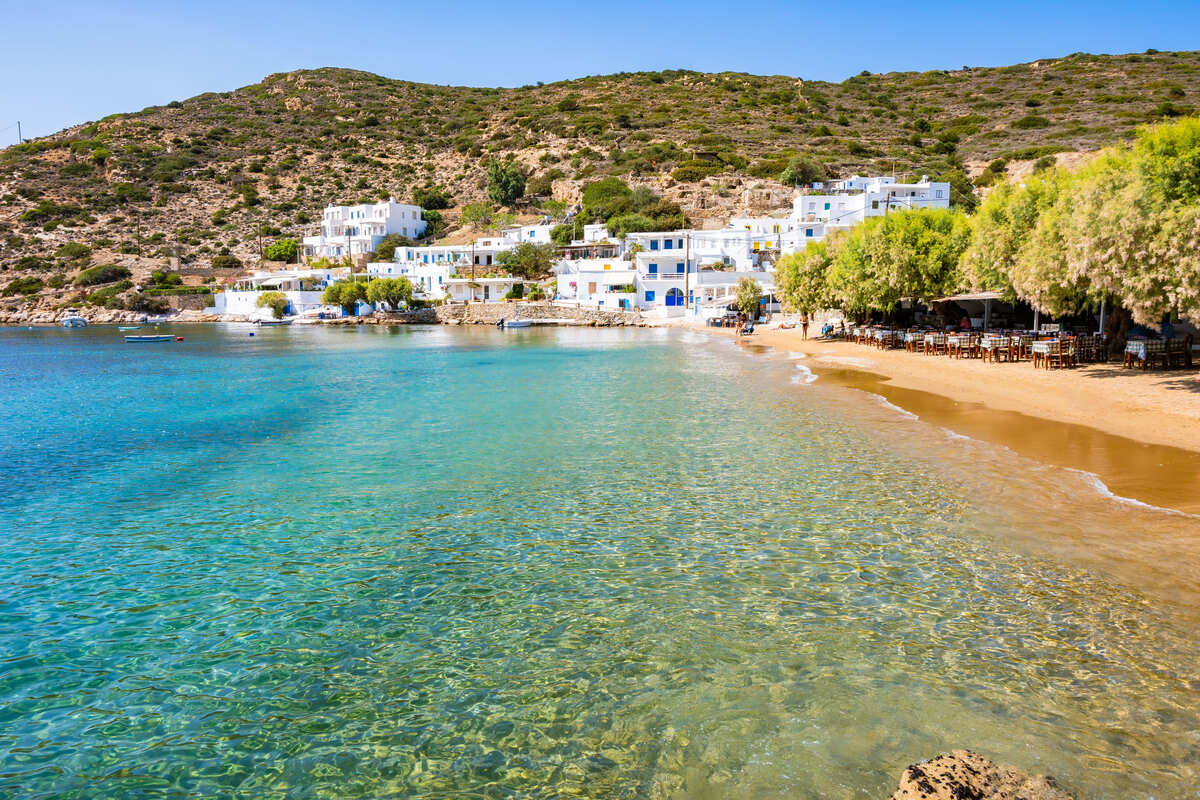
From the rugged Cyclades to the Ottoman flair of the Dodecanese, the Italian-style Ionian gems and the hidden treasures of the Saronic Gulf and the North Aegean coast, there is certainly no shortage of incredible places untouched by exploring tourism.
If you need a serene escape, here they are 5 island getaways to experience Greece at its most authenticfar from the hustle and bustle of Oia:
Sifnos
Cyclades
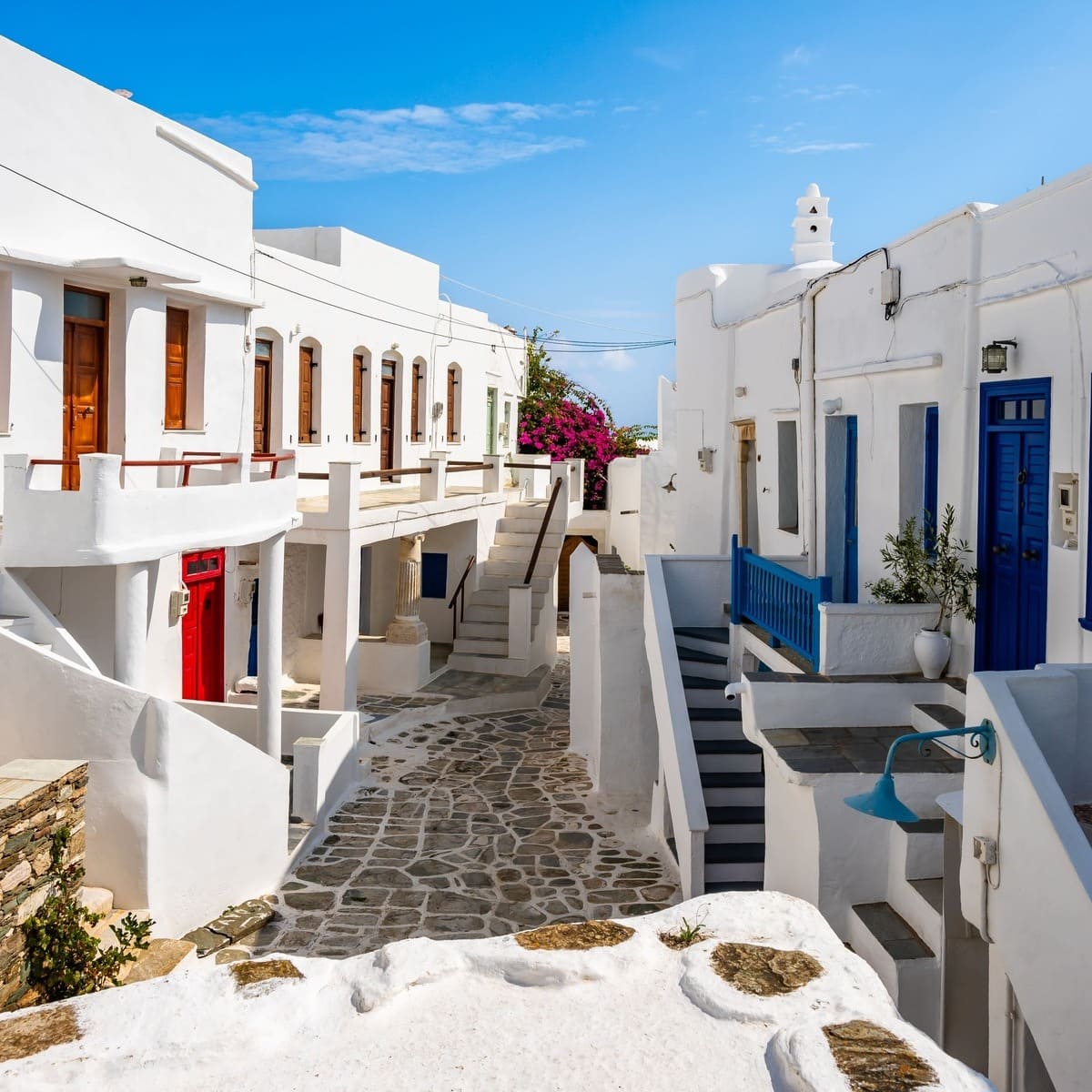
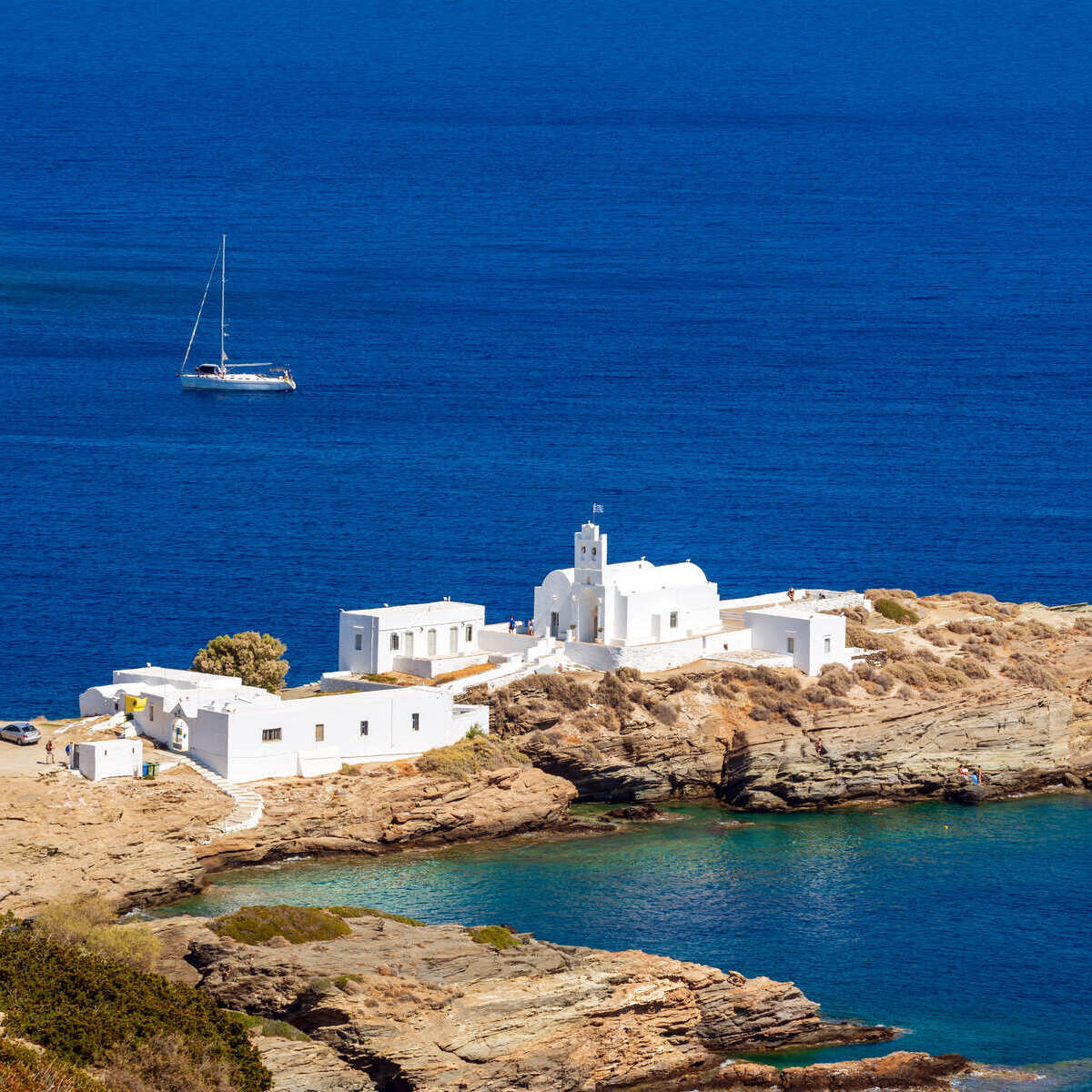
A better alternative to the usual tourist cesspools is Sifnos, a 2 hour 45 minute ferry ride from Santorini. It’s one of my favorite places for the true, unspoilt beauty of the Greek island, with chalk-white villages, bougainvillea-lined paths and beaches that are truly pleasant.
Sifnos has one long sandy strip at Platis Gialoswith just enough beach clubs and tavernas to get you through the day without having to make desperate snacks for the nearest village, and if you’re looking for total peace and quiet, Vathi is the most beautiful bay on the lot.
Calm water, cool atmosphere and wonderfully peaceful energy in a long, horseshoe-shaped bay.
Oh, and for all my fellow foodies: Nicholas Tselementes, one of Greece’s most famous chefs, originally from Sifnos.
He’s obviously no longer there, but if you’re wondering where he learned his skills, Sifnos has a long, old-fashioned tradition of oven cooking, with hearty, slow-cooked dishes served in clay pots.
Looking for that right local address? Kafeneio Drakakis, in Apollonia, the island’s main settlement, is a simple spot serving some of the island’s tastiest mastelo (Sifnian lamb).and the local wine tastes dangerously good.
Samothrace
North Aegean Sea


The Cyclades are amazing, and there are plenty of hidden gems dotted around the archipelago, within easy reach of the famous islands, but they’re not all that Greece has to offer.
Located on the northeastern coast of mainland Greece, Samothrace looks nothing like the island you probably imagine: olive groves clinging to arid, desert-dry hills and rugged landscapes.
Think lush greenery, crystal clear waterfalls and a jungle-like feel –exactly why I love it.
At the heart of the island lies the Mount Saos massif, surrounded by dense forests, hiking trails and hidden vathresgranite rock pools fed by towering waterfalls. This is the Real Samothrace experience: exploring the green countryside, not just lazing on a beach, although there are plenty of those.


Pachia Ammos, on the south coast, is a long stretch of golden sand, perfect for a lazy afternoon.
If you’re looking for culture and history, Chora, the inland capital, is an absolute delight: old stone houses line cobbled streets, cafe terraces spill into the alleys and a hilltop castle crowns the town.
Meanwhile, Paleopolis, known locally as the Shrine of the Great Godsis one of Greece’s most important ancient sites, home to the secret Samothrace Mysteries and, famously, where the Winged Victory of Samothrace was excavated before ending up in the Louvre.
Chios

Of all the Greek archipelagos, the Dodecanese is my favorite. With islands practically lining Turkey, some just a mile from their neighbors, they are an incredible mix of Hellenic charm, Ottoman heritage and, in the case of Chios, Genoese influences.
Chios, Greece’s fifth largest island, is not a place you can do justice in one day or even a long weekend.
Stay a full week and explore the historic mastic villages inland: from the black-and-white striped mansions of Pyrgo, to the fortified stone labyrinth of a medieval village in Mesta, to the quaint hilltop hamlet of Olympi, dotted with narrow streets and ancient churches.


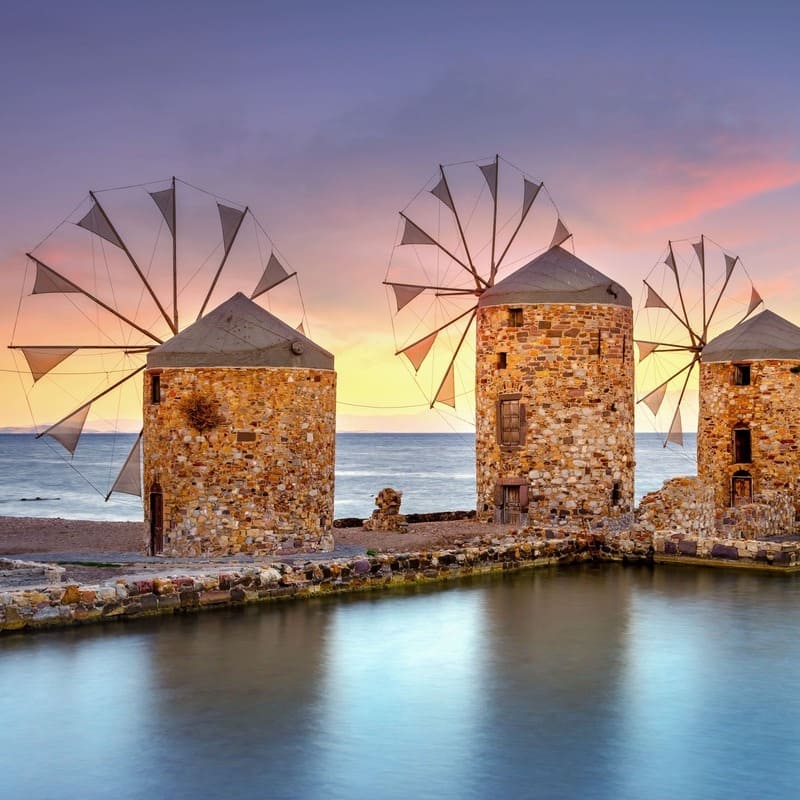
The island’s capital, Chios Town, is home to the iconic trio of historic windmills with giant sails on a man-made peninsula, and a monumental Genoese castle complete with a moat, charming stone bridge and sturdy walls overlooking the busy harbour.
To be fair, Chios doesn’t exactly have world-class beaches: despite being a whopping 210 miles along the Aegean Sea, most of it is rocky or black pebble coves, but there are exceptions.
Glaroi Beach, small and hidden in a bay with a mix of pebbles and sandy areas, is backed by a beach bar with cheap drinks and snacks: your best choice for a relaxing afternoon by the sea a short drive from Chios town.
Paxos
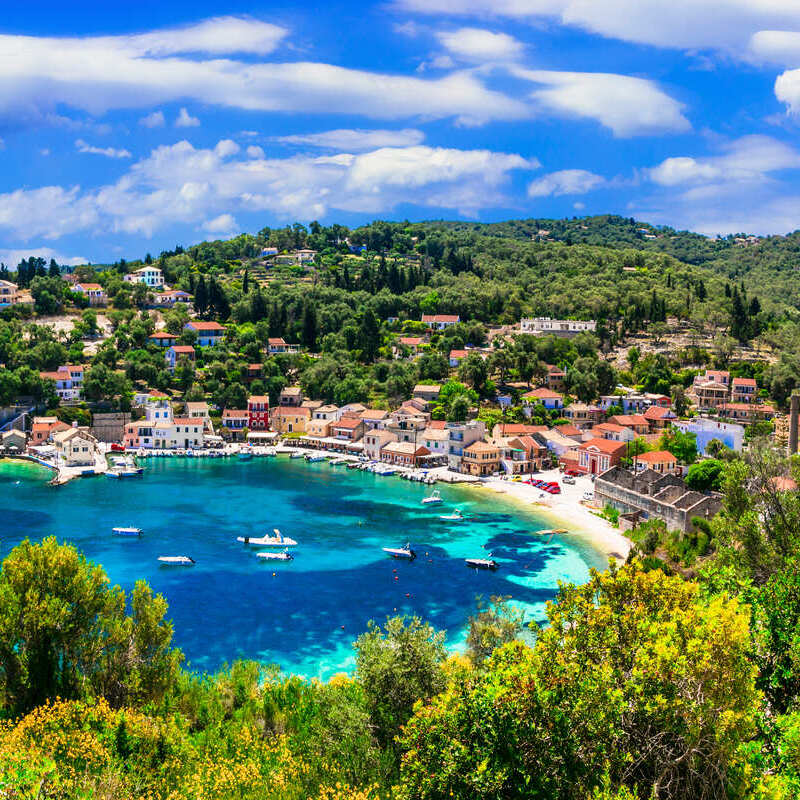
Everyone knows that if you’re looking for those crazy turquoise waters, the Ionian is the place to go.
While everyone flocks to Zakynthos, Lefkada and Kefalonia, Paxos is my top choice for soaking up the sun while relaxing on a tourist-free beach.
No exclusive beach bars playing thumping music all day, expensive tavernas squeezing the odd one out, having no idea Americanaki who somehow found their way here, and not even territorial Germans with their woolen socks and slippers who mark their spot on the beach from six in the morning.
Paxos has no airport, so tThe attempt to get there already reduces the crowds to a large extent.
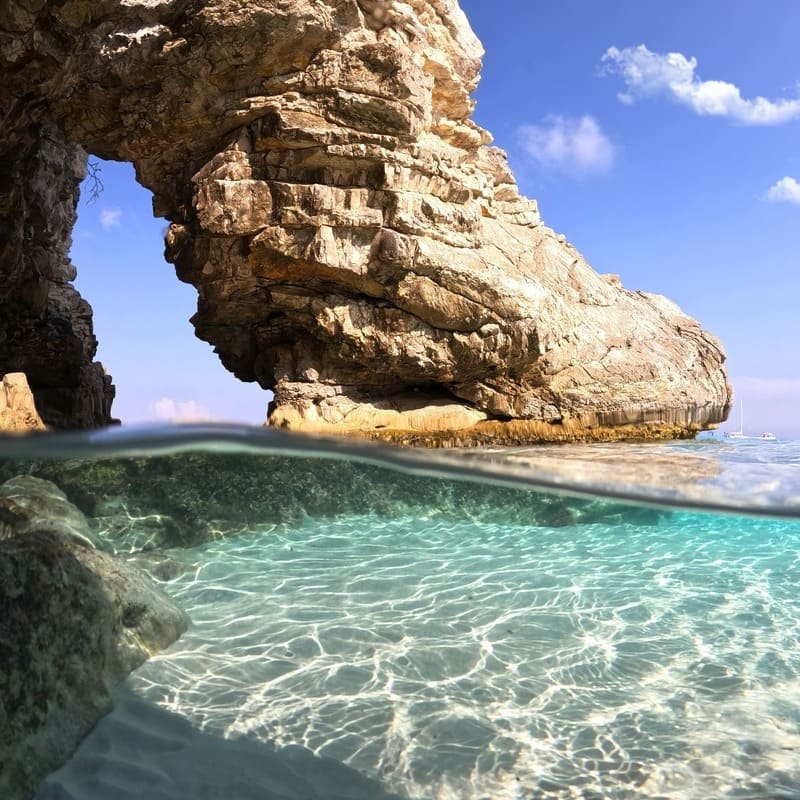
Most visitors arrive in Corfu and then take the ferry – and it is small and chilly, made up mainly of fishing villages, picturesque coves and a largely rural hinterland.
Forget the party atmosphere of Mykonos, or even the summer chaos of neighboring Corfu.
This is the place to go in the Ionian Sea for that exclusive, peaceful feelingand authentic Greek culture that has yet to be spoiled by mass commercialization.
It has super beautiful port towns, especially Gaios, near the signature beach Lakka and Loggos, and if you are looking for Caribbean waters, Voutomi Beach has fine sand and small white pebbles, and those surreal Gatorade seas.
Aegina
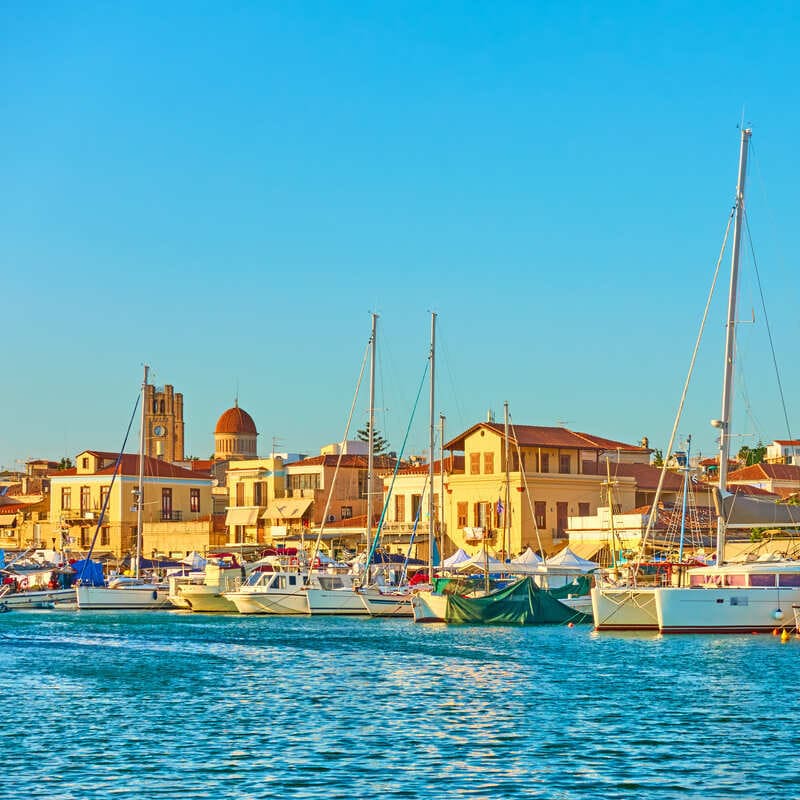
Did I just save the best for last? Just a quick ferry ride from the port of Piraeus, the bustling gateway to the Aegean, Aegina is the crown jewel of the Saronic Islands, sitting practically on the shoulder of Athens.
It’s not that Aegina is completely crowd-free: Athenians go there every chance they get during the weekend, but there’s a big difference between beer lovers, rowdy British crowds and domestic visitors who aren’t exactly immune to local island culture.
The main city, also called Aegina, is more than just a ferry hub: it has markets, waterfront cafes and a shocking number of pistachio shops. In case you didn’t know, Aegina is famous throughout Greece for its pistachio.
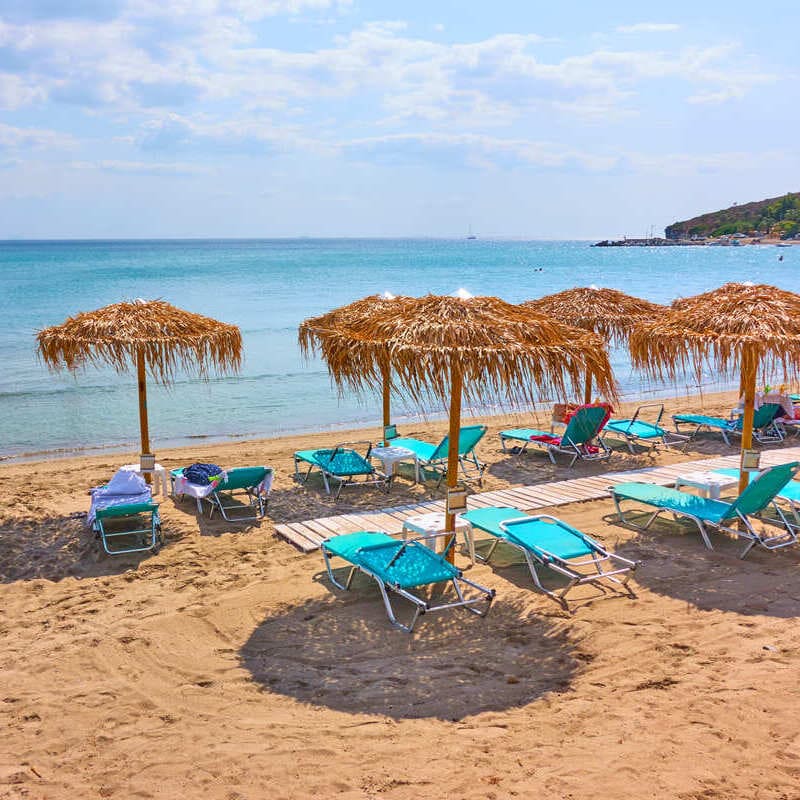
About an hour’s walk from the town is Agia Marina, a beautiful stretch of golden sand beach stretching over shallow, azure waters. It has some development but remember there are more relaxed bars and sunbeds for hire rather than a full hotel strip.
A much longer 2 hour walk, or a short scooter ride along the coast, Perdika is where I go for quiet swimming spotsand perfect sunset dinners after a swim.
The city of the same name is the personification of Greece, together with Greek pappoi they turn around feverishly komboloi as they talk about all things life and politics in the village pub and in the historic tavernas still owned by traditional families.
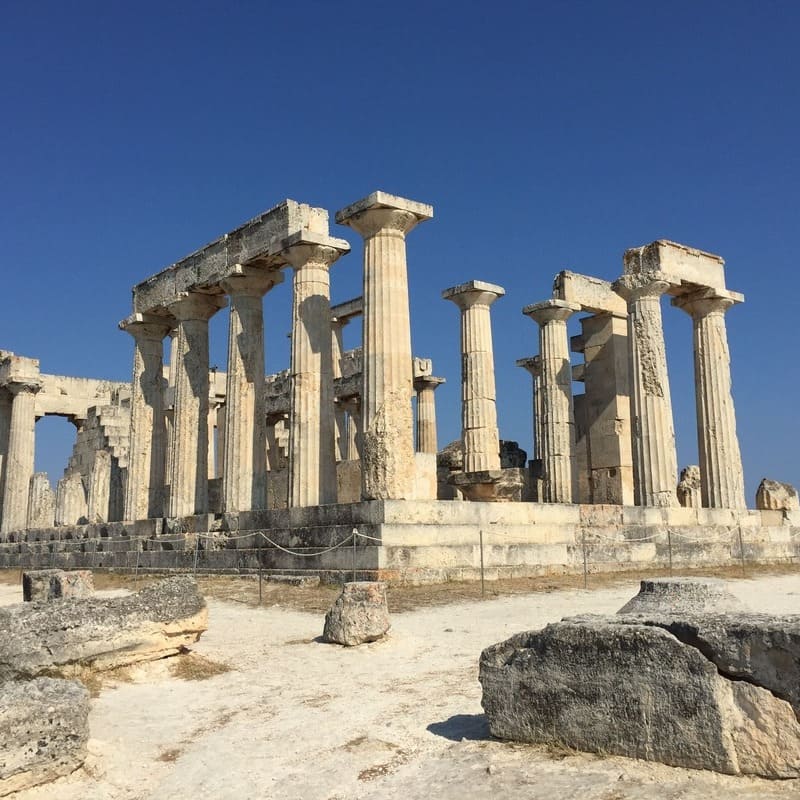
from Aegina important flex, however, is the fact that it is home one of the three great classical temples of Greece.
You’ve heard of the Athenian Parthenon, located atop the Acropolis hill, and the Temple of Poseidon at Sounion, but chances are you’ve never encountered the Temple of Aphaia.
Located on an inland hill, overlooking the Aegean countryside and the Saronic Gulf, it was built around 500 BC.