
Share the article
Who’s going to Spain this summer?
That’s not a far-reaching question, considering it’s still one of Europe’s main summer hotspots.
With concerns about overtourism in the big cities, there are so many other places left to unpack, especially along the coast, which is teeming with so-called “hidden gems”.
We get it: it’s a common expression. However, we’re sure the locals nailed this one.
Whichever part of Spain you choose to visit, the coastline is immaculate, stretching from the edge of Portugal to the doorstep of France.
Seville is of course one of the most popular getaways, after Madrid and Barcelona it’s no surprise that this golden paradise was arranged number oneless than an hour and a half drive from Seville.
Unspoiled paradise within reach
We are not here to play grandmaster; we’re just here to reveal the cold, hard truth.
In this case, it’s no common secret that Barcelona and Madrid have seen their fair share of negative headlines – not because they aren’t worth seeing – they’re just overloaded with tourists.
Seville, on the other hand, plays second fiddle.
Even then, it is not exactly a secret hideout, but serves as a springboard to countless unknown paradises such as Mazagon.
Just an hour and 18 minutes away by car, it’s super easy to get here if you’re the type of traveler who likes to avoid crowds and embracing more authentic destinations.
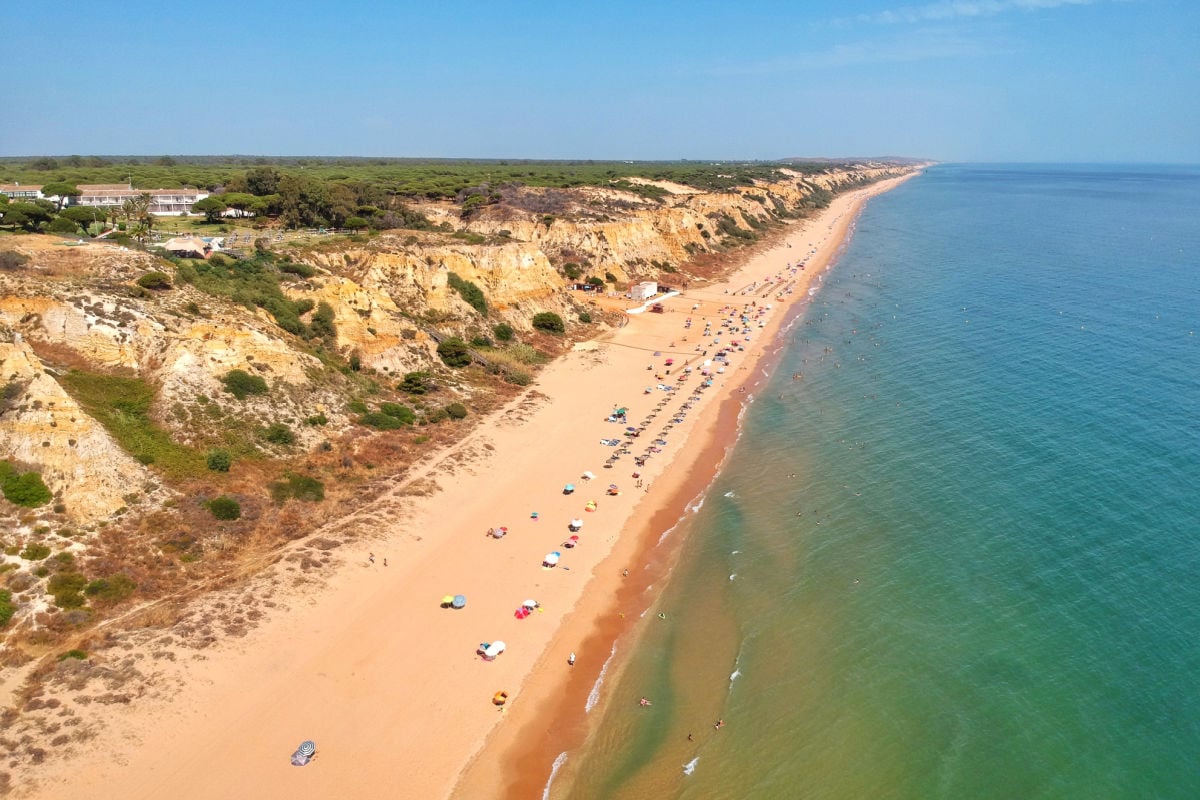
Buses and trains are also options, but they take longer. For example, you can board a train from Seville to Huelva, but then you’ll have to hail a taxi to Mazagon – and we all know the risk of the ‘broken meter’ trick by now.
Driving or hopping on a bus is your best bet. Buses take a little longer, an estimated 2 hours.
Mazagon’s golden coastline is one of Spain’s top three beach locations
We all trust National Geographic, right?
According to the prestigious Nat Geo, Cuesta Maneli, located between Mazagon and Matalascañas, ranks among the top 3 beaches in all of Spain.
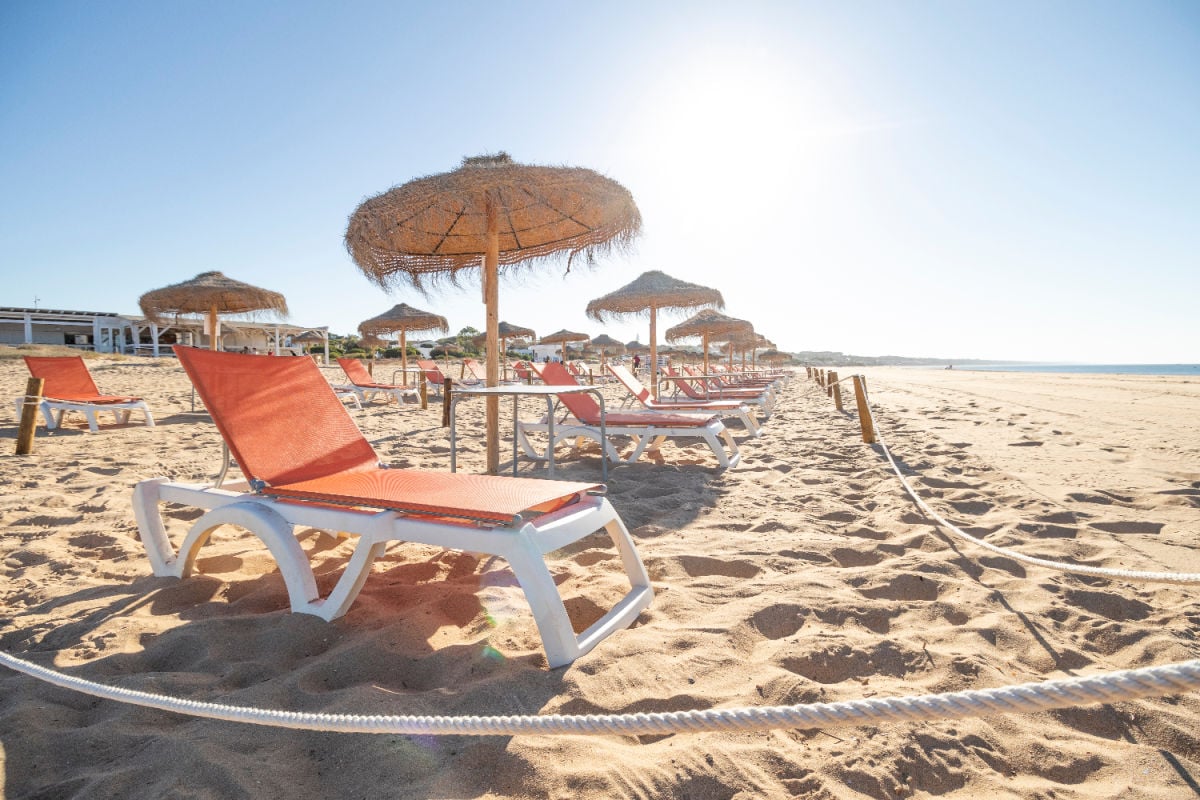
We at Travel Off Path also support this.
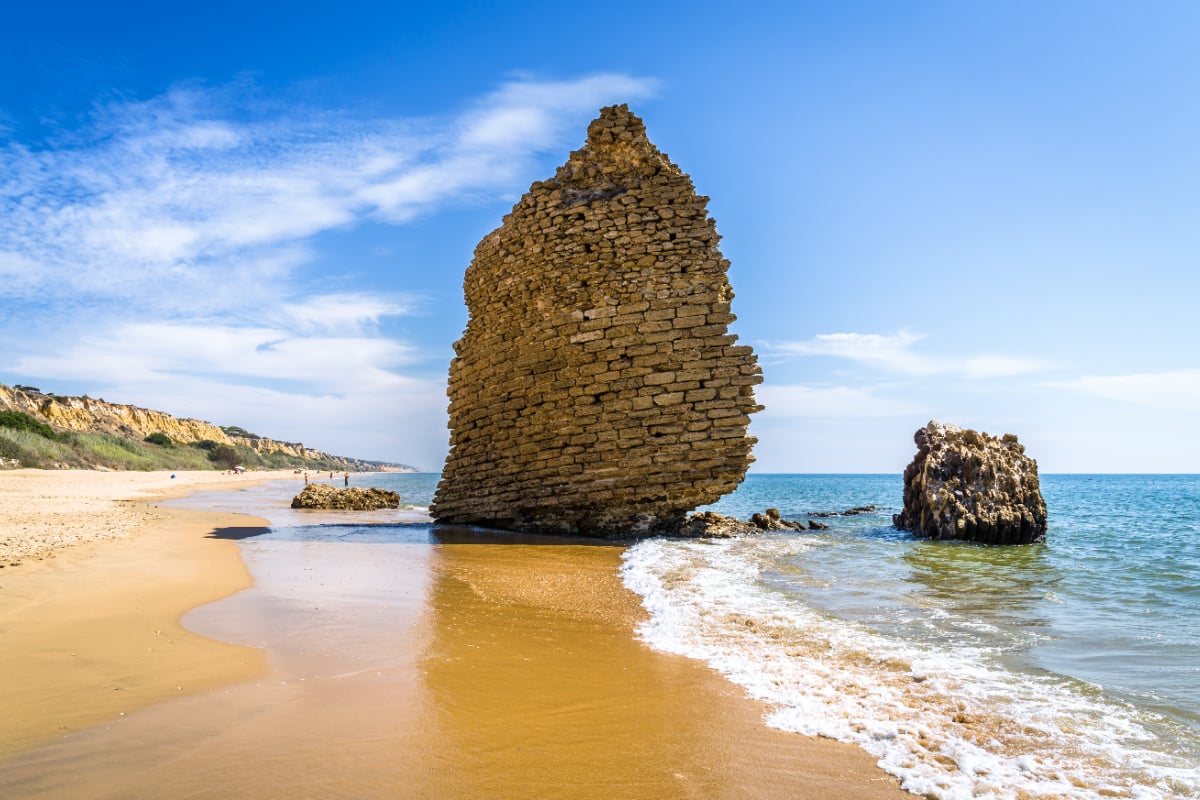
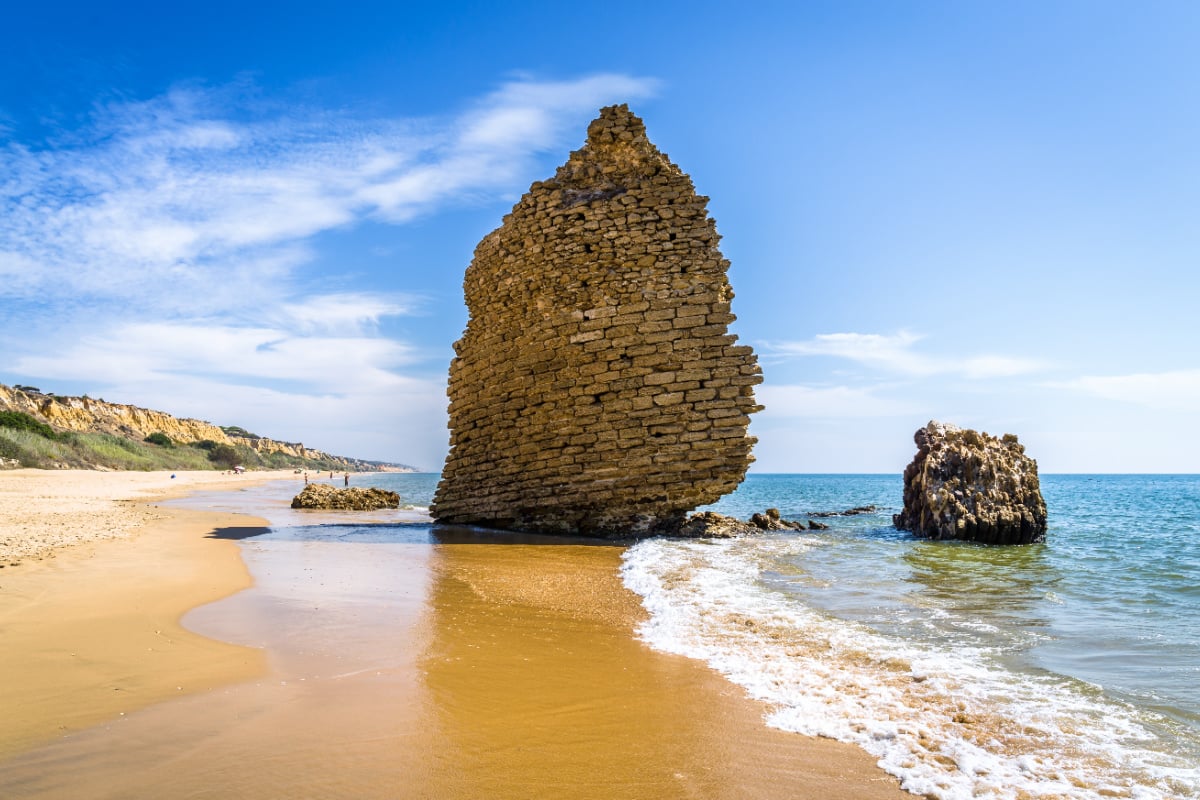
I mean, where else can you find a wild Atlantic beach, hidden within the protected coastline of Doñana, reached by a wooden boardwalk through dunes and pine forests, with golden sand, rugged dunes and the walled ruins of Torre de la Higuera (as seen above) right along the coast?
That’s a lot packed into one dotted city, which even the most seasoned travelers have probably never heard of.
Mazagon is no one-beach wonder either.
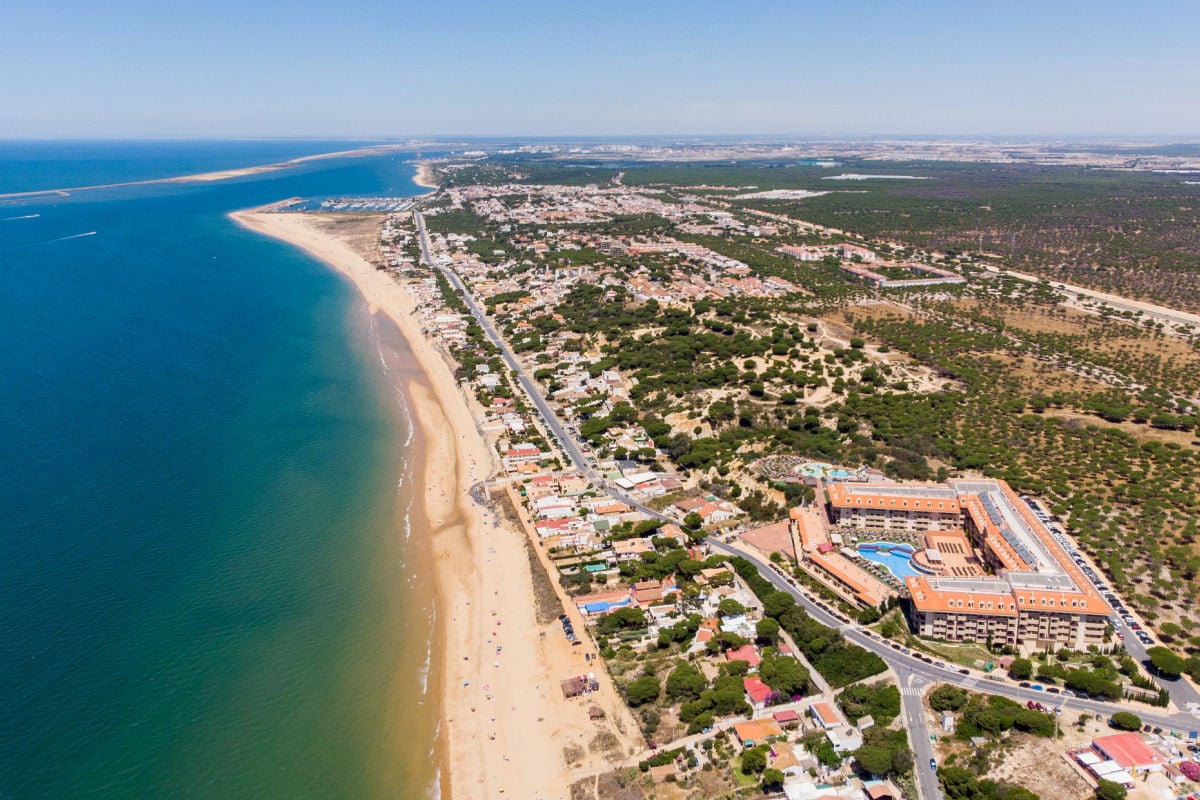
Beyond Cuesta Maneli, travelers can strike Playa del Parador for easy access and expansive views of the Atlantic Ocean, or Playa de Rompeculos for a wilder escape with a local feel.
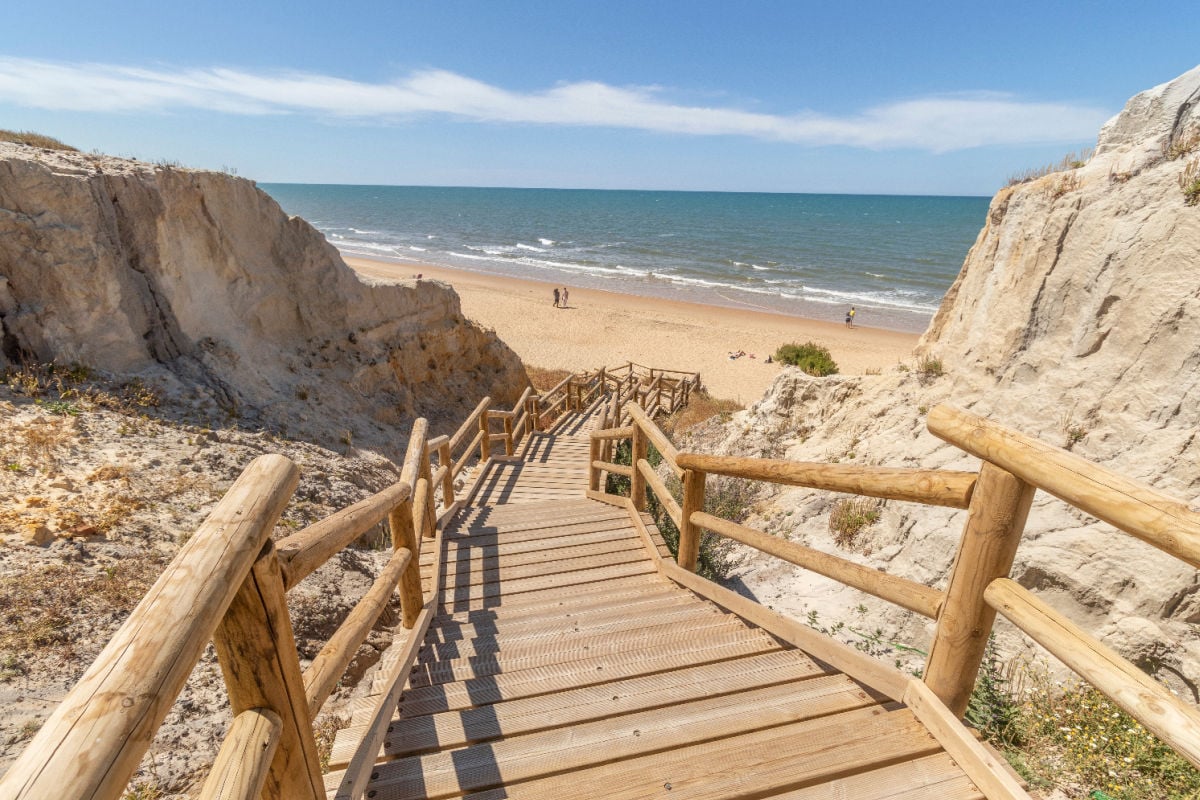
Cuesta Maneli is undoubtedly the crown jewel, rewarding the already beautiful walk with one of the most spectacular, unspoilt beaches in Spain compared to the country’s household names.
Not to mention its small-town dreamscape, where local restaurants, cozy cafes and a relaxing seaside atmosphere make it more than just a beach stop.
Plus, we all know that Spanish tapas topped with local wine are worth trying anywhere. Mi Momento Mazagon is one of the city’s top-rated eateries that you should definitely visit.
How safe is Spain to visit?
Avoiding the protesting Karens of Spain is one thing, but staying safe is a whole other topic.
The good news is that Spain is popular worldwide for good reason – and a key driver is safety for tourists across the board.
As we all know, big cities are often a magnet for crime, while small towns often feel more homely, relaxed and easier to wander around after dark.
According to our real-time safety index, travelers in Spain score 95/100, a virtually unbeatable rating, beating even some of Americans’ favorite nearby destinations like Cancun and Punta Cana.
The US State Department is a little more concerned about their advice, which states “Level 2: Be extra careful” – the second lowest designation.